



Our Blogs
How to Fix Anti Lock Brake System: Easy DIY Guide

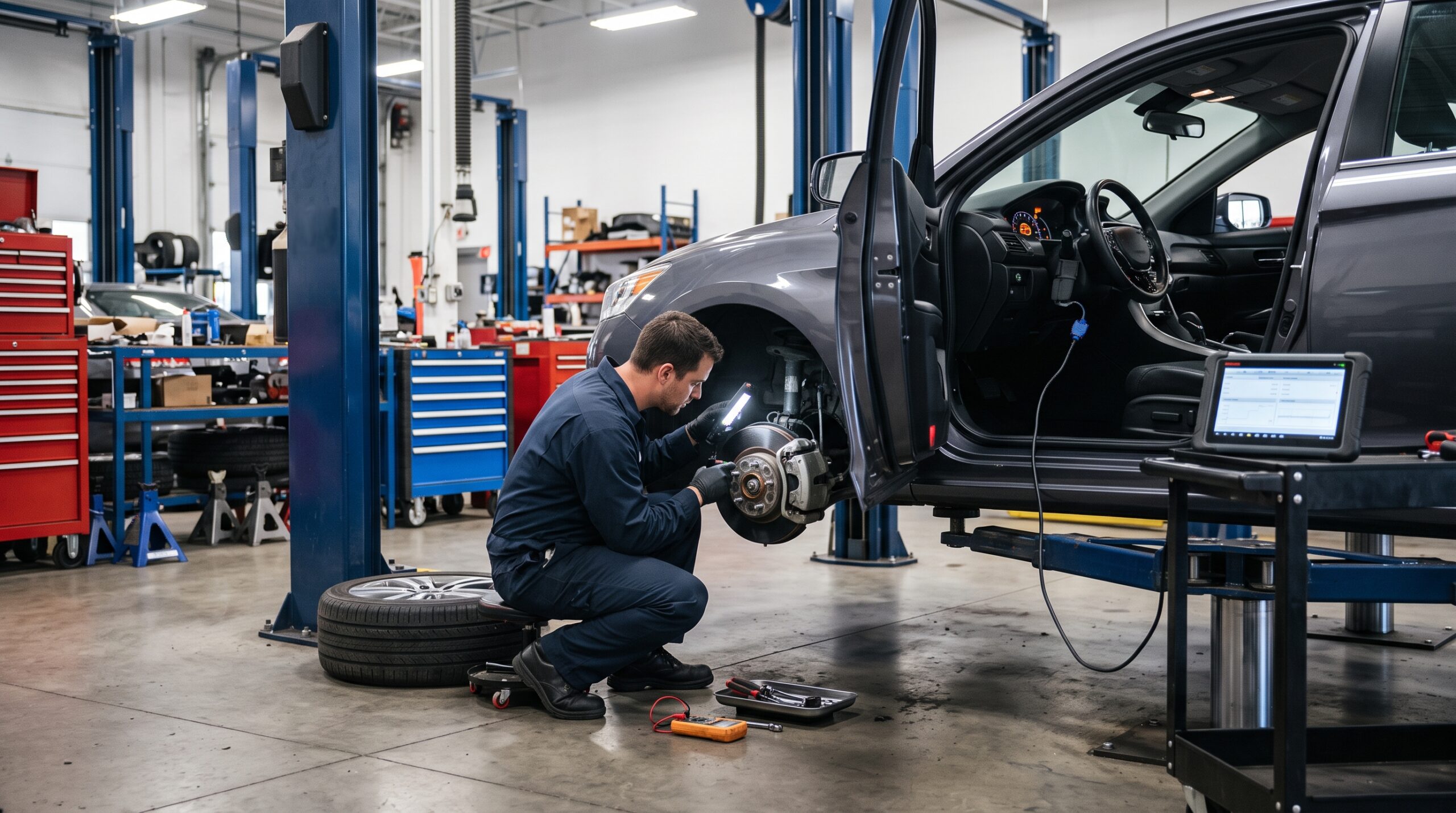
If the ABS warning light has come on then you’ll probably be wondering what you can do to fix your anti-lock brake system problems without necessarily having to replace the rather expensive parts. The good news is that some ABS faults are down to fairly simple things such as a dirty wheel speed sensor, damaged wiring, a blown fuse or low brake fluid.
However ABS is a very important safety system. You should never ignore a warning light, particularly if the brake pedal feels different or the red brake warning light is also on.
This is a is a gon how to go about fixing an ABS fault step by step. It covIt coversBS actthe uallactually y does, what causethe s the warning to come onlight to come on,the variouso inspect the various comthe ponents, how to rad the ABSit is actually the safer option to go to a professional for diagnosis safer option to go to a professional for diagnosis.
Before you get down to work on the vehicle, park it on a level surface, turn the engine off, set the parking brake, and use suitable wheel accessories if necessary. Work under a vehicle that is supported on a jack or stand. In any doubt as to the state of the brake system, have the vehicle checked by a qualified technician.
What is an Anti-lock Brake System?
The Anti-lock Braking System (commonly known as ABS) is an electronic safety system designed to help prevent the wheels locking up during hard braking.
When a wheel is about to lock, the ABS can very quickly modulate the brake pressure at that wheel, thus allowing the tyre to keep rotating rather than skid across the road.
Understanding the system makes it far easier to understand how you go about fixing anti-lock brake system problems when the warning light comes on.
How ABS Works
ABS uses a number of components.
Wheel speed sensors monitor the speed at which each wheel is rotating. The vehicle’s control unit looks at the wheel speed information to detect any oddities.
The ABS control module takes the sensor input and if it determines that a wheel is at risk of locking up during braking it can command the hydraulic unit to modify the brake pressure.
The HCU has valves which control the hydraulic pressure to each individual brake circuit.
The system may also incorporate an ABS pump. The pump will be used to rebuild the hydraulic pressure should it be necessary to do so after the pressure has been reduced.
The design varies from vehicle to vehicle. Some vehicles have a number of ABS components all integrated into a single assembly, others have the components separate.
Why ABS Is Important
ABS is primarily there to help keep the tyres rotating during hard braking.
This can provide several benefits:
- Helps reduce wheel lockup.
- Helps the driver to maintain steering control during emergency braking.
- Can help to maintain vehicle stability during hard braking.
- Allows the braking system to apply pressure very quickly.
ABS doesn’t remove all the risk of braking. Stopping performance is going to be affected by the tyres, the road conditions, the condition of the brakes, the speed of the vehicle and the driver’s input.
That’s why knowing how to fix anti-lock brake system problems is useful, but proper diagnosis is even more important.
Common Signs of an ABS Problem
An ABS fault doesn’t always present itself in the same way. The only sign may be the warning light, or the vehicle may simply exhibit some sort of change in its braking behaviour.
ABS Warning Light
The most prevalent one is an illuminated ABS warning light.
The light may come on when the engine starts and then go out after the system has completed its check. If it stays on whilst you’re driving then the system may have picked up a fault.
Don’t assume the sensor is at fault. A wiring issue, a bearing problem, a control module fault or indeed a number of other things could be the cause of the light coming on.
Brake Warning Light
A red brake warning light obviously needs to be looked at.
Depending on the vehicle, that light can mean low brake fluid, the parking brake still on or some other brake system problem.
If the ABS light and red brake warning light appear together, do not treat the situation as a minor electronic warning. Stop in a safe place and check the owner’s manual. If braking performance is affected, arrange professional inspection rather than continuing to drive. You may at times find the ABS kicking in when you’re braking gently or on a normal road. Unexpected ABS activation can occur as a result of a wheel speed sensor sending the wrong information. Faulty tone ring, wheel bearing, wiring or sensor can all be a contributory factor. A scan tool which can read live wheel speed data can be very useful in this scenario. A brake pedal that suddenly feels soft, sinks strangely, feels hard or behaves in some other odd way should not be ignored.s These symptoms can be due to causes entirely unrelated to the ABS itself (e.g. hydraulic problems, air in the system, worn parts, other brake faults).n If the braking performance has changed then don’t just go about fixing the anti-lock brake system electronics. The basic braking system itself must be checked as well. If the ABS warning light is on, the vehicle may still have the basic braking, but the ABS will not be available.thThe exact behaviour will vary depending on the vehicle and the fault.epends on the vehicle and the fault.
A warning light indicates the system requires diagnosis. It doesn’t tell you which component has failed.
Common Causes of ABS Problems
There are numerous potential causes of an ABS warning light. Some of them are relatively straightforward to diagnose; others are not.
Dirty or Damaged Wheel Speed Sensor
Wheel speed sensors are right up against the wheels and so are susceptible to dirt, road debris, moisture, corrosion and physical damage.
A sensor can also have a damaged connector or a mounting problem.
Before you replace the sensor, have a good look at it and check the manufacturer’s diagnostic procedure.
Damaged ABS Wiring
ABS sensors need an electrical connection to the control module in order to communicate with it.
Wires running near the wheels are susceptible to movement, water, road debris and corrosion. A damaged wire can result in an intermittent warning light.
Look for broken insulation, stretched wires, corrosion, loose connectors and signs of rubbing.
Low Brake Fluid
Low brake fluid will trigger a brake warning light on some vehicles.
It could also be a sign of worn brake parts or a leak. Simply top up the fluid without working out why the level is low isn’t a full repair.
Check the recommended fluid type in the owner’s manual.
Faulty ABS Fuse
An ABS-related fuse protects part of the electrical system.
A blown fuse will, of course, prevent the ABS from working. A fuse will typically blow for a reason, though.
If a replacement fuse blows again, then don’t keep fitting new fuses. There’s been an electrical fault, and that needs diagnosing.
Bad ABS Module
The ABS control module can fail (though you wouldn’t assume that’s the issue without proper testing).
Module faults can be more difficult to diagnose, as the symptoms can be identical to wiring, power supply, communication circuits, sensors, and all the other bits and pieces.
Worn Wheel Bearing
A worn wheel bearing can affect the wheel speed readings on some vehicles.
Some ABS systems use a magnetic encoder or a tone feature (associated with the wheel bearing or hub assembly).
If the bearing has too much play or the encoder is damaged, the ABS will get incorrect wheel speed information.
Problems With the ABS Tone Ring
The tone ring (or reluctor ring or encoder) provides the information that the wheel speed sensor uses.
Depending on the vehicle, it may be a separate component or integrated into a hub or bearing.
Rust, cracks, missing teeth, contamination, or physical damage can affect the signal.
This is another reason not to replace an ABS sensor simply because the ABS light is on.
How to Fix Anti-lock Brake System Problems
The correct repair depends on the diagnostic result. The following process starts with simple checks and moves toward more detailed diagnosis.
Step 1: Check the ABS Warning Light
Start by identifying which dashboard lights are illuminated.
Write down whether you see:
- ABS warning light
- Red brake warning light
- Traction-control light
- Stability-control light
- Check engine light
Then check the owner’s manual.
Different vehicles use different warning-light combinations. The manual can explain what each warning means and whether the vehicle should be driven.
This first step is important when learning how to fix anti-lock brake system problems because the warning lights provide useful clues.
Step 2: Check the Brake Fluid
Open the hood and locate the brake fluid reservoir.
The reservoir usually has MIN and MAX markings.
With the vehicle parked safely and the engine off, check whether the fluid is within the recommended range.
Do not use a random fluid. The reservoir cap or owner’s manual should specify the correct type.
Also look around the master cylinder, brake lines, calipers, and other visible areas for signs of leakage.
If the fluid is very low, do not simply refill it and forget about it. Have the brake system inspected to determine why the level dropped.
Knowing how to fix anti-lock brake system faults means checking the complete brake system, not only the electronic warning light.
Step 3: Inspect the ABS Fuse
Find the vehicle’s fuse box.
The owner’s manual should identify the ABS fuse and its location.
Remove the fuse only when the vehicle is safely switched off and follow the manufacturer’s instructions.
If the fuse is blown, replace it with the exact same type and rating.
Never install a larger fuse to prevent it from blowing. Doing so can create an electrical hazard and damage the vehicle.
If the replacement fuse fails again, stop replacing fuses and have the electrical circuit diagnosed.
Step 4: Inspect the Wheel Speed Sensors
Wheel speed sensors are usually located near the wheel hub or brake assembly.
You may need to turn the steering wheel or safely raise the vehicle to see the sensor and wiring.
Do not place any part of your body underneath a vehicle supported only by a jack.
Look for:
- Dirt or debris
- Broken sensor housing
- Loose connectors
- Damaged wires
- Corrosion
- Signs of rubbing
- Improperly routed wiring
If you see obvious physical damage, the component may need repair or replacement.
Step 5: Clean the ABS Sensor
If the sensor has surface contamination, careful cleaning may help in some cases.
Use the cleaning method recommended by the vehicle manufacturer. Avoid striking, scraping, or forcing the sensor.
Do not assume that cleaning will fix an electrical or internal sensor failure.
After cleaning, reconnect the sensor securely and make sure the wiring is correctly routed.
A clean sensor does not guarantee a good sensor signal. A scan tool may still be needed.
Step 6: Scan for ABS Trouble Codes
One of the most useful steps in anti-lock brake system diagnosis is reading the ABS trouble codes.
A basic OBD-II scanner may only read engine-related codes. You need a scan tool that can communicate with the vehicle’s ABS module.
Connect the scanner according to the manufacturer’s instructions and read the stored diagnostic trouble codes.
Do not replace a component solely because a code mentions a particular wheel.
For example, a code related to a left-front wheel-speed circuit may result from:
- A failed sensor
- Damaged wiring
- A poor connector
- A damaged tone ring
- A wheel bearing problem
- An ABS module issue
Use the manufacturer’s service information to determine the correct test procedure.
Step 7: Repair or Replace the Faulty Component
Once the cause is confirmed, repair the affected component.
Possible repairs include:
Sensor replacement: If testing confirms that the wheel speed sensor has failed, replace it with the correct part.
Wiring repair: Damaged wiring or connectors may require proper electrical repair.
Fuse replacement: Replace a blown fuse only after checking why it failed.
ABS module diagnosis: A suspected module problem may require advanced electrical testing, programming, or specialized repair.
After completing the repair, clear the appropriate diagnostic codes and perform the manufacturer’s required verification procedure.
The safest approach to fixing anti-lock brake system problems is to confirm the fault before buying replacement parts.
How to Reset the ABS Warning Light
Resetting the warning light is not the same as fixing the ABS problem.
Fix the Underlying Problem First
If the fault still exists, the warning light may return after being cleared.
For example, clearing a code without repairing a damaged sensor wire does not solve the underlying problem.
The first priority should always be identifying and correcting the cause.
Clear ABS Trouble Codes With a Scanner
If the repair has been completed, an ABS-capable scan tool may allow you to clear the stored fault code.
Follow the scan tool and vehicle manufacturer’s instructions.
Some vehicles may require additional procedures after certain ABS repairs.
Take a Test Drive and Check the Warning Light
After repair, start the vehicle and confirm that the warning lights behave normally.
If the manufacturer specifies a road test, follow its procedure in a safe area.
Do not deliberately perform hard braking tests on public roads.
If the warning light returns, scan the system again rather than repeatedly clearing the code.
A proper reset is an important part of how to fix anti-lock brake system problems, but the reset should come after repair.
How to Diagnose an ABS Sensor
A wheel speed sensor is a common suspect, but it should be tested before replacement.
Visual Inspection
Start with a close visual inspection.
Look at the sensor body, connector, mounting point, and wiring.
Check for dirt, physical damage, corrosion, loose connections, and wiring that has been rubbing against a moving component.
Check the Sensor Wiring
Follow the wiring from the sensor toward the vehicle body.
Look for:
- Cuts
- Broken insulation
- Loose clips
- Corroded connectors
- Stretched wires
- Damaged terminals
An intermittent connection can be difficult to find without electrical testing.
Compare Wheel Speed Data
An advanced scan tool can often display live wheel-speed information.
During appropriate testing, compare the readings from all four wheels.
If one wheel shows an inconsistent reading while the others behave normally, that wheel’s sensor, wiring, bearing, or tone ring may need further testing.
The scan data is a clue, not automatically a final diagnosis.
When Sensor Replacement Is Necessary
Replace the sensor when testing confirms that the sensor itself has failed or when manufacturer testing identifies it as defective.
Use a compatible quality replacement part.
After installation, make sure the sensor is seated correctly, and the wiring is routed as specified.
If you are learning how to fix anti-lock brake system problems at home, sensor replacement is one repair that may be practical for an experienced DIY mechanic, but only if the vehicle can be safely supported and the correct procedure is known.
Can You Drive With the ABS Light On?
Whether you can drive depends on which warning lights are active and how the brakes feel.
What Happens When ABS Stops Working?
If the ABS system develops a fault, conventional braking may still operate on many vehicles.
However, the anti-lock function may not be available.
That means the vehicle may not provide the same assistance during hard braking or low-traction situations.
The exact result depends on the vehicle and the specific fault.
When You Should Stop Driving
Do not continue driving if:
- The brake pedal suddenly feels soft or sinks.
- The brakes do not stop the vehicle normally.
- The red brake warning light stays on.
- There is a suspected brake-fluid leak.
- You hear severe or unusual brake noises.
- The vehicle pulls strongly while braking.
- You smell overheated brakes.
- You are unsure whether the brakes are safe.
If braking performance is compromised, arrange professional assistance or towing.
Why Normal Brakes May Still Work
ABS is an additional control system built around the basic hydraulic braking system.
Therefore, an ABS warning does not necessarily mean the regular brakes have completely failed.
But this should never be used as a reason to ignore the warning.
The safest approach to fixing anti-lock brake system issues is to determine whether the fault affects only ABS or also the basic braking system.
Common ABS Repair Mistakes to Avoid
Many unnecessary repairs happen because the warning light is treated as a diagnosis instead of a symptom.
Replacing Parts Without Scanning for Codes
Do not immediately buy an ABS sensor because the ABS light is on.
A scan can provide valuable information before you spend money on parts.
Ignoring Damaged Wiring
A new sensor will not solve a broken wire.
Always inspect the connector and wiring around the affected wheel.
Using the Wrong Fuse
Never replace an ABS fuse with a fuse that has a higher rating.
Use only the specified type and rating.
Ignoring Low Brake Fluid
Low fluid can indicate a problem that needs attention.
Do not treat topping up the reservoir as the complete repair.
Assuming Every ABS Light Means a Bad Sensor
Sensors are common failure points, but they are not the only possibility.
Wheel bearings, tone rings, wiring, fuses, modules, power supplies, and other components can also cause ABS faults.
Continuing to Drive When Braking Performance Is Affected
A warning light alone is one situation. A warning light combined with changed braking performance is much more serious.
When braking feels abnormal, safety should come before DIY troubleshooting.
When to Get Professional ABS Repair
Some ABS faults are easy to inspect. Others require advanced diagnostic equipment.
ABS and Brake Warning Lights Are Both On
If both the ABS and red brake warning lights are illuminated, have the vehicle checked promptly.
The combination can indicate a more significant braking-system problem.
Brake Performance Has Changed
A soft, hard, sinking, or unusually responsive brake pedal should be professionally inspected.
Do not assume the problem is only an ABS sensor.
ABS Module May Be Faulty
ABS module diagnosis can involve electrical testing, communication checks, scan-tool data, and manufacturer-specific procedures.
Some repairs may also require programming.
You Cannot Identify the Cause.
If you have checked the basic items and still cannot determine the cause, professional diagnosis can save time and prevent unnecessary parts replacement.
A qualified technician can use factory-level or advanced scan equipment and follow the manufacturer’s service information.
Knowing how to fix anti-lock brake system faults does not mean every repair should be done at home. Good diagnosis also means knowing when to stop and get expert help.
Frequently Asked Questions
How do I fix my anti-lock brake system?
The best way to fix an ABS problem is to diagnose the cause first. Check the warning lights, brake fluid, ABS fuse, wheel speed sensors, wiring, and connectors. Then use an ABS-capable scan tool to read diagnostic trouble codes.
A code can point toward a circuit or wheel, but it does not always identify the failed part. Follow the vehicle manufacturer’s testing procedure before replacing components.
For how to fix anti-lock brake system problems, the general process is to inspect, scan, test, repair, clear the code, and verify the repair.
Can I fix an ABS sensor myself?
In some vehicles, an experienced DIY mechanic can replace an ABS sensor.
The job may involve removing a wheel, accessing the sensor, removing a retaining bolt, installing the new sensor, and routing the wiring correctly.
However, vehicle designs vary. Some sensors are difficult to access, and some ABS faults are not caused by the sensor itself.
If you are not comfortable safely lifting and supporting the vehicle or diagnosing electrical faults, professional repair is a better option.
Why is my ABS light on but my brakes work?
The ABS light can remain on even when the normal braking system still works.
Possible causes include a wheel speed sensor fault, damaged wiring, a tone-ring problem, wheel bearing issues, an ABS module fault, or another electronic problem.
When the ABS light is on, the vehicle may still have conventional braking but may not have working anti-lock protection.
This is why fixing anti-lock brake system problems requires diagnosis rather than simply replacing parts.
How do I reset my ABS warning light?
The proper method is to repair the underlying problem first.
After the repair, an ABS-capable diagnostic scanner may be able to clear the stored trouble code.
Some vehicles may turn the light off automatically after the fault is repaired and the vehicle completes its system checks.
If the light returns, the fault may still be present. Scan the system again instead of repeatedly clearing the warning.
How much does it cost to fix an ABS system?
ABS repair costs vary widely.
A simple issue such as a fuse or damaged connector may cost much less than an ABS module or hub-and-bearing assembly.
The final cost depends on:
- Vehicle make and model.
- Failed component
- Parts price
- Labor rate
- Diagnostic time
- Whether programming is required
Getting a proper diagnosis before replacing parts can help prevent unnecessary expenses.
Can low brake fluid cause the ABS light to come on?
Low brake fluid can trigger a brake warning light and, depending on the vehicle, may also be associated with ABS or stability-control warnings.
Low fluid should never be ignored.
Check the fluid level according to the owner’s manual and look for signs of leakage or worn brake components.
If the level is significantly low, have the brake system inspected before driving.
Can a bad wheel bearing cause an ABS light?
Yes, on some vehicles, a wheel bearing or hub assembly can affect the wheel-speed signal.
Certain wheel bearings contain magnetic encoder rings used by the ABS sensor.
Excessive bearing play or encoder damage can produce an incorrect wheel-speed signal.
This is one reason a proper diagnosis is important before replacing a sensor.
Will disconnecting the battery reset the ABS light?
Disconnecting the battery is not a reliable way to repair an ABS fault.
Modern vehicles store diagnostic information in electronic control modules, and some warning lights may return after the system detects the problem again.
Disconnecting the battery can also reset other vehicle settings.
Use the manufacturer’s recommended diagnostic and reset procedure instead.
Can I drive if only the ABS light is on?
If only the ABS light is illuminated and the vehicle has normal braking, the basic brakes may still operate.
However, the ABS function may be unavailable.
Drive cautiously only when the vehicle manufacturer’s guidance indicates it is safe, and arrange diagnosis as soon as possible.
If the red brake warning light is also on or braking feels abnormal, stop driving and seek professional assistance.
What if the ABS light comes on and then goes away?
An intermittent ABS light can indicate a problem that occurs only under certain conditions.
Possible causes include a loose connector, damaged wiring, sensor signal problems, wheel bearing movement, or another intermittent electrical fault.
A stored trouble code may remain even after the light turns off.
A diagnostic scan can help identify the cause.
How long does ABS repair take?
The repair time depends on the cause.
A simple sensor replacement may be relatively quick, while diagnosing wiring, wheel-bearing, or ABS-module problems can take much longer.
Do not judge the repair by the warning light alone. Accurate diagnosis is more important than replacing a part quickly.
Conclusion
Learning how to fix anti-lock brake system problems starts with understanding that an ABS warning light can mean many things. Start with the warning lights and the owner’s manual. Check the brake fluid and the ABS fuse. Have a look at the wheel speed sensors, the wiring, the connectors and any other visible bits. Then use an ABS capable scanner to read the trouble codes and follow the manufacturer’s diagnostic procedure.and follow the manufacturer’s diagnostic procedure.
Do not assume every ABS warning means a failed sensor. A damaged wire, wheel bearing, tone ring, fuse, low brake fIf you’ve fixed the confirmed fault, clear the ABS code using the correct procedure and check that the warning doesn’t come back.cedure and verify that the warning does not return.
Most importantly, do not take risks with the braking system. If the brake pedal feels abnormal, the red brake warning light is on, fluid is leaking, or you cannot confidently identify the problIn short the best way to fix an ABS is to diagnose the actual fault, fix the faulty component properly and then verify the system.mponent correctly, and verify the system afterward.
Related Posts
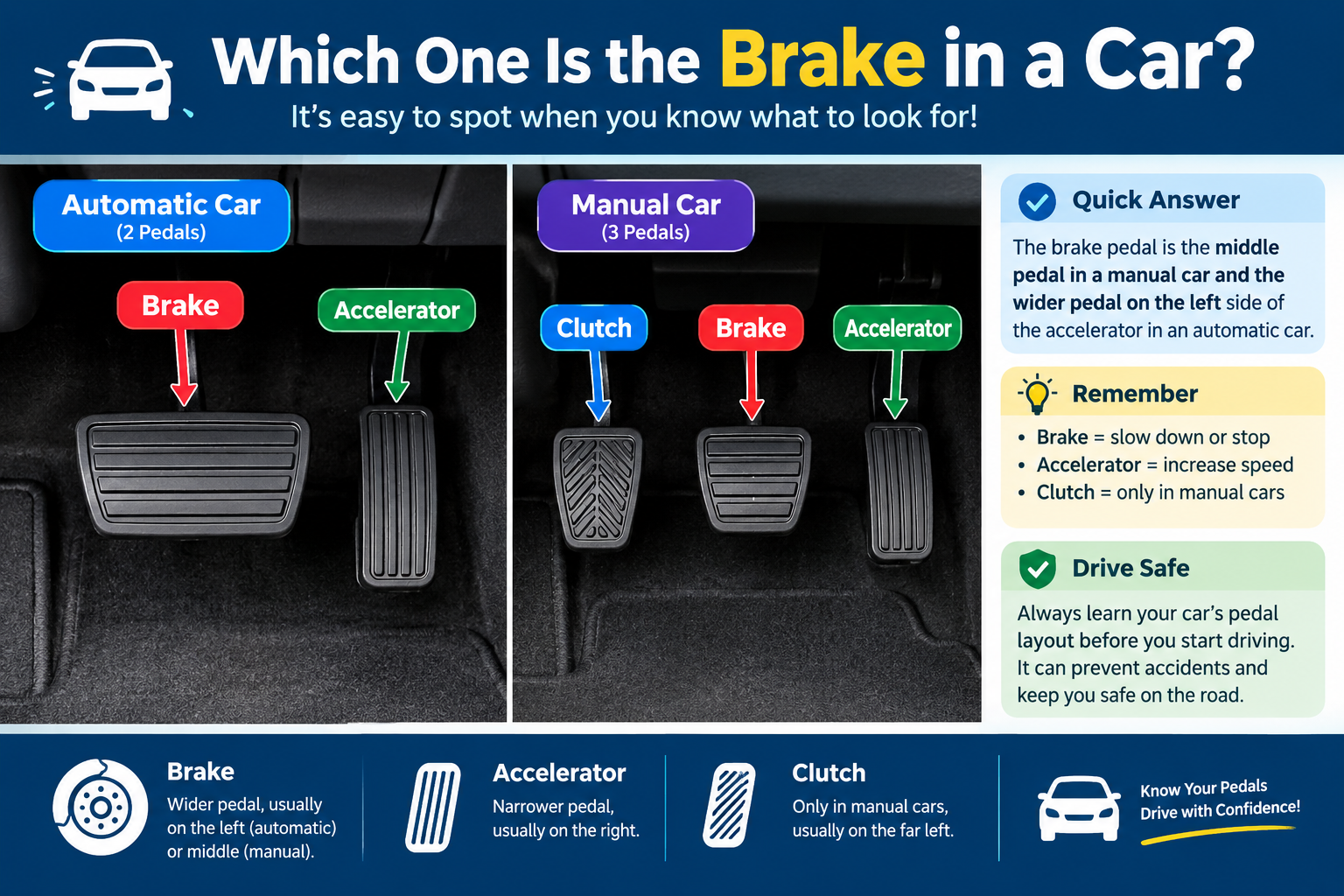
Which One Is the Brake in a Car? Easy Guide for Drivers

If you are a new driver, one of the first things you need to learn is how to identify the brake pedal. The brake is one of the most imp...
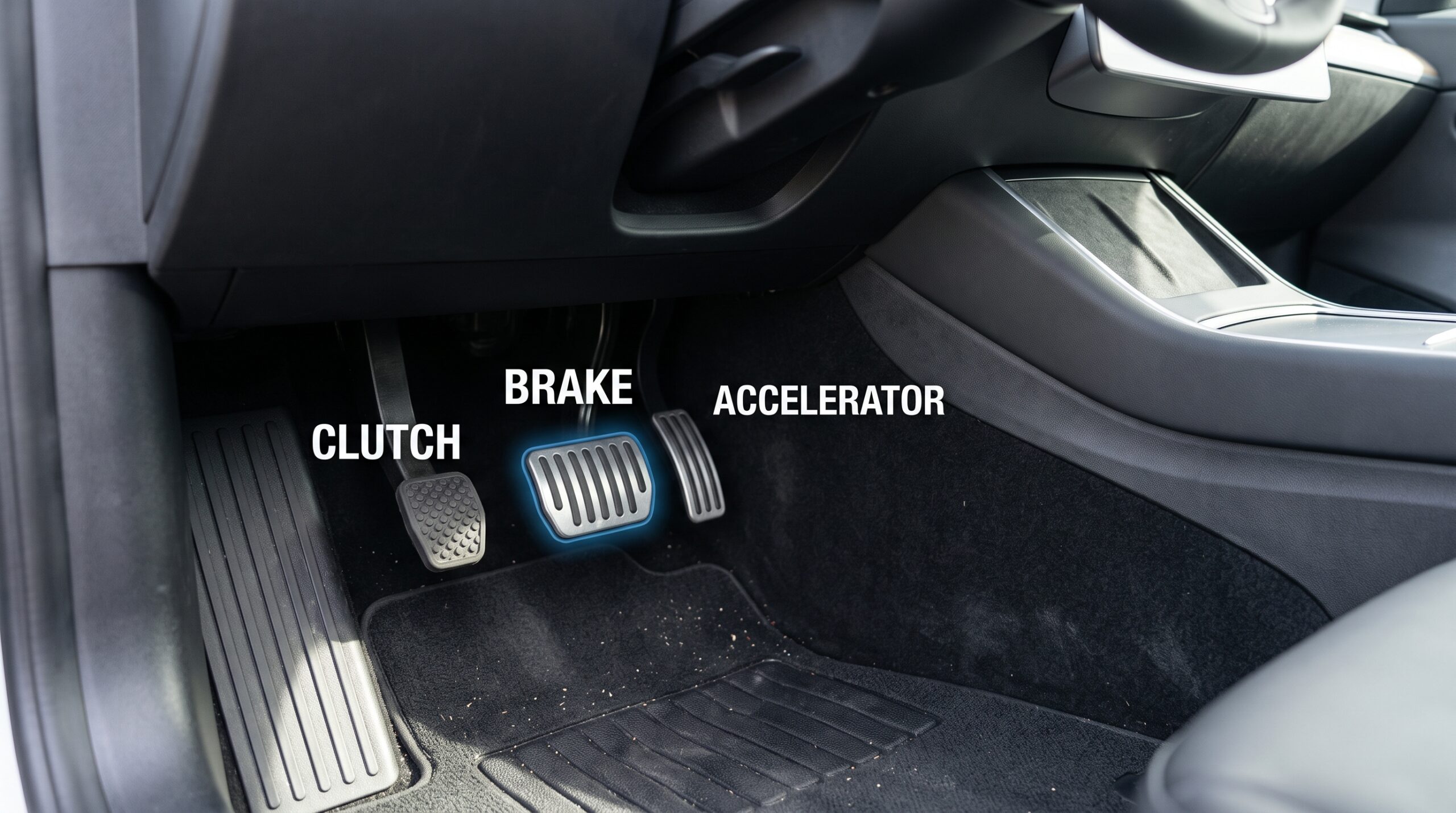
Which One Is the Brake in a Car? Easy Guide for Drivers
If you are learning to drive, one of the first things you need to understand is the pedal layout. Many new drivers ask, which ones the ...
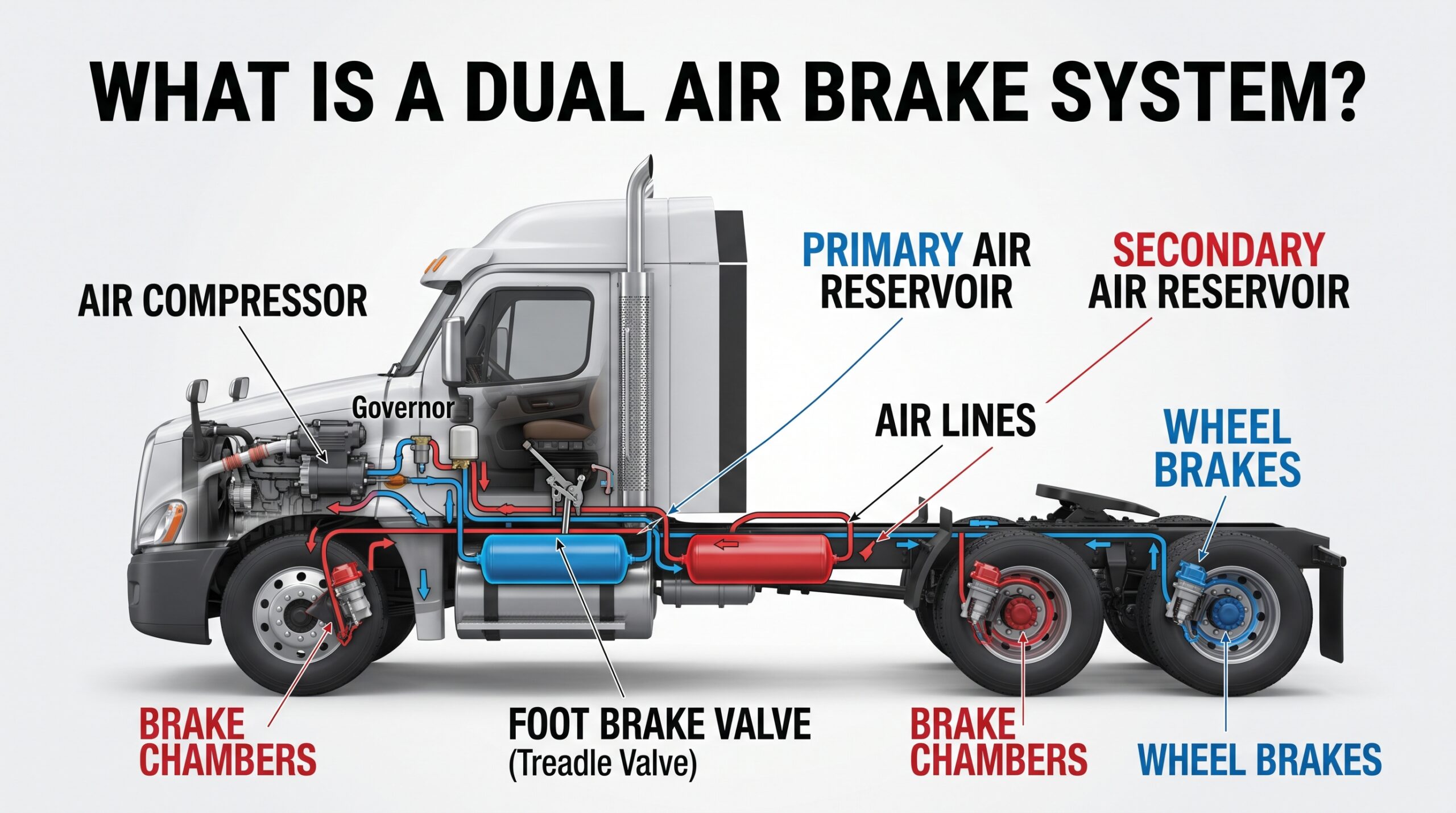
What Is a Dual Air Brake System? A Simple Guide
If you drive or work around trucks, buses, or other heavy commercial vehicles, you may have heard the term dual air brake system. But w...
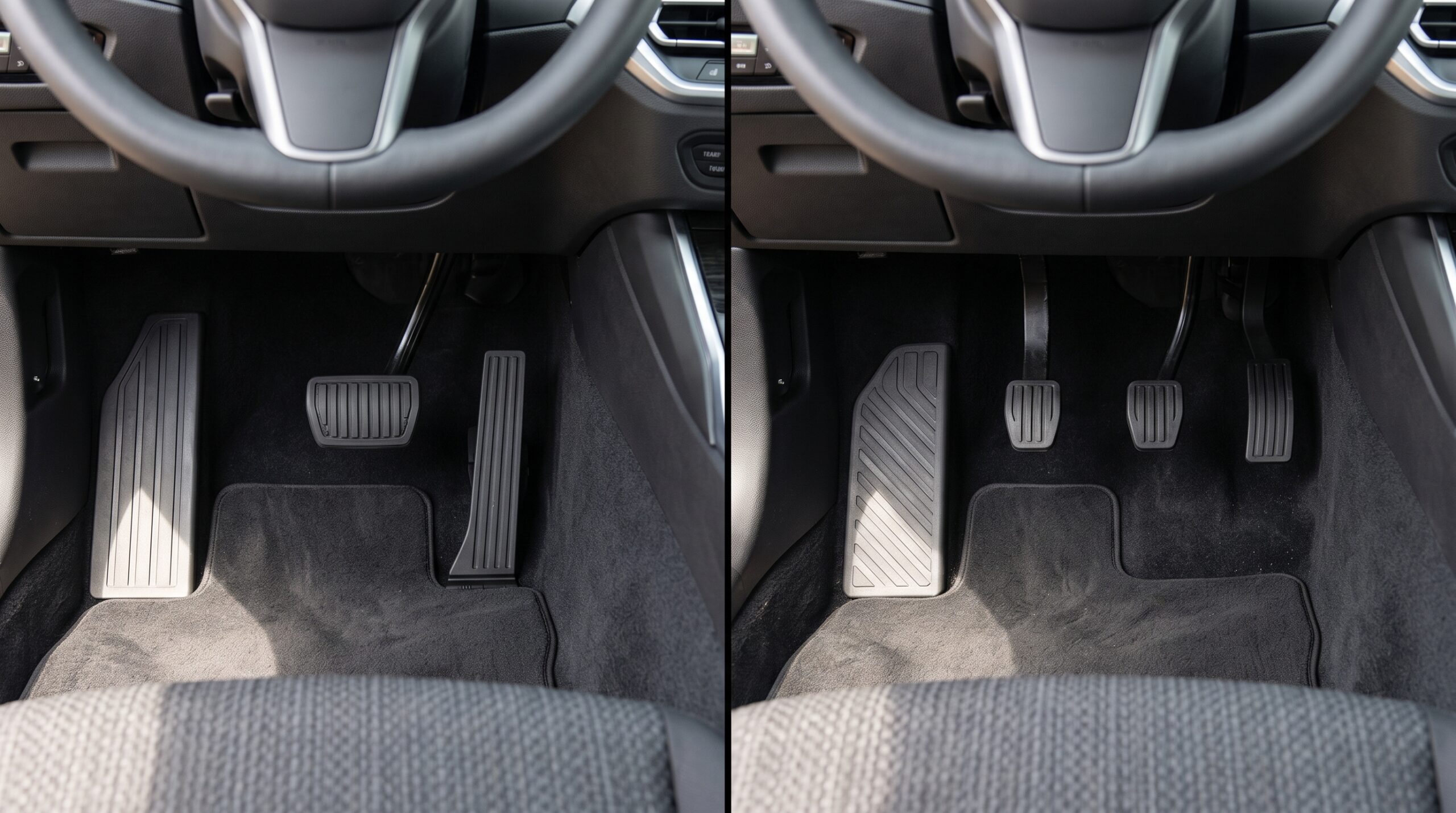
What Side Is the Brake On in a Car? Easy Driver Guide
If you are learning to drive, one of the first things you need to know is what side is the brake on in a car. In most cars, the brake p...
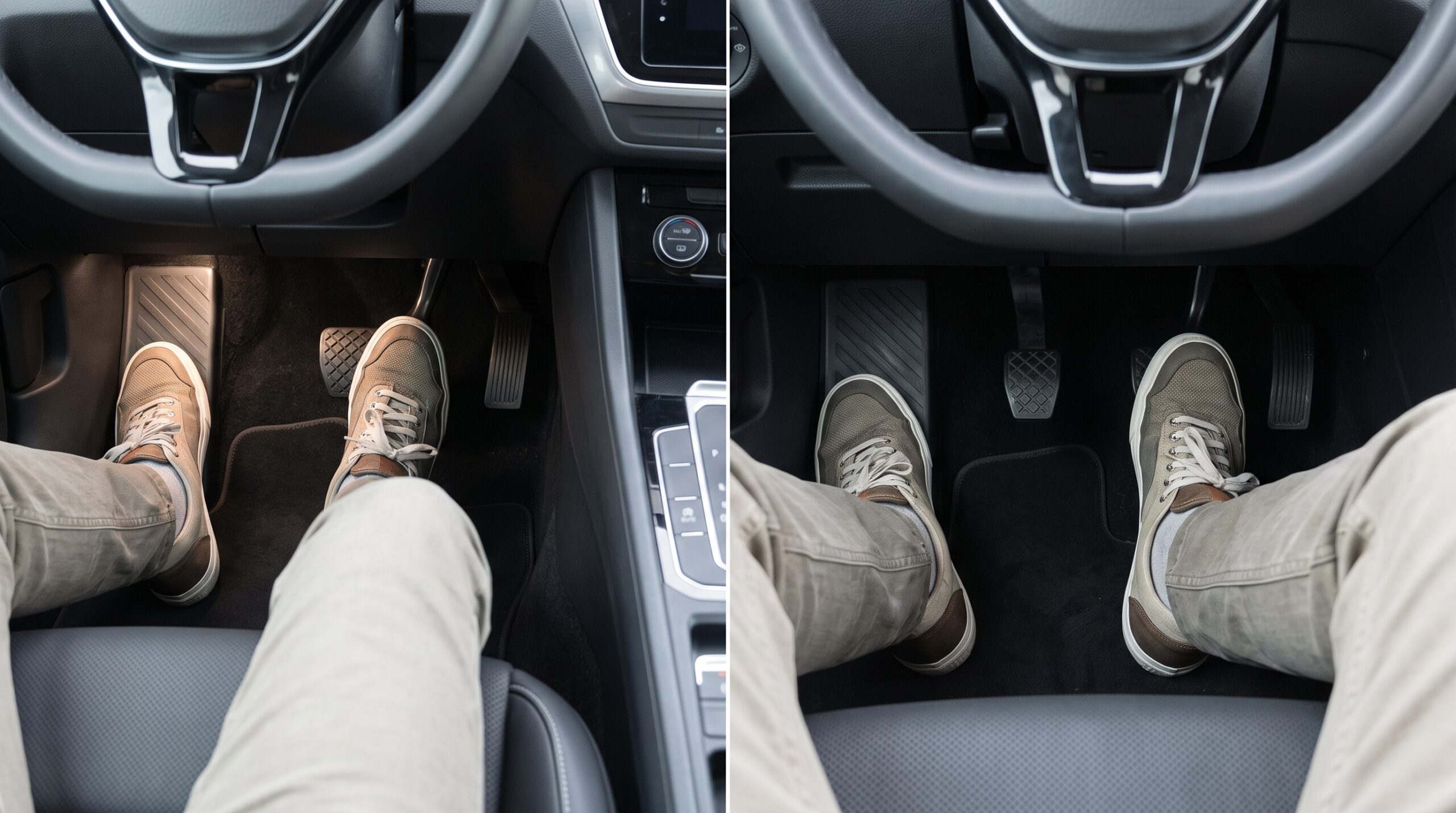
Which Pedal Is the Brake in a Car? Easy Guide for Drivers
If you are a new driver, learning the pedals can feel confusing at first. The good news is that the layout is simple once you know what...
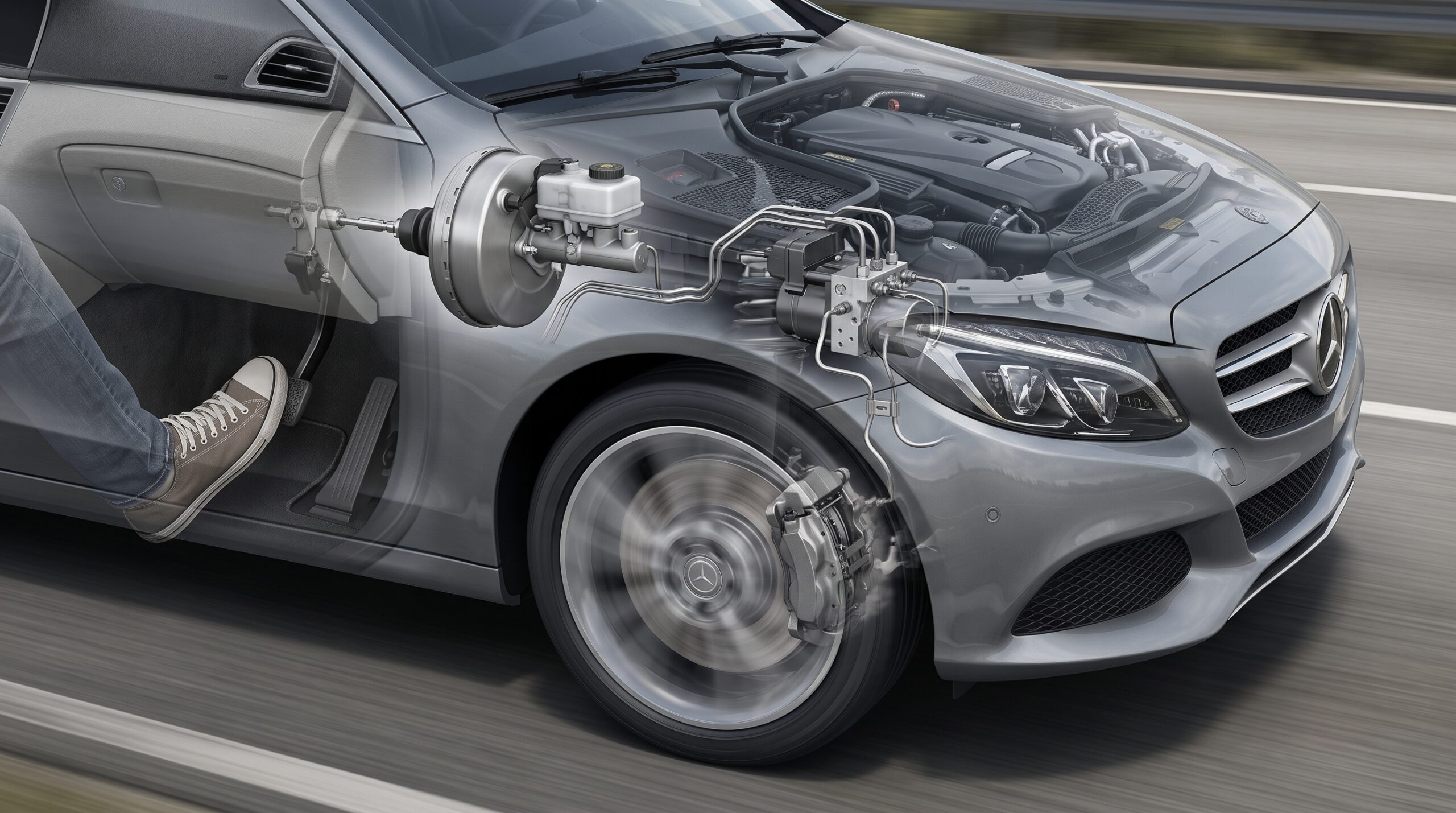
What Is a Brake Assist System? A Simple Guide for Drivers
If you've ever wondered what a brake assist system is, it's a safety feature in the car which will help the driver to apply suffic...
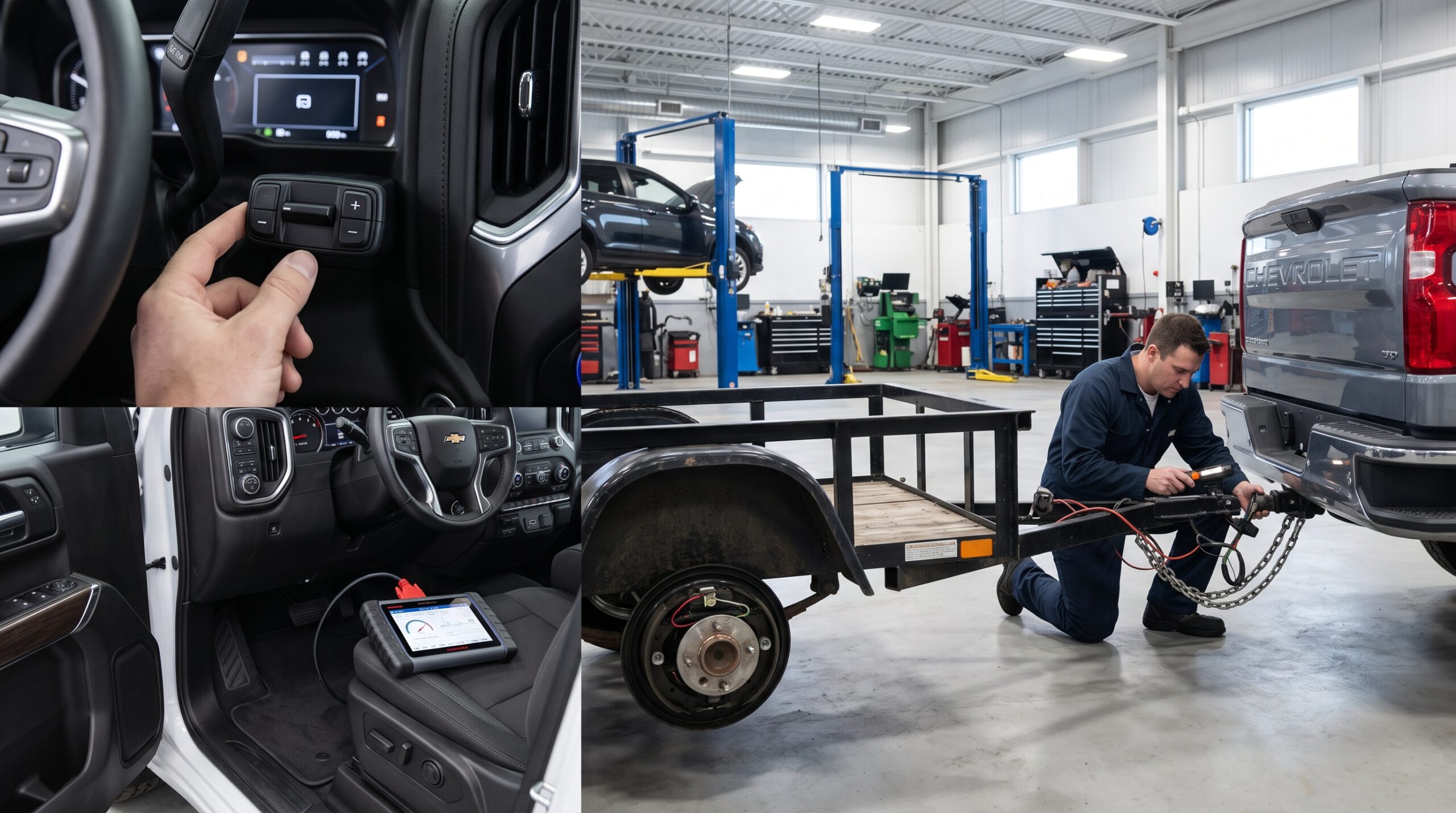
How to Reset Service Trailer Brake System: Easy Guide
If your vehicle has a 'Service Trailer Brake System' warning, then absolutely do not ignore it. That message is almost always the ...
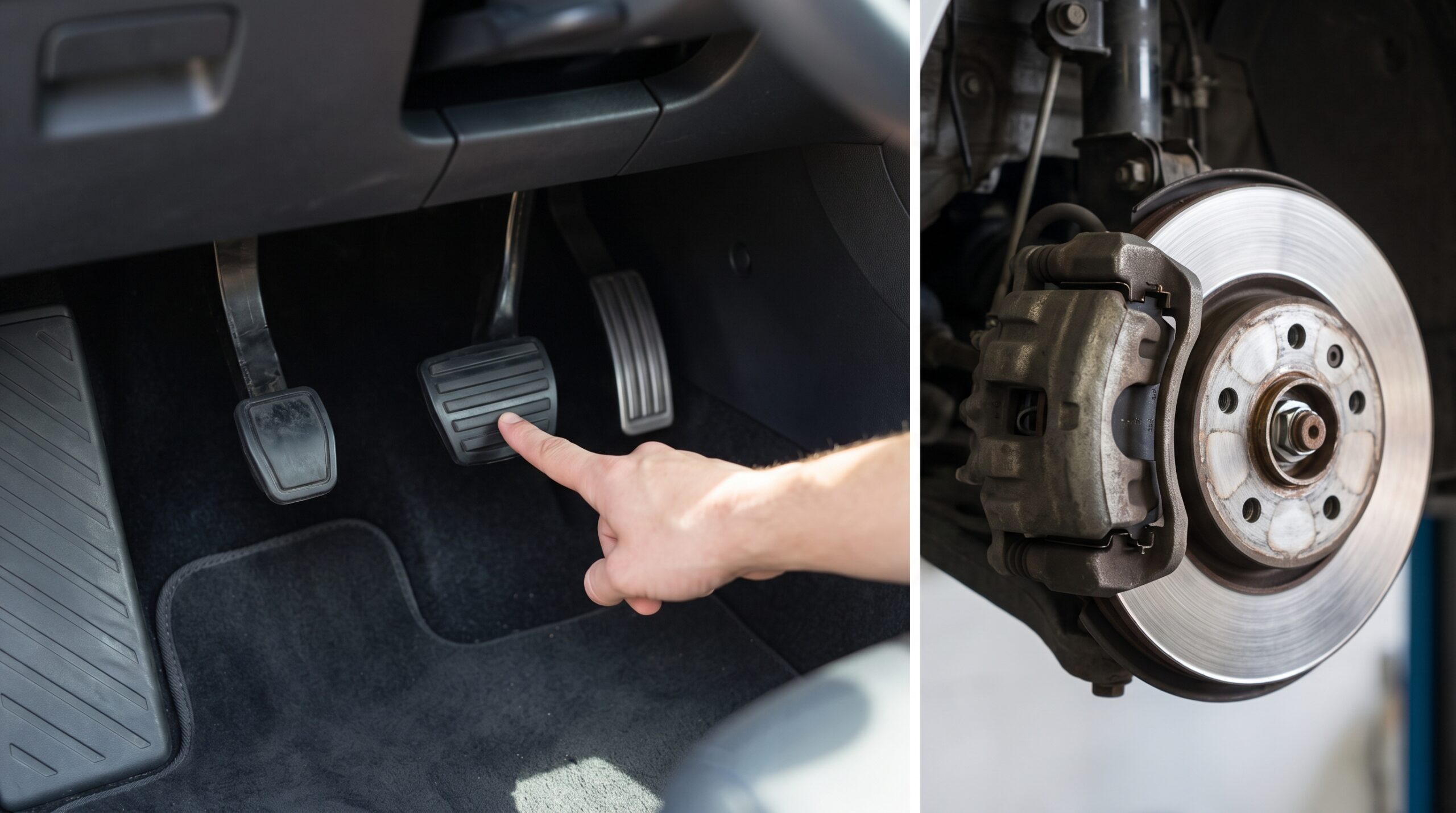
Which Is the Brake in a Car? A Simple Guide for Beginners
If you're a new driver, one of the first things you need to learn is what the brake is in a car. The brake system br...
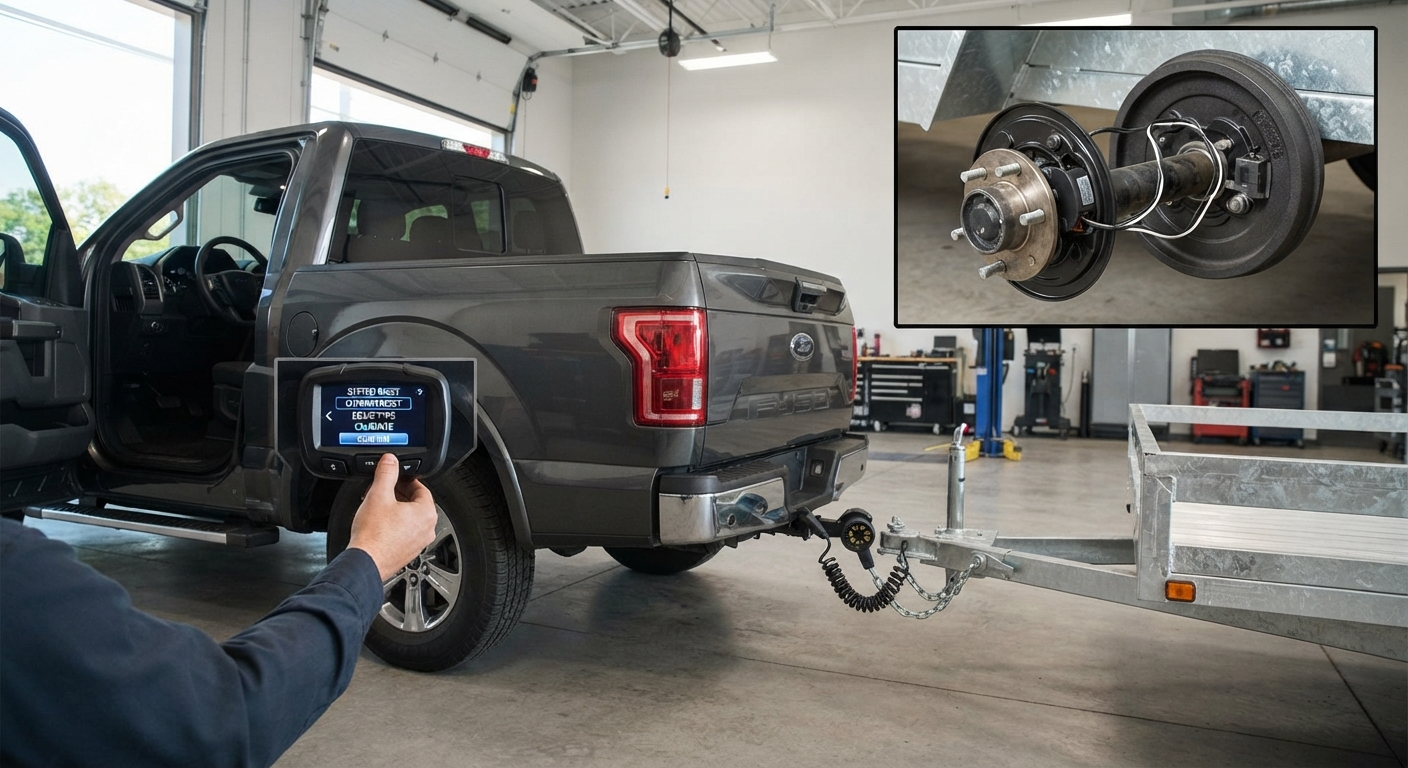
How to Reset Trailer Brake System: A Simple Guide
If your trailer brake controller is showing an error, the brakes feel weak or the trailer brakes just stop working altogether then...
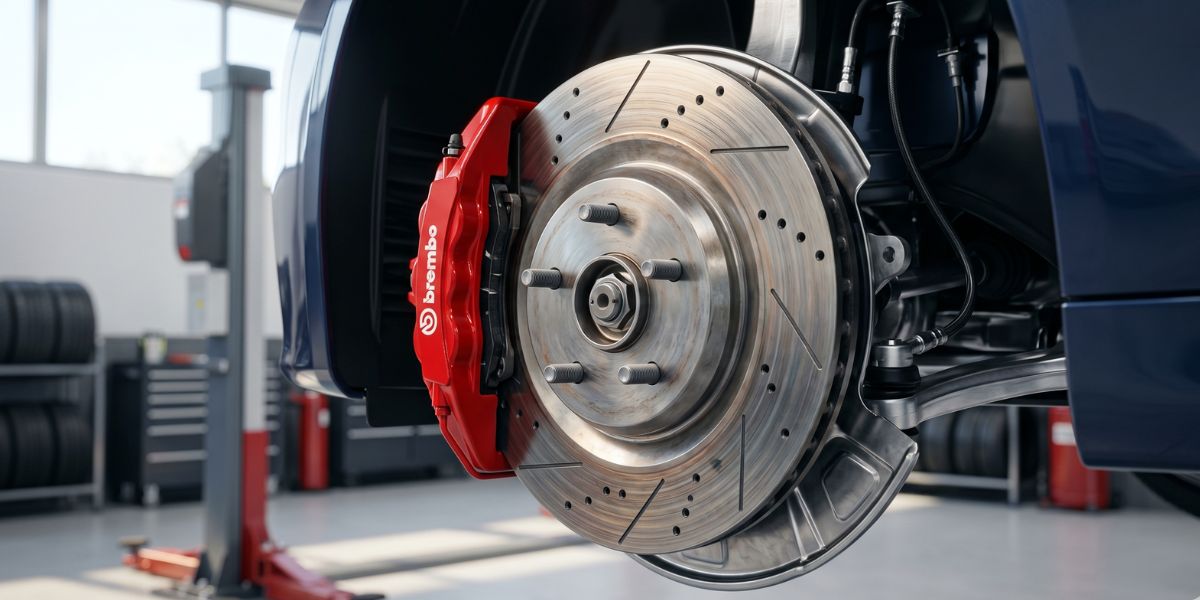
What Does the Brake Look Like in a Car? A Simple Guide to Brake Parts and How to Identify Them
If you have ever looked at your car and wondered, what does the brake look like in a car, you are not alone. A lot of people use the br...
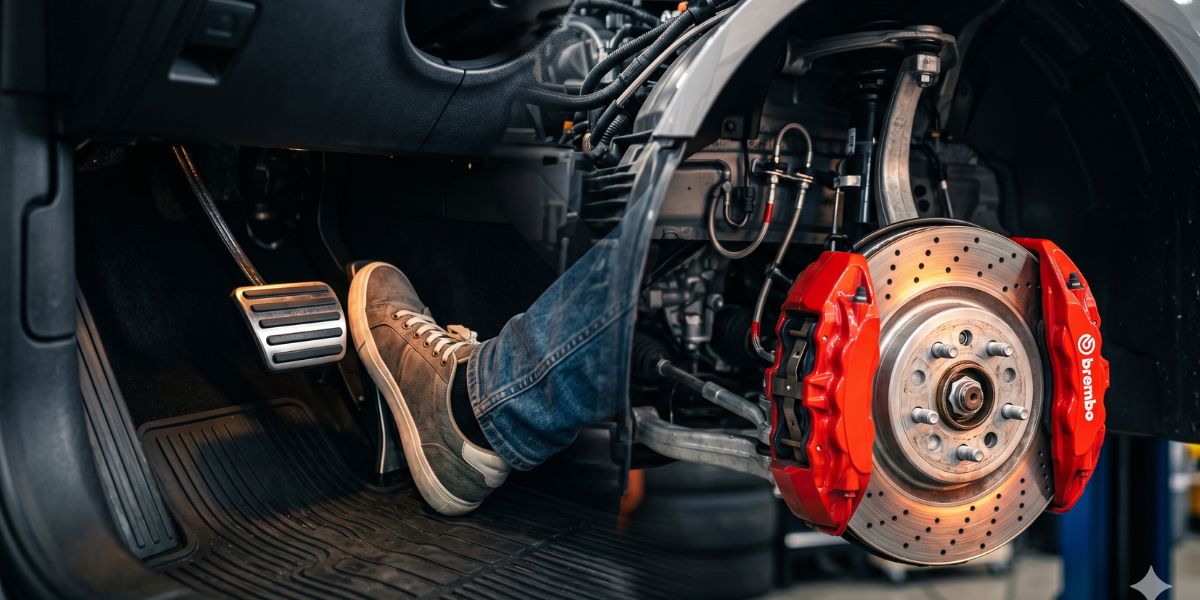
Where Are Brakes on a Car Located? Everything Drivers Should Know
If you have ever asked, where are brakes on a car, you are not alone. Many new drivers, car owners, and even people learning basic vehi...
How a Brake Servo Works: A Simple Guide to Vacuum Brake Assistance
If you have ever wondered how a brake servo works, you are not alone. It is one of those car parts many drivers have heard of, but few ...
One thought on “How to Fix Anti Lock Brake System: Easy DIY Guide”