Our Blogs
Which Is the Brake in a Car? A Simple Guide for Beginners

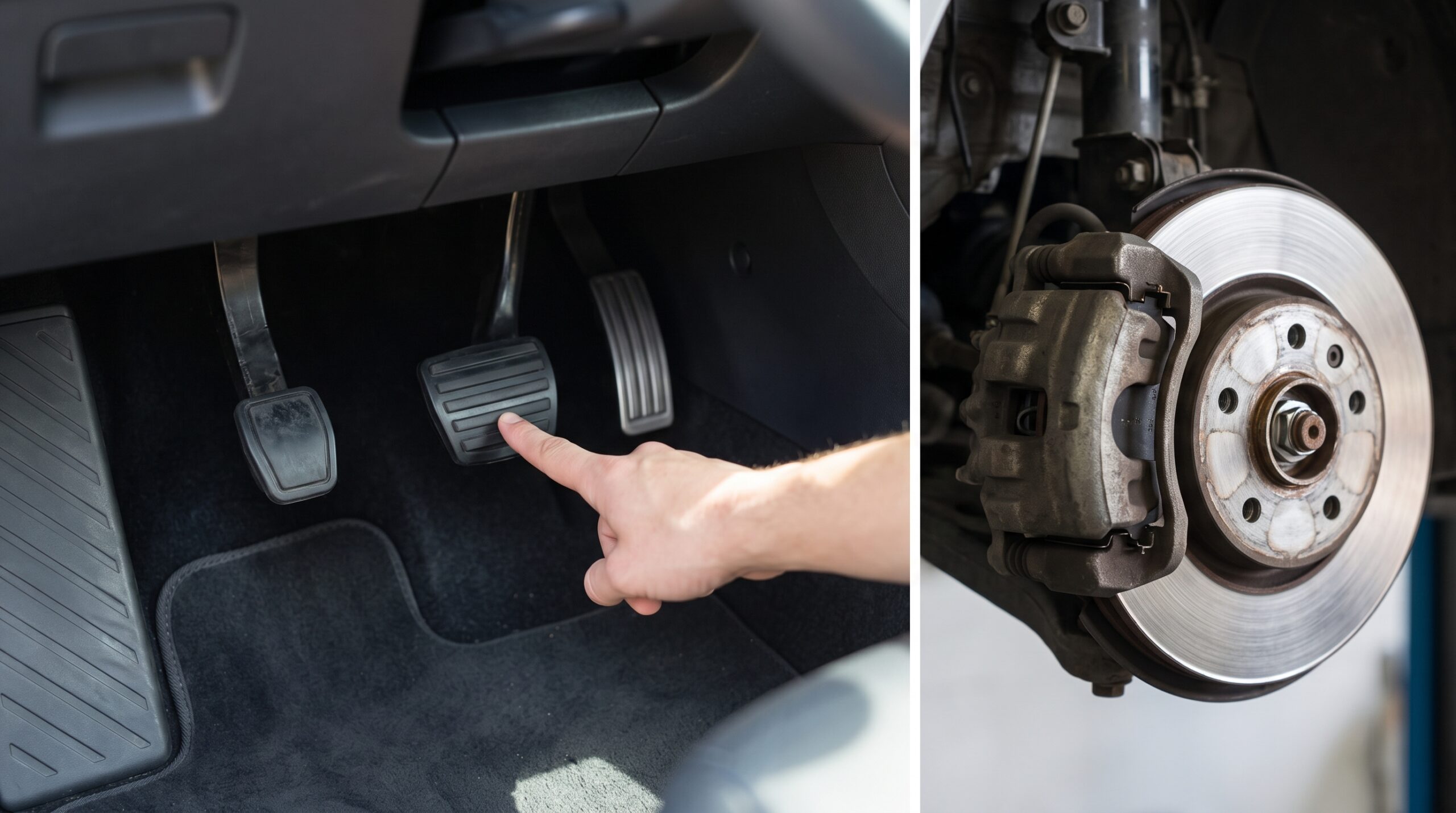
If you are a new driver, one of the first things you need to learn is which is the brake in a car. The brake is the system that slows down or stops your vehicle. For most cars, the brake pedal is the wider pedal located to the left of the accelerator pedal.
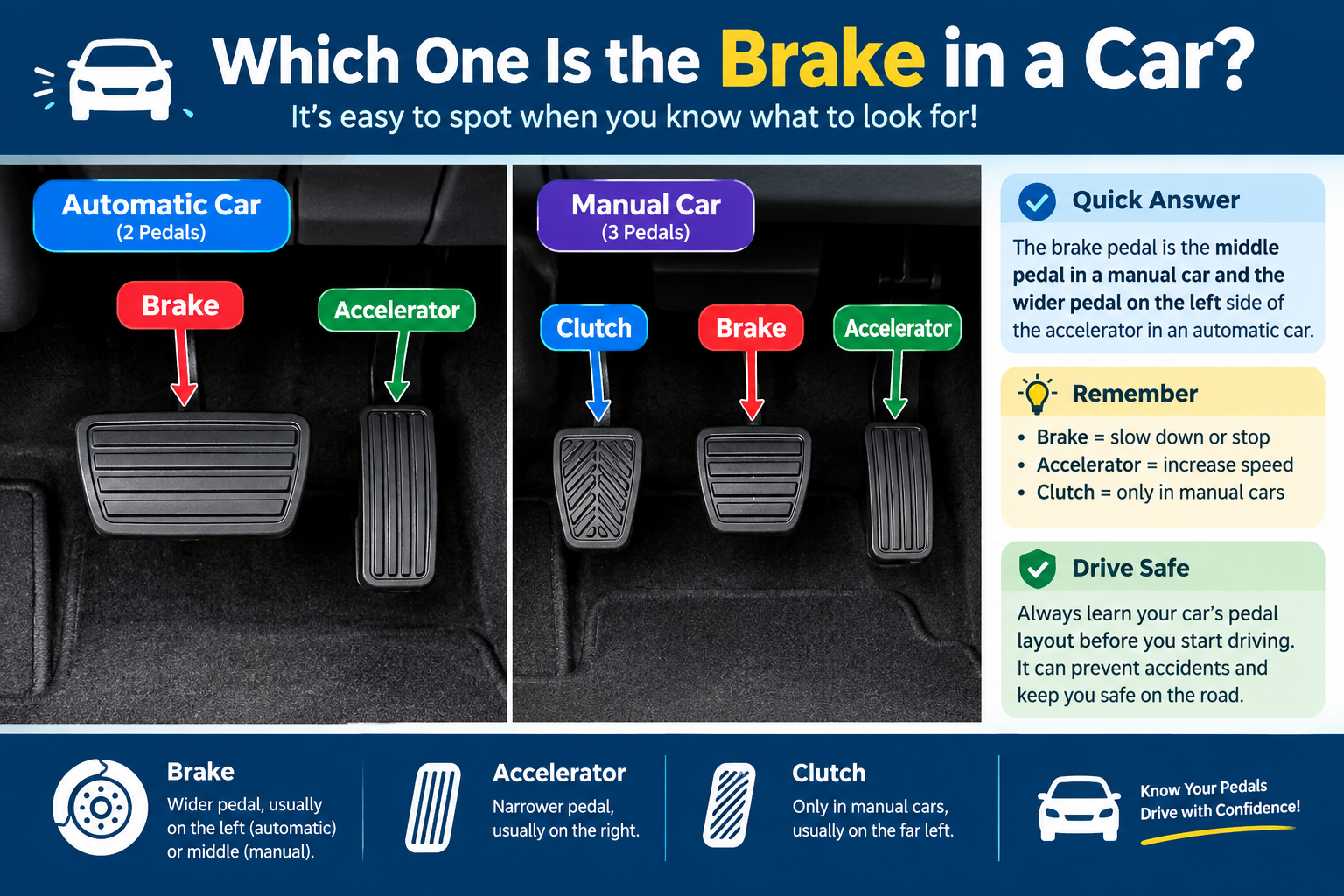
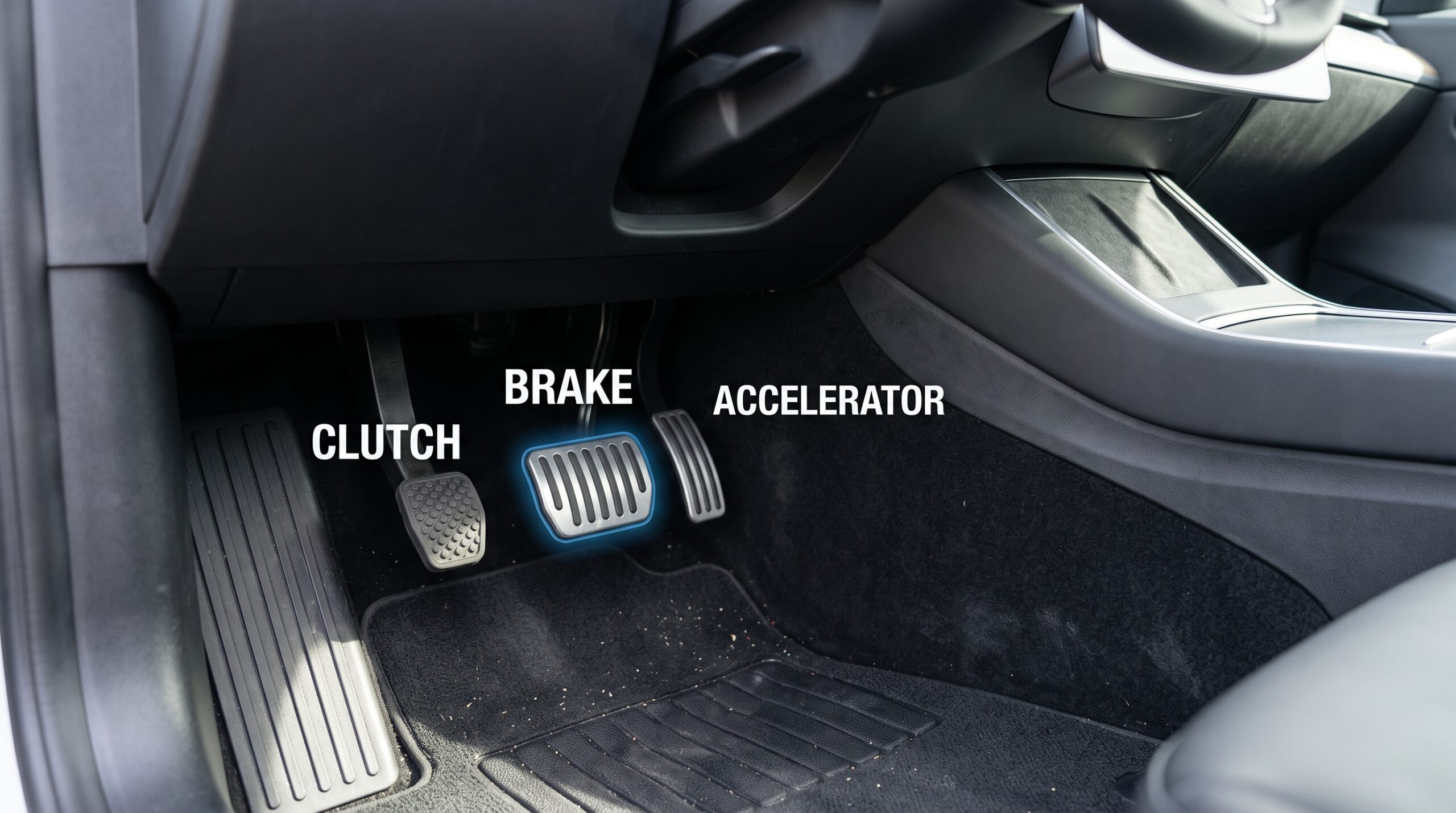
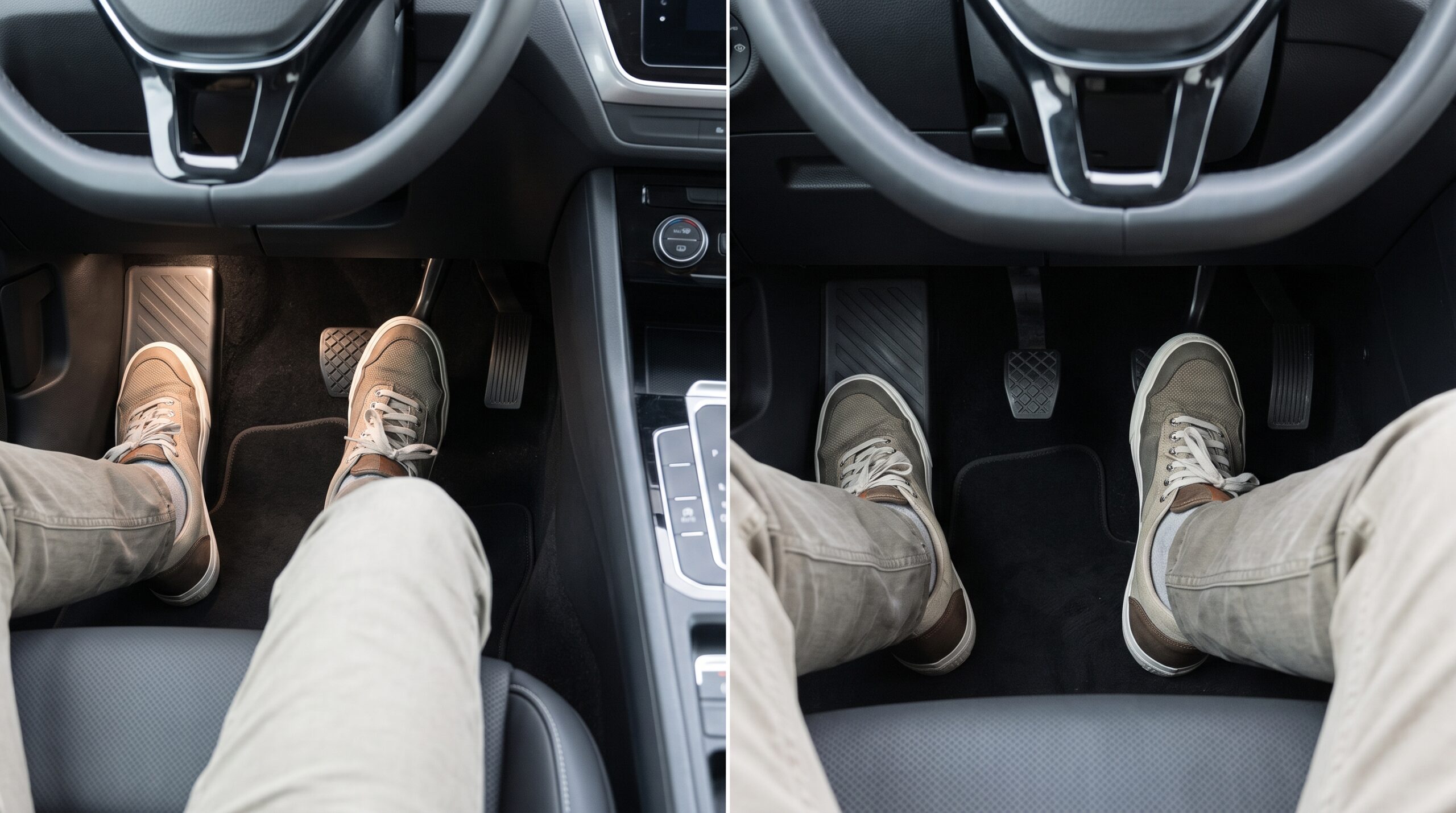
In an automatic car, you normally have two pedals: the brake pedal and the accelerator pedal. The brake is usually on the left, while the accelerator is on the right. In a manual car, there are three pedals: clutch on the left, brake in the middle, and accelerator on the right.
Knowing which is the brake in a car is important before you drive. Pressing the wrong pedal can cause sudden acceleration instead of slowing down. This is why beginners should become familiar with the pedal layout before moving the vehicle.
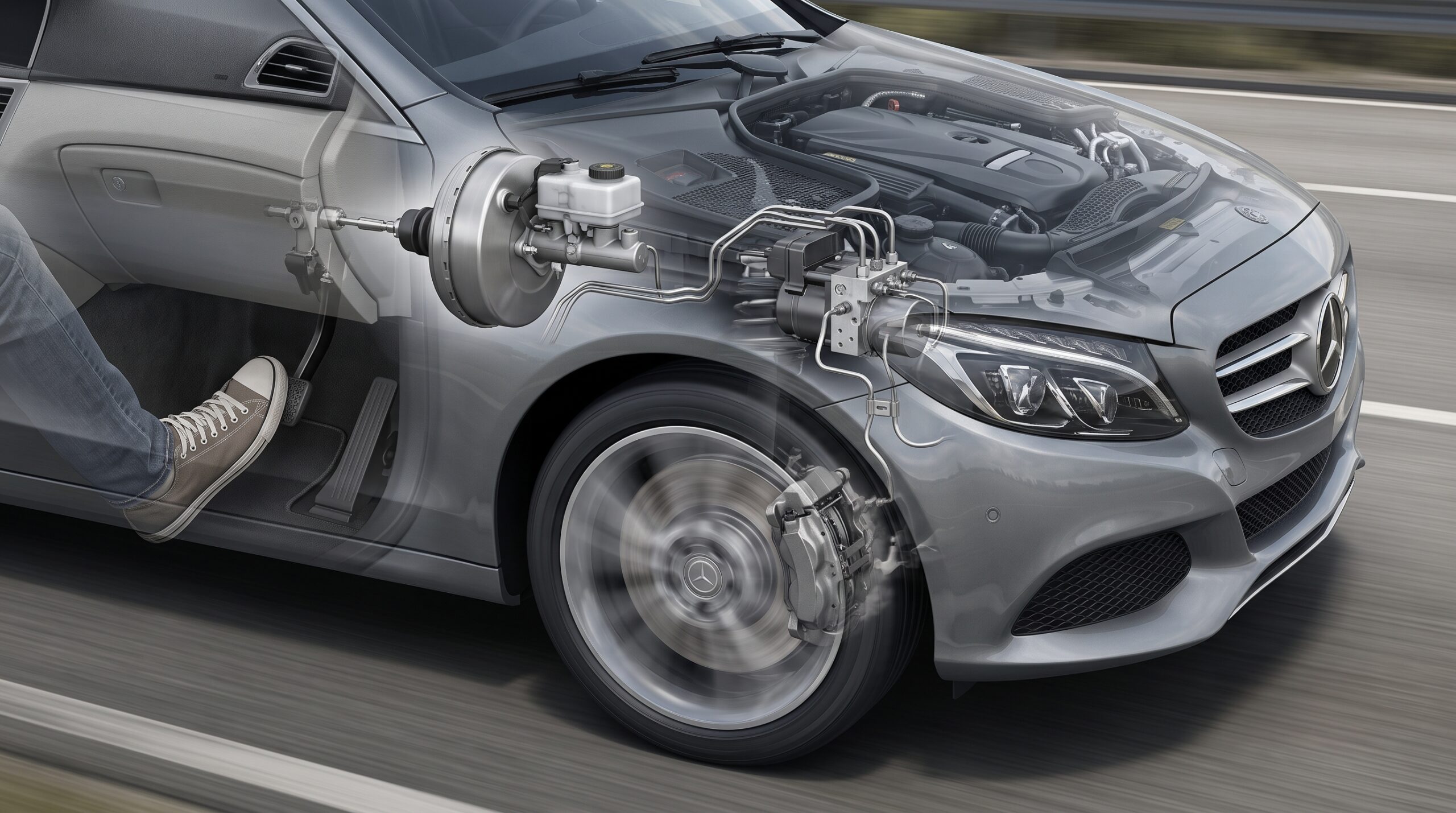
The braking system has several parts that work together. These include the brake pedal, master cylinder, brake fluid, brake lines, brake pads, brake rotors or drums, calipers, and anti-lock braking system (ABS) components.
This guide explains which is the brake in a car, where it is located, how it works, and how to use it correctly.
Which Is the Brake in a Car?
The brake pedal is the pedal used to slow down or stop the vehicle. In most modern cars, it is positioned between the clutch and accelerator in a manual car. In an automatic car, it is positioned to the left of the accelerator.
For anyone asking which is the brake in a car, the simple answer is: the brake is the wider pedal that you press to slow or stop the vehicle.
The exact shape and size can vary between vehicles, but the brake pedal is normally easy to identify.
The Brake Pedal
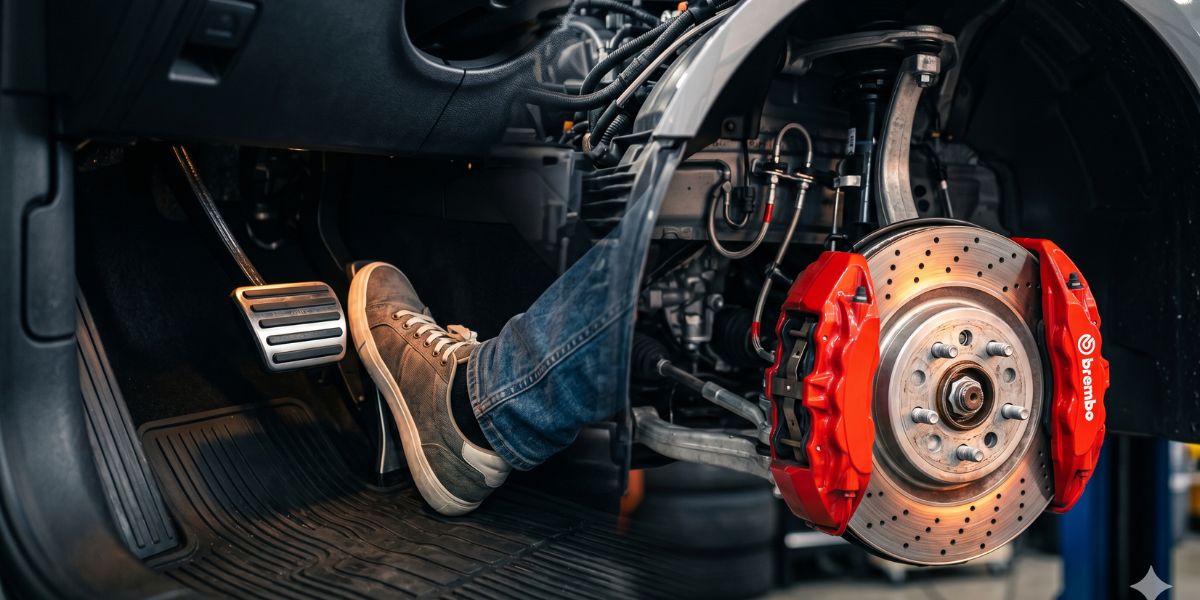
The brake pedal is located in the driver’s footwell. It is usually larger than the accelerator pedal.
When you sit in the driver’s seat, look below the steering wheel. In an automatic vehicle, you will usually see two pedals. The pedal on the left is the brake, and the smaller pedal on the right is the accelerator.
If you are learning which is the brake in a car, do not rely only on pedal appearance. Check the vehicle’s owner’s manual and become familiar with the controls before driving.
When you press the brake pedal, your foot applies force to the
. That force is transferred through the brake system and eventually creates friction at the wheels.
Brake Pedal vs. Gas Pedal
The brake pedal and gas pedal have opposite purposes.
The brake pedal slows or stops the vehicle. The accelerator pedal, sometimes called the gas pedal, increases engine power and helps the vehicle move faster.
In an automatic car, the brake is generally on the left and the accelerator is on the right. Both are operated with the right foot during normal driving.
This simple layout helps answer which is the brake in a car for most automatic vehicles.
Confusing the pedals can be dangerous. A driver who intends to stop but presses the accelerator may cause the car to move forward instead.
Before driving an unfamiliar vehicle, take a moment to identify the pedals.
What Does the Brake Pedal Do?
The brake pedal starts the braking process.
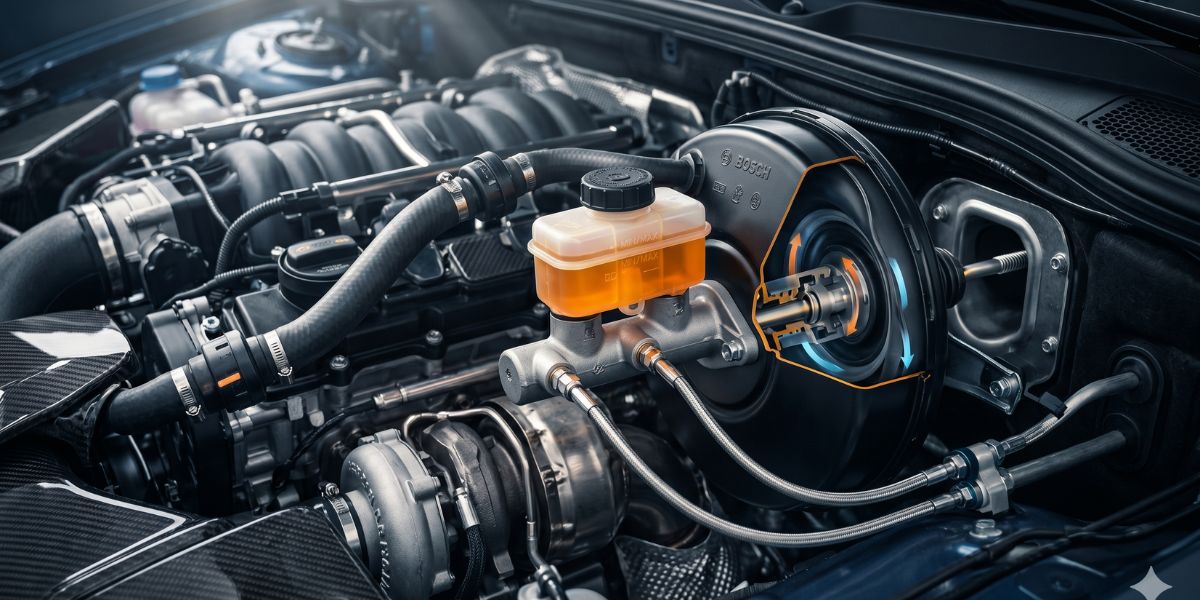
When you press it, the pedal moves a mechanism connected to the master cylinder. The master cylinder creates hydraulic pressure in the brake fluid. That pressure travels through brake lines to the braking components near the wheels.
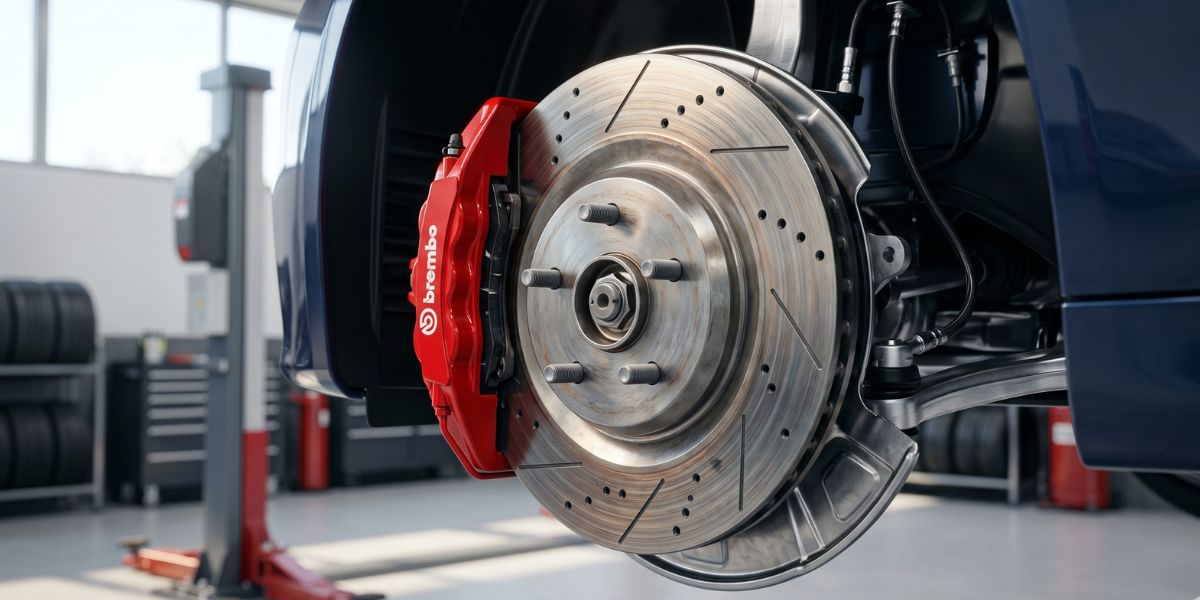
With disc brakes, the pressure causes brake calipers to push brake pads against rotating brake rotors. Friction between these parts slows the wheel.
With drum brakes, brake shoes press against the inside of a rotating drum.
So, when learning which is the brake in a car, remember that the pedal is only the driver’s input. Several mechanical and hydraulic parts work together after you press it.
Where Is the Brake Pedal Located?
Pedal position depends on whether the car has an automatic or manual transmission.
Understanding the layout is especially important for new drivers. Before starting the engine, identify the brake pedal and make sure you know which pedal controls acceleration.
Brake Pedal in Automatic Cars
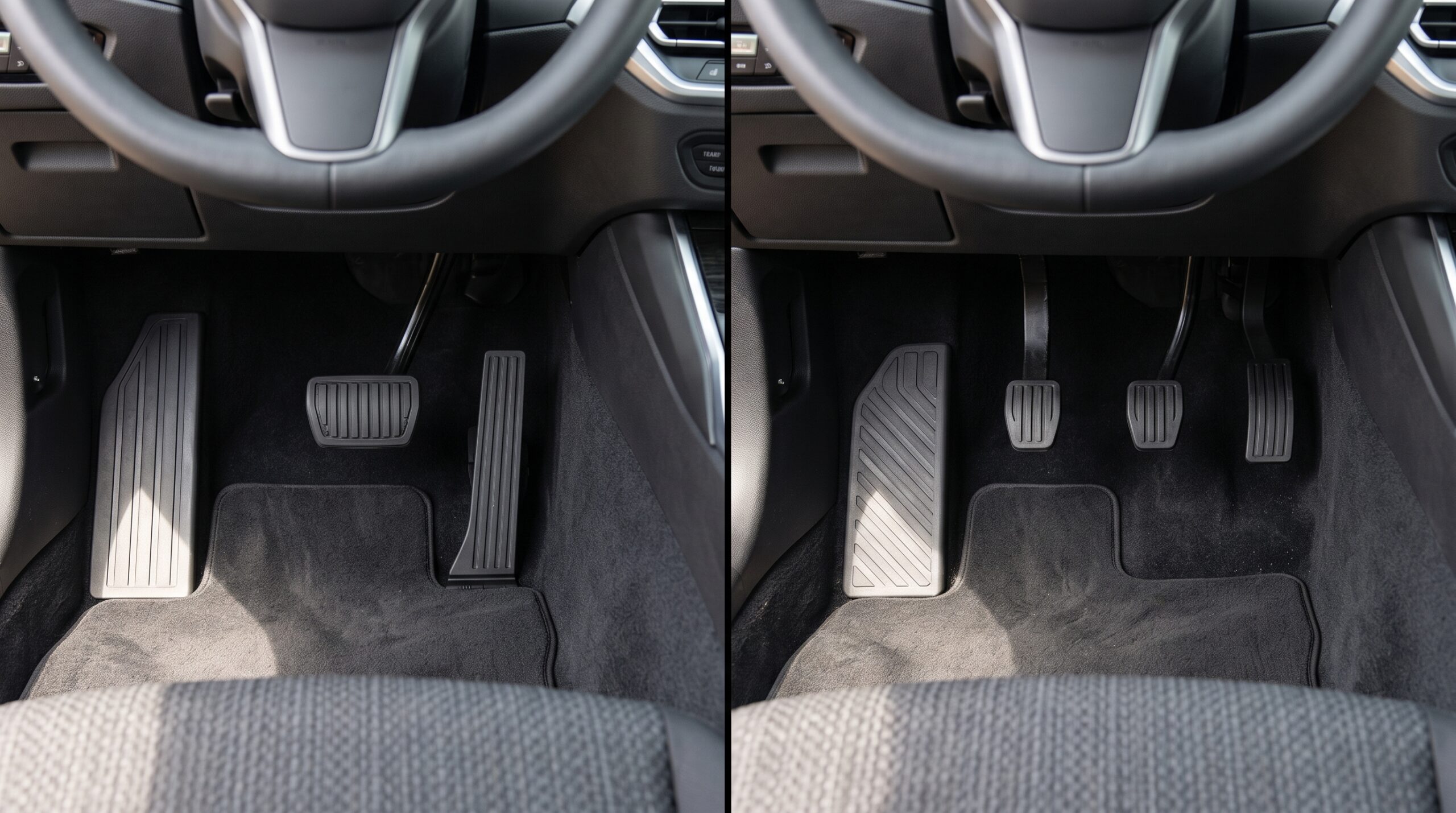
Automatic cars normally have two pedals:
- Brake pedal on the left
- Accelerator pedal on the right
The brake pedal is usually wider. The accelerator is usually narrower.
If someone asks which is the brake in a car with an automatic transmission, the answer is normally the left pedal of the two.
Drivers generally use their right foot to operate both the brake and accelerator. This reduces the chance of pressing both pedals at the same time.
When starting an automatic car, keep your foot on the brake before shifting from Park into Drive or Reverse.
Brake Pedal in Manual Cars
Manual cars normally have three pedals:
- Clutch on the left
- Brake in the center
- Accelerator on the right
The clutch is used to connect and disconnect the engine from the transmission during gear changes. The brake slows the vehicle, while the accelerator controls engine power.
Therefore, which is the brake in a car with a manual transmission can be answered by looking at the middle pedal.
The brake pedal is between the clutch and accelerator.
How Do Car Brakes Work?
Car brakes use mechanical, hydraulic, and friction-based components to reduce wheel speed.
The exact design varies between vehicles, but the basic idea is similar: the driver presses the brake pedal, hydraulic pressure moves braking components, and friction slows the wheels.
Pressing the Brake Pedal
Your foot provides the initial input.
When you press the pedal, a pushrod transfers force to the master cylinder. The master cylinder pressurizes the brake fluid.
Brake fluid then moves through the brake lines toward the wheels.
This is why which is the brake in a car is more than simply identifying a pedal. The pedal is the control that starts a larger process involving several components.
Modern brake systems are designed to multiply the force applied by the driver’s foot. Brake boosters are commonly used to make braking easier.
Brake Calipers and Brake Pads
Many modern vehicles use disc brakes.
A disc brake system has a rotating metal disc called a rotor. A caliper fits around part of the rotor and contains brake pads.
When hydraulic pressure reaches the caliper, it pushes the brake pads against the rotor. The resulting friction reduces the rotor’s rotation.
Because the rotor is connected to the wheel, slowing the rotor also slows the wheel.
The amount of braking force depends on several factors, including pedal pressure, vehicle speed, tire grip, brake condition, and road surface.
Brake Rotors and Drums
Disc brakes use rotors and pads.
Drum brakes use a different design. Inside a drum, brake shoes move outward and press against the inner surface of the rotating drum.
Both systems use friction to slow the vehicle.
Many cars use disc brakes on the front wheels and may use either disc or drum brakes at the rear.
Understanding these components makes which is the brake in a car easier to understand because you can see how the pedal connects to the braking action at the wheels.
What Are the Main Parts of a Car’s Brake System?
A vehicle’s braking system contains several important components. Each has a specific job.
Brake Pedal
The brake pedal is the control used by the driver.
Pressing it starts the braking process. Releasing it normally allows the brakes to stop applying force.
For someone learning which is the brake in a car, this is the most important component to identify first.
Master Cylinder
The master cylinder converts mechanical force from the brake pedal into hydraulic pressure.
It contains brake fluid and sends pressurized fluid through the brake lines.
If the master cylinder develops a serious problem, braking performance can be affected.
Brake Fluid
Brake fluid transfers hydraulic pressure through the braking system.
It must be suitable for the vehicle and kept at the correct level.
Brake fluid can absorb moisture over time, so manufacturers specify inspection and replacement intervals for many vehicles.
Brake Lines
Brake lines carry pressurized brake fluid from the master cylinder to the brakes near the wheels.
Some systems use rigid metal lines and flexible hoses near moving suspension components.
A damaged or leaking brake line can reduce braking performance and requires prompt attention.
Brake Pads
Brake pads are friction materials used with disc brakes.
They press against the rotor when the brakes are applied.
Brake pads gradually wear down, so they need periodic inspection and replacement when they reach the manufacturer’s service limit.
Brake Rotors
Brake rotors are metal discs connected to the wheel hub.
Brake pads clamp against the rotor to create friction.
Rotors can wear, develop surface problems, or become damaged. Their condition should be checked when brake service is performed.
Brake Calipers
Calipers hold the brake pads and use hydraulic pressure to press them against the rotor.
A sticking or damaged caliper can cause uneven braking, excessive pad wear, or other problems.
ABS Components
ABS stands for Anti-lock Braking System.
An ABS system uses wheel-speed sensors, a control module, and hydraulic control components to help prevent wheel lock during hard braking.
ABS does not eliminate the need for safe driving or good tires, but it can help maintain steering control during certain emergency braking situations.
Front Brakes vs. Rear Brakes
A car’s front and rear brakes work together, but they do not always perform the same amount of work.
Why Front Brakes Do More Work
When a vehicle slows down, its weight shifts toward the front.
This is called brake dive or forward weight transfer.
Because the front tires can often maintain more braking force during deceleration, front brakes commonly handle a larger share of the braking work.
This is one reason front brake components may experience significant wear.
Knowing which is the brake in a car does not mean there is only one brake component. Each wheel may have its own braking hardware.
How Rear Brakes Help
Rear brakes help slow the vehicle and provide balanced braking.
The braking system controls front and rear braking force based on the vehicle’s design. Modern vehicles may use electronic systems to help manage braking behavior.
Rear brakes are still important even though the front brakes often provide more braking force.
A problem with the rear brakes can affect vehicle stability and stopping performance.
Disc Brakes vs. Drum Brakes
Disc brakes use rotors and calipers.
Drum brakes use drums and brake shoes.
Disc brakes generally offer good heat management and are common on modern passenger vehicles. Drum brakes are still used on some rear axles because they can be durable and cost-effective.
Neither design changes the basic answer to which is the brake in a car. The brake pedal remains the driver’s primary control for the main braking system.
What Is the Emergency or Parking Brake?
The parking brake is a separate braking control designed mainly to keep a parked vehicle from moving.
It may also be called the emergency brake, handbrake, or parking brake.
Where Is the Parking Brake?
There are several common designs.
Hand Lever
Older and some modern vehicles use a hand-operated lever located between the front seats.
Pulling the lever applies the parking brake.
Foot Pedal
Some vehicles have a separate parking brake pedal near the driver’s left foot.
It is different from the normal service brake pedal.
Electronic Parking Brake
Many newer vehicles use an electronic parking brake.
It may be controlled by a small switch or button.
The exact operation varies by vehicle, so check the owner’s manual.
Parking Brake vs. Main Brake
The main brake system is used regularly while driving.
The parking brake is mainly used to hold the vehicle when parked.
The two systems can have different mechanisms, depending on the vehicle.
If you are asking which is the brake in a car, do not confuse the parking brake control with the normal brake pedal.
The main brake pedal is used to slow and stop the vehicle during normal driving.
What Is the ABS Brake System?
ABS is one of the most important safety systems in modern vehicles.
What ABS Means
ABS means Anti-lock Braking System.
Its purpose is to help prevent the wheels from locking during hard braking.
A locked wheel may have less ability to respond to steering input. ABS can rapidly adjust brake pressure at individual wheels to help maintain traction.
How ABS Helps During Hard Braking
If the system detects that a wheel is about to lock, it can reduce and reapply brake pressure very quickly.
During an ABS event, you may feel vibration or pulsing through the brake pedal.
That sensation can be normal when ABS activates.
During an emergency stop in a vehicle equipped with ABS, apply firm, continuous pressure to the brake pedal and steer toward a safe path. Do not repeatedly pump the brake pedal to imitate ABS.
This is another reason understanding which is the brake in a car is important. In an emergency, you need to know exactly which pedal to press.
What the ABS Warning Light Means
If the ABS warning light stays illuminated after the vehicle starts, there may be a problem with the ABS system.
The normal braking system may still operate in some cases, but ABS assistance may not be available.
Because warning-light meanings vary by vehicle, check the owner’s manual and have the system inspected when necessary.
If the regular red brake warning light also comes on, or the brake pedal feels abnormal, treat the issue as more urgent.
How to Use the Brake Pedal Correctly
Knowing which is the brake in a car is only the first step. You also need to learn how to use it safely.
How to Brake Smoothly
For normal stops, look ahead and start braking early.
Apply steady pressure instead of suddenly hitting the pedal.
As the vehicle slows, you can gradually reduce pressure before coming to a complete stop. This can make stops smoother for passengers.
Avoid waiting until the last moment to brake.
Good braking starts with good observation. Look far ahead for traffic lights, pedestrians, stopped vehicles, intersections, and road changes.
How to Brake During an Emergency
Emergency braking requires quick action.
If an unexpected hazard appears, firmly apply the brake pedal.
If the vehicle has ABS, keep firm pressure on the brake pedal while maintaining control of the steering wheel.
Do not intentionally test emergency braking on public roads.
If you are learning which is the brake in a car, practice identifying the pedal while the vehicle is stationary and turned off.
How to Brake on Wet or Slippery Roads
Wet roads can reduce tire grip.
Drive more slowly when conditions require it and leave more space between your vehicle and the vehicle ahead.
Brake smoothly and avoid sudden steering movements.
Remember that ABS does not create extra tire grip. It helps manage wheel lock, but tires still have a limited amount of traction.
Common Braking Mistakes to Avoid
Some common mistakes include:
- Pressing the accelerator instead of the brake
- Waiting too long before braking
- Following another vehicle too closely
- Driving too fast for road conditions
- Ignoring unusual brake noises
- Ignoring warning lights
- Resting a foot on the brake pedal unnecessarily
- Using worn tires with poor grip
- Continuing to drive when braking performance feels abnormal
A new driver should always confirm which is the brake in a car before moving an unfamiliar vehicle.
Signs Your Car Brakes Need Attention
Brake problems should never be ignored.
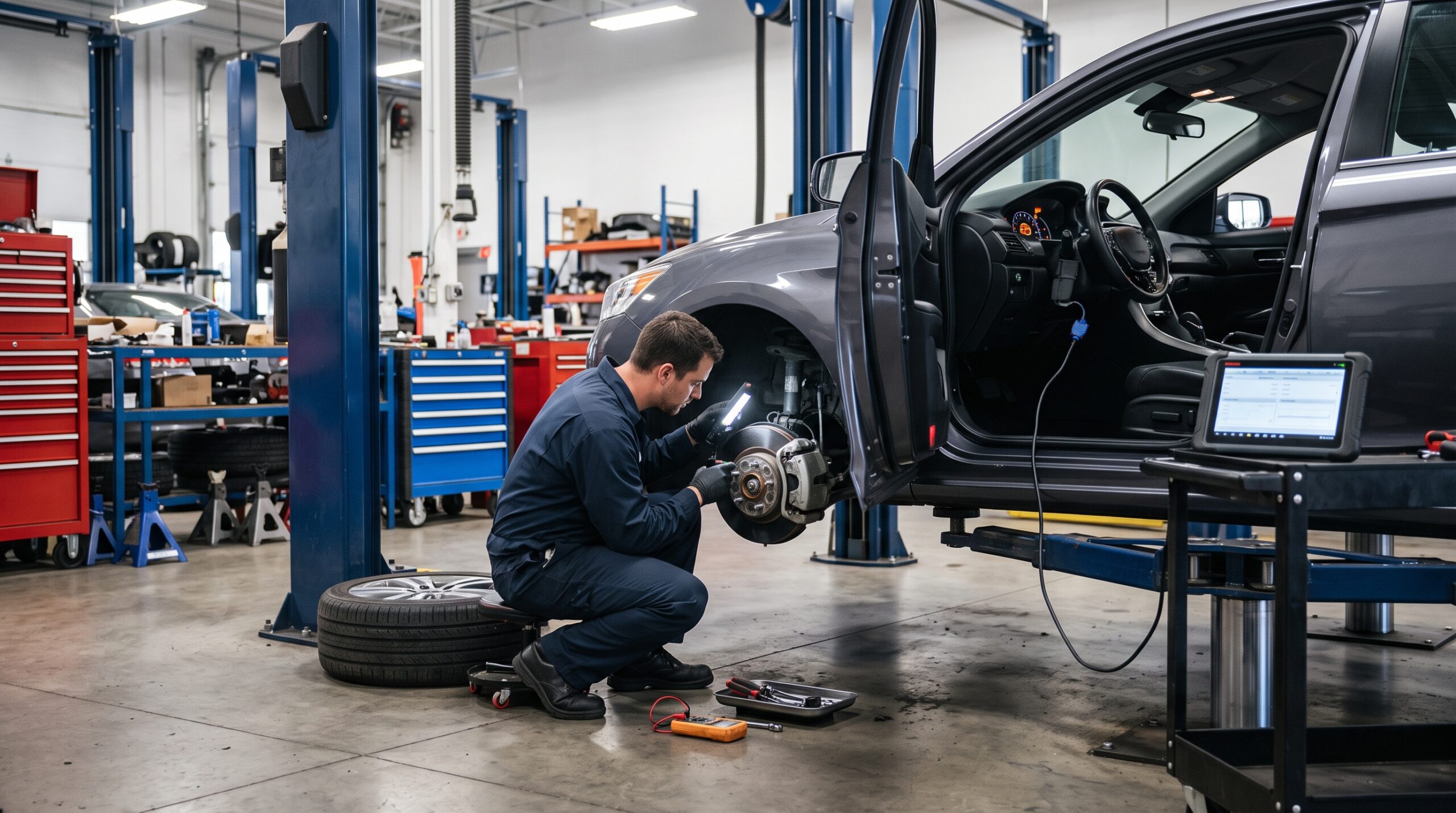
If you notice a change in braking performance, arrange an inspection by a qualified technician.
Squealing or Grinding Noises
Some brake noise can occur under certain conditions, such as after rain or when surface rust forms.
However, repeated high-pitched squealing or grinding can indicate a brake problem.
Grinding sounds are especially concerning because they can indicate severe friction-material wear or another mechanical issue.
Soft or Spongy Brake Pedal
A brake pedal that feels unusually soft or spongy should be inspected.
Possible causes can include air in the hydraulic system, brake fluid problems, or other faults.
Do not assume that a soft pedal is normal.
Car Pulls to One Side
If the vehicle pulls left or right while braking, there may be an issue with braking force, a caliper, tire condition, suspension components, or another system.
A professional inspection can identify the cause.
Steering Wheel Vibrates When Braking
Steering vibration during braking can have several causes.
Brake rotor condition is one possibility, but tires, suspension parts, and wheel-related issues can also contribute.
A technician should inspect the vehicle rather than assuming the brake rotor is always responsible.
Brake Warning Light Comes On
A brake warning light should not be ignored.
Depending on the vehicle, it may indicate the parking brake is applied, low brake fluid, or another braking-system issue.
Check the owner’s manual for the exact warning-light meaning.
Longer Stopping Distance
If your vehicle takes longer to stop than it normally does, take the problem seriously.
Possible causes include worn brake components, tire problems, reduced traction, hydraulic issues, or other mechanical faults.
A change in stopping distance is a good reason to have the vehicle checked.
Frequently Asked Questions
Which pedal is the brake in a car?
The brake pedal is normally the wider pedal used to slow or stop the vehicle. In an automatic car, it is usually the left pedal of the two main pedals. In a manual car, it is normally the middle pedal.
This is the simplest answer to which is the brake in a car.
Is the brake pedal on the left or right?
In an automatic car, the brake pedal is generally on the left of the accelerator.
In a manual car, the brake is normally in the middle, between the clutch and accelerator.
Pedal layouts can vary in unusual vehicles, so check the owner’s manual when necessary.
Which pedal is the brake in an automatic car?
The wider pedal on the left is normally the brake pedal in an automatic car.
The accelerator is on the right.
If you are unsure about which is the brake in a car, keep the vehicle stationary and check the pedal layout before driving.
Which pedal is the brake in a manual car?
In a standard manual car, the brake pedal is the middle pedal.
The clutch is on the far left, while the accelerator is on the far right.
Therefore, the middle pedal is the answer when someone asks which is the brake in a car with a manual transmission.
What happens when you press the brake pedal?
Pressing the brake pedal sends force to the master cylinder.
The master cylinder creates hydraulic pressure in the brake fluid. The pressure travels through brake lines to the wheel brakes.
With disc brakes, calipers press brake pads against rotors. Friction slows the rotating wheels.
Are front or rear brakes more important?
Both are important.
Front brakes often handle a larger share of braking force because vehicle weight shifts forward during deceleration.
However, rear brakes also contribute to stopping and vehicle stability. A problem with either axle should be addressed.
What is the difference between the brake and parking brake?
The main brake pedal is used to slow and stop the vehicle during normal driving.
The parking brake is mainly designed to hold a parked vehicle in place.
The parking brake may use a lever, pedal, or electronic switch depending on the vehicle.
Conclusion
So, which is the brake in a car? In a typical automatic car, the brake is the wider pedal on the left of the accelerator. In a manual car, it is normally the middle pedal between the clutch and accelerator.
The brake pedal starts a process that uses the master cylinder, brake fluid, brake lines, calipers, pads, rotors or drums, and other components to slow the vehicle.
Learning which is the brake in a car is one of the most basic and important steps for a new driver. However, identifying the pedal is only the beginning. You should also understand how to brake smoothly, how ABS works, and what warning signs may indicate a brake problem.
If you notice grinding noises, a soft pedal, unusual vibration, pulling during braking, warning lights, or longer stopping distances, have the braking system inspected by a qualified professional.
Most importantly, always confirm which is the brake in a car before driving an unfamiliar vehicle. Knowing the correct pedal and using it properly can help you control the vehicle safely and confidently.