Our Blogs
How to Fix Anti Lock Brake System: Easy DIY Guide

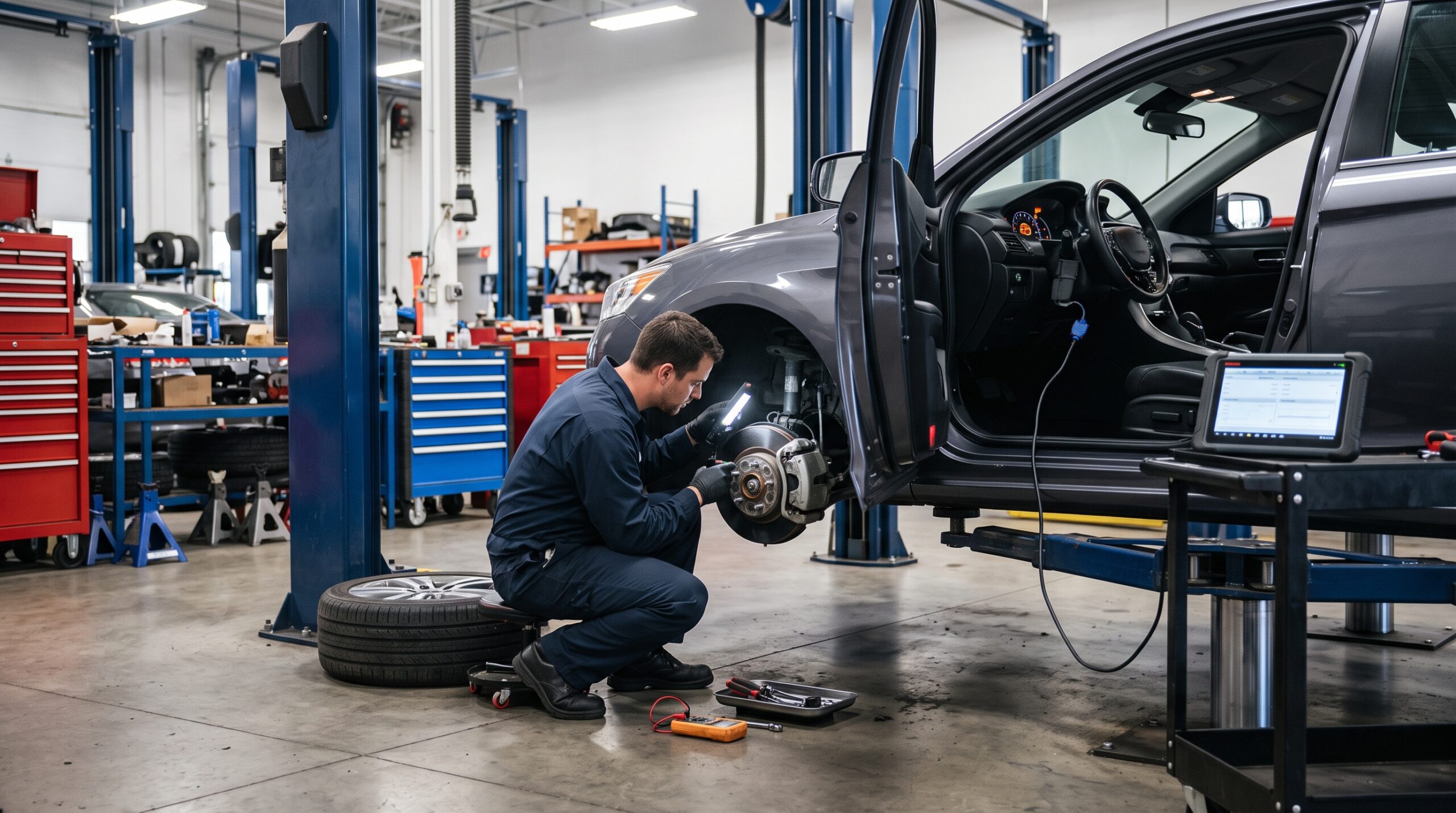
If your ABS warning light has appeared on the dashboard, you may be wondering how to fix anti-lock brake system problems without replacing expensive parts right away. The good news is that some ABS problems come from simple issues such as a dirty wheel speed sensor, damaged wiring, a blown fuse, or low brake fluid.
However, ABS is an important safety system. A warning light should not be ignored, especially if the brake pedal feels different or the red brake warning light is also on.
This guide explains how to fix anti lock brake system faults step by step. You will learn what ABS does, what causes warning lights, how to inspect common components, how to read ABS trouble codes, and when professional diagnosis is the safer choice.
Before working on the vehicle, park it on a level surface, switch off the engine, engage the parking brake, and use proper wheel chocks if needed. Never work underneath a vehicle supported only by a jack. If you are unsure about any brake-system repair, have the vehicle inspected by a qualified technician.
What Is an Anti Lock Brake System?
The Anti-lock Braking System, commonly called ABS, is an electronic safety system designed to help prevent the wheels from locking during hard braking.
When a wheel is about to lock, ABS can rapidly adjust brake pressure at that wheel. This allows the tire to continue rotating instead of sliding across the road.
Understanding the system makes it easier to understand how to fix anti lock brake system problems when a warning light appears.
How ABS Works
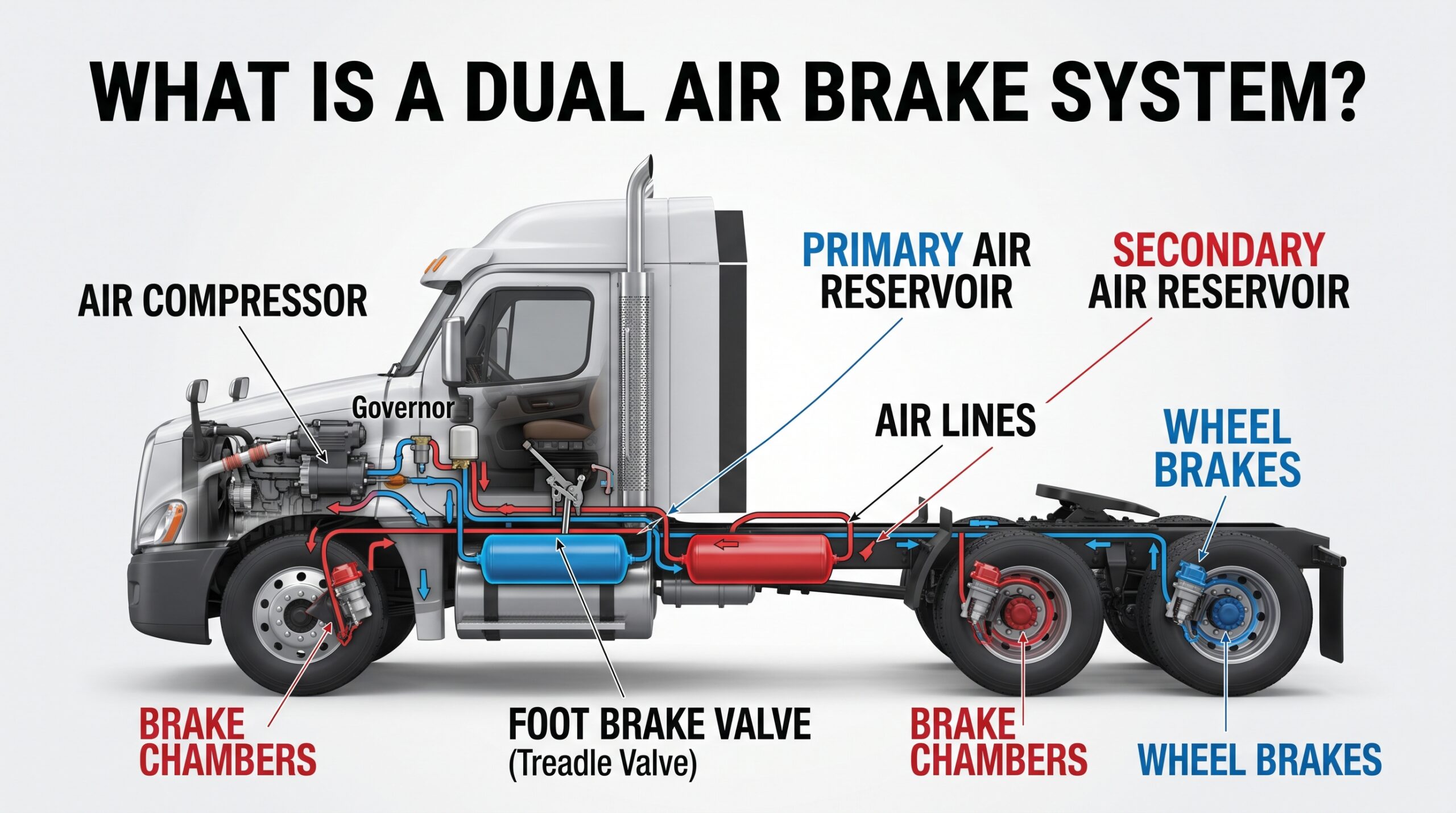
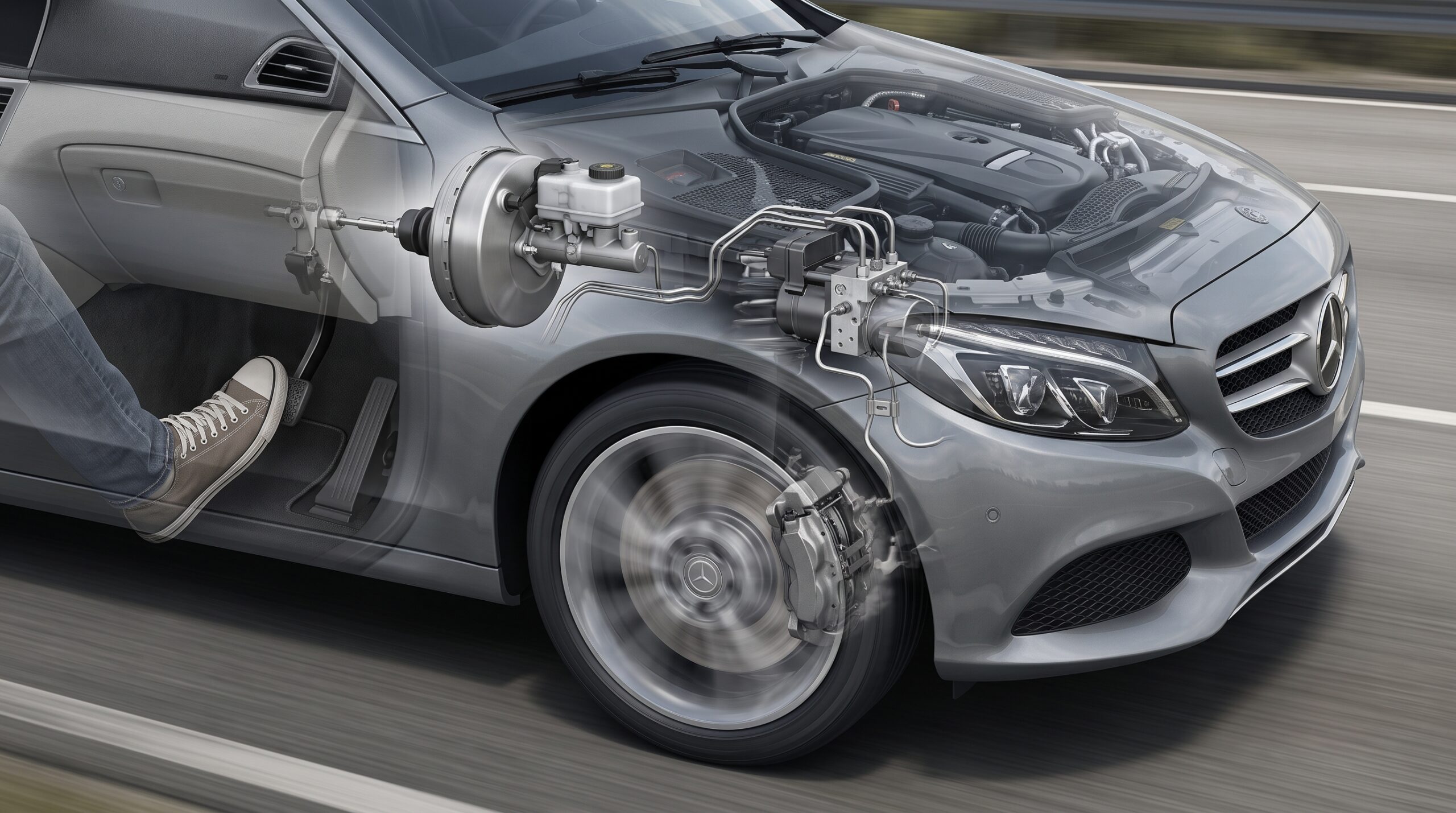
ABS uses several components that work together.
Wheel speed sensors monitor how fast each wheel is turning. The vehicle’s control system compares wheel-speed information to detect unusual changes.
The ABS control module processes the sensor information. If it detects a wheel that is likely to lock during braking, it can command the hydraulic unit to adjust brake pressure.
The hydraulic control unit contains valves that control hydraulic pressure to individual brake circuits.
The system may also include an ABS pump. When the system needs to restore hydraulic pressure after reducing it, the pump helps build pressure again.
The exact design varies by vehicle. Some vehicles combine several ABS components into one assembly, while others use separate components.
Why ABS Is Important
ABS is mainly designed to help maintain tire rotation during hard braking.
This can provide several benefits:
- Helps reduce wheel lockup.
- Helps the driver maintain steering control during emergency braking.
- Can help maintain vehicle stability during hard braking.
- Allows the braking system to adjust pressure rapidly.
ABS does not eliminate every braking risk. Tires, road conditions, brake condition, vehicle speed, and driver input all affect stopping performance.
That is why knowing how to fix anti lock brake system problems is useful, but proper diagnosis is even more important.
Common Signs of an ABS Problem
An ABS problem does not always produce the same symptoms. The warning light may be the only sign, or the vehicle may show changes in braking behavior.
ABS Warning Light
The most common sign is an illuminated ABS warning light.
The light may appear when the engine starts and then turn off after the vehicle completes its system check. If it remains illuminated while driving, the system may have detected a fault.
Do not assume the sensor is automatically bad. A wiring issue, bearing problem, control module fault, or other problem can also trigger the light.
Brake Warning Light
A red brake warning light deserves special attention.
Depending on the vehicle, this light can indicate low brake fluid, a parking brake that is still engaged, or another brake-system problem.
If the ABS light and red brake warning light appear together, do not treat the situation as a minor electronic warning. Stop in a safe place and check the owner’s manual. If braking performance is affected, arrange professional inspection rather than continuing to drive.
ABS Activates Unexpectedly
You may sometimes feel the ABS system activate when braking gently or on a normal road.
Unexpected ABS activation can happen when a wheel speed sensor sends incorrect information. Problems with the tone ring, wheel bearing, wiring, or sensor can also contribute.
A scan tool that can read live wheel-speed data can be very useful in this situation.
Brake Pedal Feels Unusual
A brake pedal that suddenly feels soft, sinks unusually, feels hard, or behaves differently should not be ignored.
These symptoms can have causes unrelated to ABS, including hydraulic problems, air in the brake system, worn components, or other brake faults.
If braking performance has changed, do not focus only on how to fix anti lock brake system electronics. The basic braking system must also be checked.
Loss of ABS Function
If the ABS warning light stays on, the vehicle may still have normal basic braking, but the ABS function may be unavailable.
The exact behavior depends on the vehicle and the fault.
A warning light means the system needs diagnosis. It does not tell you which component has failed.
Common Causes of ABS Problems
There are many possible causes of an ABS warning light. Some are inexpensive to inspect, while others require specialized equipment.
Dirty or Damaged Wheel Speed Sensor
Wheel speed sensors operate close to the wheels and can be exposed to dirt, road debris, moisture, corrosion, and physical damage.
A sensor can also have a damaged connector or mounting problem.
Before replacing the sensor, inspect it carefully and check the manufacturer’s diagnostic procedure.
Damaged ABS Wiring
ABS sensors need electrical connections to communicate with the control module.
Wires near wheels can be exposed to movement, water, road debris, and corrosion. A damaged wire may produce an intermittent warning light.
Look for broken insulation, stretched wires, corrosion, loose connectors, or signs of rubbing.
Low Brake Fluid
Low brake fluid can trigger a brake warning light on some vehicles.
It may also indicate worn brake components or a leak. Simply adding fluid without finding the reason for the low level is not a complete repair.
Check the recommended fluid type in the owner’s manual.
Faulty ABS Fuse
An ABS-related fuse protects part of the electrical system.
A blown fuse may prevent the ABS system from operating. However, a fuse usually blows for a reason.
If a replacement fuse blows again, do not keep installing new fuses. An electrical fault needs to be diagnosed.
Bad ABS Module
The ABS control module can fail, although it should not be assumed to be the problem without proper testing.
Module faults can be more complicated to diagnose because wiring, power supply, communication circuits, sensors, and other components may produce similar symptoms.
Worn Wheel Bearing
A worn wheel bearing can affect wheel-speed readings on some vehicles.
Some ABS systems rely on a magnetic encoder or tone feature associated with the wheel bearing or hub assembly.
If the bearing has excessive play or the encoder is damaged, the ABS system may receive incorrect wheel-speed information.
Problems With the ABS Tone Ring
The tone ring, reluctor ring, or encoder provides information used by the wheel speed sensor.
Depending on the vehicle, it may be a separate component or integrated into a hub or bearing.
Rust, cracks, missing teeth, contamination, or physical damage can affect the signal.
This is another reason not to replace an ABS sensor simply because the ABS light is on.
How to Fix Anti Lock Brake System Problems
The correct repair depends on the diagnostic result. The following process starts with simple checks and moves toward more detailed diagnosis.
Step 1: Check the ABS Warning Light
Start by identifying which dashboard lights are illuminated.
Write down whether you see:
- ABS warning light
- Red brake warning light
- Traction-control light
- Stability-control light
- Check-engine light
Then check the owner’s manual.
Different vehicles use different warning-light combinations. The manual can explain what each warning means and whether the vehicle should be driven.
This first step is important when learning how to fix anti lock brake system problems because the warning lights provide useful clues.
Step 2: Check the Brake Fluid
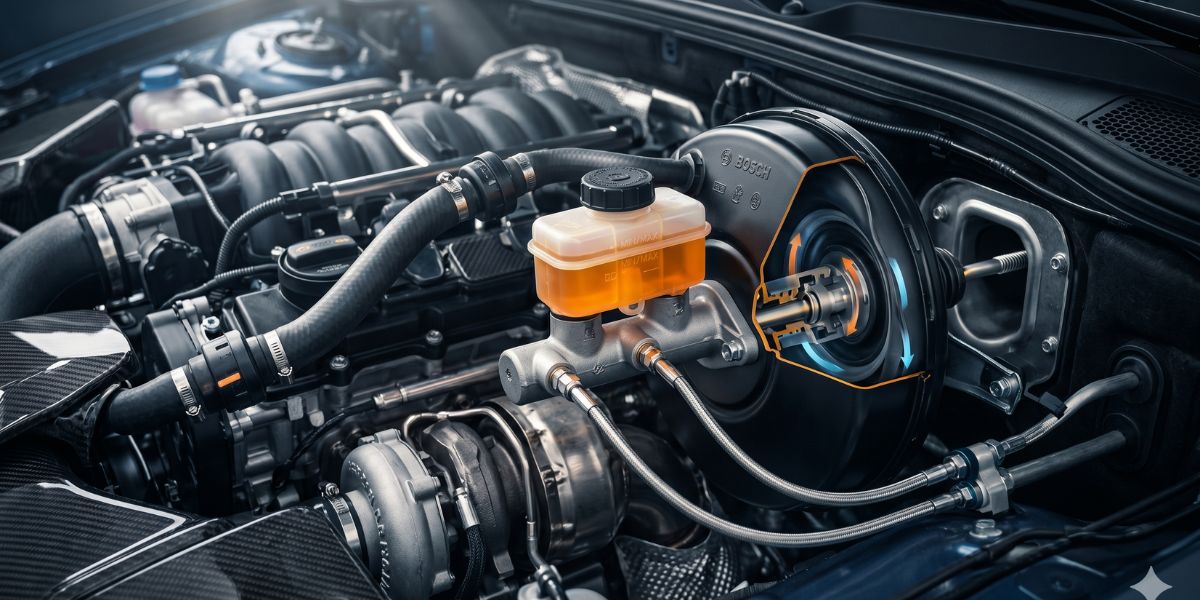
Open the hood and locate the brake fluid reservoir.
The reservoir usually has MIN and MAX markings.
With the vehicle parked safely and the engine off, check whether the fluid is within the recommended range.
Do not use a random fluid. The reservoir cap or owner’s manual should specify the correct type.
Also look around the master cylinder, brake lines, calipers, and other visible areas for signs of leakage.
If the fluid is very low, do not simply refill it and forget about it. Have the brake system inspected to determine why the level dropped.
Knowing how to fix anti lock brake system faults means checking the complete brake system, not only the electronic warning light.
Step 3: Inspect the ABS Fuse
Find the vehicle’s fuse box.
The owner’s manual should identify the ABS fuse and its location.
Remove the fuse only when the vehicle is safely switched off and follow the manufacturer’s instructions.
If the fuse is blown, replace it with the exact same type and rating.
Never install a larger fuse to prevent it from blowing. Doing so can create an electrical hazard and damage the vehicle.
If the replacement fuse fails again, stop replacing fuses and have the electrical circuit diagnosed.
Step 4: Inspect the Wheel Speed Sensors
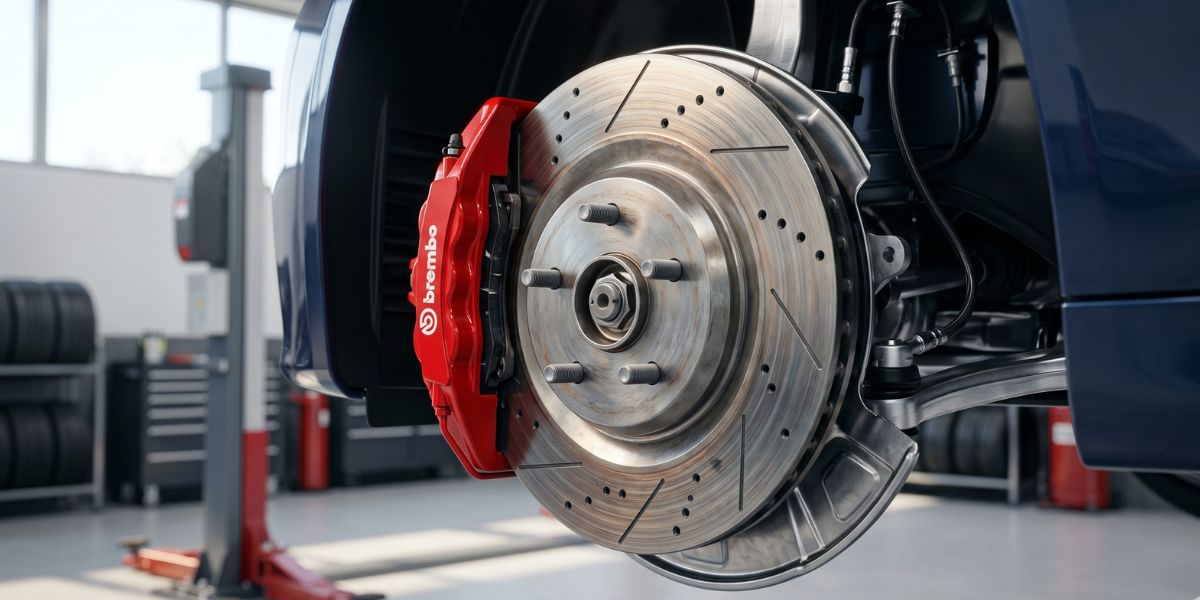
Wheel speed sensors are usually located near the wheel hub or brake assembly.
You may need to turn the steering wheel or safely raise the vehicle to see the sensor and wiring.
Do not place any part of your body underneath a vehicle supported only by a jack.
Look for:
- Dirt or debris
- Broken sensor housing
- Loose connectors
- Damaged wires
- Corrosion
- Signs of rubbing
- Improperly routed wiring
If you see obvious physical damage, the component may need repair or replacement.
Step 5: Clean the ABS Sensor
If the sensor has surface contamination, careful cleaning may help in some cases.
Use the cleaning method recommended by the vehicle manufacturer. Avoid striking, scraping, or forcing the sensor.
Do not assume that cleaning will fix an electrical or internal sensor failure.
After cleaning, reconnect the sensor securely and make sure the wiring is correctly routed.
A clean sensor does not guarantee a good sensor signal. A scan tool may still be needed.
Step 6: Scan for ABS Trouble Codes
One of the most useful steps in how to fix anti lock brake system diagnosis is reading the ABS trouble codes.
A basic OBD-II scanner may only read engine-related codes. You need a scan tool that can communicate with the vehicle’s ABS module.
Connect the scanner according to the manufacturer’s instructions and read the stored diagnostic trouble codes.
Do not replace a component solely because a code mentions a particular wheel.
For example, a code related to a left-front wheel-speed circuit may result from:
- A failed sensor
- Damaged wiring
- A poor connector
- A damaged tone ring
- A wheel bearing problem
- An ABS module issue
Use the manufacturer’s service information to determine the correct test procedure.
Step 7: Repair or Replace the Faulty Component
Once the cause is confirmed, repair the affected component.
Possible repairs include:
Sensor replacement: If testing confirms that the wheel speed sensor has failed, replace it with the correct part.
Wiring repair: Damaged wiring or connectors may require proper electrical repair.
Fuse replacement: Replace a blown fuse only after checking why it failed.
ABS module diagnosis: A suspected module problem may require advanced electrical testing, programming, or specialized repair.
After completing the repair, clear the appropriate diagnostic codes and perform the manufacturer’s required verification procedure.
The safest approach to how to fix anti lock brake system problems is to confirm the fault before buying replacement parts.
How to Reset the ABS Warning Light
Resetting the warning light is not the same as fixing the ABS problem.
Fix the Underlying Problem First
If the fault still exists, the warning light may return after being cleared.
For example, clearing a code without repairing a damaged sensor wire does not solve the underlying problem.
The first priority should always be identifying and correcting the cause.
Clear ABS Trouble Codes With a Scanner
If the repair has been completed, an ABS-capable scan tool may allow you to clear the stored fault code.
Follow the scan tool and vehicle manufacturer’s instructions.
Some vehicles may require additional procedures after certain ABS repairs.
Take a Test Drive and Check the Warning Light
After repair, start the vehicle and confirm that the warning lights behave normally.
If the manufacturer specifies a road test, follow its procedure in a safe area.
Do not deliberately perform hard braking tests on public roads.
If the warning light returns, scan the system again rather than repeatedly clearing the code.
A proper reset is an important part of how to fix anti lock brake system problems, but the reset should come after repair.
How to Diagnose an ABS Sensor
A wheel speed sensor is a common suspect, but it should be tested before replacement.
Visual Inspection
Start with a close visual inspection.
Look at the sensor body, connector, mounting point, and wiring.
Check for dirt, physical damage, corrosion, loose connections, and wiring that has been rubbing against a moving component.
Check the Sensor Wiring
Follow the wiring from the sensor toward the vehicle body.
Look for:
- Cuts
- Broken insulation
- Loose clips
- Corroded connectors
- Stretched wires
- Damaged terminals
An intermittent connection can be difficult to find without electrical testing.
Compare Wheel Speed Data
An advanced scan tool can often display live wheel-speed information.
During appropriate testing, compare the readings from all four wheels.
If one wheel shows an inconsistent reading while the others behave normally, that wheel’s sensor, wiring, bearing, or tone ring may need further testing.
The scan data is a clue, not automatically a final diagnosis.
When Sensor Replacement Is Necessary
Replace the sensor when testing confirms that the sensor itself has failed or when manufacturer testing identifies it as defective.
Use a compatible quality replacement part.
After installation, make sure the sensor is seated correctly and the wiring is routed as specified.
If you are learning how to fix anti lock brake system problems at home, sensor replacement is one repair that may be practical for an experienced DIY mechanic, but only if the vehicle can be safely supported and the correct procedure is known.
Can You Drive With the ABS Light On?
Whether you can drive depends on which warning lights are active and how the brakes feel.
What Happens When ABS Stops Working?
If the ABS system develops a fault, conventional braking may still operate on many vehicles.
However, the anti-lock function may not be available.
That means the vehicle may not provide the same assistance during hard braking or low-traction situations.
The exact result depends on the vehicle and the specific fault.
When You Should Stop Driving
Do not continue driving if:
- The brake pedal suddenly feels soft or sinks.
- The brakes do not stop the vehicle normally.
- The red brake warning light stays on.
- There is a suspected brake-fluid leak.
- You hear severe or unusual brake noises.
- The vehicle pulls strongly while braking.
- You smell overheated brakes.
- You are unsure whether the brakes are safe.
If braking performance is compromised, arrange professional assistance or towing.
Why Normal Brakes May Still Work
ABS is an additional control system built around the basic hydraulic braking system.
Therefore, an ABS warning does not necessarily mean the regular brakes have completely failed.
But this should never be used as a reason to ignore the warning.
The safest approach to how to fix anti lock brake system issues is to determine whether the fault affects only ABS or also the basic braking system.
Common ABS Repair Mistakes to Avoid
Many unnecessary repairs happen because the warning light is treated as a diagnosis instead of a symptom.
Replacing Parts Without Scanning for Codes
Do not immediately buy an ABS sensor because the ABS light is on.
A scan can provide valuable information before you spend money on parts.
Ignoring Damaged Wiring
A new sensor will not solve a broken wire.
Always inspect the connector and wiring around the affected wheel.
Using the Wrong Fuse
Never replace an ABS fuse with a fuse that has a higher rating.
Use only the specified type and rating.
Ignoring Low Brake Fluid
Low fluid can indicate a problem that needs attention.
Do not treat topping up the reservoir as the complete repair.
Assuming Every ABS Light Means a Bad Sensor
Sensors are common failure points, but they are not the only possibility.
Wheel bearings, tone rings, wiring, fuses, modules, power supplies, and other components can also cause ABS faults.
Continuing to Drive When Braking Performance Is Affected
A warning light alone is one situation. A warning light combined with changed braking performance is much more serious.
When braking feels abnormal, safety should come before DIY troubleshooting.
When to Get Professional ABS Repair
Some ABS faults are easy to inspect. Others require advanced diagnostic equipment.
ABS and Brake Warning Lights Are Both On
If both the ABS and red brake warning lights are illuminated, have the vehicle checked promptly.
The combination can indicate a more significant braking-system problem.
Brake Performance Has Changed
A soft, hard, sinking, or unusually responsive brake pedal should be professionally inspected.
Do not assume the problem is only an ABS sensor.
ABS Module May Be Faulty
ABS module diagnosis can involve electrical testing, communication checks, scan-tool data, and manufacturer-specific procedures.
Some repairs may also require programming.
You Cannot Identify the Cause
If you have checked the basic items and still cannot determine the cause, professional diagnosis can save time and prevent unnecessary parts replacement.
A qualified technician can use factory-level or advanced scan equipment and follow the manufacturer’s service information.
Knowing how to fix anti lock brake system faults does not mean every repair should be done at home. Good diagnosis also means knowing when to stop and get expert help.
Frequently Asked Questions
How do I fix my anti lock brake system?
The best way to fix an ABS problem is to diagnose the cause first. Check the warning lights, brake fluid, ABS fuse, wheel speed sensors, wiring, and connectors. Then use an ABS-capable scan tool to read diagnostic trouble codes.
A code can point toward a circuit or wheel, but it does not always identify the failed part. Follow the vehicle manufacturer’s testing procedure before replacing components.
For how to fix anti lock brake system problems, the general process is inspect, scan, test, repair, clear the code, and verify the repair.
Can I fix an ABS sensor myself?
In some vehicles, an experienced DIY mechanic can replace an ABS sensor.
The job may involve removing a wheel, accessing the sensor, removing a retaining bolt, installing the new sensor, and routing the wiring correctly.
However, vehicle designs vary. Some sensors are difficult to access, and some ABS faults are not caused by the sensor itself.
If you are not comfortable safely lifting and supporting the vehicle or diagnosing electrical faults, professional repair is a better option.
Why is my ABS light on but my brakes work?
The ABS light can remain on even when the normal braking system still works.
Possible causes include a wheel speed sensor fault, damaged wiring, a tone-ring problem, wheel bearing issues, an ABS module fault, or another electronic problem.
When the ABS light is on, the vehicle may still have conventional braking but may not have working anti-lock protection.
This is why how to fix anti lock brake system problems requires diagnosis rather than simply replacing parts.
How do I reset my ABS warning light?
The proper method is to repair the underlying problem first.
After the repair, an ABS-capable diagnostic scanner may be able to clear the stored trouble code.
Some vehicles may turn the light off automatically after the fault is repaired and the vehicle completes its system checks.
If the light returns, the fault may still be present. Scan the system again instead of repeatedly clearing the warning.
How much does it cost to fix an ABS system?
ABS repair costs vary widely.
A simple issue such as a fuse or damaged connector may cost much less than an ABS module or hub-and-bearing assembly.
The final cost depends on:
- Vehicle make and model
- Failed component
- Parts price
- Labor rate
- Diagnostic time
- Whether programming is required
Getting a proper diagnosis before replacing parts can help prevent unnecessary expenses.
Can low brake fluid cause the ABS light to come on?
Low brake fluid can trigger a brake warning light and, depending on the vehicle, may also be associated with ABS or stability-control warnings.
Low fluid should never be ignored.
Check the fluid level according to the owner’s manual and look for signs of leakage or worn brake components.
If the level is significantly low, have the brake system inspected before driving.
Can a bad wheel bearing cause an ABS light?
Yes, on some vehicles a wheel bearing or hub assembly can affect the wheel-speed signal.
Certain wheel bearings contain magnetic encoder rings used by the ABS sensor.
Excessive bearing play or encoder damage can produce an incorrect wheel-speed signal.
This is one reason a proper diagnosis is important before replacing a sensor.
Will disconnecting the battery reset the ABS light?
Disconnecting the battery is not a reliable way to repair an ABS fault.
Modern vehicles store diagnostic information in electronic control modules, and some warning lights may return after the system detects the problem again.
Disconnecting the battery can also reset other vehicle settings.
Use the manufacturer’s recommended diagnostic and reset procedure instead.
Can I drive if only the ABS light is on?
If only the ABS light is illuminated and the vehicle has normal braking, the basic brakes may still operate.
However, the ABS function may be unavailable.
Drive cautiously only when the vehicle manufacturer’s guidance indicates it is safe, and arrange diagnosis as soon as possible.
If the red brake warning light is also on or braking feels abnormal, stop driving and seek professional assistance.
What if the ABS light comes on and then goes away?
An intermittent ABS light can indicate a problem that occurs only under certain conditions.
Possible causes include a loose connector, damaged wiring, sensor signal problems, wheel bearing movement, or another intermittent electrical fault.
A stored trouble code may remain even after the light turns off.
A diagnostic scan can help identify the cause.
How long does ABS repair take?
The repair time depends on the cause.
A simple sensor replacement may be relatively quick, while diagnosing wiring, wheel-bearing, or ABS-module problems can take much longer.
Do not judge the repair by the warning light alone. Accurate diagnosis is more important than replacing a part quickly.
Conclusion
Learning how to fix anti lock brake system problems starts with understanding that an ABS warning light is a symptom, not a complete diagnosis.
Start by checking the warning lights and owner’s manual. Inspect the brake fluid and ABS fuse. Examine the wheel speed sensors, wiring, connectors, and other visible components. Then use an ABS-capable scanner to read trouble codes and follow the manufacturer’s diagnostic procedure.
Do not assume every ABS warning means a failed sensor. A damaged wire, wheel bearing, tone ring, fuse, low brake fluid, or ABS module can produce similar warnings.
If you repair the confirmed fault, clear the ABS code using the correct procedure and verify that the warning does not return.
Most importantly, do not take risks with the braking system. If the brake pedal feels abnormal, the red brake warning light is on, fluid is leaking, or you cannot confidently identify the problem, professional inspection is the safest choice.
In short, the best way to fix an anti-lock brake system is to diagnose the actual cause first, repair the faulty component correctly, and verify the system afterward.