

Our Blogs
What Is an Outboard on a Boat? A Beginner’s Guide

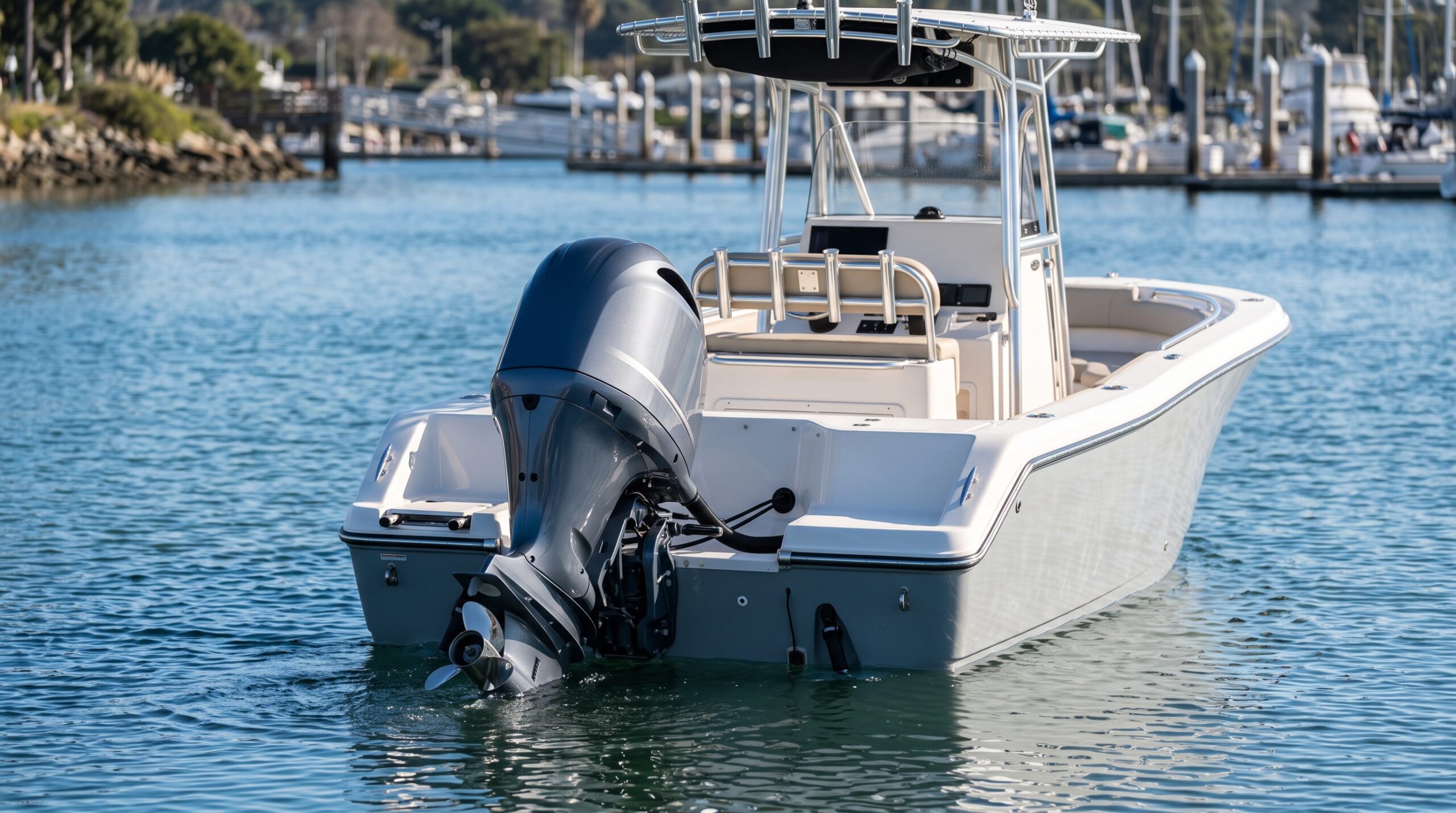
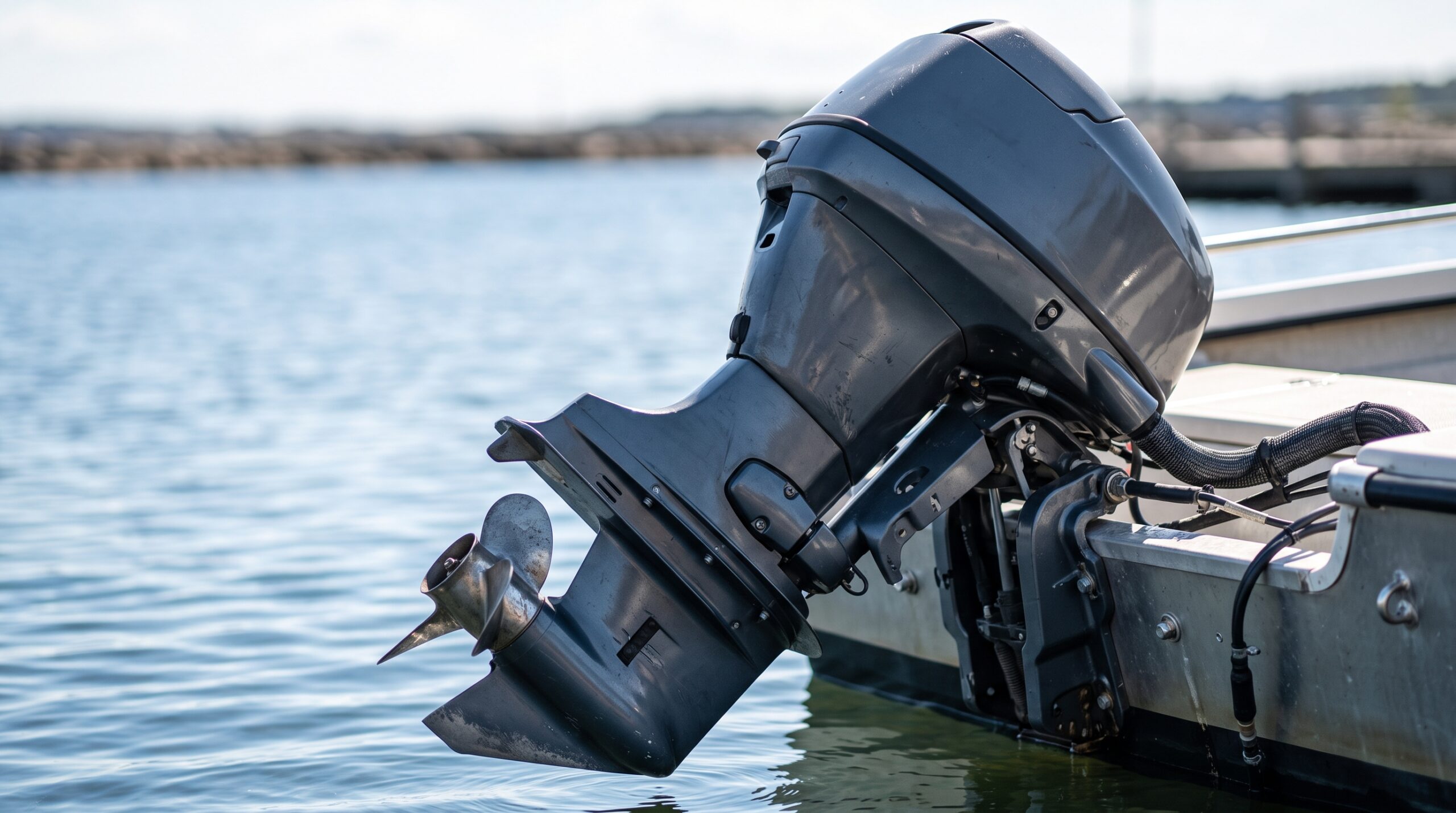
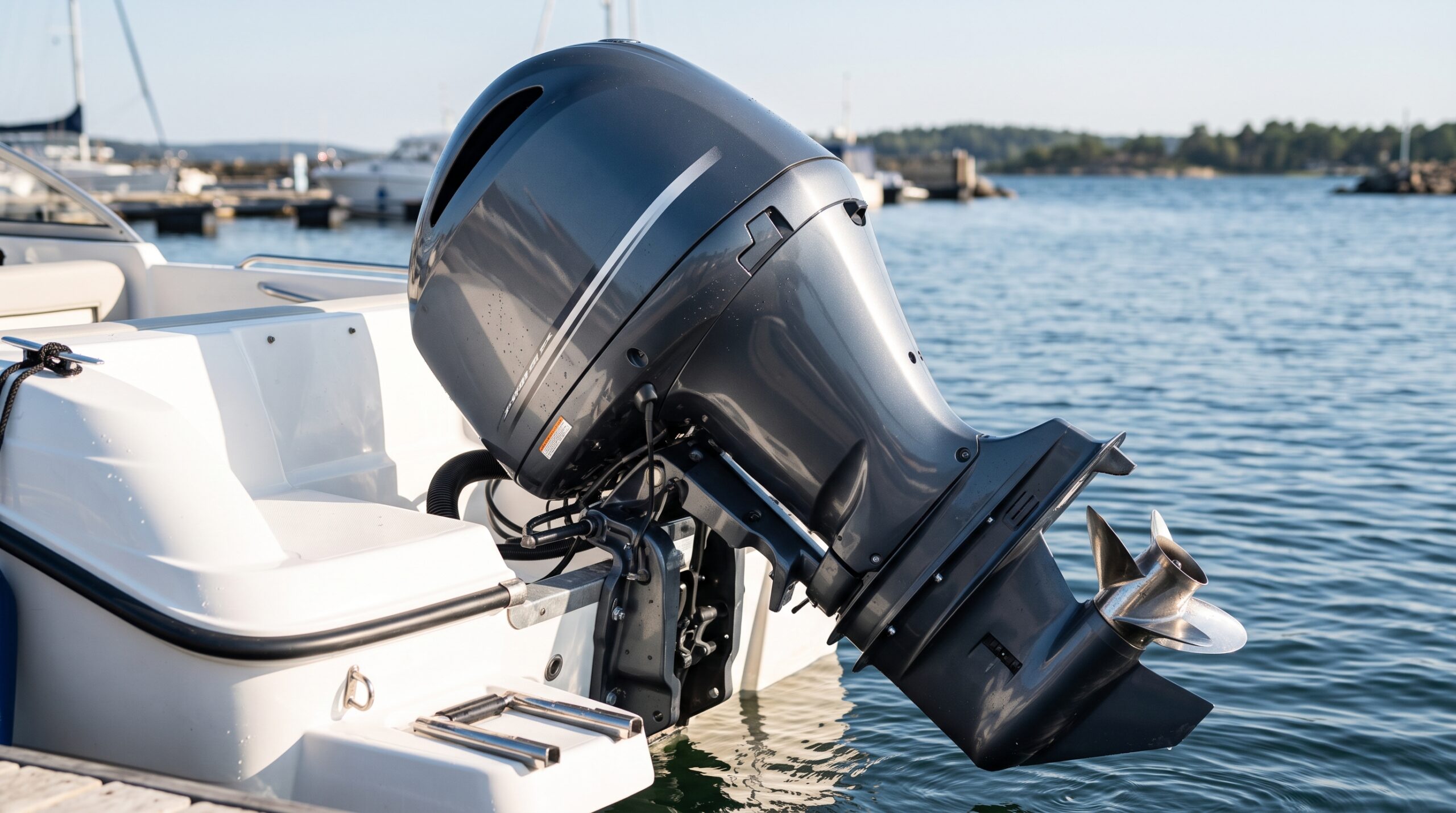
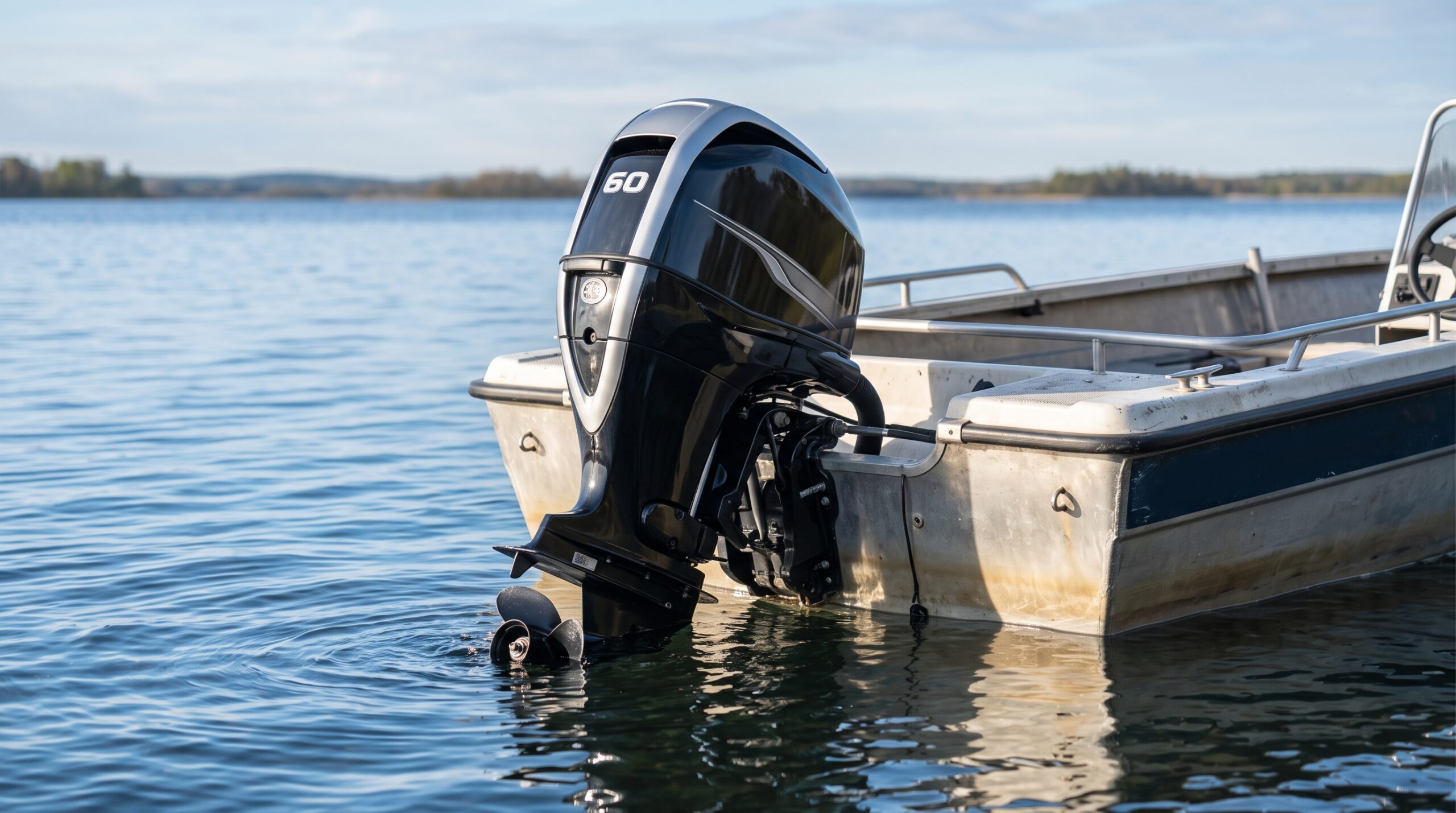
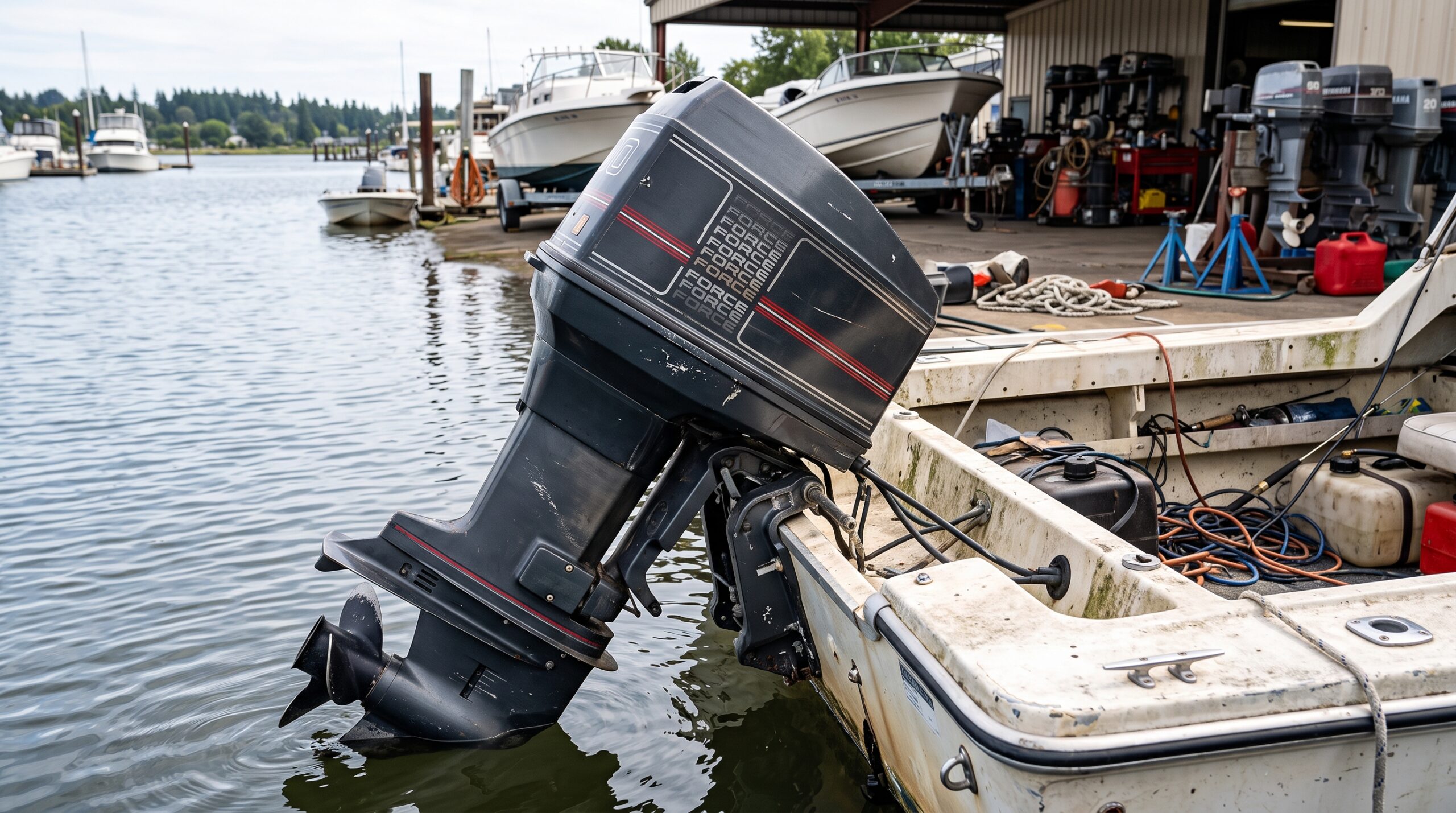
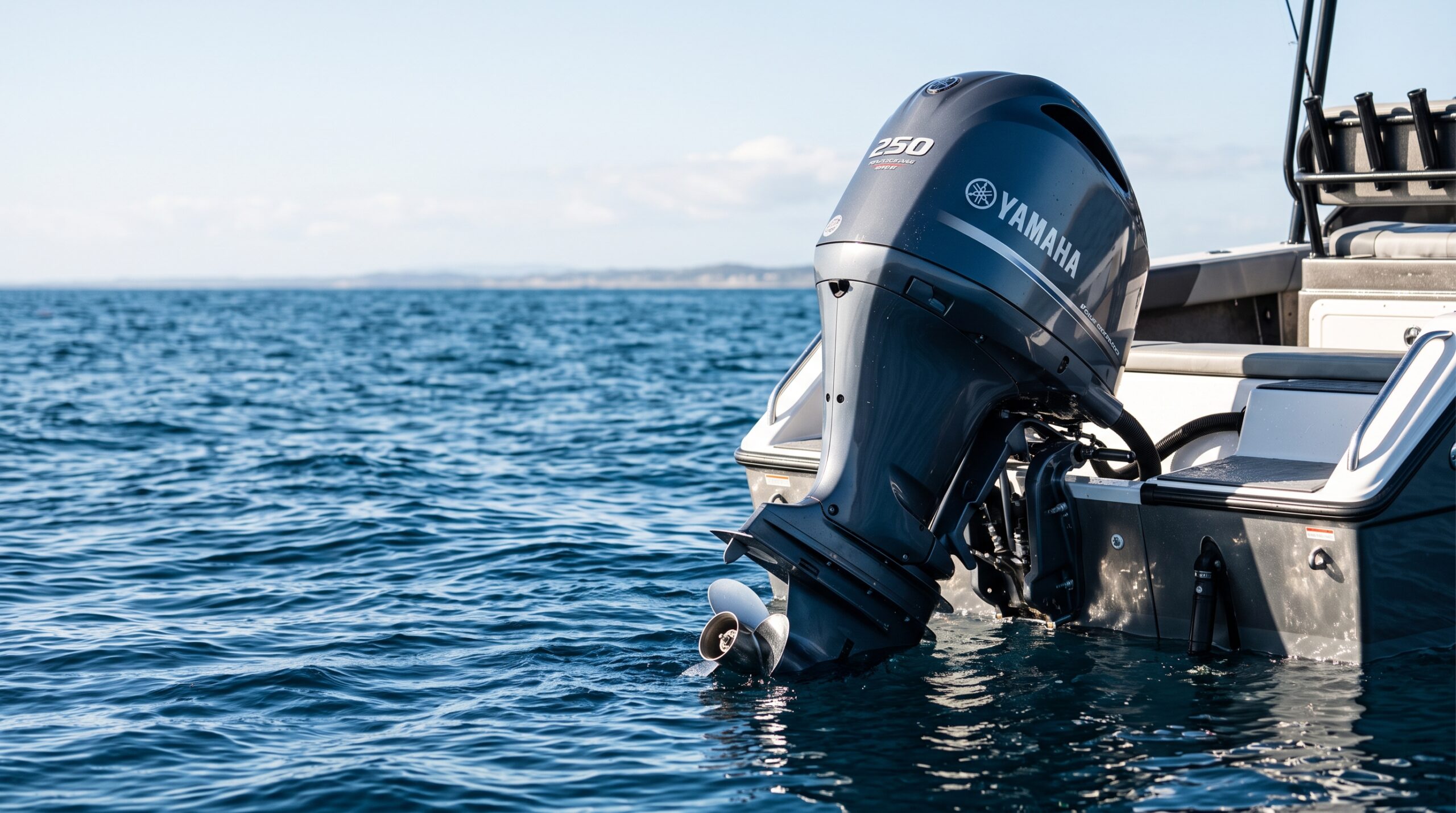
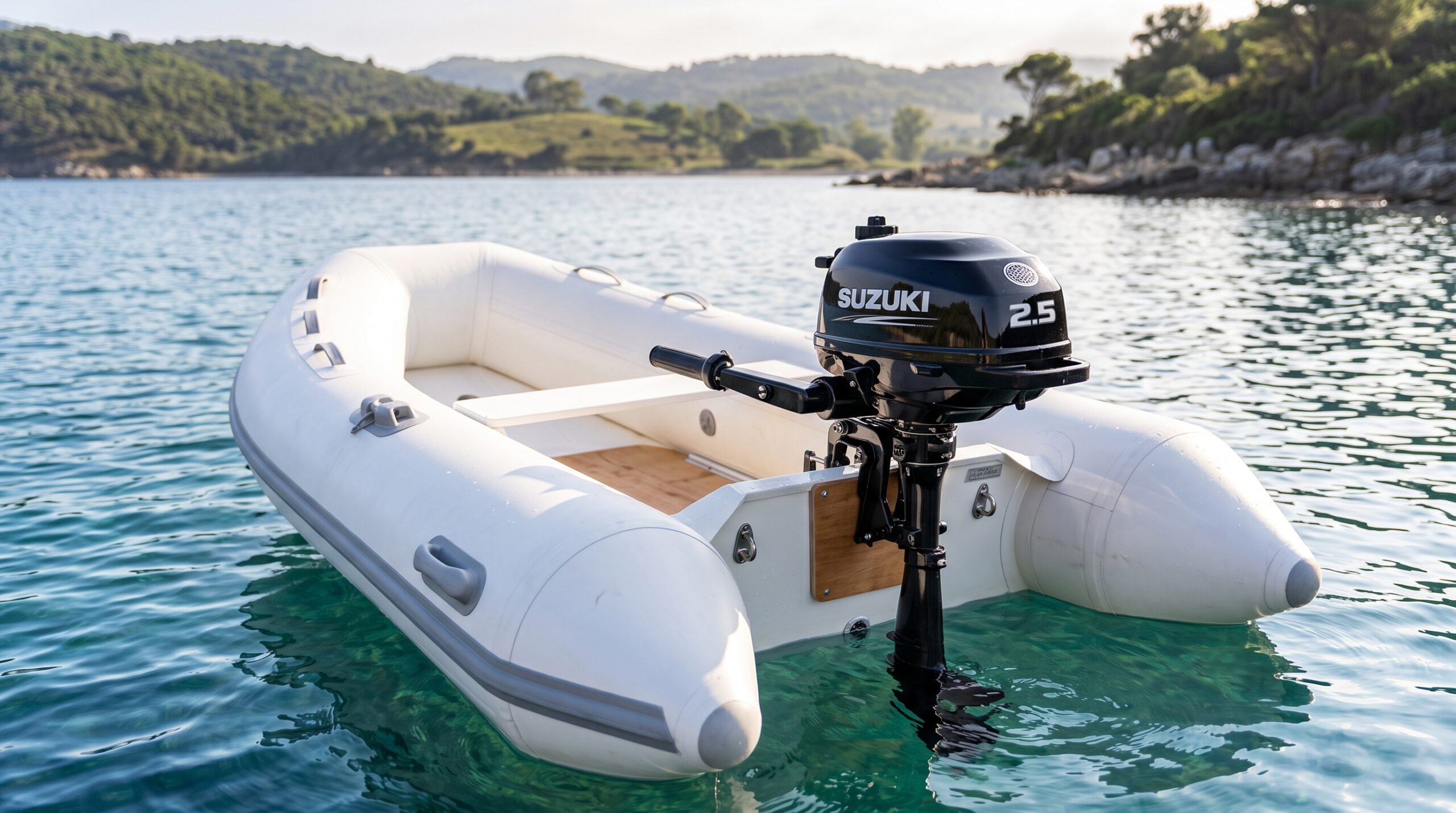
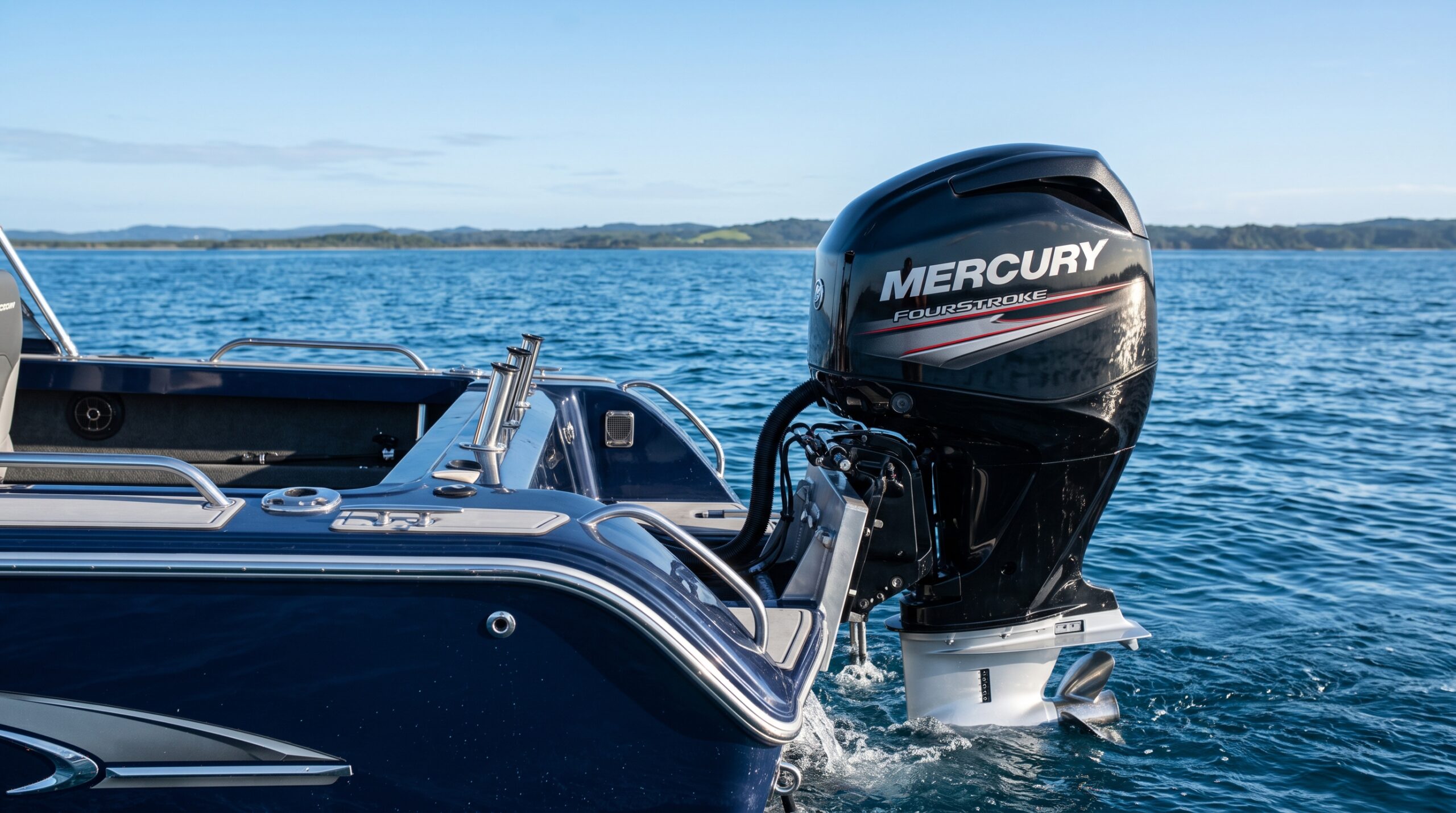
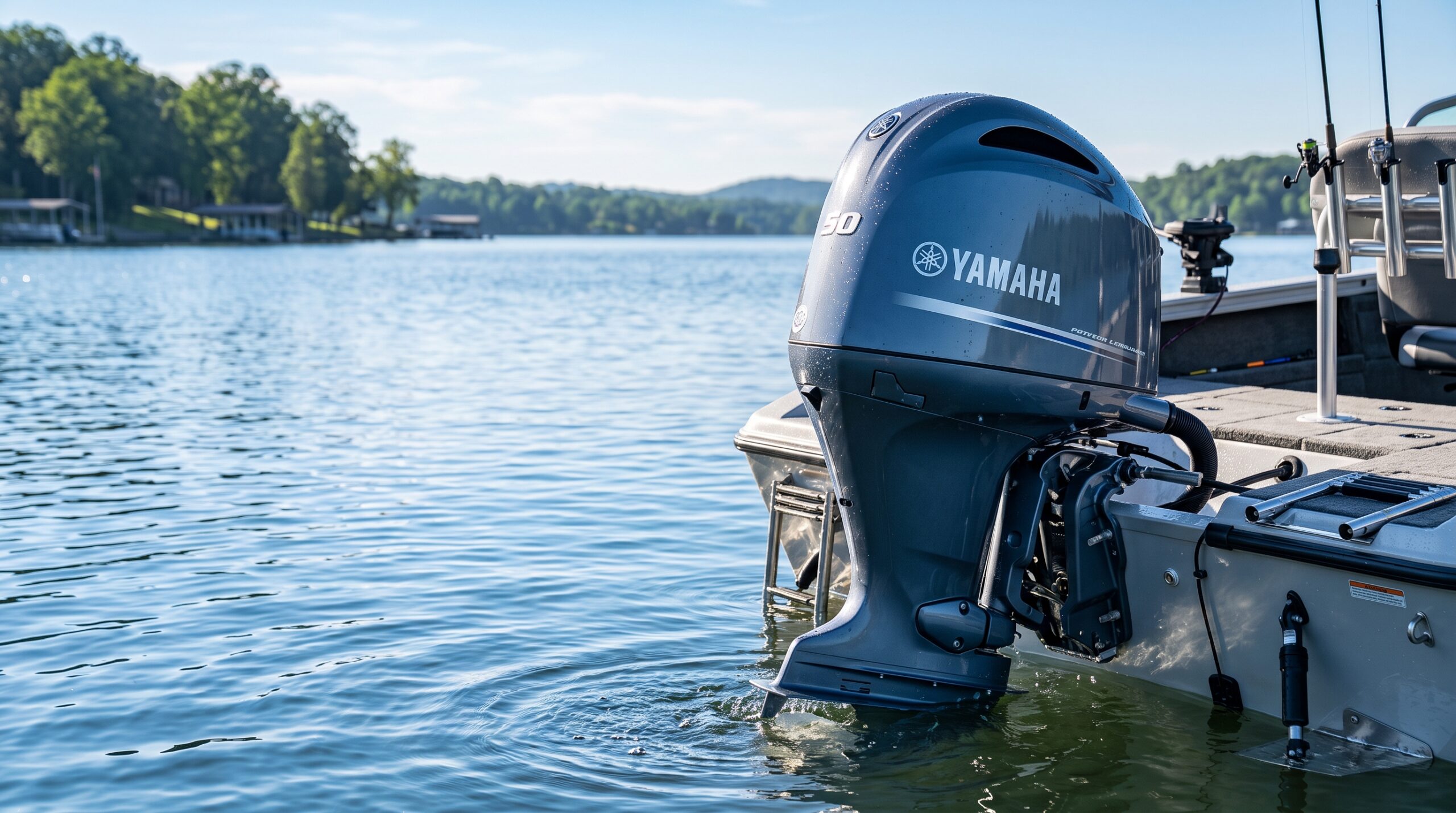
When you look at a boat moving across a lake, river, or ocean, you may notice a motor attached to the back of the boat. This motor helps the boat move through the water and allows the operator to control its direction and speed. It is called an outboard motor. If you have ever wondered what is an outboard on a boat, the answer is simple. An outboard is a self-contained engine and propulsion system mounted on the outside of a boat, usually at the stern, which is the rear of the vessel.
Outboard motors are common on fishing boats, small recreational boats, inflatable boats, and many other types of watercraft. They are popular because they are relatively easy to install, convenient to maintain, and available in different power levels. Some are small enough for lightweight boats, while others provide enough power for larger recreational vessels.
Understanding how an outboard motor works can help boat owners choose the right engine, maintain their equipment, and operate their boats more confidently. This guide explains the purpose of an outboard motor, its main components, the different types available, and the factors to consider when selecting and maintaining one.
What Is an Outboard on a Boat?
An outboard motor is an engine designed to power a boat from outside its hull. Unlike an inboard engine, which is installed inside the boat, an outboard motor is mounted on the transom, the flat or shaped section at the back of the vessel. The motor combines several important components into one unit, including the engine, transmission or gearcase, driveshaft, and propeller.
The main purpose of an outboard motor is to produce thrust. Thrust is the force that moves a boat forward or backward through the water. The engine produces mechanical power, which turns the propeller. As the propeller rotates, it pushes water in one direction and creates a force that moves the boat in the opposite direction.
An outboard motor also helps the operator steer the boat. Many conventional outboards turn from side to side on their mounting brackets, allowing the operator to change the direction of the propeller’s thrust. Larger or more advanced systems may use remote steering controls.
Outboard motors are available in gasoline-powered and electric versions. Gasoline models remain widely used for many boating activities, while electric outboards are becoming more popular for applications where quiet operation and reduced direct emissions are important.
When people ask what is an outboard on a boat, they are often trying to understand the difference between the engine and the boat itself. The boat provides the structure that floats on the water, while the outboard supplies the power needed for movement and, in many designs, steering.
Where Is an Outboard Motor Located?
An outboard motor is usually attached to the stern of a boat. The stern is the rear part of the vessel, opposite the bow, which is the front. The motor is secured to a strong mounting area called the transom.
Depending on the motor’s design, it may be attached using mounting clamps, bolts, or a dedicated mounting bracket. Small portable outboards often use clamps that allow them to be removed when needed. Larger motors generally require a more permanent mounting arrangement that can support their weight and withstand the forces created during operation.
The mounting position is important because it affects how the propeller sits in the water. If the motor is mounted too high or too low, the boat may not perform as intended. An incorrect mounting position can also affect steering, cooling, fuel efficiency, and the risk of propeller ventilation.
Outboard motors can be mounted on different types of boats, including aluminum fishing boats, fiberglass recreational boats, rigid inflatable boats, and some commercial vessels. However, the boat must be designed to support the motor’s weight and power.
The manufacturer’s recommendations should always guide motor installation. A suitable mounting arrangement helps the engine operate safely and allows the boat to perform as intended.
What Does an Outboard Motor Do?
An outboard motor performs several functions that allow a boat to travel across the water. Its main job is propulsion, but it also supports steering and speed control.
The engine converts energy into mechanical power. In a gasoline outboard, fuel burns inside the engine to produce this power. In an electric outboard, an electric motor converts electrical energy from a battery into rotational motion.
That rotational motion passes through the driveshaft and gearcase to the propeller. The propeller then pushes water backward, creating forward movement. The amount of thrust produced depends on several factors, including engine power, propeller design, engine speed, and the boat’s load.
The operator controls speed using a throttle. Increasing throttle generally increases engine output, while reducing throttle lowers the power delivered to the propeller. Actual boat speed also depends on hull design, water conditions, wind, and total weight.
Steering is another important function. On many outboards, turning the motor changes the direction of the propeller’s thrust. This allows the operator to guide the boat toward the desired direction.
Some outboard systems also support reverse movement. Depending on the design, reverse may be achieved by changing the gear selection so the propeller produces thrust in the opposite direction. Other systems use different propulsion arrangements.
Together, these functions make an outboard motor a practical and versatile choice for many boats.
How Does an Outboard Motor Work?
An outboard motor works by converting energy into motion. Although gasoline and electric models use different power sources, both are designed to turn a propeller or another propulsion device to move a boat.
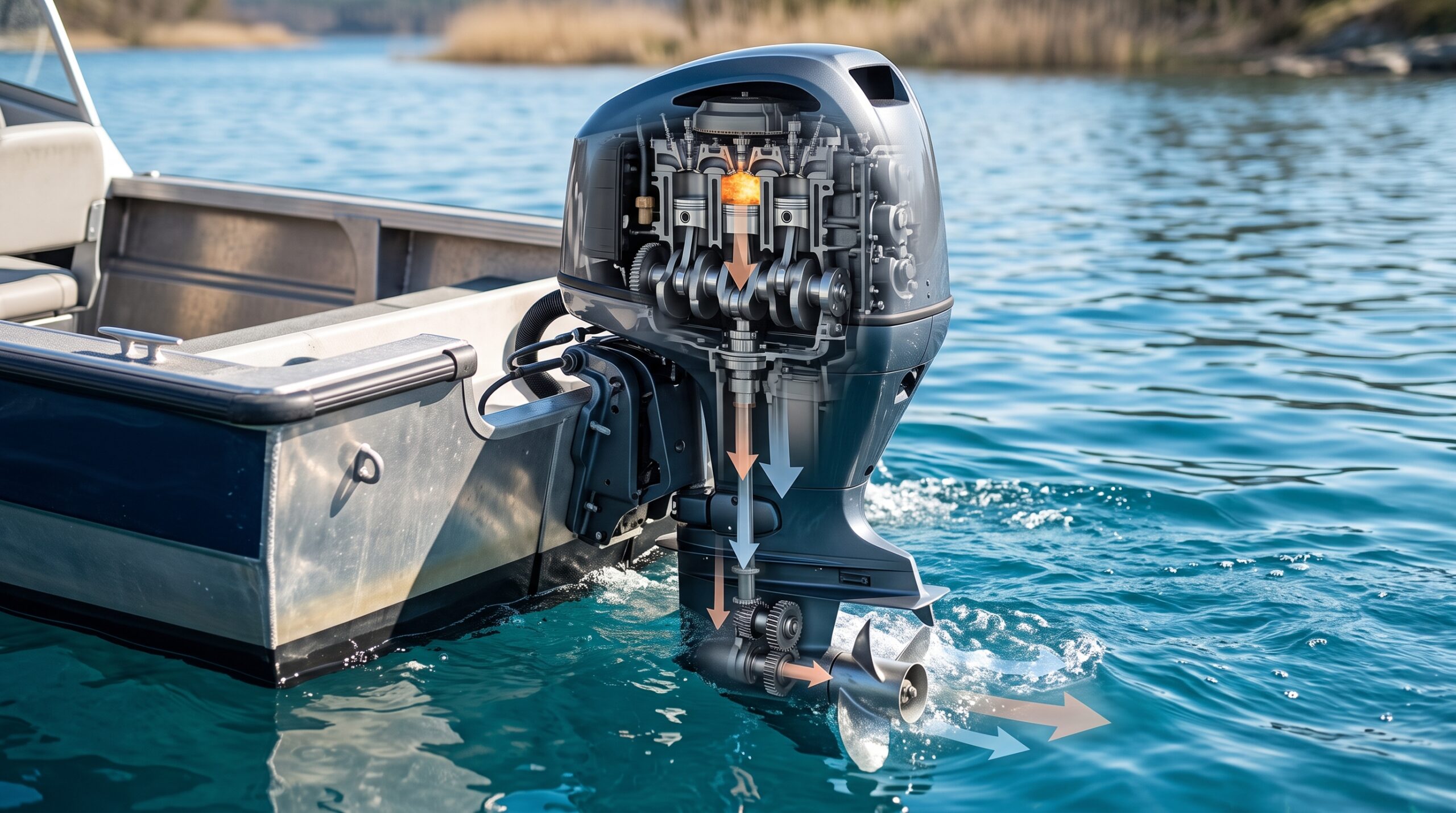
In a gasoline outboard, the process begins when the engine receives fuel and air. The engine uses combustion to generate force that moves internal components. This movement turns a crankshaft, which transfers rotational power to the driveshaft.
The driveshaft runs down through the motor’s midsection to the gearcase. Inside the gearcase, gears transfer the engine’s rotation to the propeller shaft. The propeller shaft turns the propeller, which moves water and generates thrust.
The cooling system helps prevent the engine from overheating. Many conventional outboards draw water from their surroundings and circulate it through cooling passages. The exact cooling design depends on the engine model.
An electric outboard follows a different process. Electricity flows from a battery to an electric motor, which produces rotational motion. A control system regulates the power delivered to the motor. The propulsion unit then turns the propeller and moves the boat.
The operator manages the motor through tiller controls or a remote control system. Depending on the design, these controls may regulate throttle, steering, forward and reverse gears, and engine shutdown.
Although the internal systems vary, the basic purpose remains the same: convert available energy into controlled thrust so the boat can travel through the water.
How Does an Outboard Engine Create Power?
Gasoline outboards commonly use internal combustion engines. These engines burn a mixture of fuel and air inside cylinders to generate mechanical energy. The resulting force moves pistons, and the movement of the pistons turns a crankshaft.
Two-stroke and four-stroke engines complete their operating cycles in different ways. A two-stroke engine completes its power cycle over two piston strokes, while a four-stroke engine uses four strokes. Their designs affect lubrication, fuel consumption, emissions, and maintenance requirements.
Electric outboards do not burn gasoline to produce motion. Instead, their electric motors use electrical energy to create rotational force. Their performance depends on motor power, battery capacity, electrical efficiency, and the load placed on the boat.
How Does an Outboard Propeller Move a Boat?
The propeller is one of the most important parts of an outboard motor. It has blades designed to move water when they rotate. The shape, diameter, pitch, and number of blades affect how the propeller interacts with the water.
As the propeller turns, it accelerates water away from the boat. This produces thrust in the opposite direction and pushes the boat forward. Changing the direction of the thrust allows the boat to move backward or turn.
A suitable propeller helps the engine operate within its recommended range. An unsuitable propeller may reduce performance, increase fuel consumption, or prevent the engine from reaching its specified operating range.
How Do Outboard Steering and Throttle Controls Work?
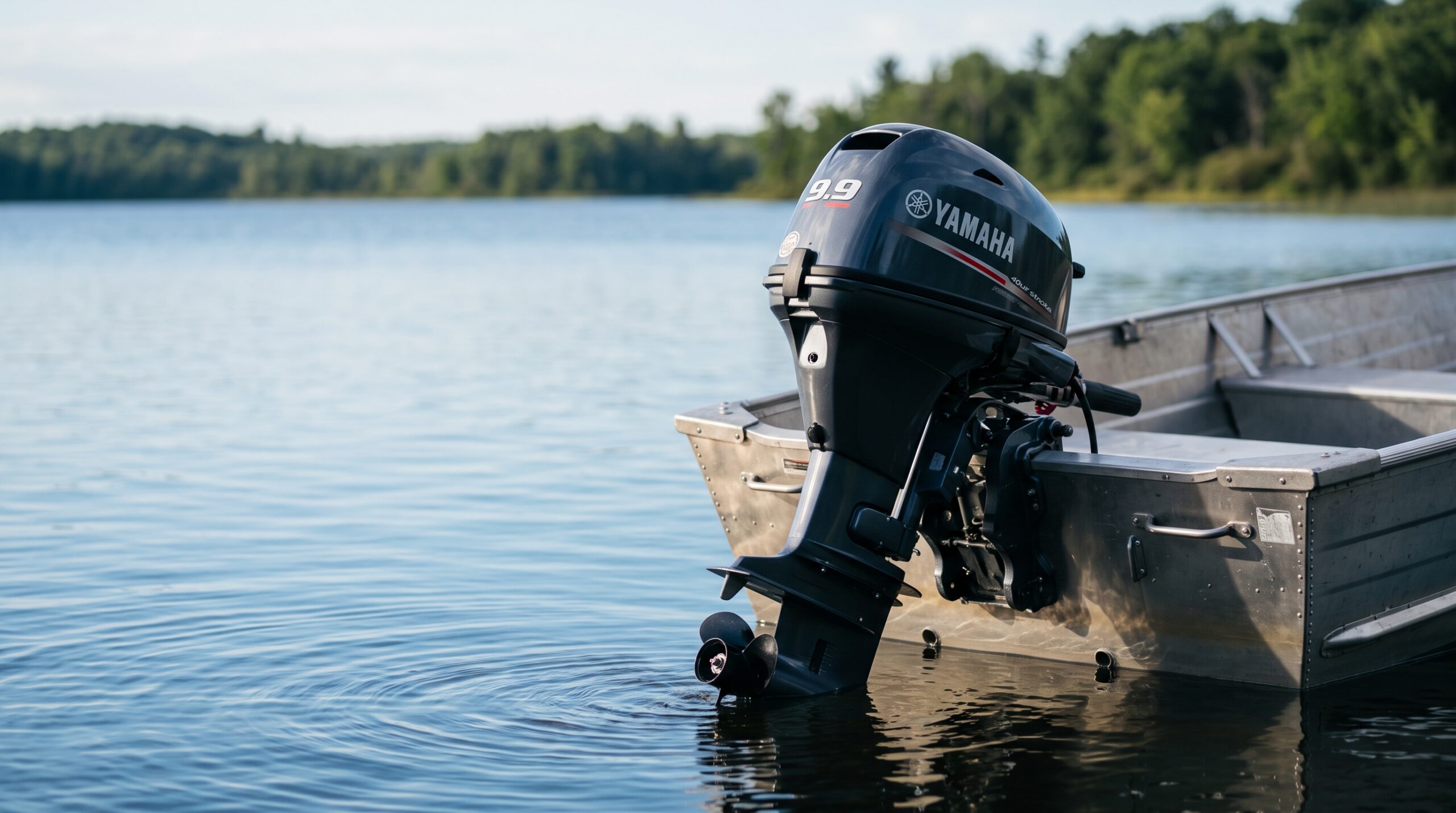
Outboard motors can use tiller steering or remote steering. A tiller is a handle attached to the motor that allows the operator to control direction and, on many small motors, engine speed. It is commonly found on portable outboards and smaller fishing boats.
Remote steering systems allow the operator to control the motor from a separate position, often at a console. These systems may use mechanical cables, hydraulic equipment, or electronic controls, depending on the design.
The throttle controls the power supplied by the engine. Gear selection determines whether the propulsion system is set for forward, neutral, or reverse operation when those functions are available.
Operators should understand the controls before starting the motor and follow the manufacturer’s operating instructions.
What Are the Main Parts of an Outboard Motor?
An outboard motor contains several connected systems that work together to move a boat. Knowing the main components makes it easier to understand how the engine operates and why routine maintenance matters.
The exact parts vary according to the motor’s size, power source, and design. However, most conventional gasoline outboards include a powerhead, midsection, gearcase, propeller, mounting system, cooling system, fuel system, and steering controls.
Powerhead and Engine
The powerhead contains the engine’s main working components. In a gasoline outboard, these include the cylinders, pistons, crankshaft, fuel and ignition components, and other parts needed to generate mechanical power.
The powerhead is responsible for converting fuel energy into rotational motion. Because it produces heat and contains moving parts, it requires suitable lubrication and cooling.
Electric outboards use an electric motor and associated electronic components instead of a conventional gasoline powerhead. Their construction can be simpler in some respects because they do not require combustion, engine oil for internal combustion components, or the same fuel system as gasoline models.
Midsection and Mounting Bracket
The midsection connects the powerhead to the lower part of the outboard. It usually contains the driveshaft housing and supports important systems that run between the engine and gearcase.
The mounting bracket secures the outboard to the boat. It must support the motor’s weight and resist the forces generated while the boat moves. Many outboards also have a tilt mechanism that allows the motor to be raised out of the water when appropriate.
Some models offer power trim and tilt, which allow the operator to adjust the motor’s angle using powered controls. Proper adjustment can help with handling and performance, but it should follow the manufacturer’s guidance.
Gearcase and Propeller
The gearcase sits near the lower end of a conventional outboard. It contains gears that transfer rotation from the driveshaft to the propeller shaft. It also holds lubricant for the gears and related components.
The propeller attaches to the propeller shaft and converts rotational power into thrust. It is exposed to water, debris, and possible impacts, so it should be inspected regularly.
Damaged propeller blades can cause vibration, reduce performance, and place additional strain on engine components. A suitable replacement should match the motor’s specifications and the boat’s intended use.
Cooling System and Fuel System
Many gasoline outboards use water from their surroundings to help remove heat from the engine. Water passes through cooling passages before being discharged according to the motor’s design. The operator should monitor cooling indicators and follow the manufacturer’s instructions if an overheating warning appears.
The fuel system supplies the engine with the fuel it needs to operate. Depending on the model, it may include a fuel tank, fuel lines, filters, pumps, injectors, or carburetor components.
Fuel quality, proper storage, and routine inspection all matter. Fuel leaks, damaged lines, or contaminated fuel can create performance and safety problems. Any suspected leak should be addressed before the engine is operated.
Steering and Control System
The steering system changes the direction in which the outboard applies thrust. Smaller motors may use direct tiller steering, while larger motors often connect to remote steering equipment.
The control system allows the operator to manage engine speed and gear selection. Modern systems may include electronic controls, engine monitoring, and warning indicators.
All steering and control components should move correctly and respond as intended. A problem with steering, throttle, or gear selection should be investigated before the boat is used.
What Are the Different Types of Outboard Motors?
Outboard motors differ according to their power source, engine cycle, size, and intended application. Choosing the right type depends on the boat, the expected workload, the available budget, and the conditions in which the boat will operate.
Two-Stroke Outboard Motors
A two-stroke outboard completes its operating cycle over two piston strokes. These engines have traditionally been valued for their relatively simple construction and high power compared with their size and weight.
Older two-stroke gasoline models may require oil to be mixed with fuel or supplied through a separate lubrication system. Their fuel use and emissions can differ significantly from those of modern four-stroke engines and newer direct-injection designs.
Many older two-stroke outboards remain in use, but buyers should carefully inspect their condition, service history, and compliance with applicable emissions requirements. Maintenance needs depend on the specific engine design.
Four-Stroke Outboard Motors
A four-stroke outboard completes its operating cycle over four piston strokes. These engines use a separate engine lubrication system and generally do not require the operator to mix lubrication oil into the gasoline.
Modern four-stroke outboards are popular because many models offer good fuel efficiency, smooth operation, and relatively low exhaust emissions compared with older conventional two-stroke designs.
However, four-stroke motors can have more internal components and may weigh more than comparable two-stroke models. Their purchase price, service requirements, and operating costs depend on the brand, horsepower, and design.
Regular oil changes, filter inspections, and scheduled maintenance are important for long-term reliability.
Electric Outboard Motors
Electric outboards use an electric motor powered by a battery. They are often chosen for quiet operation, reduced direct emissions during use, and straightforward operation.
Because they do not burn gasoline, electric outboards avoid exhaust emissions at the point of use. They also eliminate many maintenance tasks associated with combustion engines, although the motor, battery, electrical connections, and other components still require proper care.
Battery capacity affects operating time and range. A boat carrying a heavy load or traveling at higher speeds will generally use more energy than a lightly loaded boat moving slowly.
Electric outboards can be suitable for small boats, fishing, protected waters, and other applications where their power and range meet the operator’s needs. Charging access and battery replacement costs should be considered before buying.
Gasoline-Powered Outboard Motors
Gasoline outboards remain a common choice for recreational boating, fishing, transportation, and commercial work. They are available across a wide range of horsepower ratings and can support many different boat sizes.
Their advantages include widespread availability, established service networks, and the ability to refuel relatively quickly where gasoline is accessible. However, gasoline engines require proper fuel storage, regular servicing, and precautions against fire and exhaust exposure.
The correct gasoline outboard depends on the boat’s maximum rated horsepower, weight, expected operating conditions, and manufacturer’s recommendations. Choosing a motor based only on its advertised power can lead to an unsuitable setup.
What Are the Benefits of an Outboard Motor?
Outboard motors offer several advantages that make them suitable for a wide range of boats. Their design keeps the main propulsion unit outside the hull, which can free up interior space and make some maintenance tasks easier.
Easy Maintenance and Repairs
Because an outboard is mounted outside the boat, many service points are relatively accessible. A technician can often inspect the engine, propeller, mounting hardware, and external systems without working inside a confined engine compartment.
Outboards are also available through many marine service providers. This can make routine servicing and replacement parts easier to arrange, depending on the brand and location.
Maintenance is still essential. Gasoline outboards require attention to their lubrication, cooling, fuel, ignition, and gearcase systems. Electric models require appropriate care for their batteries, electrical connections, and propulsion components.
More Space Inside the Boat
An outboard motor does not require the same type of internal engine installation as a conventional inboard system. This can leave more room inside the hull for passengers, fishing equipment, storage, or other uses.
The amount of space gained depends on the boat’s design. Some boats are specifically built around an outboard, while others may have layouts that accommodate different propulsion arrangements.
Simple Installation and Replacement
Many outboards are designed to be mounted on a suitable transom or purpose-built bracket. Portable models can often be removed relatively easily, while larger motors require more substantial mounting arrangements and professional installation.
This design can make it convenient to replace an aging motor without redesigning the entire boat. However, the replacement must be compatible with the boat’s weight limits, transom structure, controls, electrical system, and maximum rated horsepower.
Convenient Steering and Maneuverability
An outboard can provide both propulsion and steering through the direction of its thrust. This arrangement is useful for fishing boats, small recreational vessels, and many boats that need to operate in restricted areas.
Some models also feature power steering, trim controls, and advanced electronic systems. These features can improve ease of operation, but their value depends on the size of the boat and the intended use.
What Are the Disadvantages of an Outboard Motor?
Although outboard motors offer many benefits, they also have limitations. Understanding these drawbacks helps boat owners decide whether an outboard is suitable for their needs.
Noise and Fuel Consumption
Gasoline outboards produce engine noise and exhaust emissions. Noise levels vary according to engine design, power, load, and operating speed. Newer models may operate more quietly than older engines, but they still require consideration of noise and exhaust safety.
Fuel consumption also varies. Larger engines generally use more fuel when producing greater power, while boat weight, hull shape, speed, weather, and propeller selection affect the amount of fuel required.
Electric outboards avoid gasoline combustion noise and direct exhaust emissions, but their operating range depends on battery capacity and energy demand.
Exposure to Weather and Saltwater
Outboards are exposed to water, sunlight, salt, and changing weather conditions. Saltwater can accelerate corrosion, particularly when metal components are not properly protected or maintained.
Freshwater and saltwater use both require care, but saltwater operation often demands more attention to rinsing, corrosion protection, and inspection.
Boat owners should follow the manufacturer’s guidance on flushing, storage, and corrosion prevention. Appropriate maintenance helps reduce damage and supports reliable operation.
Engine Size and Power Limitations
Every boat has limits on the size and power of the motor it can safely support. Installing an engine that exceeds the boat’s rated horsepower can create serious handling and structural risks.
A motor that is too small for the intended load may struggle to move the boat efficiently. A motor that is too large may add excessive weight or produce more power than the hull is designed to handle.
The right choice is not necessarily the most powerful engine available. It is the motor that matches the boat’s design, intended use, and manufacturer’s specifications.
What Is the Difference Between an Outboard and an Inboard Motor?
The main difference between an outboard and an inboard motor is where the engine is installed and how it delivers power to the water.
An outboard motor is mounted outside the hull, usually at the stern. Its engine, gearcase, and propeller are generally combined into one unit. Many outboards also steer by changing the direction of the motor.
An inboard engine is installed inside the boat. It usually connects to a separate propulsion system, such as a propeller shaft that passes through the hull. Steering is commonly handled by a separate rudder or another steering arrangement, depending on the design.
Outboards can offer convenient access for maintenance and help preserve interior space. Inboards can be useful for boats designed around an internal engine arrangement, including some larger vessels and boats built for particular working or recreational purposes.
Neither system is automatically better for every boat. The right choice depends on the hull design, available space, intended use, performance requirements, service access, and total ownership costs.
Outboard vs. Inboard Engine Placement
An outboard is normally visible at the back of the boat, with much of the propulsion unit located outside the hull. An inboard engine is installed within the boat’s structure, often in a dedicated engine compartment.
The placement affects weight distribution, internal space, access for service, and the way propulsion components are arranged. The overall effect depends on the boat’s design.
Maintenance and Repair Differences
Outboard motors are often accessible from outside the boat, which can simplify certain inspection and service tasks. Inboard engines may require access to an engine compartment and connected propulsion components.
Both types need regular maintenance. The exact service schedule depends on the engine design, operating hours, environment, and manufacturer’s requirements.
Which Type Is Better for Your Boat?
An outboard may be a practical choice for fishing boats, smaller recreational vessels, and boats that benefit from flexible engine replacement or accessible service points.
An inboard may be appropriate for boats designed to accommodate an internal engine and a separate propulsion system. Larger vessels and some specialized boats may benefit from this configuration.
The best option is the one that suits the boat’s design and operating requirements rather than a general preference for one engine type.
How Do You Choose the Right Outboard Motor for a Boat?
Choosing an outboard requires more than comparing engine prices or horsepower ratings. The motor must be compatible with the boat and capable of meeting the demands of the activities for which it will be used.
Before buying, review the boat’s specifications, expected passenger and equipment load, typical operating conditions, maintenance requirements, and available service support.
Check the Boat’s Recommended Horsepower
Horsepower describes the engine’s power output. Outboards are sold in a wide range of horsepower ratings, from small portable units to powerful engines for larger boats.
Every boat has a recommended or maximum horsepower rating specified by its manufacturer. This rating must be respected. The correct engine should also meet any relevant capacity and installation requirements.
Selecting an engine involves balancing adequate power with safe handling, suitable weight, and operating costs. A qualified marine technician can help determine which models are compatible with a particular boat.
Consider Boat Size and Weight
Boat length alone does not determine the correct motor size. Hull design, total weight, passenger capacity, equipment, and intended operating conditions also affect the amount of power needed.
A heavily loaded boat generally requires more thrust than a lightly loaded one. Boats designed for planing at higher speeds may have different power requirements from displacement hulls intended for slower travel.
Consider the combined weight of passengers, fuel, equipment, and other supplies. The boat must remain within its rated capacity, and the motor must fit its design limits.
Choose the Right Shaft Length
Outboard motors are available with different shaft lengths to suit different transom heights and hull designs. The shaft must place the propeller at an appropriate depth when the motor is installed.
A shaft that is too short may position the propeller too close to the surface, increasing the risk of ventilation and loss of thrust. A shaft that is too long may create excess drag or place the motor at an unsuitable depth.
The correct length depends on the boat’s transom dimensions and the manufacturer’s recommendations. Measuring the boat properly before purchasing a motor helps avoid installation problems.
Compare Fuel Efficiency and Operating Costs
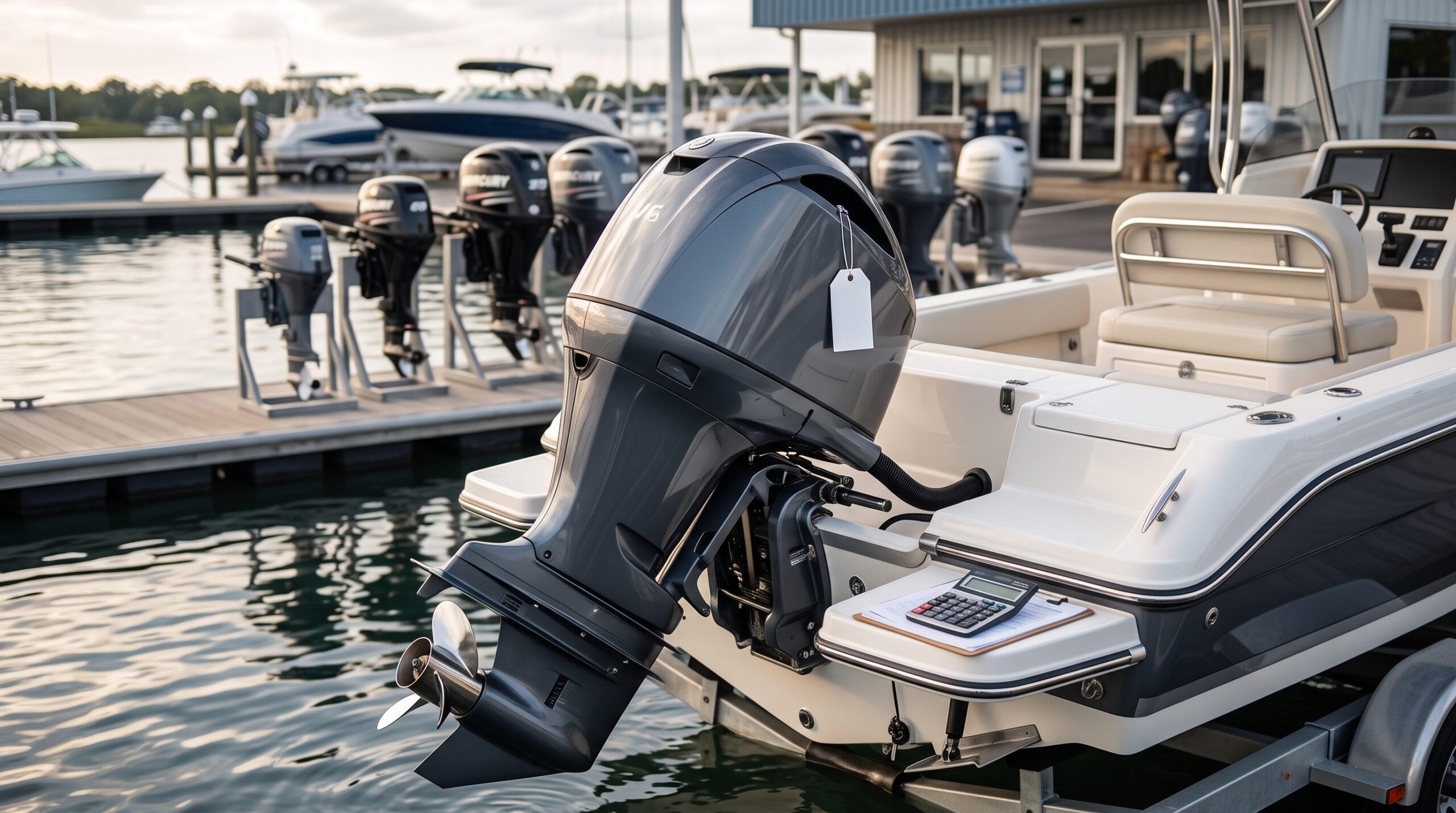
The purchase price is only one part of the cost of owning an outboard motor. Boat owners should also consider fuel, routine servicing, replacement parts, insurance where applicable, storage, and possible repairs.
Fuel use depends on engine design, horsepower, operating speed, boat load, and water conditions. A larger motor may offer more power, but it can also cost more to operate when used at high output.
Electric outboards require consideration of battery purchase, charging, replacement, and expected operating range. Comparing total ownership costs can help identify the most suitable option for a particular budget.
Consider New vs. Used Outboard Motors
A new outboard usually offers a known service history, current manufacturer documentation, and warranty coverage according to the seller’s terms. It may also include modern engine technology and updated control systems.
A used motor can cost less upfront, but its condition matters more than its age or appearance. Buyers should review maintenance records, check for corrosion and damage, and confirm that the motor is compatible with the boat.
A professional inspection can help identify problems that are difficult to spot during a basic visual check. The buyer should also verify the motor’s identification details and confirm that any necessary documentation is available.
How Do You Maintain an Outboard Motor?
Regular maintenance helps an outboard motor operate reliably and can reduce the risk of unexpected problems. The correct maintenance schedule depends on the specific model, its age, operating hours, and the conditions in which it is used.
Boat owners should follow the owner’s manual rather than relying on a single schedule for all motors. Saltwater use, frequent operation, long periods of storage, and demanding workloads may require additional attention.
Inspect the Propeller Regularly
The propeller should be checked for visible damage, unusual wear, and debris. Bent or damaged blades can cause vibration, reduce efficiency, and affect the motor’s performance.
Before inspecting or cleaning the propeller, follow the manufacturer’s safety procedure. The engine should be switched off, the ignition disabled as directed, and the propeller handled only when it cannot start unexpectedly.
A damaged propeller should be repaired or replaced with a suitable part. Its specifications should match the motor and the boat’s intended operation.
Check Engine Oil and Fluids
Four-stroke gasoline outboards require regular engine oil checks and oil changes according to the manufacturer’s schedule. Correct oil type and quantity are important for lubrication and engine protection.
The gearcase lubricant should also be inspected and changed at the recommended intervals. Discolored lubricant, water contamination, or visible metal particles may indicate a problem that requires professional attention.
Not every outboard uses the same lubrication system. Some two-stroke engines use a different arrangement, and electric outboards do not require engine oil for internal combustion components.
Maintain the Cooling System
An engine’s cooling system helps control operating temperature. On many gasoline outboards, water is drawn from the surrounding water and circulated through cooling passages.
Operators should understand the motor’s cooling indicators and warning systems. If an overheating warning appears or the cooling system does not behave as described in the owner’s manual, the engine should be stopped and inspected according to the manufacturer’s guidance.
Routine maintenance may include inspecting water intakes and following the recommended flushing procedure. Cooling-system repairs should be handled by a qualified technician when the cause is unclear.
Flush the Engine After Saltwater Use
Salt can remain on the motor after boating and contribute to corrosion. Many outboard manufacturers recommend flushing compatible cooling systems with fresh water after saltwater use.
The procedure differs by model. Some motors have dedicated flushing connections, while others require a different approved method. Always follow the owner’s manual and never run an outboard without the cooling-water supply required by its design.
Flushing helps remove salt deposits, but it does not replace other maintenance tasks. External rinsing, corrosion inspections, and proper storage are also important.
Follow the Manufacturer’s Service Schedule
An outboard’s maintenance schedule may include oil and filter changes, spark plug inspection, fuel-system service, gearcase checks, lubrication, and inspection of steering and mounting hardware.
Electric outboards may require checks of battery connections, electrical cables, corrosion protection, and battery condition. The details depend on the manufacturer and system design.
Keep a record of service dates, operating hours, repairs, and replacement parts. A clear maintenance history can make future servicing easier and help when the motor is sold.
How Long Does an Outboard Motor Last?
There is no single lifespan that applies to every outboard motor. Service life depends on engine design, manufacturing quality, maintenance, operating hours, storage conditions, and the environment in which the motor is used.
A motor that receives regular maintenance and is operated within its specified limits may remain serviceable for many years. Poor storage, neglected maintenance, overheating, contaminated fuel, or frequent operation under excessive load can shorten its useful life.
Operating hours can provide useful information, but they do not tell the whole story. A well-maintained motor with more hours may be in better condition than a neglected motor that has been used less.
When assessing an older outboard, review the service history and look for signs of corrosion, leaks, unusual noises, damaged components, and difficulty starting. A marine technician can perform a more detailed assessment before a purchase or major repair decision.
Factors That Affect Outboard Motor Life
Maintenance is one of the most important factors affecting engine life. Following the manufacturer’s service schedule helps protect the engine and propulsion system from avoidable wear.
The operating environment also matters. Saltwater, humidity, and long periods without proper storage can contribute to corrosion. Frequent operation under heavy loads may increase wear compared with lighter use, depending on the motor and conditions.
Fuel quality, cooling performance, lubrication, and correct propeller selection also affect reliability. Addressing minor problems early may prevent more serious damage later.
Signs an Outboard Motor Needs Repair
Changes in engine performance can indicate a developing problem. Warning signs may include unusual vibration, overheating alerts, repeated stalling, difficulty starting, loss of power, fluid leaks, or unexpected changes in noise.
Electrical problems can affect starting and control systems, while cooling-system issues may cause the engine to overheat. Fuel-system problems may lead to poor running or inconsistent power.
Warning indicators should never be ignored. Stop operating the motor when the manufacturer’s instructions require it, and seek qualified service if the problem cannot be safely identified and corrected.
How to Extend an Outboard Motor’s Lifespan
Use the correct fuel and lubricants, follow the maintenance schedule, and avoid operating the engine outside its recommended limits. Check the propeller, cooling indicators, and external components regularly.
After use in saltwater, follow the recommended flushing and corrosion-prevention procedures. Store the motor according to the manufacturer’s instructions, especially when it will remain unused for an extended period.
Keep service records and use compatible replacement parts. Proper care cannot eliminate every mechanical problem, but it can help maintain performance and reduce avoidable wear.
Frequently Asked Questions About Outboard Motors
Can a Boat Run Without an Outboard Motor?
Yes, a boat can move without an outboard motor if it uses another suitable form of propulsion. Depending on the boat’s design, this may include paddles, oars, sails, an inboard engine, or another propulsion system.
However, a boat designed to rely on an outboard will not have its usual powered movement if the motor is removed or stops working. The safest response to an engine failure depends on the location, weather, water conditions, and available equipment.
Is an Outboard Motor the Same as a Boat Engine?
An outboard motor is a type of boat engine and propulsion system. The term specifically describes a motor mounted outside the hull, usually at the stern.
Boat engines also include inboard engines and other specialized propulsion systems. The main difference is how and where the equipment is installed and how it transfers power to the water.
How Much Horsepower Does a Boat Need?
The required horsepower depends on the boat’s design, size, weight, intended use, and manufacturer’s specifications. There is no single horsepower rating that suits every boat.
Always check the boat’s capacity plate or official documentation. Never exceed the maximum rated horsepower, and consult a qualified marine professional if the appropriate motor size is unclear.
Are Outboard Motors Easy to Maintain?
Outboard motors can be relatively convenient to service because many components are accessible from outside the boat. However, ease of maintenance depends on the model, its condition, and the type of work required.
Basic inspections may be straightforward for an owner who follows the manual, but complex engine, fuel, electrical, and cooling-system repairs may require a qualified technician.
Do Outboard Motors Use Gas or Electricity?
Outboard motors can use gasoline or electricity. Gasoline models use internal combustion engines, while electric models use batteries to power an electric motor.
The best option depends on the required power, operating range, available fuel or charging facilities, budget, and intended boating activities.
Can You Leave an Outboard Motor in the Water?
Whether an outboard can remain in the water depends on the motor, boat, water conditions, and manufacturer’s recommendations. Some installations are intended for regular use while the boat remains afloat, but prolonged immersion can increase corrosion and marine growth, especially in saltwater.
Follow the owner’s manual for storage, tilt position, flushing, and corrosion protection. If the boat will remain unused for a long time, appropriate storage practices can help protect the motor.
Conclusion
Understanding what an outboard on a boat is helps explain how many modern boats move through the water. An outboard motor is a propulsion system mounted outside the hull, usually at the stern. It combines an engine or electric motor with the components needed to turn a propeller and generate thrust.
Outboards are available in several designs, including two-stroke, four-stroke, gasoline-powered, and electric models. Each type has different advantages, operating requirements, and costs. The right motor depends on the boat’s specifications, intended use, power needs, and maintenance budget.
Choosing a suitable outboard involves checking the boat’s horsepower rating, transom requirements, weight capacity, and expected operating conditions. Regular maintenance is equally important. Inspecting the propeller, caring for the cooling system, following the service schedule, and protecting the motor from corrosion can help support reliable operation.
Whether you own a small fishing boat or are learning about marine engines for the first time, understanding the basic functions of an outboard motor provides a useful foundation for making informed boating decisions. Always follow the manufacturer’s instructions and applicable boating safety requirements when installing, operating, and maintaining your motor.