Our Blogs
4 Stroke Outboard Engine: How It Works and Benefits


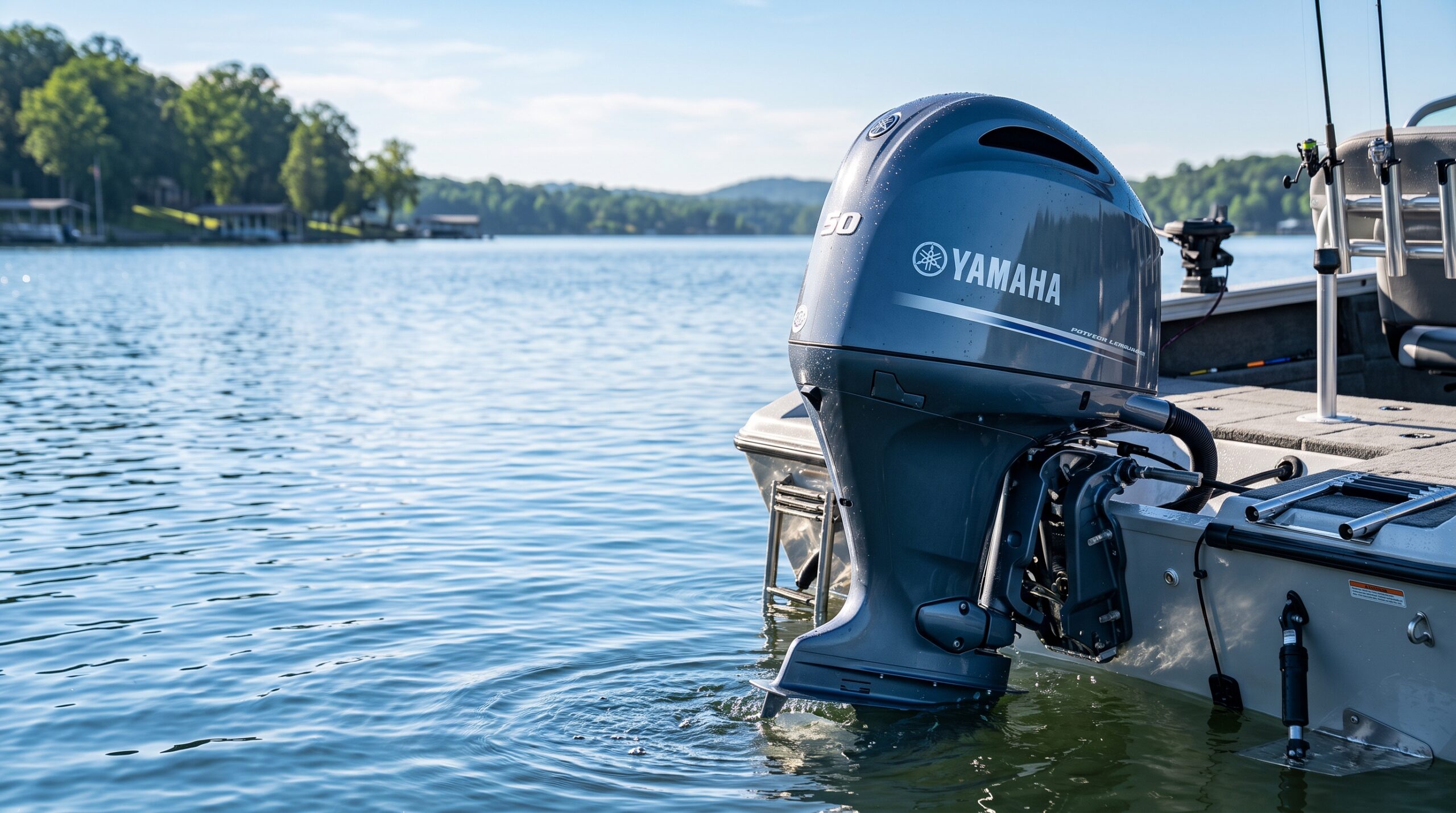
A 4-stroke outboard engine is a popular choice for boat owners who want reliable performance, good fuel efficiency, and smooth operation. These engines are widely used on fishing boats, recreational boats, small transport vessels, and many other types of watercraft. They are designed to provide steady power while controlling fuel consumption and exhaust emissions. Modern four-stroke outboard motors are available in many horsepower ratings, making them suitable for different boat sizes and boating activities.
Choosing the right outboard motor is an important decision because the engine affects a boat’s speed, handling, fuel use, and overall performance. A motor that is too small may struggle to move the boat efficiently, while an unsuitable high-powered engine may create safety and compatibility problems. Understanding how a 4 stroke outboard engine works can help boat owners make better decisions when purchasing, operating, or maintaining a marine motor.
Four-stroke technology has become an important part of the marine engine market because it offers several practical advantages. These include controlled combustion, separate engine lubrication, quieter operation in many applications, and efficient fuel use under suitable operating conditions. However, the performance of an outboard motor also depends on its design, horsepower, condition, installation, and maintenance history. Learning about these factors makes it easier to understand the value and limitations of a four-stroke engine.
What Is a 4 Stroke Outboard Engine?
A 4 stroke outboard engine is a marine propulsion system that uses four piston strokes to complete one combustion cycle. These strokes are known as intake, compression, power, and exhaust. The engine burns an air-fuel mixture inside its cylinders to create mechanical energy, which is transferred through the crankshaft and drive system to turn the propeller. The rotating propeller pushes water backward, helping move the boat forward.
An outboard engine is mounted externally on the boat’s transom, which is the rear section of the hull. This design combines the engine, transmission components, steering mechanism, and propeller drive into a single unit. Because the entire assembly is mounted outside the hull, it can usually be accessed more easily for routine inspections and servicing than an engine installed inside the boat.
Four-stroke outboard engines are available in different designs, including single-cylinder, twin-cylinder, and multi-cylinder configurations. Smaller models are often lightweight and portable, while larger engines use more cylinders and advanced electronic systems to produce greater power. The engine’s horsepower, displacement, weight, and intended operating conditions all influence its suitability for a particular boat.
A key feature of a 4 stroke outboard engine is its lubrication system. Engine oil circulates through internal components to reduce friction, manage heat, and protect moving parts. Unlike conventional premix two-stroke engines, most four-stroke outboards keep engine oil separate from gasoline during normal operation. However, the exact lubrication arrangement depends on the engine design, so owners should always follow the manufacturer’s instructions.
Four-stroke outboards are used for recreational boating, fishing, water sports, commercial transport, and other marine activities. Their versatility makes them an important option for boat owners who need dependable propulsion and manageable operating costs.
How Does a 4 Stroke Outboard Engine Work?
A 4 stroke outboard engine converts the chemical energy in gasoline into mechanical power. This process takes place inside the engine’s cylinders, where pistons move up and down while valves control the entry of air and fuel and the exit of exhaust gases. The crankshaft converts the pistons’ movement into rotational motion, which ultimately drives the propeller.
The complete combustion cycle requires four piston strokes, or two full crankshaft revolutions. During these revolutions, the engine takes in a fresh air-fuel charge, compresses it, burns it to produce power, and expels the resulting exhaust gases. The cycle repeats continuously while the engine is running.
The Intake Stroke
The intake stroke begins when the piston moves downward inside the cylinder. During this movement, the intake valve opens and allows air, or an air-fuel mixture depending on the fuel delivery system, to enter the combustion chamber. The downward movement creates the pressure difference needed to draw the charge into the cylinder.
Modern four-stroke outboard engines may use electronic fuel injection to control how much gasoline enters the engine. The system works with sensors and an electronic control unit to adjust fuel delivery according to operating conditions. Some engines use different fuel delivery arrangements, so the exact process varies by model.
Proper intake operation is essential for smooth engine performance. Restricted airflow, dirty filters where fitted, fuel delivery problems, or damaged components can interfere with combustion. When the intake system functions correctly, it supplies the engine with the air and fuel needed for efficient operation.
The Compression Stroke
After the intake stroke, the piston moves upward while the intake and exhaust valves remain closed. This movement compresses the air-fuel charge inside the combustion chamber. Compression increases the charge’s pressure and prepares it for combustion.
The compression ratio is an important engine specification. It describes the relationship between the cylinder’s volume when the piston is at its lowest position and its volume when the piston reaches the top of its travel. Engine designers select a suitable compression ratio based on the engine’s construction, fuel requirements, and performance goals.
Good compression helps the engine produce consistent power. Worn piston rings, damaged valves, or other internal problems can reduce compression and affect starting, acceleration, and overall performance. Correct maintenance and suitable operating practices help protect the engine’s internal components.
The Power Stroke
The power stroke produces the force that drives the engine. Near the end of the compression stroke, the spark plug ignites the compressed air-fuel mixture in a gasoline outboard engine. Combustion raises the pressure inside the cylinder, forcing the piston downward.
The piston transfers this force to the connecting rod, which turns the crankshaft. The crankshaft’s rotation provides the mechanical energy needed to operate the engine’s drive system. The power stroke is the main stage that generates useful output from the combustion process.
The amount of power produced depends on several factors, including engine displacement, combustion efficiency, fuel delivery, ignition timing, and engine speed. A properly maintained engine can operate more consistently because its fuel, ignition, cooling, and lubrication systems work together as intended.
The Exhaust Stroke
The exhaust stroke removes combustion gases from the cylinder. After the power stroke, the piston moves upward while the exhaust valve opens. The piston pushes the remaining gases out of the combustion chamber and into the exhaust system.
Once the exhaust stroke is complete, the engine begins another intake stroke. The valves open and close in a carefully timed sequence to keep the combustion cycle operating efficiently.
The exhaust system must work correctly to support engine performance and control emissions. Problems involving exhaust passages, cooling water, or related components can cause poor operation and may require professional inspection. Marine exhaust arrangements differ among engine models, making the manufacturer’s service guidance particularly important.
How the Four Strokes Work Together
The four strokes form one continuous operating cycle. Intake brings in the charge, compression prepares it for combustion, the power stroke produces mechanical energy, and exhaust removes the gases created during combustion. These stages repeat rapidly while the engine runs.
Although only one stroke produces the main combustion force in each cylinder during a complete four-stroke cycle, the rotating crankshaft and the engine’s moving components help maintain continuous operation. Multi-cylinder engines coordinate the cycles of their cylinders to provide smoother power delivery.
Understanding this process explains why the condition of the valves, piston rings, spark plugs, fuel system, and lubrication system matters. Each component supports a particular part of the cycle, and a fault in one area can affect the operation of the entire engine.
Key Features of a 4 Stroke Outboard Engine
Modern four-stroke outboard engines contain several systems that work together to provide propulsion. Although individual models differ, most include a fuel delivery system, ignition components, engine lubrication, cooling equipment, and a drive system connected to the propeller. Their design determines how efficiently the engine converts fuel into useful power.
Fuel Delivery System
The fuel delivery system supplies gasoline to the engine at the rate required for combustion. Depending on the design, a four-stroke outboard may use a carburetor or electronic fuel injection. Carbureted systems meter fuel through mechanical passages, while electronic fuel injection uses controlled fuel delivery to respond to changing operating conditions.
Fuel quality and cleanliness are important for reliable performance. Contaminated gasoline, water in the fuel, clogged filters, or deteriorated fuel lines can interfere with the engine’s operation. Fuel stored for long periods may also develop problems depending on its composition and storage conditions.
Regular inspection of the fuel system helps reduce the risk of starting difficulties and inconsistent performance. Owners should use the fuel grade recommended by the manufacturer and follow proper marine fuel storage and handling practices.
Lubrication System
The lubrication system reduces friction between moving engine components. Engine oil forms a protective film between surfaces, helping reduce wear and carry heat away from certain internal parts. It also assists in keeping the engine clean by holding some contaminants in suspension until the oil is replaced.
Many four-stroke outboards use an oil sump and a pump to circulate oil through the engine. The oil level must remain within the manufacturer’s recommended range. Too little oil can lead to insufficient lubrication, while too much oil may also cause operational problems.
Engine oil gradually loses some of its protective properties as it collects contaminants and experiences heat. Regular oil changes are therefore an essential part of four-stroke outboard maintenance. The correct oil grade, capacity, filter specification, and service interval should always be confirmed in the owner’s manual.
Cooling System
An outboard engine produces substantial heat during combustion. Its cooling system helps control engine temperature and prevents overheating. Many outboard motors use water drawn from the surrounding environment to remove heat through designated cooling passages, although the exact arrangement varies by design.
A water pump moves cooling water through the required parts of the engine. The pump’s impeller is a wear component that may need periodic replacement according to the manufacturer’s maintenance schedule. Blocked water passages, damaged pump components, or restricted water intakes can reduce cooling performance.
Overheating can cause serious engine damage if the problem is ignored. Operators should pay attention to temperature warnings, alarms, and the cooling-water indicator where fitted. If an overheating warning appears, follow the manufacturer’s emergency instructions and do not continue operating the engine until the cause has been addressed.
Ignition System
The ignition system creates the spark needed to ignite the compressed air-fuel mixture. In a gasoline four-stroke outboard, this system generally includes spark plugs, ignition coils, and electronic or other timing controls. The system must deliver the spark at the correct time for combustion to occur efficiently.
Worn spark plugs, damaged wiring, weak ignition components, or electrical faults can contribute to hard starting, rough running, and loss of power. Routine inspection and replacement of service items help maintain dependable ignition performance.
Many modern outboards use electronic engine controls to manage ignition timing and other operating functions. These systems can improve control and consistency, but diagnosing faults may require specialist equipment and trained marine technicians.
Gearcase and Propeller
The gearcase transfers engine power to the propeller and allows the propeller to rotate at a suitable speed. It contains gears, bearings, seals, and lubricating gear oil. The propeller converts rotational energy into thrust by accelerating water backward.
Propeller design affects acceleration, cruising performance, engine speed, and handling. Diameter, pitch, blade count, and material are among the factors that influence its behavior. A propeller that does not match the boat and engine may prevent the motor from operating within its recommended full-throttle RPM range.
Regularly inspecting the propeller for damage and checking the gearcase for signs of leakage can help prevent avoidable problems. Any damaged propeller or suspected gearcase fault should be assessed before the boat returns to normal operation.
Benefits of a 4 Stroke Outboard Engine
Four-stroke outboard engines offer several advantages that make them suitable for many boating applications. Their benefits depend on engine design, boat configuration, load, speed, and maintenance. Understanding these advantages can help buyers decide whether a four-stroke motor meets their needs.
Improved Fuel Efficiency
Fuel efficiency is one of the main reasons boat owners consider four-stroke outboards. These engines use a dedicated intake, compression, power, and exhaust sequence, allowing the combustion process to operate without the routine fuel-and-oil premixing required by many conventional two-stroke designs.
Modern fuel injection, electronic engine management, and improved combustion control can further support efficient operation. However, actual fuel consumption varies with engine size, throttle position, boat weight, hull condition, propeller selection, and water conditions.
A four-stroke engine is not automatically the most fuel-efficient option at every speed or in every application. Buyers should compare the manufacturer’s specifications and consider the boat’s typical operating conditions rather than relying only on the engine’s horsepower rating.
Lower Exhaust Emissions
Four-stroke engines can produce lower levels of certain exhaust emissions than older conventional two-stroke outboards. A major reason is that the engine’s operating cycle separates the intake and exhaust stages, reducing the loss of fresh fuel through the exhaust during normal combustion.
Modern fuel injection and engine management can further improve the control of the combustion process. However, emissions vary with the engine’s design, age, condition, and applicable standards. Some modern two-stroke engines also use advanced technology to reduce emissions.
Boat owners should consider current emissions requirements in their intended operating area. Keeping the engine properly maintained also helps it operate as designed and reduces the likelihood of unnecessary emissions caused by faults.
Quieter Engine Operation
Many four-stroke outboards are known for relatively smooth and quiet operation. Their combustion cycle and engine design can reduce some of the noise and vibration associated with older motor designs. This can make a difference during fishing, cruising, and other activities where a calmer boating environment is preferred.
Actual noise levels depend on horsepower, engine speed, mounting, hull design, propeller condition, and the engine’s overall mechanical condition. Large outboards operating at high power can still produce considerable noise.
Correct installation and maintenance can help reduce unwanted vibration. Operators should also remember that quieter operation does not remove the need for safe navigation, clear communication, or awareness of other boats and people on the water.
Smooth and Reliable Performance
A well-maintained four-stroke outboard can provide dependable power for a wide range of marine activities. Modern models may include electronic fuel injection, digital monitoring, corrosion protection, and engine management features designed to support consistent operation.
Reliability depends on more than engine technology alone. Proper installation, correct fuel, routine servicing, suitable loading, and appropriate operation all influence how long an outboard continues to perform well.
Marine engines work in a demanding environment that exposes them to moisture, vibration, temperature changes, and possible saltwater corrosion. Following the maintenance schedule and correcting faults promptly are important steps toward dependable performance.
Separate Engine Oil and Fuel
Most four-stroke outboards use a dedicated lubrication system, which keeps engine oil separate from the gasoline during normal operation. This eliminates the routine need to mix lubricating oil into the fuel tank, as is required by many conventional premix two-stroke engines.
Separate lubrication allows the engine’s oil level and condition to be checked and the oil to be changed according to the manufacturer’s schedule. It also means that oil maintenance remains an important responsibility for the owner.
The exact design should always be verified before servicing. Some engine systems have special lubrication requirements, and using the wrong oil or incorrect service procedure can affect performance and durability.
4 Stroke Outboard Engine vs. 2 Stroke Outboard Engine
Four-stroke and two-stroke outboards both convert fuel energy into propeller thrust, but they differ in how their combustion cycles operate. These differences influence lubrication, weight, fuel consumption, emissions, servicing, and power delivery.
A four-stroke engine completes its combustion cycle over two crankshaft revolutions. A conventional two-stroke engine completes its cycle over one revolution, with intake, compression, combustion, and exhaust processes arranged differently. This difference affects engine construction and the way power is produced.
Fuel Economy Comparison
Four-stroke outboards are often selected for their fuel efficiency, especially during many common cruising conditions. Their separate lubrication system and combustion design can help reduce fuel waste. Modern electronic fuel injection also supports accurate fuel delivery.
However, fuel economy is not determined by stroke design alone. Engine displacement, hull shape, operating speed, load, propeller choice, and engine condition all matter. Advanced direct-injection two-stroke engines may offer very different results from older conventional two-stroke designs.
Boat owners should compare fuel consumption data at relevant operating speeds and evaluate how much time the engine will spend cruising, idling, or running at high power. This gives a more realistic picture of long-term fuel costs.
Weight and Performance
Four-stroke engines can be heavier than comparable conventional two-stroke motors in some horsepower categories because of their valve systems and lubrication components. Nevertheless, engine weight varies considerably by model, generation, and technology.
Weight matters because an outboard affects the boat’s balance, transom loading, trim, and handling. A boat must be designed or rated to support the motor’s weight and power. Installing an unsuitable engine can create safety and performance problems.
Two-stroke designs can provide a favorable power-to-weight ratio in certain applications. Four-stroke designs may offer other advantages in fuel economy and operating refinement. The best choice depends on the specific engine and boat rather than a general rule about either technology.
Noise and Emissions
Many four-stroke outboards offer smooth operation and lower emissions than older conventional two-stroke engines. This can be useful for boaters who frequently travel at moderate speeds or spend extended periods on the water.
However, modern two-stroke technology has improved significantly, and the difference between individual engines can be substantial. Noise and emissions should be compared using reliable specifications for the exact models under consideration.
Local boating rules may also influence the choice. Some areas have restrictions based on emissions standards, noise, or engine type, so buyers should confirm the relevant requirements before purchasing.
Maintenance Requirements
Four-stroke outboards require regular engine oil and filter service where applicable. They also need attention to spark plugs, fuel systems, cooling components, gearcase lubrication, and other scheduled service items. These requirements contribute to predictable maintenance planning.
Conventional two-stroke engines may have different service needs, particularly when they use fuel-oil mixtures. Direct-injection two-stroke designs can have more specialized systems and their own maintenance requirements.
Neither engine type is maintenance-free. Service costs depend on engine design, parts availability, labor rates, operating hours, and the quality of previous maintenance. Reviewing the official service schedule can help boat owners estimate long-term costs more accurately.
Which Outboard Engine Is Better?
A four-stroke outboard may be a strong choice for owners who prioritize fuel efficiency, smooth operation, and separate engine lubrication. It can suit fishing, recreational cruising, and many everyday boating needs.
A two-stroke outboard may appeal to owners who prioritize a particular weight-to-power ratio, existing equipment compatibility, or the characteristics of a specific modern model. Availability, servicing, regulations, and budget also influence the decision.
The most suitable motor is the one that matches the boat’s approved horsepower range, transom capacity, intended use, and expected operating conditions. Comparing the specifications of individual models is more useful than assuming that one engine type is always superior.
Popular 4 Stroke Outboard Engine Sizes
Four-stroke outboards are available in a wide range of horsepower ratings. Horsepower indicates the engine’s power output, but it does not independently determine how fast a boat will travel or how much fuel it will consume.
Boat weight, hull shape, load, propeller selection, and operating conditions influence performance. Choosing an engine therefore requires more than selecting a horsepower number based on a boat’s length alone.
Small Outboard Engines: 2.5–6 HP
Small four-stroke outboards are commonly designed for lightweight boats, tenders, small dinghies, and some low-speed boating applications. Their compact size and portable construction can make them easier to transport, store, and service.
These engines are generally intended for relatively light loads and modest speeds. Their suitability depends on the boat’s weight, hull design, passenger capacity, and intended use. Wind, current, and additional equipment can affect how well a small motor performs.
Buyers should check the motor’s total weight, mounting requirements, fuel arrangements, and recommended boat applications before making a purchase.
Mid-Range Outboard Engines: 9.9–30 HP
Mid-range four-stroke outboards can support a variety of small recreational and utility boats. Depending on the model and boat configuration, they may provide more thrust for carrying passengers, transporting equipment, or traveling over longer distances.
These motors may be available with different tiller or remote-steering arrangements, electric starting, and charging systems. Features differ by manufacturer and horsepower category.
The correct choice depends on the boat’s rated capacity and normal operating load. Buyers should check the manufacturer’s specifications and confirm that the selected motor is compatible with the hull and transom.
Medium-Power Outboard Engines: 40–90 HP
Four-stroke outboards in this range are commonly used on larger recreational boats, fishing boats, and some utility vessels. They provide more power for moving heavier loads and may support higher cruising speeds when paired with a suitable hull.
These motors generally have more complex systems than smaller portable engines. Their weight, installation requirements, steering arrangements, and service needs deserve careful consideration.
The engine must match the boat’s approved power rating and transom specifications. Appropriate propeller selection and correct installation are also important for achieving the intended performance.
High-Power Outboard Engines: 100–300+ HP
High-power four-stroke outboards are designed for suitable larger boats that require substantial propulsion. Depending on the model, they may feature advanced electronic controls, sophisticated fuel injection, digital displays, and power steering compatibility.
Their increased power comes with additional considerations, including purchase price, fuel use, engine weight, maintenance expenses, and transom loading. Large engines also require careful rigging and professional installation when specified by the manufacturer.
Boat owners should not select a high-horsepower motor simply to achieve greater speed. The hull must be rated for the installation, and the entire propulsion system must operate within the boat manufacturer’s safety limits.
How to Choose the Right Horsepower
The first step is to check the boat manufacturer’s maximum recommended horsepower and maximum engine weight. These limits are important safety specifications and should not be exceeded. The boat’s design may also identify a suitable horsepower range for its intended use.
Next, consider the boat’s normal load, including passengers, fuel, equipment, and other cargo. A motor must provide suitable performance under realistic operating conditions, not only when the boat is empty.
It is also important to consider where and how the boat will be used. Shallow water, strong currents, frequent heavy loading, and extended cruising can create different power and handling requirements. A qualified marine dealer can help match the engine, propeller, and mounting arrangement to the boat.
How Fuel-Efficient Is a 4 Stroke Outboard Engine?
Fuel efficiency describes how effectively an engine uses gasoline to produce useful propulsion. A 4 stroke outboard engine can be economical under suitable operating conditions, but actual consumption varies from one boat and engine combination to another.
The engine’s horsepower rating does not tell the whole story. A powerful engine operating at light load may consume less fuel than expected, while a smaller engine pushed continuously near its limits may struggle to deliver the desired performance efficiently.
Factors That Affect Fuel Consumption
Boat weight has a major influence on fuel use. Carrying additional passengers, equipment, or cargo increases the work required to move the hull through the water. Hull design and condition also matter because drag affects the amount of power needed to maintain speed.
Operating speed can change consumption significantly. Raising the throttle often increases fuel use, especially when the boat is operating at high power. The most efficient cruising speed depends on the hull, engine, propeller, load, and water conditions.
Engine maintenance is another important factor. Dirty fuel filters, damaged propellers, ignition faults, and other problems may reduce performance. Regular servicing helps the engine operate within its intended specifications.
Engine Horsepower and Fuel Usage
Larger engines generally have the capacity to burn more fuel when producing higher power. However, actual consumption depends on the amount of power being produced at a given moment rather than horsepower alone.
Manufacturers may publish fuel consumption figures at different engine speeds or power settings. These figures are useful when comparing models, but they should be interpreted alongside the test conditions and the expected load of the boat.
Owners can monitor fuel use during normal operation to better understand their boat’s needs. Keeping records of engine hours, fuel purchases, and typical journeys may help identify changes in performance or consumption over time.
Tips for Improving Fuel Economy
Keeping the boat within its intended load limits can reduce unnecessary drag and improve performance. Properly distributing passengers and equipment also helps the hull maintain suitable trim.
Using a correctly matched propeller is important because an unsuitable propeller can prevent the engine from operating within its recommended RPM range. Propeller selection should be based on manufacturer guidance and the boat’s actual operating conditions.
Routine engine servicing, clean fuel, suitable cruising speeds, and proper hull maintenance can also support efficient operation. Owners should avoid changing engine settings outside approved procedures in an attempt to save fuel.
How to Maintain a 4 Stroke Outboard Engine
Regular maintenance helps protect the engine from premature wear and reduces the risk of unexpected problems on the water. A four-stroke outboard operates in a demanding marine environment, where moisture, vibration, heat, and salt can affect mechanical and electrical components.
Maintenance schedules differ by engine model, operating hours, and conditions. The owner’s manual should be the main reference for service intervals, approved fluids, replacement parts, and inspection procedures.
Checking and Changing Engine Oil
Engine oil should be checked according to the manufacturer’s instructions. The engine may need to be positioned in a specified orientation, and the oil level should be assessed under the recommended conditions. Following the correct procedure helps prevent inaccurate readings.
Oil changes are important because engine oil collects contaminants and gradually loses some of its protective properties. The required interval may depend on engine hours, elapsed time, and operating conditions.
Using the correct oil grade and quantity is essential. Owners should also follow the prescribed procedure for draining and refilling oil and dispose of used oil responsibly.
Replacing the Oil Filter
Many four-stroke outboards use an oil filter to remove contaminants from the circulating lubricant. The filter must be replaced at the interval specified by the manufacturer or when required by the service procedure.
A suitable replacement filter is important because its design and fit affect oil circulation and filtration. Incorrect installation can lead to leakage or other problems.
Owners who are unfamiliar with oil filter replacement should use a qualified technician. Proper tools, correct installation procedures, and careful leak checks help protect the engine after servicing.
Inspecting the Cooling System
The cooling system should be inspected according to the manufacturer’s service schedule. Water intake areas must remain clear, and the cooling system should operate as intended when the engine is running.
The water pump impeller is a key service component. It can deteriorate with age and use, so replacement should follow the specified interval and any relevant inspection findings.
Saltwater use requires additional care because salt deposits can build up in cooling passages and on exposed components. Following the manufacturer’s flushing instructions after saltwater operation helps reduce salt accumulation.
Checking Spark Plugs and Fuel Filters
Spark plugs need to be inspected and replaced according to the recommended schedule. Their condition can provide useful information about ignition and combustion performance, although a full diagnosis may require other checks.
Fuel filters help prevent contaminants from reaching sensitive engine components. Some engines have additional water-separating filters or other fuel system components that need periodic attention.
Replacement parts should meet the engine manufacturer’s specifications. Fuel system maintenance must be performed carefully because gasoline is flammable and vapors can create serious hazards.
Inspecting the Propeller and Gearcase
The propeller should be checked regularly for visible damage, deformation, or signs of impact. A damaged propeller can create vibration, reduce efficiency, and place unnecessary stress on the drive system.
Gearcase lubricant should be inspected and changed at the specified intervals. Unusual leakage, damaged seals, or evidence of water contamination may indicate a problem that needs professional attention.
Before carrying out any inspection near the propeller, ensure the engine is shut down and cannot start unexpectedly. Follow the manufacturer’s safety instructions and use a qualified technician when removal or repair is beyond your experience.
Preparing the Engine for Long-Term Storage
Long-term storage requires suitable preparation to protect the engine and fuel system. The correct procedure depends on the engine design, storage duration, climate, and whether the boat operates in fresh or salt water.
Manufacturers may recommend particular procedures for stabilizing fuel, protecting internal components, inspecting the battery, and preventing corrosion. Owners should follow the exact instructions for their model rather than using a general procedure that may not be suitable.
The boat and engine should be stored in an appropriate location with suitable ventilation and protection from environmental damage. Before returning the engine to service, complete the recommended inspection and preparation steps.
Common 4 Stroke Outboard Engine Problems
A four-stroke outboard can experience mechanical, electrical, fuel, and cooling problems during its service life. Some issues are caused by ordinary wear, while others result from poor maintenance, contaminated fuel, incorrect installation, or unsuitable operating conditions.
Recognizing changes in engine behavior can help owners respond before a minor issue becomes more serious. Warning alarms and manufacturer instructions should always take priority over attempts to continue a journey.
Engine Fails to Start
Starting problems may be related to the battery, electrical connections, fuel supply, ignition system, safety lanyard, or starting procedure. Some engines also include electronic controls that prevent starting when certain conditions are not met.
The owner’s manual can help identify basic checks that are safe for the operator to perform. Electrical connections should be inspected only using appropriate precautions, and fuel system components should not be opened casually.
If the engine continues to fail to start, a qualified marine technician can test the relevant systems and identify the underlying cause.
Engine Overheating
Overheating may result from a blocked water intake, a worn water pump impeller, restricted cooling passages, or another cooling system fault. Operating conditions and internal mechanical problems can also contribute.
An overheating warning should never be ignored. Follow the manufacturer’s shutdown instructions and allow the engine to cool as directed. Do not remove hot pressurized components or continue operating the motor in an attempt to complete the journey.
A technician can inspect the cooling system and determine whether the engine needs repair before further use.
Poor Acceleration or Loss of Power
Poor acceleration may be caused by fuel delivery problems, ignition faults, propeller damage, excessive loading, or incorrect engine setup. Some engines may also reduce power when an electronic control system detects a fault.
The boat’s load and propeller should be checked against the manufacturer’s recommendations. Any warning indicators should be recorded and investigated.
If the problem persists, professional diagnosis can help prevent unnecessary replacement of parts and identify whether the issue involves fuel, ignition, mechanical condition, or electronic controls.
Excessive Fuel Consumption
Unexpectedly high fuel use can be associated with operating speed, heavy loading, hull drag, propeller mismatch, or engine faults. Changes in consumption should be assessed alongside the boat’s normal operating conditions.
A damaged propeller or poorly maintained engine may require more power to achieve the same performance. Fuel quality and the condition of the fuel system can also affect operation.
If consumption changes significantly without an obvious explanation, a marine technician can inspect the engine and propulsion system to determine the cause.
Unusual Noise or Vibration
Unusual noise or vibration can indicate propeller damage, loose mounting hardware, worn components, or other mechanical problems. The cause may be minor, but it should not be assumed to be harmless.
Operators should reduce risk by following the manufacturer’s guidance and stopping the engine when a serious fault is suspected. Continuing to operate a damaged propulsion system may worsen the problem.
A qualified technician can inspect the propeller, mounting points, gearcase, and engine components to identify the source of the noise or vibration.
How Much Does a 4 Stroke Outboard Engine Cost?
The price of a 4 stroke outboard engine depends on horsepower, brand, model year, technology, condition, and included equipment. Small portable motors generally cost less than high-power engines designed for larger recreational or commercial boats.
The advertised purchase price may not include every cost required to put the engine into service. Installation, steering equipment, control cables, batteries, gauges, propellers, and other rigging components may add to the total.
Prices also vary by country and dealer. Import duties, taxes, shipping costs, currency exchange rates, and local parts availability can significantly affect the final purchase price.
New Engine Prices by Horsepower
Small outboards usually have lower purchase prices because they produce less power and have simpler installations. Medium-power and high-power engines typically cost more because they contain additional components and may include more advanced control systems.
Horsepower alone is not enough to compare prices. Two engines with similar power ratings may differ in weight, features, warranty coverage, fuel delivery, and service requirements.
Buyers should request an itemized quotation from an authorized dealer. The quotation should identify the exact model, included accessories, installation costs, warranty terms, and any taxes or fees.
Used Four-Stroke Outboard Engine Prices
Used outboards can offer a lower initial purchase cost, but their condition and maintenance history are important. Engine age alone does not determine value because operating hours, corrosion, storage conditions, and previous repairs can have a major effect.
Before purchasing a used motor, review its service records and verify its model and serial number. The engine should be inspected by a qualified marine technician who can assess its condition and identify possible repair needs.
A professional inspection may include appropriate mechanical checks, diagnostic tests, and an assessment of the gearcase and cooling system. These checks can help buyers understand the risks and likely future expenses before making a decision.
Installation and Additional Equipment Costs
Installing an outboard may require mounting hardware, steering components, throttle and shift controls, electrical connections, and other equipment. The requirements depend on the boat and engine configuration.
Some installations also need battery upgrades, gauges, charging connections, or changes to existing rigging. Large outboards may require additional professional work to ensure that the transom and propulsion system are suitable.
Installation should follow the boat and engine manufacturers’ specifications. Correct mounting, rigging, and setup help support safe operation and protect the engine warranty where applicable.
Maintenance and Ownership Costs
Long-term ownership costs include fuel, engine oil, filters, spark plugs, gearcase lubricant, water pump servicing, and other scheduled maintenance. Repair expenses depend on operating conditions, parts availability, and the quality of previous servicing.
Saltwater operation may increase the need for corrosion prevention and careful flushing. Frequent use can also increase the rate at which certain service items wear.
Buyers should consider the full cost of ownership rather than focusing only on the purchase price. An engine with suitable fuel efficiency, accessible parts, reliable local servicing, and an appropriate warranty may offer better long-term value for its intended use.
How to Choose the Best 4 Stroke Outboard Engine
Selecting the right engine requires balancing performance, safety, price, maintenance, and compatibility. The best motor is not necessarily the most powerful or expensive option. It is the one that suits the boat and its intended operating conditions.
Before buying, review the boat’s specifications, intended load, operating environment, and service requirements. Comparing these factors across several suitable models can help narrow the available choices.
Consider Your Boat Type and Size
Different boats have different propulsion requirements. Hull shape, displacement, transom design, passenger capacity, and intended speed all influence the amount of power needed.
A small utility boat may need a different engine configuration from a larger recreational hull. The boat manufacturer’s recommendations should guide the decision rather than general assumptions about length or appearance.
The engine must also fit the transom’s mounting arrangement and support the boat’s intended use. If the specifications are unclear, consult the boat manufacturer or a qualified marine dealer.
Check the Recommended Horsepower
The maximum rated horsepower is a critical safety limit. The selected motor should not exceed the boat’s approved power rating or engine weight limit.
An engine with insufficient power may struggle under the expected load, but selecting excessive power can create handling, structural, and safety problems. The correct balance depends on the boat’s design and operating requirements.
Buyers should confirm the recommended horsepower range and engine weight before comparing models. A professional dealer can help determine a suitable configuration when additional guidance is needed.
Compare Fuel Economy and Reliability
Fuel economy matters for boat owners who travel frequently or cover long distances. However, published figures should be considered in relation to engine speed, load, and testing conditions.
Reliability also depends on maintenance requirements, parts availability, dealer support, and the engine’s service history if it is used. A well-supported model can be easier to maintain over its service life.
Research the exact engine models under consideration and compare their official specifications. Avoid relying only on general brand claims or unverified statements about performance.
Review Warranty and Service Availability
Warranty coverage can protect buyers against certain manufacturing defects during the stated coverage period. Terms differ by manufacturer, model, market, and whether the engine is new or used.
Before buying, review the warranty’s duration, exclusions, maintenance requirements, and authorized service arrangements. Ask whether local technicians can access the parts and diagnostic equipment needed for the engine.
Service availability is especially important for boat owners who depend on their motor for regular transport or commercial work. Easy access to qualified support may reduce downtime when maintenance or repairs are required.
Check Engine Weight and Transom Compatibility
An outboard engine places weight and operating forces on the boat’s transom. The mounting height, engine weight, shaft length, and steering arrangement must match the boat’s design.
An unsuitable installation can affect trim, handling, propeller performance, and safety. It may also create additional stress on the hull or mounting hardware.
Always verify compatibility using the boat and engine manufacturers’ specifications. Installation should be completed according to the prescribed procedures, with professional help when necessary.
Popular 4 Stroke Outboard Engine Brands
Several established marine manufacturers produce four-stroke outboard engines in a range of power categories. Their model lineups, features, pricing, and availability differ by market. Choosing between them requires comparing individual engines rather than relying only on brand reputation.
Yamaha Four-Stroke Outboard Engines
Yamaha offers four-stroke outboards across a wide range of horsepower categories. Depending on the model, the lineup includes portable motors, engines for recreational boats, and high-power options for larger vessels.
Specifications vary by model and market. Buyers should compare engine weight, fuel delivery, steering compatibility, maintenance schedules, and warranty coverage before choosing a particular Yamaha motor.
Local dealer support and access to genuine replacement parts are also important considerations.
Mercury Four-Stroke Outboard Engines
Mercury produces four-stroke outboards for various boating applications, from small portable engines to larger recreational propulsion systems. Available features depend on the specific model and horsepower category.
Buyers should check the manufacturer’s specifications for fuel system design, recommended operating range, engine weight, controls, and servicing requirements. Availability and included equipment may differ among markets.
A local authorized dealer can help verify the correct engine configuration for the boat.
Honda Four-Stroke Outboard Engines
Honda offers four-stroke outboards designed for different recreational and utility applications. Its marine engines vary in displacement, horsepower, features, and installation requirements.
When comparing Honda models with other brands, buyers should examine official fuel consumption information, maintenance intervals, weight, and warranty terms. They should also consider the availability of authorized servicing and parts in their area.
The most suitable option depends on the intended use and compatibility with the boat.
Suzuki Four-Stroke Outboard Engines
Suzuki manufactures four-stroke outboards in several horsepower categories. Depending on the model, the engines may include electronic fuel injection and other systems designed to support performance and operating efficiency.
Buyers should confirm model-specific details rather than assuming that every engine includes the same features. Weight, fuel requirements, service intervals, and rigging compatibility should be checked before purchase.
Dealer support and replacement-part availability are also useful factors when comparing Suzuki outboards with competing options.
Tohatsu Four-Stroke Outboard Engines
Tohatsu offers four-stroke outboards in portable and higher-power categories, with availability varying by market. Different models are designed for different boat sizes and operating needs.
Buyers should check the official specifications for each engine, including horsepower, weight, shaft length, fuel system, and maintenance requirements. They should also confirm the warranty and local service arrangements.
Comparing the complete ownership requirements helps buyers select a motor that suits both their boat and their budget.
How Long Does a 4 Stroke Outboard Engine Last?
The service life of a four-stroke outboard depends on its design, operating hours, maintenance history, and working environment. A properly maintained engine can provide many years of service, but no single lifespan figure applies to every motor.
Operating hours provide useful information, although they do not reveal the engine’s entire history. An engine used regularly with proper servicing may be in better condition than a motor with fewer hours that has been poorly stored or maintained.
Corrosion, overheating, contaminated fuel, insufficient lubrication, and repeated operation outside recommended limits can shorten engine life. Correct maintenance helps reduce these risks.
Factors That Affect Engine Lifespan
Maintenance quality is one of the most important factors. Regular oil changes, cooling system inspections, fuel system care, and scheduled servicing help protect internal components.
Operating conditions also matter. Engines used frequently in saltwater need appropriate corrosion prevention and flushing. Engines exposed to heavy loads or long periods at high power may require particular attention to servicing and operating limits.
Storage conditions influence durability as well. Protecting the engine from excessive moisture, corrosion, and unsuitable long-term storage conditions can help preserve its mechanical and electrical systems.
Signs That an Engine Needs Professional Inspection
Changes in starting behavior, power output, fuel consumption, operating temperature, or engine noise can indicate that maintenance or repairs are needed. Warning alarms and diagnostic indicators should be investigated according to the manufacturer’s instructions.
Visible corrosion, fluid leaks, repeated overheating, and persistent vibration also deserve attention. These symptoms do not always mean that the engine has reached the end of its service life, but they should not be ignored.
A qualified marine technician can evaluate the engine’s condition and recommend suitable repairs. A proper inspection is particularly valuable when purchasing a used outboard or deciding whether a major repair is worthwhile.
FAQ
Is a 4 Stroke Outboard Engine Better Than a 2 Stroke?
A four-stroke outboard can be a good choice for boat owners who prioritize fuel efficiency, smooth operation, and separate engine lubrication. However, modern two-stroke engines can offer different advantages, including favorable power-to-weight characteristics in some applications. The best choice depends on the specific models, boat requirements, budget, and local regulations.
Does a Four-Stroke Outboard Engine Need Oil Mixed With Gasoline?
Most four-stroke outboards use a separate engine lubrication system, so oil is not routinely mixed into gasoline. Engine oil is stored and circulated separately according to the motor’s design. Owners should always consult the manual because lubrication requirements can vary among engine types.
How Often Should You Change the Oil in a Four-Stroke Outboard?
The correct oil change interval depends on the model, operating hours, elapsed time, and working conditions. Manufacturers specify the required service schedule in the owner’s manual. Following that schedule and using the recommended oil are important for protecting internal engine components.
Are Four-Stroke Outboard Engines Fuel-Efficient?
Many four-stroke outboards offer good fuel efficiency under suitable operating conditions. Actual consumption depends on engine size, throttle position, boat weight, hull design, propeller selection, and maintenance. Comparing model-specific fuel consumption information provides a more accurate basis for choosing an engine.
Can a 4 Stroke Outboard Engine Run in Saltwater?
Yes, many four-stroke outboards are designed for saltwater use. However, saltwater can increase the risk of corrosion and salt deposits. Owners should follow the manufacturer’s flushing, inspection, and corrosion-prevention procedures after operating in saltwater.
What Is the Best Horsepower for a Small Fishing Boat?
The correct horsepower depends on the boat’s approved power rating, weight, hull design, normal load, and intended use. Owners should never exceed the boat manufacturer’s maximum horsepower or engine weight limits. A qualified marine dealer can help select an appropriate motor.
How Many Hours Can a Four-Stroke Outboard Engine Last?
There is no single operating-hour figure that applies to every four-stroke outboard. Service life depends on maintenance, operating conditions, engine design, corrosion exposure, and previous repairs. A professional inspection and documented maintenance history provide better information about an individual engine’s condition.
Are Four-Stroke Outboard Engines Expensive to Maintain?
Maintenance costs vary by horsepower, engine design, parts availability, service rates, and how frequently the motor is used. Routine expenses may include oil, filters, spark plugs, gearcase lubricant, and cooling system service. Following the maintenance schedule can help reduce the risk of more expensive repairs.
Conclusion
A 4 stroke outboard engine is a practical propulsion option for many recreational, fishing, and utility boats. Its four-stage combustion cycle converts gasoline into mechanical power, while its separate lubrication system helps protect internal components. Modern models may also offer efficient fuel delivery, smooth operation, and useful electronic controls.
The best engine depends on the boat’s approved horsepower range, transom capacity, expected load, and intended use. Buyers should compare engine specifications, fuel consumption, weight, maintenance needs, warranty coverage, and local service availability before making a purchase.
Regular maintenance is essential for keeping a four-stroke outboard in good condition. Checking engine oil, servicing the cooling system, inspecting the fuel system, and following the manufacturer’s service schedule can help support reliable performance and extend the engine’s useful life.
Whether purchasing a new motor or maintaining an existing one, understanding how a 4 stroke outboard engine works makes it easier to evaluate performance, manage ownership costs, and make informed decisions about safe and dependable boating.