



Our Blogs
Who Makes Small Suzuki Outboard Motors?

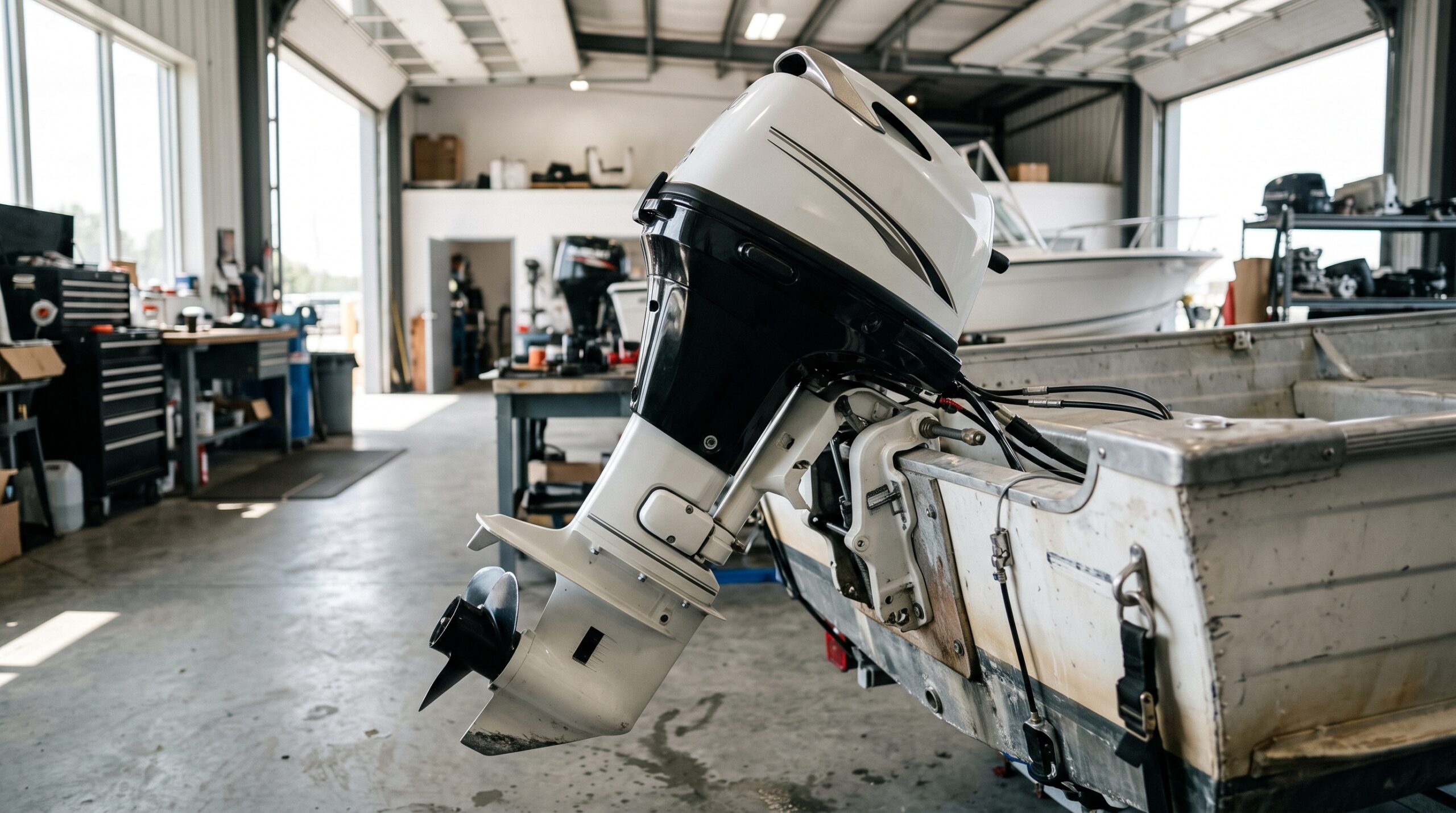
Small Suzuki outboard motors are manufactured by Suzuki Motor Corporation, a Japanese company that produces motorcycles, automobiles, marine engines, and other motorized products. Its marine division, Suzuki Marine, develops and supplies outboard engines for boats of different sizes.
If you are wondering who makes small Suzuki outboard motors, the answer is Suzuki itself. The company designs and manufactures its outboard engines, while authorized dealers and distributors handle sales, parts, warranty support, and servicing in different markets.
Small Suzuki outboards are popular options for inflatable boats, small fishing boats, dinghies, tenders, and other lightweight vessels. Models such as the Suzuki 2.5 HP, 4 HP, 6 HP, and 9.9 HP provide different levels of power for different boating needs.
However, choosing an engine involves more than knowing its manufacturer. You should also understand where a specific model is made, how much power your boat needs, what maintenance it requires, and whether local service is available.
This guide explains the manufacturer behind small Suzuki outboards, their manufacturing process, available models, reliability, prices, and how to identify a genuine engine before buying one.
Who Makes Small Suzuki Outboard Motors?
Suzuki Motor Corporation makes Suzuki outboard motors through its marine-engine business, Suzuki Marine. The company is headquartered in Hamamatsu, Japan, and has a long history of producing engines for land and water use.
Suzuki’s marine products include small portable outboards and larger engines designed for recreational and commercial boating.
A small outboard motor is usually a compact engine attached to the outside of a boat’s transom, which is the rear section of the hull. It powers the boat and can also provide steering through the motor’s direction of movement.
The term “small” often refers to portable engines with relatively low horsepower. Examples include 2.5 HP, 4 HP, 6 HP, and 9.9 HP models. The exact definition can vary depending on the boat, its intended use, and the manufacturer’s product range.
What Does Suzuki Marine Do?
Suzuki Marine is responsible for Suzuki’s outboard motor products. Its work includes engine development, engineering, product specifications, manufacturing coordination, and support for its marine product range.
The company produces engines intended for a variety of uses, including:
- Fishing in lakes and rivers
- Operating small recreational boats
- Moving inflatable boats and dinghies
- Powering suitable tenders for larger vessels
- Supporting certain light-duty commercial boating activities
Not every engine is suitable for every boat. Before choosing a small Suzuki outboard, check the boat manufacturer’s recommended horsepower range and maximum engine rating.
Why Does the Manufacturer Matter?
Knowing who makes an engine helps you find accurate specifications, replacement parts, warranty information, and authorized service providers.
It also helps you avoid confusing the manufacturer with the company that sells the motor. A marine dealer may advertise, import, or service Suzuki engines without manufacturing them.
For buyers, the most useful information comes from the official model specifications, the engine identification plate, and the warranty documents supplied with the particular motor.
Is Suzuki a Japanese Outboard Motor Brand?
Yes. Suzuki is a Japanese brand, and Suzuki Motor Corporation is based in Japan. Its marine-engine business is part of the company’s wider motor manufacturing operations.
Suzuki has built a presence in the marine market through its range of outboard engines, which includes portable models for small boats and more powerful engines for larger vessels.
History of Suzuki Marine
Suzuki began as a Japanese manufacturing company in the early twentieth century. Over time, it expanded into motorized products, including motorcycles, automobiles, and marine engines.
The company’s first outboard motor was introduced in 1965. This marked an important step in its development as a marine-engine manufacturer.
Since then, Suzuki has continued to develop outboard engines for different boating needs. Its product range has expanded to include compact portable models and larger engines with modern fuel-delivery and engine-management technologies.
This history helps explain why Suzuki is an established name in the outboard motor market. However, a company’s history alone does not determine whether a particular engine is the best choice for your boat.
Suzuki Motor Corporation and Its Marine Division
Suzuki Motor Corporation is the parent company behind Suzuki Marine products.
The distinction is straightforward:
- Suzuki Motor Corporation: The Japanese company that owns and operates the Suzuki brand.
- Suzuki Marine: The marine-engine business responsible for Suzuki outboard products.
- Authorized dealers and distributors: Businesses that sell engines, supply parts, and provide local customer support.
- Marine technicians: Professionals who inspect, maintain, and repair outboard engines.
These roles are connected, but they are not identical.
For example, a customer in Bangladesh might purchase a Suzuki outboard through a local marine equipment supplier. That supplier may manage the sale and help arrange servicing, while Suzuki remains the manufacturer.
Suzuki’s Reputation in the Boating Industry
Suzuki is known for producing four-stroke outboard engines across a wide range of horsepower levels. Its marine products are designed for recreational boating, fishing, and other applications that require dependable engine performance.
Small outboards appeal to owners who need a compact motor that is relatively easy to transport and store. Features vary by model, so buyers should compare weight, starting method, fuel system, shaft length, and maintenance requirements rather than relying on the brand name alone.
Suzuki is also one of several established outboard manufacturers. Yamaha and Mercury are important alternatives, and each brand offers products with different specifications, dealer networks, and pricing.
The best choice depends on your boat, budget, intended use, and access to reliable service.
Where Are Small Suzuki Outboard Motors Manufactured?
Suzuki is a Japanese company with marine-engine manufacturing operations in Japan. However, you should not assume that every Suzuki outboard sold worldwide was assembled in the same factory.
Manufacturing arrangements can differ by model, production period, and market. The country of manufacture for a specific engine should be verified using its identification information and official documentation.
Suzuki’s Manufacturing Operations in Japan
Japan plays an important role in Suzuki’s engineering and manufacturing activities. The company has developed marine engines in Japan and has manufacturing facilities associated with its marine business.
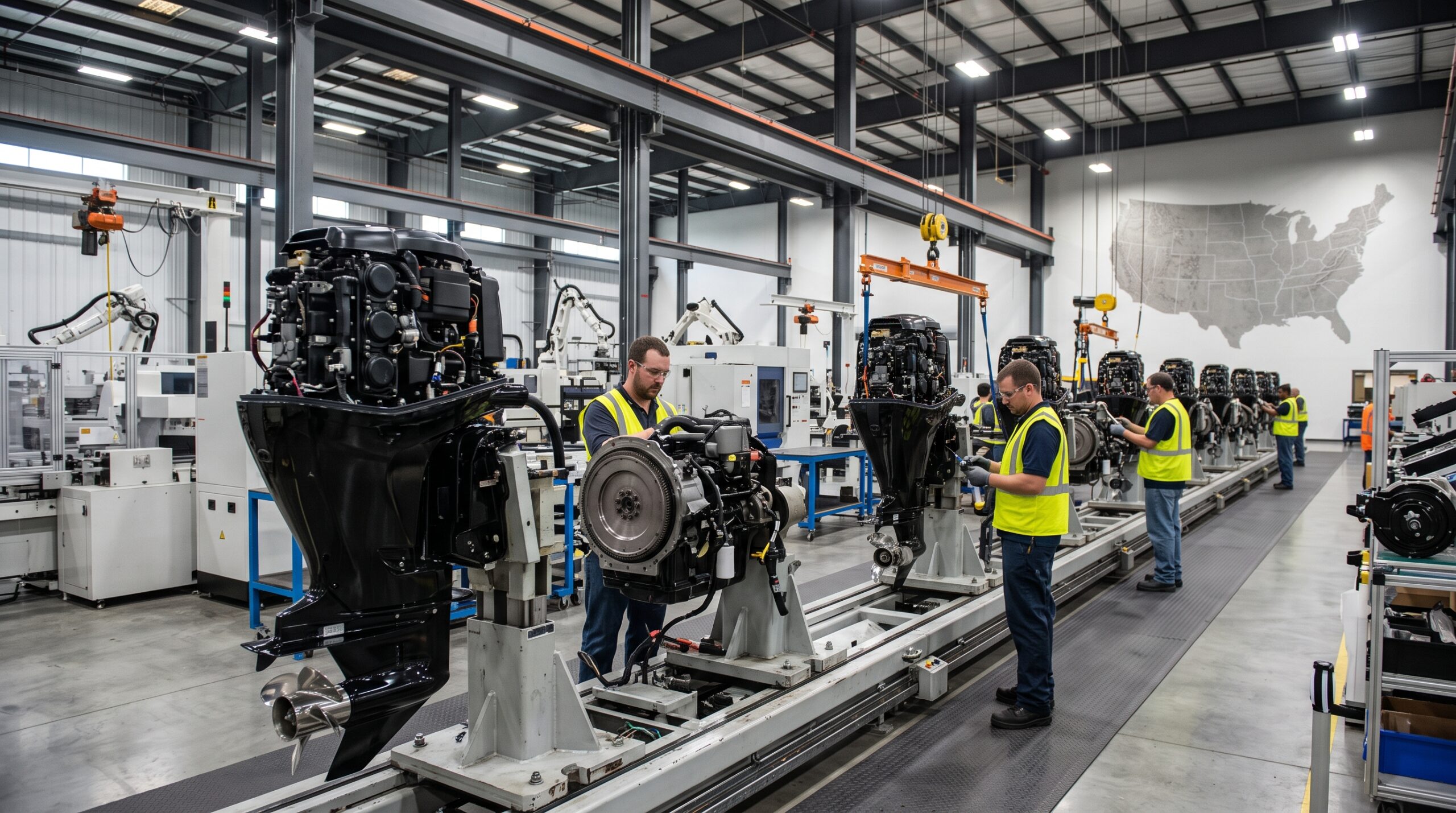
Its manufacturing work involves producing engine components, assembling engine systems, and checking that finished products meet applicable specifications.
The exact factory responsible for a particular model should not be assumed without model-specific evidence. Factory arrangements can change, and a product’s Japanese brand identity does not automatically prove that every unit was manufactured entirely in Japan.
When researching a Suzuki 2.5 HP or 6 HP outboard, use the information for that exact model and production year rather than relying on general claims about the brand.
How Manufacturing Locations Can Vary by Model
Manufacturing location is an important detail for some buyers, especially when they want to confirm the origin of a product or compare imported engines.
Several factors can affect the information available:
- Model: Different engine families may have different production arrangements.
- Production year: Manufacturing arrangements can change over time.
- Sales market: Engines supplied to different countries may have different importers or distribution channels.
- Component sourcing: Some components may come from suppliers in different countries.
- Final assembly: The country where an engine is assembled may differ from the country of origin of individual parts.
These distinctions matter because the place where an engine is designed, assembled, and sold may not be the same.
For example, an engine might be designed by a Japanese manufacturer, assembled at a designated production facility, and then shipped to a distributor in another country.
That does not make the distributor the manufacturer.
How to Check the Origin of a Specific Suzuki Outboard
If you want to know where a particular Suzuki outboard was made, follow these steps.
- Find the identification plate. Look for the engine model and serial number on the motor.
- Record the complete model designation. Similar horsepower ratings can include different versions.
- Check the country-of-origin marking. Look for a manufacturing label or other official identification.
- Review the owner’s manual and sales documents. These may provide additional product details.
- Ask an authorized Suzuki Marine dealer. Provide the model and serial number so the dealer can verify the information.
- Contact Suzuki Marine if needed. Use the appropriate regional office or official contact channel for confirmation.
Do not rely only on a seller’s statement that an engine is Japanese-made. A clear identification plate and verifiable documentation provide stronger evidence.
Which Small Suzuki Outboard Motors Are Available?
Suzuki offers portable outboards for boats that need a relatively small engine. Common horsepower options include 2.5 HP, 4 HP, 6 HP, and 9.9 HP, although current availability and specifications depend on the country and model year.
Before buying, check the manufacturer’s current catalog for your region. Older models may still appear in used listings even when newer versions are available.
Suzuki 2.5 HP Outboard Motor
The Suzuki 2.5 HP outboard is a compact option for small boats that need modest engine power.
It may suit certain inflatable boats, small tenders, and lightweight dinghies. It can also be useful as a small auxiliary motor when the boat and operating conditions are appropriate.
Typical advantages of this engine class include:
- Compact size and portable design
- Modest power for suitable lightweight boats
- Simple operation
- A practical option for short trips in calm conditions
However, 2.5 HP is not enough for every boat. Passenger weight, hull shape, wind, current, and waves can greatly affect performance.
A heavily loaded boat may move slowly even when the engine is operating correctly. Always confirm that the engine can safely power your intended boat.
Suzuki 4 HP and 6 HP Outboard Motors
The 4 HP and 6 HP classes provide more power than a 2.5 HP engine. Depending on the boat, this additional power can help with acceleration and moving a greater load.
A 4 HP outboard may suit a small inflatable or dinghy that needs more power than the smallest portable engine provides.
A 6 HP outboard may be appropriate for certain small fishing boats, tenders, and other lightweight vessels. The extra power can be useful when carrying fishing equipment or additional passengers, provided the boat is rated for it.
When comparing these models, check more than horsepower.
Important specifications include:
- Engine weight
- Overall dimensions
- Fuel tank arrangement
- Starting method
- Tiller steering or other controls
- Short-shaft or long-shaft configuration
- Manufacturer’s recommended maintenance schedule
A lighter motor may be easier to lift onto a boat or carry between the boat and storage area. This can be an important consideration for people who frequently transport their engines.
Do not assume that a 6 HP model is always better than a 4 HP model. If your boat is designed for lower power, the smaller engine may be the more suitable option.
Suzuki 9.9 HP Outboard Motor
A 9.9 HP Suzuki outboard offers more power than the smallest portable models. It may suit certain larger dinghies, small fishing boats, and tenders designed for that horsepower range.
The added power can help a suitable boat move more effectively under load. However, a 9.9 HP motor is generally heavier than the smallest portable outboards, so transportation and installation require more consideration.
Before purchasing one, confirm:
- The boat’s maximum rated horsepower
- The transom’s ability to support the engine
- The correct shaft length
- The motor’s weight and mounting requirements
- Whether your local dealer can supply parts and provide servicing
Also consider the engine’s intended use. A motor used regularly for fishing trips may have different practical requirements from one used occasionally as a tender.
Choosing the Right Small Suzuki Engine for Your Boat
The right engine depends on the boat, load, water conditions, and your budget.
| Engine class | Possible applications | Main consideration |
|---|---|---|
| 2.5 HP | Small dinghies and suitable lightweight inflatables | Limited power |
| 4 HP | Small inflatables and lightweight tenders | Balance between power and portability |
| 6 HP | Suitable small fishing boats and tenders | Boat capacity and engine weight |
| 9.9 HP | Boats designed for higher portable-outboard power | Mounting, load, and service needs |
This table is a general guide, not a substitute for the boat manufacturer’s recommendations.
For example, if you have a small inflatable boat for short trips on a calm lake, a 2.5 HP or 4 HP engine might be worth considering. If you regularly carry more equipment, a suitable 6 HP or 9.9 HP engine may be more appropriate.
Always follow the boat’s maximum horsepower rating. An oversized motor can create serious handling and safety problems.
How Are Small Suzuki Outboard Motors Made?
Small outboard motors combine mechanical components, fuel systems, cooling systems, and controls in a compact unit.
Although the precise manufacturing process depends on the model and production facility, most modern outboards require engineering, component production, assembly, inspection, and testing.
Engine Design and Engineering
Engine development starts with engineering work. Designers must consider power output, weight, durability, fuel use, cooling, starting, and safe operation.
The engine must also work with a suitable propeller and mounting arrangement.
In a four-stroke outboard, the engine completes its power cycle over four piston strokes. These are intake, compression, power, and exhaust.
This design is different from a two-stroke engine, which completes its power cycle over two piston strokes.
Small Suzuki outboards commonly use four-stroke technology. However, the exact engine design should be confirmed for the model you are considering.
Engineers also consider how the motor will be used. A portable outboard needs a practical balance of performance, size, weight, and ease of handling.
Assembly and Quality Control
Once components are manufactured or sourced, the engine’s systems are assembled according to the model’s specifications.
Depending on the design, these systems can include:
- Engine block and internal components
- Fuel delivery system
- Ignition system
- Cooling system
- Gearcase and drive components
- Propeller and mounting hardware
- Steering and throttle controls
Quality control helps identify assembly problems and components that do not meet required specifications.
Inspection procedures can vary by facility and engine model. It is therefore best not to assume that every Suzuki outboard follows an identical production sequence.
Testing Before the Engine Reaches Dealers
Outboard engines need appropriate checks before they are released for sale.
Testing may cover starting, operation, cooling, gear engagement, and other model-specific functions. Manufacturers establish procedures suited to their products and production standards.
A dealer may also perform a pre-delivery inspection before handing an engine to a customer.
When buying a new Suzuki outboard, ask whether the dealer will prepare the engine for use and explain the operating instructions.
The owner’s manual is essential. It explains important details such as fuel requirements, break-in procedures where applicable, maintenance intervals, and safe operating practices.
Does Suzuki Make Its Own Outboard Motors?
Yes. Suzuki Motor Corporation is the manufacturer behind Suzuki-branded outboard motors. Suzuki Marine is its marine-engine business.
However, manufacturing an engine and distributing it to customers are different activities.
Suzuki’s Role in Engine Development
Suzuki develops its marine-engine products under its own brand. The company is responsible for the engineering and product specifications associated with its outboard range.
The specific production location and sourcing of components can vary, so it is important to distinguish ownership of the brand from the origin of every component.
A motor can be a genuine Suzuki product even when some of its components come from approved suppliers.
That is common across many manufacturing industries. The manufacturer remains responsible for the finished product’s specifications and applicable quality requirements.
The Difference Between Manufacturing and Distribution
Manufacturers produce or oversee the production of their products. Distributors help move those products through the supply chain.
For Suzuki outboards, these roles may include:
- Manufacturer: Suzuki Motor Corporation and its marine business.
- Importer: A company that brings engines into a particular country.
- Distributor: A business that supplies dealers within a market.
- Retailer: A business that sells the motor to the end customer.
- Service provider: A dealer or qualified technician who maintains or repairs the engine.
One business may perform several of these roles.
For example, a marine equipment company may import Suzuki outboards, sell them locally, and offer repair services. That does not mean it manufactures the engines.
Understanding this difference can help you check a seller’s claims and identify the correct source for warranty support.
Who Sells and Services Suzuki Outboard Motors?
Suzuki outboards are sold through marine dealers and distributors in the markets where the products are available.
Authorized dealers may help with model selection, installation, routine maintenance, warranty claims, and replacement parts.
Before buying, check whether the seller can provide:
- A proper sales invoice
- The engine model and serial number
- Warranty terms for your country
- An owner’s manual
- Information about recommended servicing
- Access to genuine or approved replacement parts
Local service matters because even a reliable engine needs maintenance.
If you are buying in Bangladesh, contact a reputable marine equipment supplier and confirm that it can support the exact model. Do not assume that a warranty from another country will automatically be valid locally.
Are Small Suzuki Outboard Motors Reliable?
Small Suzuki outboards can be dependable when the engine is suitable for the boat and receives proper maintenance.
However, reliability depends on more than the brand. Usage, storage, fuel quality, servicing, water conditions, and previous repairs can all affect performance.
A well-maintained engine may provide years of useful service, while a neglected motor can develop problems much sooner.
Fuel Efficiency and Engine Performance
Fuel use depends on engine size, throttle setting, boat weight, propeller selection, and operating conditions.
A smaller engine may use less fuel per hour than a larger one under comparable conditions, but it may also need to run harder to move a boat that is too heavy for it.
For this reason, comparing engines by horsepower alone does not tell you exactly how much fuel they will consume.
Four-stroke engines use a four-part combustion cycle and generally do not require the routine fuel-oil premixing associated with many traditional two-stroke engines. Exact fuel and lubrication requirements depend on the model.
Always use the fuel specified in the owner’s manual. Incorrect fuel, contaminated fuel, or unsuitable storage practices can cause starting and running problems.
Maintenance Requirements
Routine maintenance is important for any outboard motor.
Common maintenance tasks include:
- Checking the engine before each trip
- Inspecting the propeller for damage
- Checking fuel lines and connections
- Monitoring the cooling-water indicator where fitted
- Following the prescribed engine-oil checks and changes
- Servicing the gearcase as specified
- Flushing the cooling system when required
- Following the storage and winterization instructions
The exact schedule depends on the model, operating hours, and conditions.
Saltwater use deserves particular attention because salt deposits can contribute to corrosion. Follow Suzuki’s instructions for rinsing, flushing, corrosion protection, and storage after use in saltwater.
Do not ignore warning indicators, unusual noises, fuel leaks, or signs of overheating. Stop the engine when necessary and have the problem checked by a qualified technician.
Expected Service Life and Proper Care
There is no single service-life figure that applies to every small Suzuki outboard.
An engine used occasionally on a freshwater lake may experience very different conditions from one used every day in saltwater.
Factors affecting service life include:
- Frequency of use
- Total operating hours
- Quality of routine maintenance
- Fuel quality and storage
- Corrosion protection
- Overloading and operating conditions
- Previous damage and repair history
When buying a used engine, ask for maintenance records and inspect the motor before paying.
A clean exterior is helpful, but it does not prove that the engine is mechanically sound. A qualified marine technician can inspect the engine and identify problems that are not obvious during a visual check.
How Much Do Small Suzuki Outboard Motors Cost?
The price of a small Suzuki outboard depends on its horsepower, model year, condition, equipment, and sales market. A 2.5 HP engine will generally cost less than a 9.9 HP engine when comparing similar product generations and conditions.
Prices can also differ between countries because of shipping, import duties, taxes, exchange rates, and dealer costs.
Factors That Affect the Price
Several factors influence the price of a small Suzuki outboard.
Horsepower: More powerful engines often cost more because they have different performance capabilities and may require additional components.
Model and features: Starting systems, fuel arrangements, controls, and other features can affect the purchase price.
Condition: A new engine usually costs more than a used engine of the same model, although age, demand, and condition can change the comparison.
Location: Import charges, taxes, transportation, and local dealer pricing can affect the final cost.
Warranty: Warranty coverage and dealer support may also affect the overall value of an offer.
For example, someone buying a 2.5 HP engine for a lightweight dinghy may have a much smaller initial budget than someone buying a 9.9 HP engine for a boat designed for greater power.
The cheapest option is not always the best value. A slightly more expensive engine from a reputable dealer may offer better documentation, installation assistance, and access to service.
New vs. Used Suzuki Outboards
A new Suzuki outboard is a good option for buyers who want a new engine, current documentation, and applicable manufacturer warranty coverage.
Advantages may include:
- No previous operating history
- Current product documentation
- Warranty coverage subject to the applicable terms
- A dealer pre-delivery inspection
- Easier verification of the engine’s original purchase details
A used outboard can cost less, making it attractive to buyers with limited budgets. However, used engines need careful inspection.
Before purchasing a used Suzuki, check its serial number, service records, exterior condition, propeller, fuel system, and evidence of corrosion. Ask a qualified technician to inspect it if you cannot assess its mechanical condition yourself.
Do not buy an engine solely because the seller says it runs well. Ask for a demonstration under appropriate conditions and confirm that the motor can be serviced locally.
Additional Costs for Maintenance and Accessories
The purchase price is only part of the total cost of owning an outboard motor.
You may also need to budget for:
- Fuel and engine oil, as applicable
- Routine servicing
- Replacement spark plugs and filters where specified
- Gearcase lubricant
- Propeller repairs or replacement
- Fuel tanks and approved fuel lines
- Mounting or installation equipment
- Transport and storage
- Repairs outside the warranty
Some accessories may be included with the motor, while others may be sold separately.
Before comparing two offers, ask each seller what is included. Compare the total cost of getting the engine ready for your boat rather than comparing the advertised price alone.
How Do Small Suzuki Outboards Compare With Other Brands?
Suzuki is not the only manufacturer of small outboard motors. Yamaha and Mercury are two alternatives worth considering.
Each manufacturer offers different models, specifications, and support arrangements. A fair comparison should focus on engines with similar horsepower, features, weight, and intended use.
Suzuki vs. Yamaha
Suzuki and Yamaha are Japanese manufacturers with established marine-engine businesses.
Both brands offer outboards for different types of boats, including portable engines for suitable lightweight vessels.
When comparing a Suzuki and a Yamaha, examine:
- Horsepower and performance specifications
- Engine weight and portability
- Shaft length
- Fuel requirements
- Starting and control systems
- Maintenance intervals
- Warranty coverage
- Local parts availability
Suppose you are choosing between two 6 HP outboards. One may be lighter, while the other may be available at a lower local price. The better choice depends on your needs and the complete specifications of the two engines.
Neither brand should be considered the automatic winner without comparing the exact models.
Suzuki vs. Mercury
Mercury Marine is another established manufacturer of outboard motors. Its product range includes compact portable engines as well as larger models.
Suzuki and Mercury engines may differ in weight, design, controls, fuel systems, and service requirements.
If both brands offer an engine that suits your boat, compare the full specification sheets and local support arrangements.
Consider the following questions:
- Which engine matches the boat’s recommended horsepower?
- Which model is easier to transport and install?
- What parts are available locally?
- How does the warranty work in your country?
- Which dealer can provide dependable servicing?
- What is the total ownership cost?
A lower purchase price may be attractive, but access to suitable service and replacement parts can be equally important over the engine’s lifetime.
What to Consider Before Choosing a Brand
Choose an engine based on practical requirements rather than brand popularity alone.
Start by confirming the boat’s horsepower rating and correct shaft length. Then compare engine weight, intended use, maintenance requirements, and purchase price.
Finally, check local service availability.
This last step is especially important if you live far from a marine service center. An engine that is easy to maintain and repair in your area may be more practical than a model that requires hard-to-find parts.
How to Identify a Genuine Suzuki Outboard Motor
Before buying a Suzuki outboard, make sure the engine is genuine and that its identity matches the seller’s claims.
This is important for both new and used motors.
Check the Model and Serial Number
Every engine should have identifying information that can help establish its model and identity.
Locate the identification plate and record the model designation and serial number. Ask an authorized Suzuki Marine dealer to confirm whether the information matches the engine being offered.
Avoid buying a motor if the identification information appears altered, removed, or inconsistent with the paperwork.
Review the Engine Identification Plate
The identification plate provides important details about the engine. Depending on the model, it may identify the manufacturer, model, and serial number.
Compare the information on the plate with the invoice and any warranty documentation.
Do not rely on the appearance of the engine cover alone. Exterior covers and decals can be changed, particularly on used engines.
Buy From an Authorized Dealer
An authorized dealer is often a good starting point when buying a new Suzuki outboard.
A reputable dealer should be able to explain the model’s specifications, warranty terms, servicing requirements, and parts availability.
If you buy from an independent seller, take extra care to verify the engine’s identity and condition.
Confirm Warranty and Service Documentation
Before paying, ask for the original or valid sales documentation and written warranty terms.
Check whether the warranty applies in your country and whether it requires servicing through particular providers.
For a used engine, request available service records and receipts. These documents can help you understand how the motor has been maintained.
If the seller cannot provide reasonable evidence of the engine’s identity or ownership, consider another option.
Frequently Asked Questions
Who makes small Suzuki outboard motors?
Small Suzuki outboard motors are manufactured by Suzuki Motor Corporation, a Japanese company. Suzuki Marine is the company’s marine-engine business, responsible for Suzuki’s outboard product range.
Are Suzuki outboard motors made in Japan?
Suzuki is a Japanese manufacturer with marine-engine manufacturing operations in Japan. However, the manufacturing location can vary by model and production arrangements. Check the identification plate and official documentation for the specific engine you want to buy.
Does Suzuki manufacture its own boat engines?
Yes. Suzuki develops and manufactures outboard motors under the Suzuki brand through its marine business. Authorized dealers and distributors handle sales and support, but they are not necessarily the manufacturers.
Who makes Suzuki 2.5 HP outboard motors?
Suzuki Motor Corporation is the manufacturer behind Suzuki 2.5 HP outboard motors. The Suzuki Marine business handles the company’s marine-engine products. For the origin of an individual engine, check its model designation, serial number, and manufacturing documentation.
Are small Suzuki outboard motors four-stroke?
Many small Suzuki outboards, including commonly offered portable models, use four-stroke engines. Confirm the engine type for the specific model and year because product specifications can change.
Four-stroke engines complete their combustion cycle over four piston strokes and generally do not require the fuel-oil premixing used by many traditional two-stroke engines. Always follow the manufacturer’s fuel and lubrication instructions.
Are Suzuki outboard motors good for small boats?
Suzuki outboards can be suitable for many small boats when the engine’s power, weight, and shaft length match the boat’s design.
A 2.5 HP engine may suit a lightweight dinghy, while a boat designed for more power may need a larger model. Check the boat manufacturer’s recommendations before purchasing.
Maintenance, operating conditions, and local access to service also affect the ownership experience.
Where can you buy small Suzuki outboard motors?
You can look for small Suzuki outboards through authorized Suzuki Marine dealers and reputable marine equipment suppliers.
Check Suzuki Marine’s official website for regional product information and dealer contacts. You can also contact local suppliers to confirm model availability, current pricing, warranty coverage, and replacement parts.
When buying online or from an independent seller, verify the serial number, engine condition, seller’s reputation, and documentation before making payment.
How much horsepower do I need for a small boat?
The required horsepower depends on the boat’s design, weight, passenger load, and intended use. A very lightweight dinghy may work with a small portable outboard, while a larger fishing boat may require more power.
Always follow the boat manufacturer’s recommended horsepower range and maximum rating. Do not choose an engine based only on its advertised power or the number of passengers you plan to carry.
Are Suzuki outboards easy to maintain?
Routine maintenance can be straightforward when you follow the owner’s manual and use the specified fluids and replacement parts.
Typical tasks include checking engine oil where applicable, inspecting the propeller, monitoring the cooling system, and following the prescribed servicing schedule.
More complex repairs should be handled by a qualified marine technician.
Final Thoughts
Small Suzuki outboard motors are manufactured by Suzuki Motor Corporation of Japan through its Suzuki Marine business. The company offers portable outboards in horsepower classes such as 2.5 HP, 4 HP, 6 HP, and 9.9 HP for boats with different power requirements.
The right model depends on your boat’s size, weight, recommended horsepower, and intended use. Manufacturing origin, price, warranty coverage, and access to replacement parts are also important considerations.
Before purchasing, verify the exact model and serial number, review the official specifications, and confirm that a reliable service provider is available in your area.
In short, Suzuki makes its own branded outboard motors, but you should check the documentation for your particular engine to confirm its manufacturing origin and specifications.













One thought on “Who Makes Small Suzuki Outboard Motors?”