



Our Blogs
Can You Drive With Check Engine Light On? (Guide)

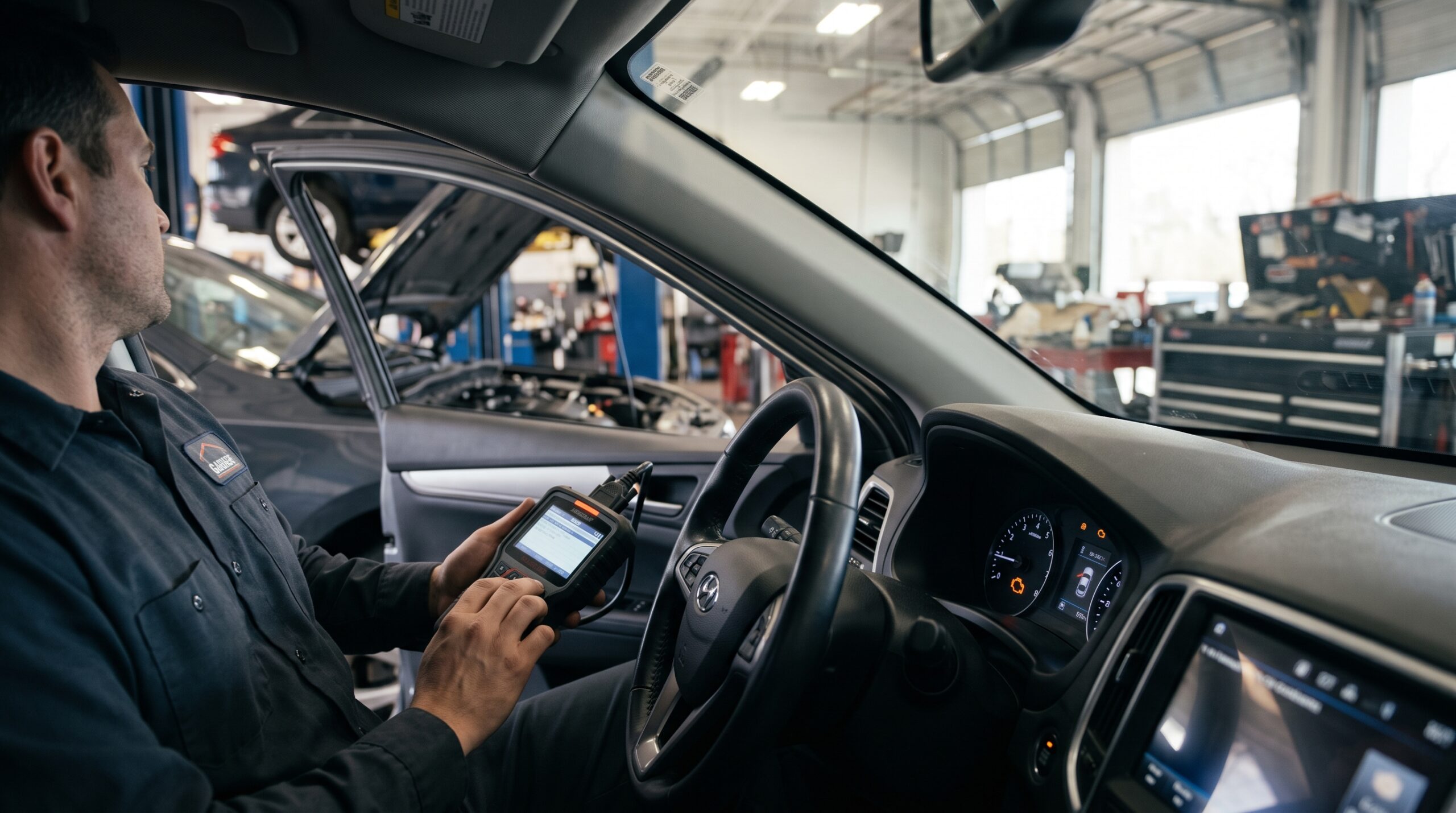
The check engine light is one of the most common warning signs in a car. It can appear while you are driving to work, taking a short trip, or traveling on a highway. When it comes on, you may wonder whether you can continue driving or need to stop right away.
So, can you drive with check engine light on? The answer depends on how the light behaves and how your car runs.
If the light stays solid and the vehicle feels normal, you may be able to drive a short distance to a safe place or repair shop. However, you should arrange a diagnostic check as soon as possible. A solid light does not guarantee that the car is safe to drive.
A flashing check engine light is more serious. It can signal an active engine misfire that may damage the catalytic converter. If the light flashes, reduce engine load, pull over somewhere safe, and seek professional help.
You should also stop driving if the engine overheats, the oil pressure warning appears, the car shakes severely, or you notice smoke or a strong burning smell.
Understanding the warning can help you protect your engine, avoid costly repairs, and make a safer decision. This guide explains common causes, what to do next, repair costs, and how to diagnose the problem.
What Does the Check Engine Light Mean?
The check engine light is part of your car’s onboard diagnostic system. It warns you when the system detects a problem that may affect engine performance, emissions, or related components.
You may see an engine-shaped symbol on the dashboard. Some vehicles display a message such as “Check Engine” instead.
Modern cars use sensors to monitor different systems. These sensors send information to the engine control module, often called the ECM or ECU. The computer compares the information with expected values and looks for faults.
When it detects a problem, it may store a diagnostic trouble code, or DTC. The code helps a mechanic identify the system that needs further testing.
For example, a code may point to an oxygen sensor circuit, an ignition misfire, or an emissions leak. It does not always prove that a specific part has failed.
This is why the answer to can you drive with check engine light on depends on more than the warning itself. You need to consider the cause, the severity, and the way the vehicle behaves.
Common Reasons the Check Engine Light Turns On
Several problems can trigger the warning. Some are minor, while others need prompt attention.

1. Loose or damaged gas cap
A loose, cracked, or damaged fuel cap can allow fuel vapor to escape. This may trigger an emissions warning. If the car runs normally, check that the cap is fitted correctly when parked safely.

2. Faulty oxygen sensor
The oxygen sensor measures oxygen in the exhaust. Its readings help the engine adjust the air-fuel mixture. A faulty sensor can increase fuel use and emissions.

3. Bad spark plugs or ignition coils
Worn spark plugs or faulty ignition coils can prevent proper combustion. The engine may run roughly, hesitate, or misfire. Severe misfires can require you to stop driving.

4. Mass airflow sensor problems
The mass airflow sensor measures the air entering the engine. Incorrect readings can affect fuel delivery and engine performance. The car may idle poorly or use more fuel than usual.

5. Catalytic converter issues
The catalytic converter reduces harmful exhaust emissions. Damage or poor performance can trigger the warning. Repairs may be expensive, so early diagnosis is important.
Other possible causes include vacuum leaks, fuel system faults, wiring problems, and faults in other engine sensors.
Do not assume the problem is minor just because the car still runs. Some faults have few obvious symptoms at first.
Can You Drive With the Check Engine Light On?
Whether you can keep driving depends on the warning light and your car’s condition. Some faults allow you to move the car a short distance for inspection. Others can cause serious damage if you continue.
Before deciding, ask yourself three questions:
-
Is the light solid or flashing?
-
Does the engine sound and feel normal?
-
Are any other warning lights or unusual symptoms present?
If you are wondering can you drive with check engine light on during a normal commute, do not assume that your usual route is safe. A short trip may be reasonable in some cases, but the safest option depends on the fault.
If you cannot tell whether the vehicle is safe, pull over in a safe place and contact a qualified mechanic or roadside assistance.
Driving With a Solid Check Engine Light
A solid check engine light usually means the onboard diagnostic system has detected a fault that needs attention. It is generally less urgent than a flashing light, but it should not be ignored.
You may be able to drive a short distance to a repair shop if all of the following are true:
-
The engine runs smoothly.
-
The temperature gauge remains in its normal range.
-
There is no oil pressure warning.
-
The car responds normally when you accelerate.
-
You do not notice smoke, unusual smells, or strange engine noises.
-
The check engine light remains solid rather than flashing.
Even when these conditions are met, they do not guarantee that driving is risk-free. Some engine and emissions problems are difficult to notice without testing.
For example, suppose your gas cap was not tightened after refueling. You may see a solid warning light even though the engine runs normally. Tightening the cap may solve the problem, although the warning can take time to clear.
Now imagine the same solid light appears with poor acceleration and unusual engine noise. That situation needs more caution because the underlying fault may affect safe operation.
If you are asking can you drive with check engine light on when it stays solid, the practical answer is that a short trip may be possible if the car behaves normally. Arrange a diagnostic inspection promptly, and stop if symptoms develop.
Driving With a Flashing Check Engine Light
A flashing check engine light is a serious warning. It often indicates an active engine misfire, meaning one or more cylinders are not burning fuel correctly.
An engine misfire can send unburned fuel into the exhaust. That fuel may overheat and damage the catalytic converter. A damaged converter can be expensive to replace.
You may notice:
-
Strong shaking or vibration.
-
Rough idling.
-
Sudden loss of engine power.
-
Hesitation when accelerating.
-
Unusual exhaust sounds.
-
A flashing warning light that continues while the engine runs.
If this happens, do not continue your journey as normal. Ease off the accelerator, avoid sudden movements, and move to a safe stopping place as soon as you can. Turn off the engine once you are safely parked and arrange professional help.
Do not try to solve the problem by driving faster, revving the engine, or repeatedly restarting the car.
Can you drive with check engine light on when it flashes? In general, you should not continue driving. A tow truck or roadside assistance is usually the safer choice, especially if the engine shakes or loses power.
If the vehicle is in a dangerous location, focus on reaching the nearest safe stopping point rather than stopping abruptly in traffic.
What Should You Do When the Check Engine Light Comes On?
A warning light can be stressful, but a calm response helps you make a better decision. Follow these steps to check for immediate danger and decide what to do next.
1. Stay Calm and Observe the Vehicle
Pay attention to how the engine feels. Notice whether the car accelerates normally, idles smoothly, and responds to the steering and brakes as expected.
Do not focus only on the dashboard. A car can have a serious problem even if the warning light is the only visible sign.
If the light flashes or the vehicle behaves abnormally, stop driving as soon as it is safe.
2. Check the Fuel Cap
If you have just refueled, a loose gas cap may be the cause.
Park the car safely, switch off the engine, and check the cap according to the vehicle manufacturer’s instructions. Tighten it securely if needed. Replace a damaged cap with the correct type.
The light may not go out immediately. The diagnostic system may need several successful checks or driving cycles before it clears the warning.
A gas cap check is simple, but it cannot rule out other faults.
3. Look for Other Dashboard Warning Lights
Check whether any other warning lights appear with the check engine light.
Pay particular attention to:
-
Oil pressure warning: Stop the engine safely as soon as possible. Low oil pressure can cause serious engine damage.
-
Engine temperature warning: Stop safely and switch off the engine. Do not open a hot radiator cap.
-
Brake warning: If braking performance is affected or a serious brake fault is suspected, do not continue driving.
-
Battery or charging warning: The vehicle may have a charging system fault. Follow the owner’s manual and seek help if the car may lose electrical power.
The meaning of each warning depends on the vehicle, so check the owner’s manual.
4. Check for Unusual Sounds, Smoke, or Loss of Power
Listen for knocking, loud rattling, or other new engine noises. Watch for smoke and pay attention to burning smells or sudden changes in performance.
Do not touch hot engine parts or investigate smoke while standing in an unsafe area.
If the engine shakes severely, loses power, overheats, or produces smoke, stop in a safe place and seek assistance.
5. Arrange a Diagnostic Scan
If the warning remains on, have the vehicle scanned with an appropriate diagnostic tool.
A scan can retrieve diagnostic trouble codes and help identify the system involved. A mechanic may then perform further tests to confirm the cause.
If you are considering can you drive with check engine light on until your next scheduled service, do not wait if the warning is new, persistent, or accompanied by other symptoms. Arrange an earlier inspection.
When Should You Stop Driving Immediately?
Stop driving as soon as it is safe if you experience any of the following:
-
A flashing check engine light, particularly with rough running.
-
Engine overheating or a temperature warning.
-
An oil pressure warning.
-
Severe shaking or major loss of power.
-
Smoke or a strong burning smell.
-
Loud knocking or other serious mechanical noises.
-
A vehicle that cannot accelerate or respond safely in traffic.
Do not stop in a live traffic lane unless there is no safer option. Move away from moving traffic if possible, use your hazard lights when appropriate, and call for roadside help.
If you are unsure can you drive with check engine light on alongside one of these symptoms, treat the situation as urgent. Do not risk further damage just to reach your destination.
Can a Check Engine Light Turn Off by Itself?
Yes. A check engine light can turn off without a repair, but that does not always mean the problem has disappeared.
The onboard diagnostic system runs checks while the vehicle operates. If a fault no longer appears during the required checks, the warning may turn off.
For example, a loose fuel cap may cause an emissions leak. Once the cap is tightened, the system may eventually confirm that the leak is no longer detected.
Other faults can be intermittent. A sensor connection may work correctly for a while and then fail again. A temporary operating condition may also trigger a warning that does not return immediately.
Keep in mind that turning off the light does not necessarily erase the stored diagnostic code. Some codes remain in the system for later inspection, and some faults may be recorded as pending or historical.
If the light disappears, check whether the car has returned to normal. If it comes back, arrange a diagnostic scan. Do not assume the issue is fixed just because the dashboard looks normal.
So, can you drive with check engine light on if it turns off later? If it has cleared and the car runs normally, the immediate risk may be lower, but the reason for the warning may still deserve attention. If it was flashing or accompanied by serious symptoms, seek professional advice even if the light is no longer visible.
How Far Can You Drive With the Check Engine Light On?
There is no universal distance that is safe for every vehicle with an active warning.
One car may have a minor emissions fault, while another may have a misfire that can damage expensive parts. The same dashboard symbol can represent very different problems.
Your vehicle’s condition, the stored fault codes, and the manufacturer’s guidance all matter.
Consider these examples:
Example 1: A possible gas cap issue
Your car runs normally, and the solid warning appears shortly after refueling. Once parked safely, you find that the gas cap is loose. Tightening it may resolve the cause, but you should monitor the warning and arrange a check if it remains.
Example 2: A solid light with reduced power
The engine starts, but the car struggles to accelerate. This could indicate a more serious fault. Continuing to drive may be unsafe, so stop in a safe place and seek professional help.
Example 3: A flashing light with engine shaking
The engine vibrates, and the warning flashes under acceleration. This can indicate an active misfire. Continuing to drive may damage the catalytic converter, so arrange a tow rather than trying to reach a distant workshop.
These examples show why it is not possible to give a reliable mileage limit.
If you are searching for can you drive with check engine light on for five, ten, or fifty miles, the number alone cannot tell you whether the trip is safe. A diagnostic assessment is much more useful than guessing a distance.
When in doubt, choose the safer option and ask a qualified mechanic for advice based on your vehicle and symptoms.
How Much Does It Cost to Fix a Check Engine Light?
The cost depends on what caused the warning, your vehicle’s make and model, local labor rates, and the parts required.
The light itself does not tell you the repair cost. A minor emissions problem may be inexpensive to fix, while an engine or exhaust system fault can require more work.
Here are examples of possible costs:
| Possible problem | What may be needed | Relative cost |
|---|---|---|
| Loose gas cap | Tighten or replace cap | Low |
| Worn spark plugs | Replace plugs | Low to moderate |
| Faulty oxygen sensor | Test and possibly replace sensor | Moderate |
| Ignition coil fault | Diagnose and replace faulty coil | Moderate |
| Mass airflow sensor fault | Testing, cleaning if appropriate, or replacement | Moderate |
| Catalytic converter failure | Confirm the fault and replace if necessary | High |
These are general cost categories, not guaranteed estimates. Actual prices vary by vehicle and location.
For instance, a simple gas cap replacement may cost much less than a catalytic converter replacement. Some faults that appear to involve a sensor may instead come from damaged wiring, an air leak, or another component.
Diagnostic Fees and Repair Estimates
A repair shop may charge a diagnostic fee to scan the vehicle and test the suspected problem. Some shops include part of this fee in the repair bill if you approve the work.
Ask the mechanic to explain:
-
What diagnostic trouble codes were found.
-
Which tests confirmed the fault.
-
Which part or system needs repair.
-
Whether the repair is urgent.
-
What the estimate includes.
-
Whether any additional work is optional.
Do not replace parts based only on a code description. For example, an oxygen sensor code does not automatically mean the sensor itself is faulty.
If you are asking can you drive with check engine light on while saving money for repairs, get the problem diagnosed first. A small issue can sometimes become more expensive if ignored, and a serious fault should not be left untreated just because the car still runs.
How to Diagnose a Check Engine Light
Finding the cause requires more than identifying the dashboard symbol. A diagnostic scan provides useful information, but the stored code is only the starting point.
Use an OBD-II Scanner
An OBD-II scanner connects to the vehicle’s diagnostic port and reads information from the onboard diagnostic system.
Most modern vehicles sold in the United States use standardized OBD-II diagnostics. Requirements and connector details can differ by market and vehicle age, so check your owner’s manual if you are unsure.
A basic scanner may show:
-
Diagnostic trouble codes.
-
Pending or stored faults.
-
Some engine sensor readings.
-
Whether certain emissions checks have completed.
A code often begins with a letter followed by numbers. For example, P0301 commonly indicates a misfire detected in cylinder one. It identifies the type or location of a detected problem, not necessarily the failed component.
For example, a cylinder misfire can result from a spark plug, ignition coil, fuel delivery issue, wiring fault, or mechanical problem. More testing may be needed to find the actual cause.
If you use a scanner yourself, follow the device instructions and avoid working around moving engine parts. Do not clear codes just to turn off the warning before recording them. Clearing codes may erase useful diagnostic information and reset emissions readiness monitors.
A scan can help answer can you drive with check engine light on, but it cannot make that decision on its own. The fault code must be considered alongside the vehicle’s symptoms and the manufacturer’s guidance.
Visit a Qualified Mechanic
Professional diagnosis is especially important when:
-
The light flashes.
-
The engine runs roughly.
-
The car loses power.
-
Multiple warning lights appear.
-
The same code returns after a repair.
-
The problem involves the fuel, ignition, emissions, or engine management systems.
A qualified mechanic may use a scan tool, inspect wiring, test sensors, check fuel pressure, or perform other tests as needed.
This approach helps avoid replacing parts that are working correctly. It also helps identify problems that a basic scanner cannot confirm.
Choose a repair shop with experience working on your vehicle type. Ask for an explanation of the findings before approving expensive repairs.
How to Prevent Check Engine Light Problems
You cannot prevent every engine warning, but regular maintenance can reduce the risk of many common faults.
Follow the Vehicle’s Maintenance Schedule
Check your owner’s manual for service intervals. Follow the recommended schedule for oil changes, filters, spark plugs, and other maintenance items.
The correct schedule depends on the vehicle, engine, age, and driving conditions.
Replace Worn Spark Plugs and Filters
Old spark plugs can contribute to misfires. Dirty or damaged air filters may affect airflow, while other neglected filters can affect related systems.
Use the correct replacement parts and follow the manufacturer’s service recommendations.
Use the Correct Fuel and Engine Oil
Use the fuel grade and engine oil specification recommended for your vehicle. The wrong oil or unsuitable fuel can affect performance or damage components in some circumstances.
If you accidentally use the wrong fuel, ask a qualified professional what to do before starting the engine.
Address Warning Lights Early
Do not ignore a persistent warning just because the car seems normal.
Early diagnosis can help you find small faults before they cause further damage. It also helps you understand whether the vehicle needs immediate attention or a scheduled repair.
Inspect the Vehicle Regularly
Look for damaged hoses, loose connections, fluid leaks, and unusual changes in engine performance. Keep the fuel cap in good condition and make sure it is fitted correctly after refueling.
Regular inspections cannot prevent every problem, but they can help you notice issues sooner.
Good maintenance is one of the best ways to reduce unexpected breakdowns and keep your vehicle operating reliably.
FAQ
Can I drive my car with the check engine light on?
Sometimes. If the light is solid and your car runs normally, you may be able to drive a short distance to a repair shop. However, you should not assume the vehicle is safe without checking for other symptoms.
If you are wondering, can you drive with check engine light on during a daily commute, consider the risk before continuing. Stop safely if the light flashes, the engine overheats, or the car loses power.
Is it safe to drive with a solid check engine light?
A solid light is generally less urgent than a flashing light, but it still signals a detected fault. Some faults are minor, while others can affect engine performance or emissions.
Check for unusual noises, poor acceleration, smoke, or other warning lights. If the car seems normal, arrange a diagnostic inspection promptly.
What happens if I ignore the check engine light?
Ignoring the warning may allow the underlying problem to continue or become worse. Depending on the cause, you could experience higher fuel consumption, poor engine performance, increased emissions, or damage to expensive components.
Some problems remain minor, but others become more costly over time. Have the vehicle checked rather than waiting for additional symptoms.
Can a loose gas cap cause the check engine light to come on?
Yes. A loose, damaged, or incorrectly fitted gas cap can cause an emissions system leak and trigger the check engine light.
Park safely, switch off the engine, and tighten the cap according to the owner’s manual. The light may take several driving cycles to clear. If it remains on, arrange a diagnostic scan.
How long can I drive with a flashing check engine light?
You should not plan to drive any particular distance with a flashing check engine light. It can indicate an active misfire that may damage the catalytic converter.
Reduce engine load and pull over as soon as it is safe. Turn off the engine once parked and arrange roadside assistance or towing. Do not continue a normal journey to see whether the light stops flashing.
Will the check engine light reset itself?
Yes, it may turn off after the diagnostic system no longer detects the fault during its checks. This can happen after correcting a loose gas cap or resolving an intermittent problem.
However, a light that turns off does not prove that the underlying issue has been fully repaired. Stored codes may remain, and the fault may return. A persistent or recurring warning deserves further investigation.
Can you drive with check engine light on if the car feels normal?
Possibly, but a normal driving experience does not guarantee that every system is working correctly. Some emissions and sensor faults cause few noticeable symptoms.
If the light is solid, arrange a prompt inspection and follow the vehicle manufacturer’s guidance. If the light flashes or serious symptoms appear, stop driving safely and seek help.
Can cold weather cause the check engine light to come on?
Cold weather can affect some vehicle systems and may expose an existing fault. However, the temperature alone does not identify the cause.
If the warning appears in cold weather, check for other symptoms and arrange a scan if the light remains on. Do not assume the problem will disappear once the engine warms up.
Should I disconnect the battery to turn off the check engine light?
No. Disconnecting the battery is not a reliable way to repair the underlying problem. It may erase useful diagnostic information, reset settings, or affect emissions readiness monitors.
Record the diagnostic codes and investigate the cause instead. Follow the manufacturer’s instructions before disconnecting the battery.
Does a check engine light always mean an expensive repair?
No. Some causes, such as a loose gas cap, may be inexpensive to address. Other faults, such as a damaged catalytic converter, can cost much more.
The warning itself does not tell you how much the repair will cost. A proper diagnosis and written estimate can help you understand the problem before approving work.
Conclusion
So, can you drive with check engine light on? In some cases, yes, for a short distance. If the light is solid and the car runs normally, you may be able to reach a nearby repair shop, but you should arrange a diagnostic check promptly.
A flashing check engine light is more serious and often signals an active engine misfire. Stop safely and seek professional help, especially if the car shakes, loses power, overheats, or produces smoke.
Never rely on the warning light alone to judge whether your car is safe. Check for other symptoms, follow your owner’s manual, and have the underlying fault diagnosed.
The safest approach is simple: do not ignore the warning, do not guess how far you can drive, and get the problem checked before it causes further damage.

6 thoughts on “Can You Drive With Check Engine Light On? (Guide)”