



Our Blogs
How Much Is a New Outboard Motor?

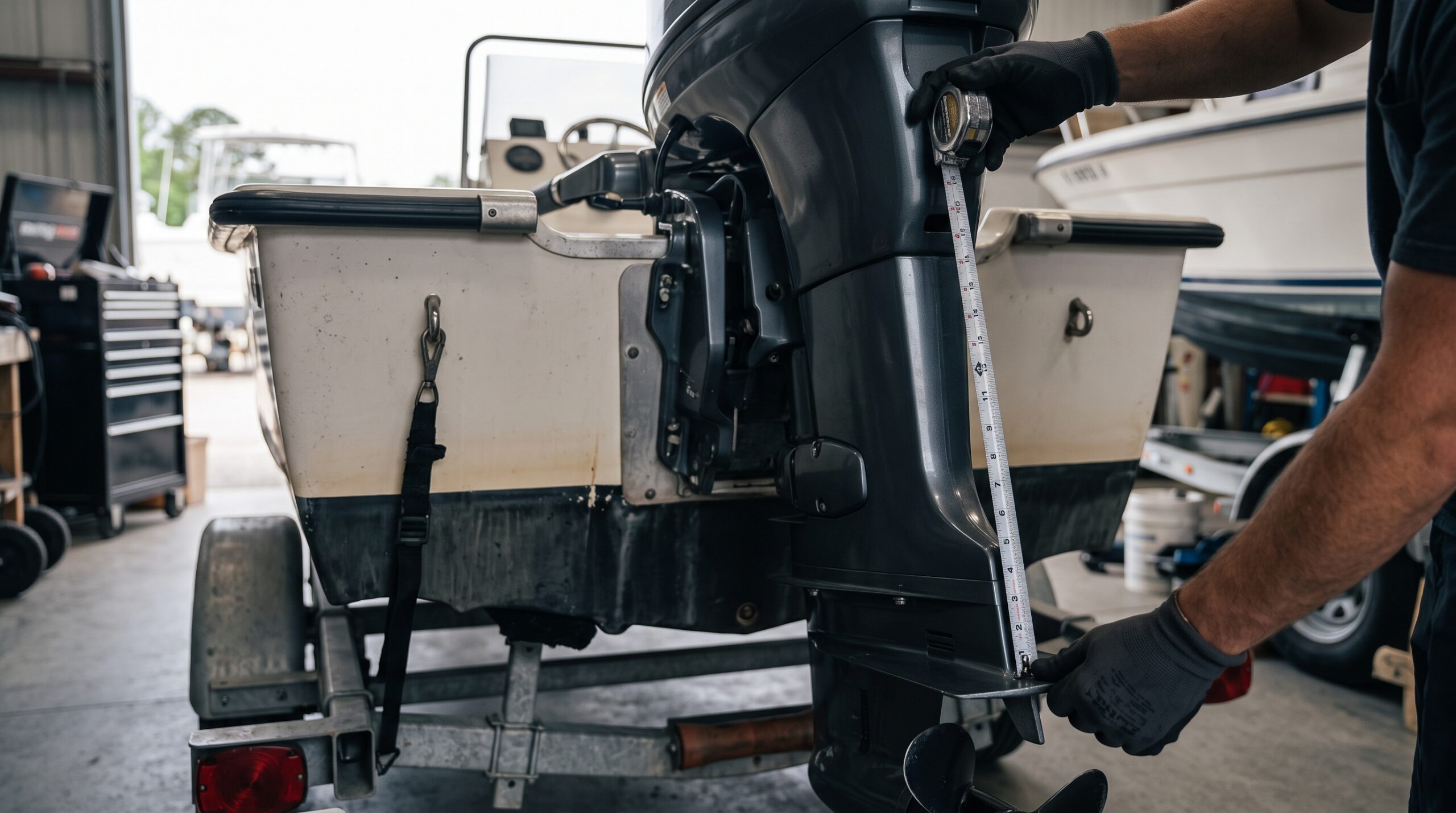
A new outboard motor can cost a few hundred dollars for a small portable engine or tens of thousands of dollars for a high-powered model. The final price depends on horsepower, brand, engine type, features, and installation needs.
Outboard motors are engines mounted on the outside of a boat’s transom, or rear section. They provide the power needed to move the boat through the water. Many small fishing boats, recreational boats, and larger vessels use outboard motors because they are practical and available in a wide range of sizes.
If you are wondering how much is a new outboard motor, the most important thing to know is that there is no single price for every boat. A small 2.5 HP engine costs far less than a 150 HP or 300 HP engine. Electric models also have different pricing from gasoline-powered motors.
This guide explains typical prices in US dollars, compares popular brands, and covers the extra costs you should consider before buying. Actual prices vary by country, dealer, model year, taxes, and availability, so use these figures as general estimates rather than guaranteed quotes.
How Much Is a New Outboard Motor?
New outboard motor prices vary widely. Small portable engines are generally the most affordable, while large engines with advanced controls and high horsepower cost much more.
As a broad guide, a small gasoline outboard may cost around $800 to $2,000. Midrange engines can cost several thousand dollars, and large models may cost $15,000 to $35,000 or more per engine.
These estimates are not fixed market prices. Some models fall outside these ranges, and premium engines or complete installation packages may cost significantly more.
Average Price of a New Outboard Motor
The table below provides estimated retail price ranges for common gasoline outboard motors. It is intended to help you plan a budget, not replace a current dealer quote.
| Horsepower | Estimated engine price (USD) | Typical use |
|---|---|---|
| 2–6 HP | $800–$2,000 | Small boats and dinghies |
| 9.9–20 HP | $2,000–$4,500 | Small fishing boats |
| 25–60 HP | $3,500–$8,500 | Medium fishing boats |
| 75–150 HP | $7,000–$18,000 | Larger recreational boats |
| 200–300 HP | $18,000–$35,000+ | Large fishing and family boats |
| 350 HP and above | $30,000–$50,000+ | High-performance and larger vessels |
These ranges can overlap because engine design, shaft length, starting systems, controls, and manufacturer pricing differ.
For example, a basic engine with manual starting may cost less than a similar model with electric starting and power trim. A premium engine may also cost more because of its technology, features, or dealer package.
What Is Included in the Purchase Price?
Before comparing prices, find out exactly what the seller includes.
The advertised price may cover the engine itself, but not every item needed to operate it. Depending on the model and sales package, the purchase may include:
-
The outboard motor and its standard components.
-
A basic tiller handle or specified control equipment.
-
A standard propeller, if supplied with that model.
-
Manufacturer warranty coverage, subject to its terms.
-
Owner’s manual and basic installation information.
Other items may cost extra. These can include remote controls, steering components, cables, battery equipment, fuel lines, mounting hardware, rigging, and professional installation.
Do not assume that every new motor comes with the same accessories. Ask the dealer for a written list of included items and any exclusions.
A lower advertised price may not be the least expensive option once you add everything required to make the motor ready for use.
New Outboard Motor Prices by Horsepower
Horsepower is one of the biggest factors in a new outboard motor’s cost. Higher horsepower usually means a larger engine, more power, and a higher purchase price.
However, choosing the most powerful motor is not always the best choice. The right engine must match your boat’s size, weight, design, and intended use.
How Much Does a 2–6 HP Outboard Motor Cost?
A new 2–6 HP gasoline outboard motor typically costs around $800 to $2,000. These engines are designed for small boats that do not need much power.
Common uses include:
-
Inflatable boats and dinghies.
-
Small fishing boats.
-
Tender boats used to reach a larger vessel.
-
Some small sailboats that need auxiliary power.
Many engines in this range are lightweight and portable. Some use manual starting and simple tiller steering, which can help keep the price down.
Small electric outboards are another option. Their purchase price varies by thrust, battery capacity, and included accessories. Some compact electric motors cost less than a gasoline model, but a complete electric setup can cost more once you add the required battery and charger.
For example, someone using a small dinghy on a calm lake may find a 3 HP engine suitable. A heavier boat or one used in strong currents may require a different setup.
Before buying, check the boat’s maximum rated horsepower and the engine’s shaft length. These details affect both safety and performance.
How Much Does a 9.9–20 HP Outboard Motor Cost?
New 9.9–20 HP outboard motors commonly cost about $2,000 to $4,500, although prices depend on the model and its equipment.
This range is popular with owners of small fishing boats, aluminum boats, and compact recreational boats.
A 9.9 HP motor may suit a lightweight boat used for fishing or short trips. A 15 HP or 20 HP engine can offer more power for a suitable boat carrying passengers and equipment.
Features that can affect the price include:
-
Manual or electric starting.
-
Tiller or remote steering.
-
Manual or power trim, where available.
-
Short or long shaft options.
-
Engine weight and portability.
-
Available service and warranty support.
Four-stroke engines are common in this category. They can offer good fuel economy and relatively quiet operation, although actual consumption depends on the load, speed, and conditions.
A portable motor can be useful if you need to remove it for storage. However, weight increases with engine size, so check whether you can safely handle the motor.
How Much Does a 25–60 HP Outboard Motor Cost?
A new 25–60 HP outboard motor may cost approximately $3,500 to $8,500. Some premium models or fully equipped packages can exceed this range.
These engines are often used on medium-sized fishing boats, aluminum boats, and recreational vessels.
The right horsepower depends on the hull design, boat weight, passenger load, and manufacturer’s recommendations. A 40 HP engine may be suitable for one boat but too powerful or too weak for another.
At this level, buyers may choose between basic tiller-controlled engines and models with remote controls. Some engines also offer electric starting, power trim, and other convenience features.
Consider two general examples:
-
Basic setup: A 30 HP engine with manual controls may cost less and suit a simple fishing boat.
-
More equipped setup: A 50 HP engine with remote controls and power trim may have a higher initial price and additional rigging costs.
Fuel use also matters. A larger engine can consume more fuel when operated at high power, but a correctly matched motor running at a suitable load may perform more efficiently than an unsuitable setup.
Compare the complete package, including controls, propeller, mounting, and labor, before making a decision.
How Much Does a 75–150 HP Outboard Motor Cost?
New 75–150 HP outboard motors generally cost around $7,000 to $18,000 per engine. Premium configurations and complete packages may cost more.
This category serves many larger fishing boats, family boats, and recreational vessels.
Compared with small portable motors, these engines can have more advanced systems and require more installation work. Depending on the model, features may include:
-
Electric starting.
-
Power trim and tilt.
-
Remote throttle and gear controls.
-
Electronic fuel injection.
-
Digital engine monitoring.
-
Electronic steering or digital controls on selected models.
Not every engine in this range includes every feature. Check the exact model specification.
A 90 HP motor might be suitable for a boat designed around that power level, while a larger hull may need 115 HP or 150 HP. The correct choice depends on the boat’s approved capacity and performance requirements.
Installation costs can become important at this level. Remote controls, steering equipment, electrical connections, and compatible instruments may add substantially to the bill.
Ask for a package quote rather than comparing engine-only prices.
How Much Does a 200 HP or Larger Outboard Motor Cost?
A new 200 HP outboard may cost roughly $18,000 to $30,000 or more. Engines producing 250 HP, 300 HP, or above can cost $25,000 to $50,000 or more, depending on the brand and configuration.
These engines are used on larger fishing boats, offshore vessels, performance boats, and other hulls designed to handle substantial power.
High-powered outboards may offer advanced fuel systems, digital controls, electronic steering, integrated monitoring, and other features. Larger models can also be heavier and may require specific transom designs and installation equipment.
Some boats use multiple outboards. If a boat requires two 250 HP engines, the cost of the engines alone can be substantial. Controls, rigging, steering systems, and installation can increase the total further.
Before purchasing a high-powered motor, verify the boat’s maximum horsepower rating, transom capacity, and recommended engine configuration. A marine professional can help confirm that the proposed engine and installation are suitable.
New Outboard Motor Prices by Brand
Several major manufacturers offer outboard motors in different horsepower ranges. Their prices depend on engine size, features, model year, and dealer pricing.
Brand reputation matters, but it should not be the only factor in your decision. Local service availability, parts access, warranty terms, and the cost of routine maintenance also affect long-term value.
Yamaha Outboard Motor Prices
Yamaha offers outboards ranging from small portable models to high-powered engines for larger boats.
Small Yamaha outboards generally cost less than its large, feature-rich models. The price increases with horsepower, starting systems, controls, and other specifications.
When comparing Yamaha motors, check:
-
Rated horsepower and engine weight.
-
Two-stroke or four-stroke design, where available.
-
Shaft length and mounting requirements.
-
Manual or electric starting.
-
Available controls and trim systems.
-
Warranty terms and nearby service options.
Yamaha may be worth considering if its available models match your boat and you can access qualified service in your area.
However, do not assume that every Yamaha model is cheaper or more expensive than its competitors. Compare equivalent horsepower and equipment.
Mercury Outboard Motor Prices
Mercury Marine produces portable, midrange, and high-powered outboards.
Its range includes small motors for lightweight boats and larger engines for recreational and fishing vessels. The final cost depends on the exact model, horsepower, equipment, and dealer package.
When reviewing a Mercury quote, look at the engine’s rated power, shaft length, starting system, control type, and included accessories.
Some configurations may include features that are optional on other models. That can make a simple price comparison misleading.
Mercury’s dealer network and available parts support may also influence your decision. If you plan to keep the boat for many years, check the availability of routine service and replacement parts before purchasing.
Honda Outboard Motor Prices
Honda Marine is known for its four-stroke outboard range.
Honda engines are available in different sizes for small boats, recreational use, and larger vessels. Their prices depend on horsepower, features, and the particular model.
When comparing Honda outboards, consider fuel delivery, engine weight, starting options, control systems, and the type of boating you plan to do.
Four-stroke engines can be attractive to owners who value smooth operation and fuel economy. However, actual fuel consumption varies with load, speed, hull design, and operating conditions.
Honda may be a good option if you can find a model that fits your boat and have access to reliable local servicing.
Suzuki and Tohatsu Outboard Motor Prices
Suzuki Marine offers outboards across a broad range of horsepower levels. Tohatsu also produces engines for portable and larger recreational applications.
Their pricing depends on engine size, features, and the market where the motor is sold. Some buyers may find an attractive price from one brand, while another brand may offer a better package or stronger local support.
Compare engines with similar horsepower, starting systems, shaft lengths, and controls. A basic engine should not be compared directly with a more fully equipped model without accounting for the differences.
Before buying, ask whether the quoted price includes the propeller, controls, warranty, and installation. Also check how easily you can obtain spare parts and qualified service.
The best brand is the one that provides the right engine for your boat, reliable support, and a total cost that fits your budget.
What Factors Affect the Price of a New Outboard Motor?
Several factors determine the final cost of a new outboard. Understanding them can help you compare models fairly and avoid paying for features you do not need.
Horsepower and Engine Size
Horsepower measures an engine’s power output. In general, engines with more horsepower cost more because they require greater performance capacity and often use larger or more complex components.
A 5 HP motor is designed for a different job than a 150 HP engine. Their weights, fuel requirements, controls, and installation needs can differ greatly.
Do not choose an engine based on horsepower alone. Your boat’s design, maximum capacity, load, and intended use matter just as much.
An engine that is too powerful may exceed the boat’s approved rating. An engine that is too small may struggle to move the boat safely and efficiently under normal loads.
Two-Stroke vs. Four-Stroke Engines
Two-stroke and four-stroke engines differ in design, operation, maintenance needs, and availability.
Traditional two-stroke engines can be lighter for a given power output. Some designs require oil to be mixed with fuel, while direct-injection and other systems have different lubrication arrangements. Older two-stroke models may be available in the used market, but the availability of new models depends on local regulations and manufacturer offerings.
Four-stroke engines use a separate engine lubrication system and are widely used in modern outboards. They often provide smooth operation and good fuel efficiency, but their weight and purchase price vary by model.
When comparing them, consider:
-
Purchase price.
-
Fuel consumption under your expected load.
-
Routine maintenance requirements.
-
Noise and operating characteristics.
-
Local emissions rules.
-
Availability of parts and service.
Do not assume that one engine type will always be cheaper to own. The right choice depends on the exact models and how you use the boat.
Electric vs. Gas-Powered Outboard Motors
Electric outboards use an electric motor powered by a battery. Gasoline outboards use an internal combustion engine.
Electric motors can be attractive for quiet operation, low-speed boating, and some fishing applications. They may also need less routine engine maintenance because they do not use gasoline engine oil or spark plugs.
However, the battery and charging system can be a major part of the total purchase price. Range and running time depend on battery capacity, power demand, boat weight, speed, and water conditions.
Gasoline outboards are often more practical for longer trips, higher power needs, or places where battery charging is difficult. They also require fuel and regular engine maintenance.
Compare the complete electric setup, not just the motor. For gasoline models, include fuel, oil where required, servicing, and other operating expenses.
Features, Controls, and Technology
Extra features can increase the cost of a new outboard motor.
Electric starting offers convenience compared with a manual pull-start system. Power trim and tilt can make it easier to adjust the engine position. Remote controls are useful when the driver operates the boat from a steering console.
Larger or more advanced engines may support digital controls, electronic steering, and integrated displays. These systems can improve convenience, but they may require compatible equipment and specialized installation.
Choose features that fit your boat and boating habits. Paying extra for advanced electronics may not provide much value if you only use a small boat for short trips.
Warranty and Dealer Support
A manufacturer’s warranty can help protect you against covered defects during the specified warranty period. Coverage, exclusions, and maintenance requirements vary by manufacturer, country, and model.
Ask the dealer to explain:
-
How long the warranty lasts.
-
What components are covered.
-
Whether registration is required.
-
Which maintenance records you must keep.
-
How warranty claims are handled locally.
A low-priced motor may be less attractive if parts are hard to obtain or qualified service is far away. A slightly higher initial price may offer better overall value when dependable local support is available.
Read the warranty documents before making the final decision.
Additional Costs When Buying a New Outboard Motor
The engine’s advertised price is only one part of the total cost. Installation, controls, accessories, taxes, and future maintenance can increase your budget.
When comparing offers, ask for the complete cost of getting the motor ready for use.
Installation and Labor Costs
Installation may involve mounting the motor, checking alignment, connecting controls, setting up electrical systems, and testing the engine.
A small portable outboard may require little installation work. A larger engine with remote controls and electronic systems can need more time and specialized equipment.
Professional installation may cost a few hundred dollars for a straightforward job, while complex installations can cost considerably more. These are broad planning estimates, not fixed rates.
The price may also change if the boat needs repairs, new mounting hardware, steering changes, or electrical work.
Ask the installer whether the quote includes setup, testing, and any necessary adjustments. Correct installation helps the engine operate as intended and reduces the risk of compatibility problems.
Controls, Cables, and Rigging
Some outboards use a tiller handle for steering and throttle control. Others require a remote control at the driver’s console.
Remote-control setups may need throttle and shift controls, cables or electronic connections, steering equipment, wiring, and compatible instruments.
The cost depends on the engine and the boat’s existing equipment. If you are replacing an older engine, some parts may be reusable, but compatibility must be confirmed.
Before paying a deposit, ask for a list of all required rigging components. This prevents an engine-only quote from appearing cheaper than a complete package.
Propeller and Battery Costs
A propeller transfers the engine’s power to the water. The correct propeller depends on the engine, boat, load, and intended performance.
Some outboards include a standard propeller, while other configurations may require a separate purchase. An upgraded propeller can also add to the cost.
Electric-start gasoline outboards may need a suitable battery and associated wiring if these are not already available. Electric outboards need a compatible traction battery and often a charger.
Do not assume that every battery can operate every motor. Follow the manufacturer’s requirements for voltage, capacity, connections, and battery type.
Fuel, Maintenance, and Insurance
Owning an outboard involves ongoing expenses beyond the purchase price.
Gasoline engines need fuel, and four-stroke engines require regular engine-oil changes. Depending on the model, maintenance may include filters, spark plugs, gearcase lubricant, impeller checks or replacement, and other inspections.
Saltwater use can increase corrosion concerns, making proper rinsing and maintenance especially important. Follow the manufacturer’s instructions for flushing, storage, and service intervals.
Electric outboards avoid gasoline engine maintenance but still need suitable battery care, inspections, and occasional component replacement.
Insurance may also be relevant, depending on your location, boat use, and policy requirements. If you insure the boat, check whether the engine is included and whether any special conditions apply.
Taxes, Delivery, and Registration
Taxes and delivery charges vary by location and seller. Some purchases may also require registration, documentation, or other fees under local rules.
A motor shipped from another country can involve freight, customs duties, import taxes, and clearance costs. These expenses may make an apparently inexpensive online offer much more expensive.
Before ordering, confirm the total delivered price and who is responsible for import paperwork. Also verify that the motor is legal for your intended use and that local service support is available.
New Outboard Motor vs. Used Outboard Motor
Buying new is not the only option. A used motor may cost less upfront, but its condition and maintenance history are important.
Your decision should depend on your budget, how often you use the boat, and how much uncertainty you are willing to accept.
Advantages of Buying a New Outboard Motor
A new outboard usually provides a clear starting point for maintenance and ownership.
Potential advantages include:
-
Manufacturer warranty coverage, subject to its terms.
-
Known age and initial service history.
-
Current features and available specifications.
-
No previous owner’s maintenance mistakes.
-
Access to new-engine setup and service guidance.
A new motor can be especially appealing if you rely on your boat often or plan to keep it for many years.
However, new does not automatically mean problem-free. Correct installation, proper operation, and scheduled maintenance are still necessary.
Advantages of Buying a Used Outboard Motor
A used outboard may provide a lower purchase price. It can also give you access to older models that are no longer sold new.
The trade-off is uncertainty. A motor may have hidden corrosion, worn components, neglected servicing, or damage that is not obvious from its appearance.
Before buying, ask for maintenance records and available ownership documents. Have a qualified marine technician inspect the motor when possible.
For a used engine, check the condition of the gearcase, cooling system, fuel system, propeller, and electrical components. A compression test or other diagnostic checks may be appropriate, depending on the engine.
Also confirm the engine’s model and serial numbers and whether any warranty remains.
Which Option Offers Better Value?
A new outboard may be the better choice if you want warranty protection, predictable maintenance history, and current features. A used motor may make sense if the purchase price is your main concern and you can verify the engine’s condition.
Compare the total expected cost, not just the initial price.
For example, a used motor that costs substantially less may still be poor value if it needs extensive repairs. On the other hand, a well-maintained used motor with a documented service history may meet your needs at a lower cost.
Consider how often you will use the boat, whether you depend on it for work, and how costly downtime would be.
How to Choose the Right Outboard Motor for Your Budget
A good buying decision balances purchase price, compatibility, operating costs, and reliability. Use the following steps to narrow your choices.
Check Your Boat’s Recommended Horsepower
Start with the boat manufacturer’s specifications and capacity plate.
These details may state the maximum rated horsepower, maximum load, and other limits. The correct engine must comply with the boat’s requirements and the rules that apply where you operate it.
Do not install a larger motor simply because it is on sale. Excessive horsepower or weight can affect handling and safety.
You should also check the required shaft length. A shaft that is too short or too long may affect engine installation and performance.
If the boat has unusual requirements, ask the manufacturer or a qualified marine technician to confirm compatibility.
Set a Total Budget
Decide how much you can spend on the complete setup rather than the engine alone.
Your budget should account for:
-
The outboard motor.
-
Required controls and rigging.
-
Installation and testing.
-
Propeller and battery equipment, if needed.
-
Taxes, delivery, and applicable registration.
-
Routine maintenance and fuel.
-
Safety equipment required for your boating activities.
Keep some room for unexpected expenses. This is especially useful when replacing an engine on an older boat, where existing cables, wiring, or mounting hardware may need attention.
A clear budget helps you avoid choosing an engine that is affordable to purchase but expensive to install and operate.
Compare Dealer Quotes
Request written quotes from several dealers when possible.
Make sure each quote covers the same horsepower, shaft length, starting system, controls, and included accessories. Compare the warranty and installation services as well.
A useful quote should show the engine price separately from additional charges. Ask about delivery, taxes, setup, and any required equipment that is not included.
You can use a simple comparison table:
| Item | Dealer A | Dealer B |
|---|---|---|
| Engine model | Record model | Record model |
| Engine price | Enter quote | Enter quote |
| Controls and rigging | Enter cost | Enter cost |
| Installation | Enter cost | Enter cost |
| Taxes and delivery | Enter cost | Enter cost |
| Total price | Calculate | Calculate |
| Warranty and service | Verify | Verify |
A slightly higher quote may offer more value if it includes proper installation, compatible equipment, and convenient service support.
Consider Long-Term Ownership Costs
Fuel and maintenance can make a meaningful difference over the life of the engine.
Think about how many hours you expect to use the boat and the conditions in which you will operate it. A motor used for frequent long trips has different operating needs from one used for occasional short outings.
Check the recommended service schedule and the availability of parts. Ask local technicians about routine service costs if you are unfamiliar with the brand.
Fuel economy should be compared under similar operating conditions. A larger engine may consume more fuel at high power, while a suitable engine operated at a sensible load may provide better efficiency for your boat.
Choose a motor that meets your real needs instead of paying for unnecessary power or features.
Where Can You Buy a New Outboard Motor?
You can purchase a new outboard motor through an authorized dealer, a marine equipment retailer, or a reputable online seller.
The best option depends on your location, the model you need, and whether installation support is available.
Authorized Outboard Motor Dealers
Authorized dealers can often provide model-specific advice, warranty information, installation services, and access to genuine parts.
They may also help you confirm whether a particular motor is compatible with your boat.
Ask whether the dealer is authorized to sell and service the brand you want. Check the written warranty and find out where repairs can be carried out.
A local dealer can be particularly helpful when you need installation, routine servicing, or support with a warranty claim.
Online Marine Equipment Stores
Online stores can make it easier to compare specifications and advertised prices across several models.
Before ordering, verify the seller’s reputation and the exact product description. Check whether the engine is new, whether the warranty applies in your country, and whether the seller can provide documentation.
Shipping costs and delivery arrangements are important, particularly for large and heavy engines. An international order may also involve import duties and local compliance requirements.
If you cannot find a suitable service center for the model, a lower online price may not be worth the inconvenience.
What to Check Before Purchasing
Before completing your purchase, verify the following:
-
Exact brand, model, horsepower, and model year.
-
Shaft length and boat compatibility.
-
Engine weight and transom requirements.
-
Included propeller and control equipment.
-
Battery and electrical requirements.
-
Warranty coverage and registration procedure.
-
Total price, including delivery and installation.
-
Seller reputation and local parts availability.
Get the final quote and important warranty details in writing. This makes it easier to compare sellers and resolve misunderstandings later.
Frequently Asked Questions
How much is a new outboard motor on average?
A new gasoline outboard motor can cost around $800 to $2,000 for small 2–6 HP models, $2,000 to $8,500 for many 9.9–60 HP models, and $7,000 to $18,000 or more for many 75–150 HP models. Engines above 200 HP can cost $18,000 to $50,000 or more.
These are broad estimates for the engine itself. Brand, features, dealer pricing, and installation needs affect the final amount.
What is the cheapest new outboard motor?
Small portable gasoline outboards are generally among the least expensive new models. Entry-level engines in the 2–3.5 HP range may cost several hundred to over $1,000, depending on the brand and market.
Some small electric motors have lower starting prices, but the battery and charger may cost extra. Compare the complete setup before deciding which option is cheaper.
How much does a new 50 HP outboard motor cost?
A new 50 HP outboard motor may cost approximately $4,000 to $8,000, depending on the manufacturer, model, and included features. This is a general estimate rather than a current quote for a specific engine.
Manual or basic configurations may cost less than models with additional controls and features. Installation, rigging, and other equipment can increase the total.
Ask a dealer for an itemized quote that includes everything required to install and operate the engine.
Are new outboard motors worth the money?
A new outboard motor can be worth the investment if you value warranty coverage, a known maintenance history, and access to current features.
A new motor may also reduce the uncertainty associated with buying an older engine. However, its value depends on the purchase price, expected use, maintenance expenses, and the availability of local service.
Compare the full cost of ownership before deciding whether to buy new or used.
How long does a new outboard motor last?
An outboard motor can provide many years of service when it is properly installed, maintained, and operated. Its actual lifespan depends on engine design, operating hours, load, storage, and exposure to fresh or salt water.
Follow the manufacturer’s maintenance schedule, use the recommended fluids, and inspect the cooling system regularly. Rinse and protect the engine after saltwater use as directed by the manufacturer.
Proper maintenance can help extend engine life, but no specific lifespan is guaranteed.
Can I install a new outboard motor myself?
Some small portable outboards are designed for straightforward installation by the owner. Larger motors may require professional mounting, steering connections, controls, electrical work, and setup.
Before attempting installation, read the manufacturer’s instructions and confirm that the engine is compatible with your boat. Incorrect mounting or rigging can create serious safety risks.
For large or complex engines, professional installation is generally the safer choice. Ask the dealer whether installation is included in the purchase price.
Conclusion
So, how much is a new outboard motor? The answer depends mainly on horsepower, brand, engine type, and included features. A small portable engine may cost around $800 to $2,000, while midrange models can cost several thousand dollars. High-powered outboards may cost $18,000 to $50,000 or more.
Remember that the advertised engine price may not include installation, controls, rigging, batteries, taxes, or delivery. These extra costs can make a significant difference to your total budget.
Before buying, check your boat’s recommended horsepower, compare equivalent models from reputable brands, and request itemized dealer quotes. Also consider fuel use, maintenance, warranty coverage, and access to replacement parts.













One thought on “How Much Is a New Outboard Motor?”