



Our Blogs
High Performance Outboard Engines: Best Powerful Options

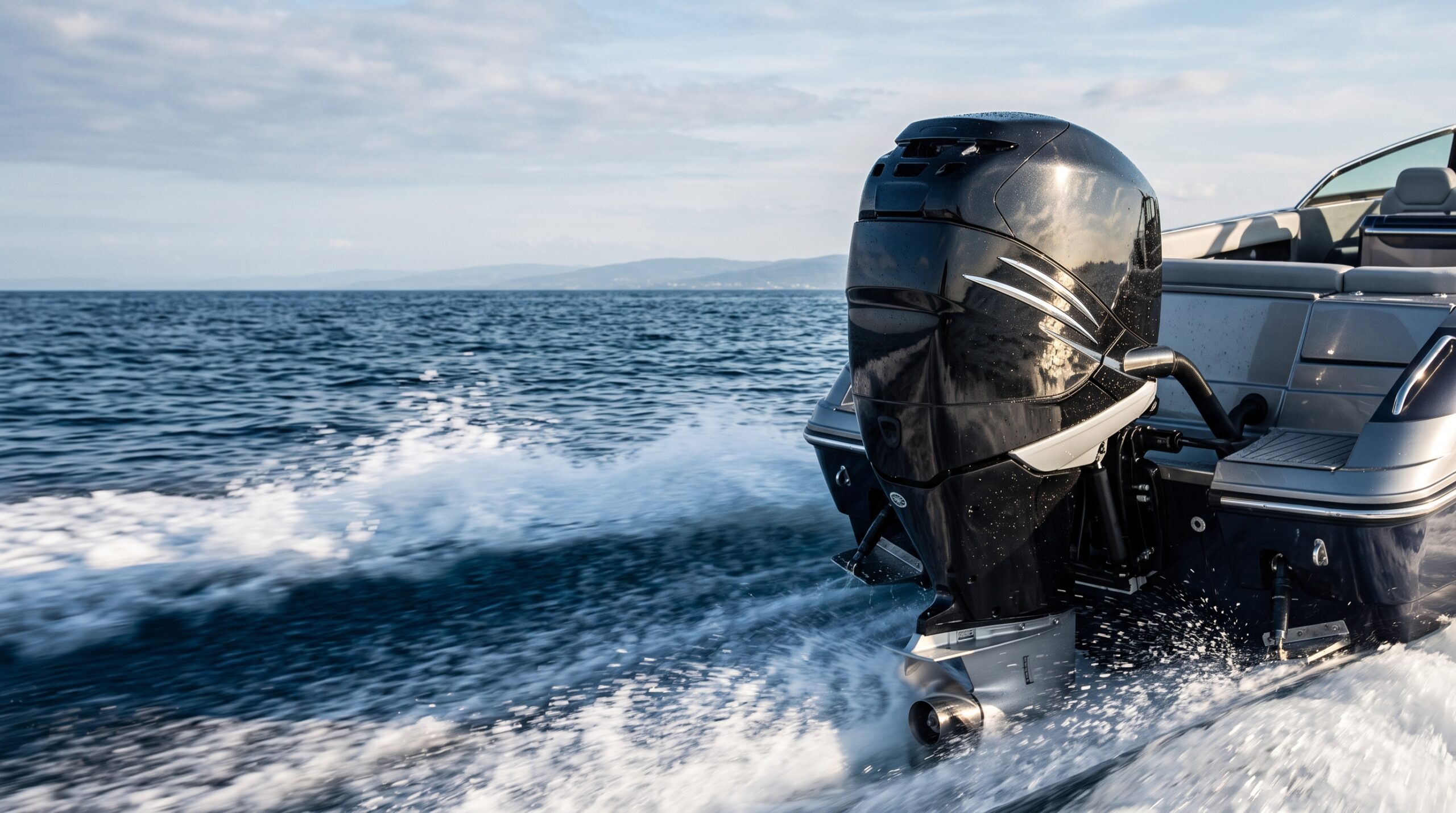
High performance outboard engines are designed for boat owners who need strong acceleration, reliable power, responsive handling, and dependable performance on the water. Whether a boat is used for recreational cruising, fishing, water sports, or demanding marine activities, choosing the right outboard engine can significantly influence the overall boating experience. Modern outboard engines combine advanced engineering, improved fuel delivery systems, electronic controls, and durable materials to deliver consistent performance across a wide range of operating conditions.
The demand for high performance outboard engines continues to grow as boat owners look for greater speed, improved efficiency, and easier maintenance. Manufacturers now offer engines with different horsepower ratings, configurations, and technology packages to meet the needs of various boat sizes and applications. However, the most powerful engine is not necessarily the best choice for every boat. Factors such as hull design, total vessel weight, maximum rated horsepower, fuel consumption, and intended use all play important roles in engine selection.
Understanding the main features of high performance outboard engines helps buyers make informed decisions and avoid unnecessary operating costs. It also makes it easier to compare manufacturers, understand maintenance requirements, and identify the technologies that contribute to reliable marine performance. This guide explores engine types, important features, leading brands, fuel efficiency, maintenance, common problems, and the factors that matter most when choosing a high performance outboard engine.
What Are High Performance Outboard Engines?
High performance outboard engines are marine propulsion systems designed to provide substantial power, responsive acceleration, and reliable operation under demanding conditions. Unlike ordinary boat engines selected primarily for basic transportation, high performance models may emphasize higher horsepower, advanced engine management, improved power delivery, and specialized performance features. Their actual capabilities depend on engine design, displacement, operating range, propeller selection, and the boat on which they are installed.
An outboard engine combines the powerhead, transmission components, driveshaft, gearcase, and propeller into an externally mounted unit. This configuration allows the engine to propel and steer the boat while keeping the power system accessible for inspection and servicing. Outboard engines are available in numerous sizes, from compact units for small watercraft to large, high-horsepower models designed for substantial recreational and commercial boats.
Performance involves more than maximum speed. Acceleration, midrange power, throttle response, load-carrying capability, reliability, and control are also important considerations. A well-matched engine can provide predictable handling and adequate power without forcing the boat to operate beyond its intended design limits. High performance should therefore be understood as a combination of usable power, efficient operation, suitable equipment, and dependable engineering rather than horsepower alone.
Key Features of High Performance Outboard Engines
High Horsepower and Responsive Acceleration
Horsepower is one of the most important specifications when comparing high performance outboard engines. It indicates the engine’s rated power output and helps buyers identify whether a particular model is suitable for their boat. Higher horsepower can provide stronger acceleration and greater power reserves when the vessel is properly matched to the engine. However, actual speed and acceleration also depend on hull shape, total weight, propeller characteristics, water conditions, and the distribution of passengers and equipment.
Modern high-horsepower outboards often feature sophisticated engine management systems that help deliver smooth and predictable power. Electronic throttle controls may improve responsiveness and make it easier to coordinate multiple engines. These technologies can be especially useful on larger boats where precise control and consistent operation are important.
Selecting horsepower requires careful attention to the boat manufacturer’s maximum rated capacity. Installing an engine that exceeds the vessel’s approved power rating can compromise safety, handling, and structural integrity. The goal is to achieve suitable performance within the boat’s specifications rather than pursuing maximum power without considering the complete vessel.
Advanced Engine Technology
Engine technology plays a major role in the performance and reliability of modern outboards. Electronic fuel injection helps control fuel delivery according to operating conditions, supporting consistent starting, smoother operation, and improved fuel management. Engine control modules monitor operating parameters and adjust engine functions to maintain suitable performance within the manufacturer’s programmed limits.
Many modern engines also incorporate electronic diagnostic systems that help technicians identify faults and evaluate engine operation. These systems can reduce troubleshooting time and provide valuable information about maintenance needs. Depending on the model, additional technologies may include electronic steering, digital throttle and shift systems, variable valve timing, and integrated monitoring displays.
The availability of these features differs between manufacturers and engine families. Buyers should review the technical specifications of individual models rather than assuming every high performance outboard includes the same equipment. Understanding the available technology helps determine whether a particular engine offers meaningful benefits for the intended boating application.
Fuel Efficiency and Power Delivery
Fuel efficiency is an important consideration for boat owners because marine engines can consume substantial amounts of fuel under heavy loads or at high operating speeds. Modern four-stroke outboards often emphasize controlled fuel delivery, efficient combustion, and smooth operation. Electronic engine management can help optimize performance across different throttle positions and operating conditions.
Actual fuel consumption varies considerably according to horsepower, boat design, engine condition, propeller setup, passenger load, and sea conditions. Operating continuously at high throttle generally increases fuel consumption compared with cruising at an appropriate speed. The most efficient cruising range depends on the individual engine and boat combination, so owners should consult manufacturer guidance and available fuel-flow information.
Power delivery also matters because a boat needs usable thrust throughout its operating range. An engine that responds smoothly and maintains suitable power under normal loading can improve comfort and handling. Efficient performance comes from matching the engine to the vessel and operating it within the recommended range rather than focusing exclusively on top speed.
Lightweight Construction and Durability
Weight affects the balance, performance, and handling of a boat. Engine manufacturers use different materials and structural designs to manage weight while maintaining strength and durability. A lighter outboard may help preserve the boat’s intended balance, but engine weight must always be considered alongside horsepower, mounting requirements, and the vessel’s transom capacity.
Corrosion resistance is particularly important because outboard engines operate in environments exposed to water, moisture, salt, and temperature changes. Protective coatings, corrosion-resistant components, sacrificial anodes, and appropriate maintenance help reduce deterioration. Saltwater operation generally requires more careful cleaning and inspection than many freshwater applications.
Durability also depends on proper installation, cooling system condition, lubrication, fuel quality, and regular servicing. Even a premium engine can experience premature wear when maintenance is neglected or operating limits are ignored. Choosing an engine with suitable construction and maintaining it according to manufacturer recommendations are both essential for long-term reliability.
Types of High Performance Outboard Engines
Two-Stroke Outboard Engines
Two-stroke outboard engines complete their power cycle in two piston strokes. Traditional two-stroke designs are known for their relatively simple construction and strong power relative to engine weight. These characteristics have made them popular in various marine applications, particularly where low weight and responsive acceleration are important.
However, traditional carbureted two-stroke engines can have higher emissions and fuel consumption than many modern alternatives. Direct-injection two-stroke technology improved fuel delivery and combustion in certain engine designs, but availability, service support, and regulatory requirements vary by manufacturer and market. Older two-stroke engines may also require additional attention to fuel and oil systems.
Buyers considering a used two-stroke outboard should assess its condition, service history, compression, cooling performance, and parts availability. It is also important to check local emissions requirements and consider the long-term availability of qualified technicians. The engine’s design and condition matter more than the two-stroke label alone.
Four-Stroke Outboard Engines
Four-stroke outboard engines use a four-stage combustion cycle and maintain separate engine lubrication systems in conventional designs. They are widely used in modern recreational boating because many models offer smooth operation, controlled emissions, and competitive fuel efficiency. Their engineering has developed considerably, allowing manufacturers to produce engines with substantial horsepower and advanced electronic controls.
Four-stroke engines may have more internal components than traditional two-stroke designs, and service requirements vary according to the model. Regular oil changes, filter replacement, cooling system inspection, and scheduled maintenance remain important. Engine weight can also differ significantly between models, so buyers should compare the complete specifications rather than assume all four-stroke engines have similar characteristics.
For many boat owners, four-stroke outboards provide a practical balance of performance, convenience, and long-term usability. The right choice depends on the vessel, operating conditions, service access, budget, and the manufacturer’s recommended application.
High-Horsepower Outboard Engines
High-horsepower outboards are designed for boats that require substantial propulsion power. They may feature large-displacement powerheads, sophisticated fuel systems, advanced cooling arrangements, and electronic controls. Depending on the manufacturer, the range includes engines suitable for performance-oriented recreational boats, offshore vessels, and larger multi-engine installations.
High-horsepower engines require careful attention to transom strength, mounting height, steering systems, propeller selection, and total engine weight. On boats fitted with multiple outboards, engine synchronization and coordinated control can be important for smooth operation. Proper installation and setup are essential because even a powerful engine cannot compensate for an unsuitable hull or incorrect rigging.
Operating these engines responsibly is equally important. Owners should follow capacity ratings, wear appropriate safety equipment, observe local boating regulations, and avoid operating at speeds that exceed their experience or the conditions. Performance improvements should never come at the expense of stability or control.
Best Brands for High Performance Outboard Engines
Mercury Marine
Mercury Marine is a well-known manufacturer of marine propulsion systems and offers outboards across a broad range of horsepower categories. Its product lineup includes engines designed for recreational boating, fishing, and performance-oriented applications. Depending on the model, available features may include electronic fuel injection, digital controls, advanced monitoring, and technologies intended to improve acceleration or reduce operating friction.
When evaluating a Mercury outboard, buyers should compare the engine’s horsepower, weight, displacement, control options, warranty, and service requirements. Availability and specifications vary by model year and market. Local dealer support is also important because routine maintenance and access to genuine parts can influence long-term ownership costs.
Mercury engines may be suitable for boat owners seeking modern technology and a wide selection of propulsion options. The best choice should be based on the requirements of the boat and verified specifications for the specific model rather than brand reputation alone.
Yamaha Outboards
Yamaha Outboards produces marine engines used in a variety of recreational and commercial settings. Its range includes compact engines, midrange models, and high-horsepower outboards with features designed to support smooth power delivery and dependable operation. Certain models offer electronic controls, integrated monitoring, and advanced engine management systems.
Yamaha engines are often considered by buyers who value established marine engineering and access to maintenance support. Nevertheless, service quality, parts availability, warranty coverage, and operating costs can differ between locations. Buyers should investigate the support network available in their area before purchasing.
When comparing Yamaha outboards with competing products, attention should be given to the specific engine’s rated horsepower, weight, fuel requirements, recommended service intervals, and compatibility with the vessel. A model that performs well on one boat may not be the ideal match for another.
Suzuki Marine
Suzuki Marine manufactures outboard engines with a focus on marine reliability, efficient combustion, and practical performance. Its lineup includes a range of four-stroke engines, with certain models incorporating technologies designed to support fuel efficiency and strong power delivery. Depending on the model, features may include electronic fuel injection and specialized intake or fuel-management systems.
Buyers evaluating Suzuki outboards should consider the engine’s performance specifications alongside its maintenance schedule and available service support. Engine availability can vary by country, and the local supply of parts and qualified technicians should be confirmed before making a purchase.
Suzuki can be a worthwhile brand to compare when researching high performance outboard engines. A careful assessment of model specifications, dealer support, warranty terms, and total ownership costs will provide a more reliable basis for choosing an engine.
Honda Marine
Honda Marine offers four-stroke outboard engines designed for a range of boating requirements. Four-stroke technology, electronic fuel injection on applicable models, and engineering focused on consistent operation are among the features buyers may encounter in its lineup. Available horsepower, control systems, and equipment depend on the individual model.
Honda outboards may appeal to owners who prioritize smooth operation and established four-stroke engineering. However, prospective buyers should verify that the selected engine meets the boat’s power requirements and that maintenance services are readily available. A strong reputation cannot replace a detailed evaluation of the actual product.
It is also important to distinguish between general brand capabilities and the performance of an individual engine. Comparing official specifications, warranty details, service intervals, and fuel requirements helps buyers determine whether a Honda outboard is appropriate for their needs.
Evinrude Engines and Used Options
Evinrude is a historically significant name in the outboard engine industry, particularly associated with two-stroke technology. BRP discontinued production of Evinrude outboard engines in 2020. As a result, anyone considering an Evinrude engine today should pay particular attention to its age, condition, service history, and parts availability.
Used Evinrude engines may remain in operation, but support can vary considerably by location and engine generation. Prospective buyers should establish whether a qualified technician can service the specific model and whether essential parts can be obtained at reasonable cost. A pre-purchase inspection is especially valuable for older engines.
Used engines from other manufacturers also require careful evaluation. A lower purchase price may be offset by repairs, outdated technology, poor fuel efficiency, or limited service support. Buyers should assess the complete ownership picture rather than choosing an engine based on its original reputation or advertised horsepower.
How to Choose the Right High Performance Outboard Engine
Selecting the right engine begins with the boat itself. Hull design, vessel weight, transom construction, intended load, and manufacturer-rated horsepower limits determine which engines are suitable. A performance-oriented hull may require a different propulsion setup from a displacement-focused boat, even if the two vessels have similar lengths.
Horsepower should be selected according to the boat manufacturer’s recommendations. Underpowered boats may struggle to achieve their intended performance when carrying a full load, while excessive power can create serious handling and structural risks. Engine weight is equally important because the transom must support the installed unit and its associated loads.
The intended use should guide the remaining decisions. Owners who regularly travel long distances may prioritize fuel range and cruising efficiency, while those operating in demanding conditions may place greater importance on durability, serviceability, and responsive power. Fishing boats, offshore vessels, and recreational speedboats can have different requirements, making a single engine choice unsuitable for every application.
Budget planning should include more than the purchase price. Installation, controls, steering, gauges, propellers, batteries, fuel-system components, and routine maintenance can add substantially to the total cost. Warranty coverage and local dealer support should also be reviewed. Comparing these factors together helps buyers choose an engine that delivers suitable performance without creating avoidable ownership expenses.
High Performance Outboard Engines and Fuel Efficiency
Fuel efficiency depends on the interaction between the engine and the boat. Engine displacement, horsepower, throttle position, propeller pitch, hull condition, total weight, and water conditions can all influence consumption. As speed increases, the power required to overcome water resistance can rise significantly, causing fuel consumption to increase.
Choosing the correct propeller is an important part of achieving efficient performance. Propeller pitch and diameter influence engine operating speed and the amount of thrust produced. An unsuitable propeller can prevent the engine from reaching its recommended operating range or place unnecessary strain on the powerhead. Propeller selection should follow the engine manufacturer’s specifications and account for the boat’s intended load.
Boat maintenance also affects fuel consumption. A damaged propeller, fouled hull, restricted fuel filter, or poorly maintained engine can reduce efficiency. Keeping the vessel clean, checking the propeller for damage, following service schedules, and distributing weight appropriately can help maintain expected performance.
Owners should use available fuel-flow displays or manufacturer performance data to understand how consumption changes with operating speed. There is no single cruising speed that provides the best efficiency for every boat. The most suitable operating range should be determined for the specific engine and vessel combination while maintaining safe control and respecting local operating conditions.
Maintenance Tips for High Performance Outboard Engines
Regular maintenance is essential for keeping high performance outboard engines operating reliably. Manufacturers specify service intervals based on engine design, operating hours, and calendar time. Following the recommended schedule helps prevent avoidable wear and allows developing problems to be identified before they cause major damage.
Oil and Filter Changes
For four-stroke engines, engine oil lubricates internal components and helps manage heat and wear. Oil should be checked and replaced according to the manufacturer’s specifications, using the correct grade and quantity. Oil filters should be serviced at the prescribed intervals, and signs of contamination or unusual oil levels should be investigated.
Two-stroke engines have different lubrication requirements depending on their design. Owners should follow the correct fuel-oil mixing instructions or oil-injection system requirements where applicable. Using the wrong lubricant or an incorrect mixture can cause serious engine damage.
Cooling System Inspection
The cooling system prevents excessive engine temperatures and supports stable operation. Owners should inspect cooling-water flow, intake openings, hoses, and visible components for blockage or damage. Cooling system maintenance should follow the specific engine’s service instructions because designs differ across manufacturers and model generations.
An overheating warning should never be ignored. Continuing to operate an overheating engine can cause severe damage to internal components. The engine should be handled according to the manufacturer’s emergency guidance, and a qualified technician should investigate the cause before normal operation resumes.
Propeller and Gearcase Maintenance
The propeller converts engine power into thrust, making its condition important for both performance and safety. Regular inspection can identify bent blades, cracks, fishing line, corrosion, and other damage. A damaged propeller may create vibration, reduce efficiency, or place additional stress on drivetrain components.
The lower unit and gearcase also require periodic inspection and maintenance. Lubricant condition, seals, fasteners, and signs of leakage should be checked according to the manufacturer’s schedule. Any unusual noise, vibration, or loss of propulsion should be investigated promptly rather than treated as a normal characteristic of a high performance engine.
Winterization and Long-Term Storage
Proper storage preparation helps protect an outboard engine during periods of inactivity. Winterization requirements depend on climate, engine design, storage duration, and whether the boat remains in the water. Preparation may involve fuel-system care, lubrication, corrosion protection, cooling system procedures, and battery maintenance.
Owners should follow the official storage instructions for their specific model. Cold-weather regions may require additional precautions against freezing, while boats stored in humid or coastal environments may need greater attention to corrosion prevention. Proper storage can reduce the risk of deterioration and make seasonal recommissioning easier.
Common Problems With High Performance Outboard Engines
Engine Overheating
Overheating can result from restricted water intakes, cooling-system faults, damaged components, or insufficient water supply during operation. Warning indicators, abnormal temperature readings, or changes in engine behavior should be taken seriously. Operators should stop or reduce operation according to the manufacturer’s instructions and arrange an inspection when necessary.
Preventive maintenance can reduce the likelihood of cooling-related problems. Regular inspections, correct flushing procedures, and timely replacement of worn components help preserve the cooling system. Because different engines use different arrangements, troubleshooting should follow the model-specific service manual.
Reduced Acceleration and Power
Loss of power can arise from fuel-delivery restrictions, ignition problems, sensor faults, propeller damage, excessive loading, or incorrect engine setup. Performance may also decline when the hull is fouled or the propeller is unsuitable for the boat’s operating conditions.
A systematic diagnosis is more effective than replacing parts without evidence. Operators should note any warning indicators, unusual sounds, changes in fuel consumption, or recent maintenance work. Qualified technicians can use diagnostic equipment and manufacturer procedures to identify the underlying fault.
Fuel System Problems
Fuel contamination, deteriorated fuel lines, restricted filters, water in the fuel, or failing pumps can interfere with engine performance. Poor-quality or incorrectly stored fuel may also contribute to starting problems and inconsistent operation. Using fuel that meets the manufacturer’s requirements and maintaining the fuel system can help reduce these risks.
Fuel systems should be inspected and serviced using approved procedures. Gasoline vapors can ignite easily, so fuel leaks, strong fuel odors, or damaged lines require immediate attention. Owners should avoid operating the engine until a suspected fuel leak has been addressed safely.
Unusual Vibration and Starting Difficulties
Vibration may indicate propeller damage, drivetrain problems, loose mounting hardware, or an engine operating irregularly. Starting difficulties can be related to battery condition, electrical connections, fuel delivery, ignition components, or control-system faults.
Although some basic checks may be appropriate under the owner’s manual, persistent vibration and repeated starting failures deserve professional inspection. High performance engines contain components that require correct tools and procedures, and improper repairs can introduce additional problems. Prompt diagnosis can help protect the engine and improve reliability.
Are High Performance Outboard Engines Worth the Investment?
High performance outboard engines can be a worthwhile investment for boat owners who need greater power, reliable acceleration, and performance suited to their vessel. A correctly matched engine can improve the boating experience and provide the necessary propulsion for the intended activity. However, the benefits depend on how the boat is used and whether the added power provides a meaningful advantage.
The purchase price is only one part of the financial decision. Fuel, routine servicing, replacement components, insurance considerations, installation costs, and storage preparation can influence the total cost of ownership. Larger engines may require more expensive supporting equipment and can consume more fuel when operated at high power. These expenses should be considered before selecting a high-horsepower model.
Buying a used engine can reduce the initial cost, but it also introduces uncertainty about previous operation and maintenance. A detailed inspection, service records, diagnostic checks where available, and confirmation of parts support can help reduce the risks. Buyers should also verify the engine’s identification details and ensure the sale complies with local requirements.
For many owners, the best investment is an engine that provides sufficient power without unnecessary weight, fuel consumption, or maintenance complexity. Comparing the full range of costs and capabilities makes it easier to select an outboard that meets both performance expectations and long-term financial needs.
FAQ
What Is Considered a High Performance Outboard Engine?
A high performance outboard engine is generally one designed to provide substantial power, responsive acceleration, and dependable propulsion for its intended application. The term does not refer to one universal horsepower threshold because boat size, hull design, and operating requirements vary. Performance should be assessed using horsepower, torque characteristics, acceleration, reliability, and compatibility with the vessel.
Which Brand Makes the Best High Performance Outboard Engines?
There is no single best brand for every boat. Mercury, Yamaha, Suzuki, and Honda offer outboard engines with different specifications, features, and support requirements. The best option depends on the vessel, desired horsepower, budget, local dealer availability, warranty terms, and intended operating conditions. Comparing individual models is more useful than choosing solely by brand name.
How Much Horsepower Do High Performance Outboard Engines Offer?
High performance outboards are available across a broad range of horsepower ratings. Some applications require only moderate power, while larger performance boats may use engines rated at several hundred horsepower each. The correct rating depends on the boat manufacturer’s specifications, the vessel’s weight, and its intended use. Owners should never exceed the approved maximum horsepower rating.
Are High Performance Outboard Engines Fuel-Efficient?
Fuel efficiency varies by engine design, power output, propeller setup, throttle position, and boat conditions. Modern fuel-injected engines may offer improved fuel management, but larger engines can consume substantial amounts of fuel when producing high power. Correct setup, regular maintenance, and operating within an efficient cruising range can help reduce unnecessary consumption.
How Long Do High Performance Outboard Engines Last?
Service life depends on engine design, maintenance quality, operating hours, storage conditions, and exposure to saltwater or other harsh environments. Engines that receive appropriate servicing and are operated within recommended limits may provide many years of use. Neglected maintenance, overheating, contaminated fuel, and corrosion can significantly shorten engine life.
How Do I Maintain a High Performance Outboard Engine?
Maintenance should follow the official schedule for the specific engine model. Common requirements include checking fluids, servicing filters, inspecting the cooling system, maintaining the propeller and gearcase, protecting electrical connections, and preparing the engine properly for storage. Warning indicators, unusual noises, leaks, or changes in performance should be investigated promptly.
Conclusion
High performance outboard engines provide boat owners with a range of options for achieving strong propulsion, responsive handling, and dependable operation. Modern engine technology has improved fuel management, electronic controls, diagnostics, and the overall boating experience. However, selecting the right engine requires more than comparing horsepower figures or choosing a familiar brand.
The most important considerations include boat compatibility, approved horsepower limits, engine weight, fuel efficiency, maintenance requirements, and access to qualified service. Mercury, Yamaha, Suzuki, and Honda offer different options worth comparing, while used engines require particular attention to condition, service history, and parts availability.
Long-term performance also depends on responsible operation and regular maintenance. Proper engine setup, suitable propeller selection, cooling system care, and appropriate storage can help protect the investment. By evaluating the boat’s actual needs and comparing verified specifications, buyers can choose high performance outboard engines that deliver useful power, dependable service, and a more satisfying boating experience.












