



Our Blogs
15 Horsepower Outboard Engine: Best Features & Buying Guide

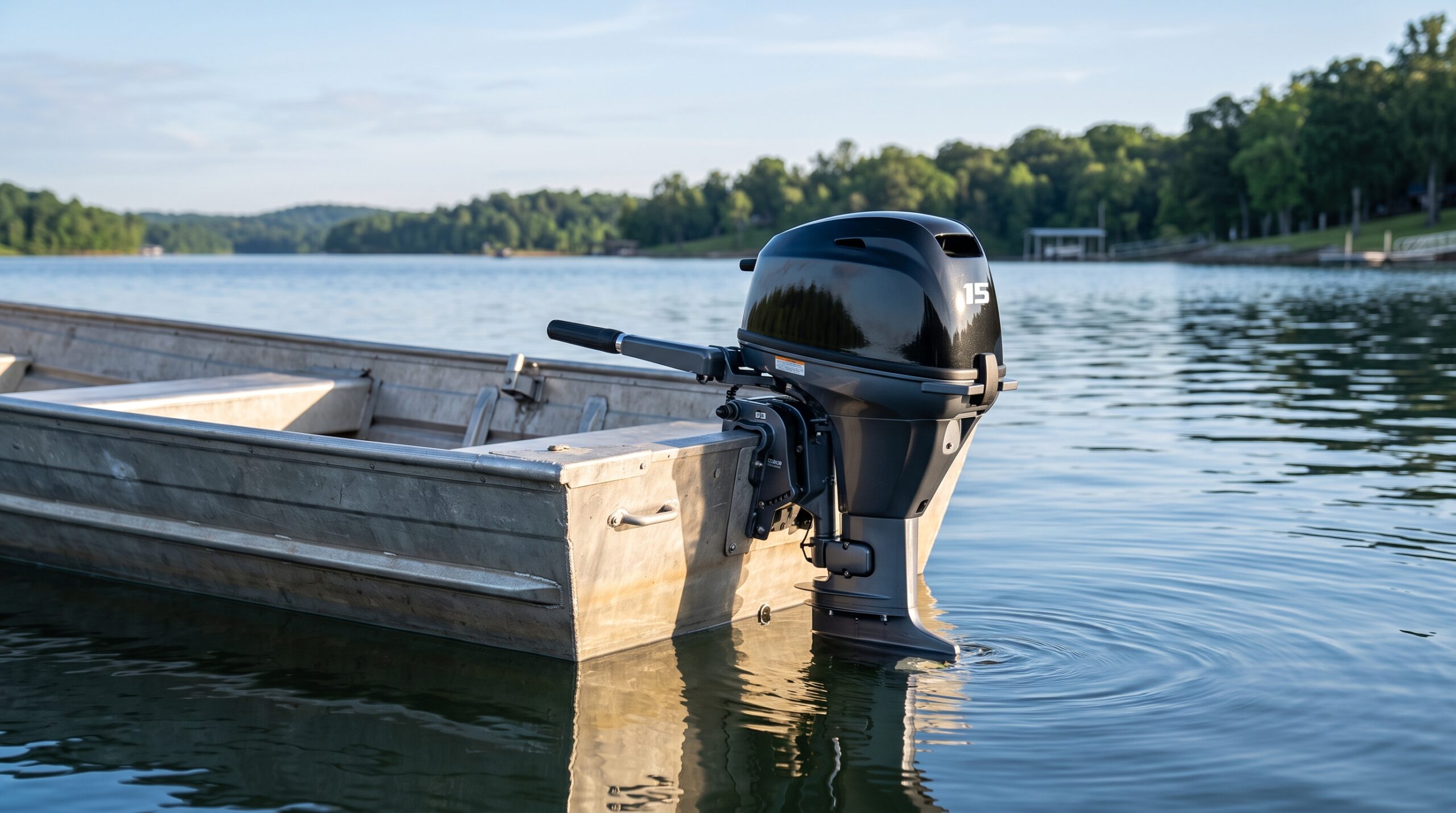
A 15 horsepower outboard engine is a popular choice for boat owners who need dependable power, convenient handling, and reasonable fuel efficiency. Designed for a variety of small boats, this type of marine engine can support fishing trips, recreational boating, transportation across calm waterways, and other everyday boating activities. Its combination of practical performance and relatively compact construction makes it an attractive option for boaters who do not require a large, high-powered motor.
Choosing the right outboard engine involves more than comparing horsepower ratings. Buyers should also consider engine weight, fuel consumption, starting systems, shaft length, maintenance requirements, and compatibility with their boats. Different manufacturers offer different designs and features, so understanding these differences can help boat owners make a more informed purchasing decision.
A 15 horsepower outboard engine may be available with a four-stroke design, while some older or specialized markets may also have two-stroke alternatives. Each type has different operating characteristics, maintenance requirements, and environmental considerations. Understanding how these engines work and what features matter most can help you select a suitable motor for your needs.
This guide explains the main features, benefits, engine types, popular brands, operating costs, maintenance requirements, and buying considerations associated with a 15 HP outboard engine.
What Is a 15 Horsepower Outboard Engine?
A 15 horsepower outboard engine is a marine propulsion system that produces approximately 15 horsepower to move a boat through the water. It is mounted externally on the transom, which is the rear section of the boat. Unlike an inboard engine, an outboard combines the engine, transmission components, propeller, and steering arrangements into a single external unit.
The horsepower rating indicates the engine’s power output, but it does not determine boat speed on its own. Actual performance depends on several factors, including hull design, boat weight, passenger load, propeller selection, water conditions, and the condition of the engine. A properly matched 15 HP motor can provide useful propulsion for compatible small boats, although it may not be suitable for heavier vessels or demanding conditions.
Outboard engines are popular because they are relatively easy to access for inspection and maintenance. Their external mounting also allows many boat designs to maintain more usable interior space. Depending on the model, a 15 horsepower engine may feature manual or electric starting, tiller steering or remote controls, and different shaft lengths for various transom configurations.
Before purchasing any motor, boat owners should check the manufacturer’s maximum horsepower rating and other capacity limits for their boat. Selecting an engine based only on its power rating can lead to poor handling, reduced efficiency, or unsafe operation.
Key Features of a 15 Horsepower Outboard Engine
Engine Power and Performance
The main attraction of a 15 horsepower outboard engine is its balance between usable power and manageable size. It can provide practical propulsion for many appropriately sized boats without the bulk and operating costs associated with larger motors. Its suitability depends on the intended activity, the boat’s construction, and the total weight carried during operation.
Performance is influenced by engine design, propeller pitch, gear ratio, and the way power is transferred to the water. A well-matched propeller helps the engine operate within its recommended full-throttle RPM range when the boat is loaded correctly. An unsuitable propeller can reduce acceleration, affect fuel consumption, and prevent the engine from operating as intended.
Boat owners should also recognize that maximum performance is not always the most important goal. Smooth operation, predictable steering, reliable starting, and consistent low-speed control may be more valuable for fishing, routine transportation, and relaxed recreational boating. The right motor is one that meets the boat’s practical requirements rather than simply promising the highest possible speed.
Fuel Efficiency and Fuel Capacity
Fuel efficiency is an important consideration when choosing a 15 HP outboard engine. Four-stroke models are often attractive to boaters who prioritize fuel economy and quieter operation. However, actual consumption varies according to engine design, throttle position, propeller selection, boat loading, maintenance, and water conditions.
Operating at a moderate throttle can often reduce fuel consumption compared with continuously running at full throttle. Keeping the hull clean, maintaining the propeller, and avoiding unnecessary weight can also help the engine operate more efficiently. Regular servicing is essential because neglected filters, contaminated fuel, and other mechanical problems can affect performance.
Fuel capacity is a separate consideration from engine efficiency. Some portable outboards use an external fuel tank, while the specific tank arrangement depends on the model. Buyers should check the manufacturer’s requirements for fuel type, tank compatibility, fuel connections, and safe storage. Carrying enough fuel for the planned journey, together with an appropriate reserve, is an important part of safe boating.
Engine Weight and Portability
Weight can make a significant difference when selecting a 15 horsepower outboard engine. A portable motor is easier to transport, install, remove, and store, particularly for boat owners who do not leave their engines permanently mounted. However, engines in the same horsepower category can have different weights depending on their construction, starting system, and features.
A four-stroke engine may weigh more than some comparable two-stroke designs because of differences in engine construction and lubrication systems. Electric-start equipment and additional controls can also affect total weight. Buyers should compare the actual specifications of individual models rather than assuming that every 15 HP engine has the same dimensions or weight.
It is also important to consider the boat’s transom capacity and the physical effort required to handle the motor safely. An engine that is difficult to lift or install can become inconvenient for frequent users. Following the manufacturer’s lifting and mounting instructions helps reduce the risk of injury and prevents damage to the engine or boat.
Manual Start and Electric Start
Starting systems influence convenience and operating costs. Manual-start outboards use a pull cord to turn the engine over. This design is generally straightforward and avoids the need for a dedicated electric starting system, although it requires the operator to pull the cord correctly and maintain the starting mechanism.
Electric-start models use a starter motor powered by a compatible battery system. This can make starting more convenient, particularly for users who prefer not to rely on a pull cord. However, the battery and associated electrical components introduce additional maintenance requirements and potential points of failure.
The best starting system depends on personal preference, intended use, budget, and the specific engine configuration. Buyers should confirm which features are included in the listed price because equipment and control packages can differ between models and markets.
Shaft Length and Steering Options
Shaft length is one of the most important compatibility factors when buying an outboard motor. Engines are commonly offered in different shaft configurations to match different transom heights. The correct shaft length helps position the propeller and lower unit appropriately in the water, supporting effective propulsion and reliable cooling.
A shaft that is too short may allow the propeller or water intake to sit incorrectly relative to the hull and waterline. A shaft that is too long can also create installation and performance problems. Always measure the transom and compare it with the manufacturer’s recommendations before purchasing an engine.
Steering arrangements also deserve attention. Tiller steering places the controls at the engine and is often preferred for compact boats because of its straightforward layout. Remote steering can be suitable for boats designed to accommodate separate steering and throttle controls. The correct option depends on the boat’s design, the operator’s preferences, and the available equipment.
Types of 15 Horsepower Outboard Engines
Two-Stroke Outboard Engines
Two-stroke outboard engines complete their operating cycle in two piston strokes. Traditional models are known for their relatively simple mechanical construction and, in some designs, a favorable power-to-weight ratio. These characteristics have made two-stroke engines popular in various marine applications.
However, conventional carbureted two-stroke engines can consume more fuel and produce higher exhaust emissions than comparable modern four-stroke models. Some markets also have restrictions affecting particular engine technologies. Buyers should check local regulations, availability, parts support, and the exact emissions classification before considering a two-stroke motor.
Maintenance procedures vary between designs. Many conventional two-stroke engines require oil to be mixed with fuel or supplied through a separate oil-injection system, according to the manufacturer’s specifications. The correct procedure depends on the model, and owners should never assume that all two-stroke engines use the same lubrication arrangement.
Four-Stroke Outboard Engines
Four-stroke outboard engines use a four-stage combustion cycle and have a dedicated engine lubrication system. They are widely chosen for their fuel efficiency, comparatively quiet operation, and practical everyday performance. Many modern portable outboards in the 15 horsepower category use four-stroke technology.
These engines require appropriate engine oil and regular oil changes according to the maintenance schedule. The oil level, oil condition, and correct lubricant specification should be checked as directed by the manufacturer. Owners must also follow the correct storage, transportation, and servicing instructions for their particular engine.
Four-stroke motors may be heavier or more mechanically complex than certain two-stroke alternatives. Nevertheless, their overall operating characteristics make them an appealing choice for many recreational boaters and fishing enthusiasts. Comparing the total ownership cost is more useful than judging an engine by purchase price alone.
Portable Gasoline Outboard Engines
Portable gasoline outboards are designed for boats that benefit from a compact external propulsion system. A 15 HP model can offer a practical combination of power and portability for compatible boats, depending on the engine’s weight and the vessel’s specifications.
Portable designs may include carrying handles, manual starting, tiller steering, and external fuel connections. Specific features vary by manufacturer, so the product specification sheet should be reviewed carefully before purchase.
Portability does not eliminate the need for proper installation. The motor must be securely mounted, the transom must support its weight and power, and the fuel system must be compatible with the engine. Users should also follow the manufacturer’s instructions for carrying, tilting, storage, and transportation.
Best Brands for a 15 Horsepower Outboard Engine
Honda 15 HP Outboard Engine
Honda is a well-known manufacturer of marine engines, and its four-stroke outboards are recognized for their practical design and emphasis on fuel efficiency. A Honda 15 HP outboard engine may appeal to boat owners who want dependable performance for regular recreational boating and fishing.
When considering a Honda model, buyers should examine the exact model designation, engine weight, shaft configuration, starting system, and available controls. Features can differ depending on the model year and market. Maintenance access, replacement parts availability, and local dealer support are also important factors when evaluating long-term ownership.
Yamaha 15 HP Outboard Engine
Yamaha offers a range of marine propulsion products for different boat sizes and applications. A Yamaha 15 horsepower outboard engine can be a suitable option for owners who value established marine-engine technology and access to servicing resources.
Before purchasing, compare the engine’s specifications with your boat’s requirements. Pay attention to the recommended operating RPM range, fuel system, shaft length, and starting options. Checking the manufacturer’s maintenance schedule and warranty terms can also help you understand the ongoing responsibilities associated with ownership.
Mercury 15 HP Outboard Engine
Mercury outboard engines are used across many recreational and commercial boating applications. Its 15 HP category may suit boat owners seeking a portable engine with practical control options and performance for compatible small boats.
Available specifications depend on the model and market. Some configurations may emphasize portability, while others offer additional convenience features. Buyers should compare the complete equipment package and confirm whether the price includes the required controls, fuel tank, and related accessories.
Suzuki 15 HP Outboard Engine
Suzuki manufactures marine engines with a range of technologies designed for different boating requirements. A Suzuki 15 HP outboard engine may be worth considering when comparing four-stroke efficiency, engine dimensions, operating characteristics, and service support.
The most appropriate model depends on your vessel and how you plan to use it. Before buying, confirm that the engine meets the boat’s horsepower and weight limits. It is also worth checking the availability of authorized maintenance services and genuine replacement parts in your area.
Tohatsu 15 HP Outboard Engine
Tohatsu is another established name in the outboard engine market. Its marine products serve different recreational boating needs, and its 15 HP category may provide an alternative for buyers comparing portable outboard options.
When evaluating Tohatsu, compare specifications, warranty coverage, dealer availability, and the cost of scheduled maintenance. The brand name alone does not determine whether an engine is suitable. Correct installation, regular servicing, and compatibility with the boat remain essential to reliable operation.
How Much Does a 15 Horsepower Outboard Engine Cost?
The price of a 15 horsepower outboard engine depends on the manufacturer, model year, engine technology, included features, and local market conditions. New engines generally cost more than used units, while models with electric starting or additional control equipment may have higher initial prices.
Geographic availability can make a significant difference in the final purchase cost. Import duties, shipping charges, local taxes, dealer margins, and currency fluctuations can affect the price of an imported engine. Buyers should obtain a current quotation from an authorized seller instead of relying on a price listed for a different country or model year.
Used engines may offer a lower initial purchase cost, but their condition needs careful assessment. Service records, signs of corrosion, cooling-system performance, gearbox condition, and the availability of replacement parts can influence the engine’s actual value. A professional inspection is particularly useful when the maintenance history is incomplete.
The purchase price is only one part of the overall budget. Owners should also account for fuel, lubricants, routine servicing, propeller replacement, storage, and possible repairs. Comparing these costs over the expected ownership period can provide a clearer picture of which engine offers the best value.
What Boats Can Use a 15 HP Outboard Engine?
A 15 horsepower outboard engine may be suitable for several categories of small boats, provided the motor matches the manufacturer’s specifications and the vessel’s intended operating conditions. The boat’s maximum horsepower rating, transom strength, weight capacity, and hull design should all be considered before installation.
Small aluminum fishing boats are commonly associated with portable outboards because they can be designed for relatively lightweight propulsion systems. A properly matched engine can provide practical movement for fishing and general use, although performance will vary with hull shape, passenger weight, equipment, and water conditions.
Inflatable boats and dinghies may also accommodate an engine in this power range when their transoms and capacity ratings permit it. Buyers should check the boat manufacturer’s recommendations because inflatable vessels differ considerably in construction, size, and maximum permitted horsepower.
Small utility boats and certain jon boats may also be compatible with a 15 HP motor. However, not every boat in these categories is suitable. A heavily loaded vessel, a boat with a high-resistance hull, or a boat used in challenging conditions may require a different propulsion arrangement.
Before installation, review the capacity plate or manufacturer’s documentation. Never exceed the recommended maximum horsepower or weight limits. Safe loading, appropriate life jackets, reliable steering, and awareness of weather and water conditions are just as important as engine selection.
How to Choose the Right 15 Horsepower Outboard Engine
Selecting the right engine begins with understanding your boat and your regular boating activities. Consider the number of passengers, typical equipment load, distance traveled, operating environment, and frequency of use. These details help determine whether a 15 HP engine is appropriate for your requirements.
Start by checking the boat’s maximum horsepower rating and transom specifications. The motor must fit the transom correctly and remain within the boat’s approved power and weight limits. Choosing a motor that exceeds these limits can affect handling and create safety risks.
Next, compare engine technologies and operating costs. A four-stroke motor may be attractive for regular use because of its fuel economy and operating characteristics. However, the initial purchase price, maintenance schedule, engine weight, and availability of parts should also influence your decision.
Think about the starting and steering arrangements you prefer. Manual starting and tiller steering can provide a straightforward configuration, while electric starting or remote controls may improve convenience on compatible boats. Make sure that all required equipment is included in the purchase quotation.
Finally, investigate the seller’s reputation, warranty conditions, and local servicing options. A motor that is easy to maintain locally can be more practical than one that requires difficult-to-source components. Confirm the engine’s serial number, model details, ownership documentation, and service history before completing the purchase.
Maintenance Tips for a 15 HP Outboard Engine
Regular maintenance is essential for keeping a 15 horsepower outboard engine operating reliably. The manufacturer’s maintenance schedule should be the primary reference because service intervals and procedures differ between engines. Regular inspection can help identify developing problems before they lead to expensive repairs or an unexpected loss of propulsion.
Check Engine Oil and Lubrication
For four-stroke engines, check the engine oil according to the manufacturer’s instructions. Use the specified oil grade and maintain the correct level. Oil that is excessively low, contaminated, or unsuitable for the engine can contribute to mechanical damage.
The lower-unit gear lubricant also needs periodic inspection and replacement according to the service schedule. Unusual discoloration, signs of water contamination, or visible metal particles may indicate a problem that requires professional attention.
Two-stroke engines have different lubrication requirements, so owners must follow the specific fuel-mixing or oil-injection instructions for their model. Using the wrong lubrication method can cause serious engine damage.
Inspect the Propeller
The propeller transfers engine power into the water, making its condition important for overall performance. Inspect it regularly for bent blades, cracks, fishing line, and other damage. Even relatively small defects can create vibration or reduce propulsion efficiency.
Before handling the propeller, follow the manufacturer’s safety procedure and ensure the engine cannot start accidentally. Remove tangled material carefully and replace damaged components when necessary. Propeller repairs and replacements should maintain the correct specifications for the engine.
Maintain the Cooling System
The cooling system prevents the engine from overheating during operation. Inspect the water intake for debris and monitor the cooling-water indicator where the engine is equipped with one. An interrupted cooling-water supply, unusual temperature rise, or warning signal should never be ignored.
Flush the cooling system after use when required by the manufacturer, particularly after operation in salt water or contaminated water. Follow the specified flushing procedure and never run the engine without the required cooling-water supply. If overheating continues, stop the engine and arrange an appropriate inspection.
Inspect Fuel Lines and Filters
Fuel-system maintenance helps support reliable starting and smooth operation. Inspect fuel lines, connectors, tank fittings, and accessible filters for deterioration, leaks, or contamination. Use the fuel type and grade specified by the engine manufacturer.
Stale or contaminated fuel can cause starting problems and inconsistent performance. Store fuel only in approved containers and follow the engine manufacturer’s recommendations for fuel treatment and storage. Fuel leaks should be addressed immediately, and the engine should not be operated until the problem has been corrected.
Follow the Recommended Service Schedule
Scheduled servicing may include oil changes, spark plug inspection, filter replacement, gearbox lubrication, and checks of other engine components. The exact tasks depend on the engine model and its operating hours.
Keep a maintenance record that includes service dates, operating hours, parts replaced, and any issues discovered. This information makes it easier to plan future maintenance and can support the engine’s resale value. Owners who are uncertain about a procedure should consult an authorized technician rather than risk damaging the engine.
Common Problems With 15 HP Outboard Engines
A 15 horsepower outboard engine may develop operating problems when its fuel system, ignition components, cooling system, or mechanical parts are not working correctly. Recognizing common warning signs can help owners respond promptly and avoid further damage.
Starting difficulties can result from stale fuel, an incorrectly positioned stop switch, a discharged battery on electric-start models, or problems involving the ignition or fuel system. Begin with the checks permitted by the owner’s manual. If the engine still refuses to start, a qualified technician can diagnose the underlying cause.
Overheating is another issue that requires immediate attention. Restricted water intakes, cooling-system blockages, or damaged components can prevent adequate heat removal. Stop the engine if an overheating warning appears or cooling is interrupted. Continuing to operate an overheating motor can cause serious damage.
Reduced power may be associated with propeller damage, fuel restrictions, ignition problems, excessive boat loading, or incorrect propeller selection. Vibration can also indicate propeller damage or another mechanical issue. Avoid operating the engine at high power until the cause has been identified.
Unusual noises, persistent warning signals, fuel leaks, or repeated stalling should not be dismissed as normal behavior. Proper diagnosis is safer and often less expensive than continuing to operate a faulty motor. Consult the manufacturer’s troubleshooting instructions or seek professional service when the problem cannot be resolved safely.
Is a 15 Horsepower Outboard Engine Worth Buying?
A 15 horsepower outboard engine can be a worthwhile investment for boat owners who need practical power for compatible small vessels. Its main attractions include a useful balance of power, portability, and operating convenience. Depending on the model, it may also offer features that support comfortable everyday boating.
However, this horsepower category is not suitable for every boat or operating environment. A heavily loaded boat, a vessel designed for higher power, or a boat regularly used in challenging water conditions may need a different engine. Buyers should assess their actual requirements instead of assuming that a 15 HP motor will deliver the same performance across all vessels.
Long-term value depends on more than the purchase price. Fuel consumption, maintenance costs, local parts availability, warranty coverage, and expected service life all contribute to the overall ownership experience. A properly maintained engine that is matched to its boat can provide dependable service, while an unsuitable or neglected motor may become costly to operate.
For many owners of compatible fishing boats, dinghies, and small utility boats, a 15 horsepower outboard engine deserves consideration. Comparing specifications from reputable manufacturers and confirming the boat’s capacity limits are the most important steps toward making a suitable choice.
FAQ
How Fast Can a 15 Horsepower Outboard Engine Go?
The speed of a boat powered by a 15 HP outboard engine depends on hull design, total weight, propeller selection, engine condition, and water conditions. Some lightweight boats may achieve relatively high speeds for this power category, while heavier displacement hulls may move much more slowly. There is no single speed figure that applies to every boat.
How Much Fuel Does a 15 HP Outboard Engine Use?
Fuel consumption varies with engine technology, throttle setting, propeller selection, load, and operating conditions. A four-stroke model may offer good fuel economy, but the actual consumption should be assessed using the manufacturer’s specifications and the engine’s real-world operating requirements. Keeping the motor maintained and avoiding unnecessary load can help improve efficiency.
How Much Does a 15 Horsepower Outboard Engine Weigh?
The weight depends on the manufacturer, model, shaft length, starting system, and included equipment. Different engines with the same horsepower rating can have noticeably different weights. Always check the exact manufacturer’s specification and make sure the boat’s transom can safely support the selected motor.
Is a 15 HP Outboard Engine Powerful Enough for Fishing?
A 15 HP outboard engine can be suitable for fishing when the boat is designed for that power level. Its performance depends on the boat’s size, hull type, passenger load, and fishing equipment. Buyers should check the vessel’s maximum horsepower rating and capacity limits before choosing the engine.
Which Brand Makes a Reliable 15 HP Outboard Engine?
Honda, Yamaha, Mercury, Suzuki, and Tohatsu are established manufacturers worth comparing. Reliability depends on the particular model, maintenance history, installation quality, and availability of suitable service support. Comparing warranty coverage, specifications, and local parts availability is more useful than relying on brand reputation alone.
How Long Can a 15 Horsepower Outboard Engine Last?
Engine lifespan depends on maintenance, operating hours, storage conditions, corrosion exposure, fuel quality, and how the motor is used. Regular servicing and correct winter or long-term storage procedures can help extend service life. A well-maintained engine may remain useful for many years, but no exact lifespan can be guaranteed.
Is a Four-Stroke 15 HP Outboard Engine Better Than a Two-Stroke?
A four-stroke engine is often attractive for fuel efficiency and comparatively quiet operation. Some two-stroke engines may offer advantages in weight and mechanical simplicity, depending on the design. The better choice depends on local regulations, engine availability, intended use, maintenance requirements, and the total cost of ownership.
What Should I Check Before Buying a Used 15 HP Outboard Engine?
Check the engine’s serial number, service records, external condition, signs of corrosion, propeller, cooling system, and gearbox. Where possible, arrange a professional inspection and a proper operational test following the manufacturer’s safety procedures. Verify that replacement parts are available and that the seller can provide appropriate ownership documentation.
Conclusion
A 15 horsepower outboard engine can provide a practical propulsion solution for compatible small fishing boats, dinghies, and utility vessels. Its combination of useful power, manageable size, and a variety of available features makes it an option worth considering for recreational and everyday boating.
The best engine depends on your boat’s capacity, preferred operating style, budget, and access to maintenance services. Comparing manufacturers such as Honda, Yamaha, Mercury, Suzuki, and Tohatsu can help you understand the available options, but the specifications of the individual model should guide your final decision.
Before purchasing, confirm the correct shaft length, engine weight, horsepower rating, fuel requirements, and steering arrangement. Consider ongoing maintenance costs and warranty support alongside the initial price. With careful selection, correct installation, and regular maintenance, a suitable 15 horsepower outboard engine can support a dependable and enjoyable boating experience.













2 thoughts on “15 Horsepower Outboard Engine: Best Features & Buying Guide”