Marine Outboard Engines

Yamaha Outboard Engine 40 HP: Best Features & Guide

# Yamaha Outboard Engine 40 HP: Best Features and Buying Guide ## Introduction The Yamaha outboard engine 40 HP is a popular option for boat owners who need a practical balance of power, reliability, fuel efficiency, and manageable operating costs. A 40-horsepower outboard motor can be suitable for many fishing boats, recreational vessels, and certain small commercial boats, depending on the boat's design, weight, and intended use. Yamaha has established a strong reputation in the marine engine industry, and its outboard motors are widely recognized for their engineering, durability, and range of available configurations. Choosing the right outboard engine is an important decision because the motor affects a boat's speed, handling, fuel consumption, maintenance requirements, and overall performance. A suitable engine should provide enough power for normal operating conditions without exceeding the boat manufacturer's maximum horsepower rating. Buyers should also consider the engine's weight, shaft length, control system, starting mechanism, and availability of replacement parts before making a purchase. The Yamaha outboard engine 40 HP is worth considering for boat owners who want dependable performance without moving into a larger and heavier engine category. However, not every 40 HP model offers the same specifications or features. Model year, engine design, market availability, and configuration can influence the overall ownership experience. Understanding these differences helps buyers make an informed decision and select an engine that matches their boating requirements. This guide explains the key features, performance characteristics, fuel efficiency, specifications, pricing considerations, maintenance requirements, common problems, and buying factors associated with Yamaha 40 HP outboard motors. ## What Is a Yamaha Outboard Engine 40 HP? A Yamaha outboard engine 40 HP is a marine propulsion system designed to deliver approximately 40 horsepower for moving a boat through the water. An outboard motor is installed on the outside of a boat's transom, where its engine, gearbox, propeller, and steering mechanism work together to provide propulsion and directional control. This design makes the engine relatively accessible for inspection, maintenance, removal, and replacement compared with many permanently installed marine propulsion systems. Yamaha offers outboard engines in different horsepower categories, technologies, and configurations. Depending on the model and market, a 40 HP outboard may feature a four-stroke engine, different shaft lengths, and various starting or control arrangements. Buyers should identify the exact model number before comparing specifications because the general horsepower rating alone does not establish every technical detail. A 40 HP engine can be appropriate for certain aluminum fishing boats, fiberglass fishing vessels, utility boats, and recreational boats designed for that power range. Its suitability depends on the hull design, passenger capacity, equipment, cargo, water conditions, and manufacturer's recommended engine specifications. A lightweight boat with a suitable hull may perform differently from a heavier boat with the same horsepower rating. For fishing and everyday boating, the engine can offer a useful combination of maneuverability and power. It may also be suitable for some small commercial operations when the boat is designed for the required load and working conditions. Before purchasing, boat owners should always confirm that the engine meets applicable safety requirements and is compatible with the vessel. ## Key Features of the Yamaha 40 HP Outboard Engine ### Engine Design and Construction Engine design is one of the most important factors to consider when evaluating an outboard motor. Yamaha's outboard range includes engines developed for marine environments, where equipment must operate under changing temperatures, moisture, vibration, and exposure to potentially corrosive conditions. The construction of the engine, quality of its components, and suitability of its cooling and lubrication systems all contribute to long-term reliability. Many modern Yamaha outboards in this power category use four-stroke technology. Four-stroke engines generally use a separate engine lubrication system and are designed to deliver smooth operation when properly maintained. However, the precise engine configuration should be confirmed for the specific model being considered rather than assumed from the horsepower rating. A well-maintained outboard engine can provide years of useful service, but its durability depends on operating conditions and maintenance history. Regular inspections, appropriate lubricants, clean fuel, and proper storage help protect internal components. Saltwater exposure requires particular attention because corrosion can affect metal parts, electrical connections, and cooling passages. ### Power Output and Performance A 40 HP rating indicates the engine's rated power under the manufacturer's specified testing conditions. Actual performance depends on how efficiently that power is transferred through the gearbox and propeller to the water. The boat's hull shape, total weight, propeller selection, and engine mounting position also affect acceleration and cruising behavior. The Yamaha outboard engine 40 HP can provide useful power for boats designed around this horsepower category. Nevertheless, buyers should not assume that every boat equipped with a 40 HP engine will reach the same speed or carry the same load. A heavily loaded boat may accelerate more slowly and use more fuel than a lighter vessel with a similar engine. Correct propeller selection is essential for achieving the desired performance. A propeller that is poorly matched to the boat can prevent the engine from reaching its recommended operating range or reduce acceleration and efficiency. Owners should follow Yamaha's recommendations and consult a qualified marine technician when selecting a propeller. ### Starting and Control Systems Starting and control arrangements vary between outboard models and configurations. Depending on the specific engine, a buyer may find manual or electric starting options, along with different steering and throttle control arrangements. The most appropriate setup depends on the boat's layout, the owner's preferences, and the way the vessel will be used. Electric starting can offer convenience, particularly when the engine is used frequently or when repeated starts are expected throughout a day on the water. Manual starting may suit certain simpler installations, but the operator should understand the manufacturer's starting procedure and safety requirements. Control compatibility is another important consideration. Remote-control systems, steering equipment, wiring harnesses, and other accessories must match the engine and boat installation. Buyers should verify which components are included in the advertised price and which must be purchased separately. ### Cooling and Corrosion Protection Outboard engines operate in demanding conditions and require an effective cooling system to control engine temperature. Many conventional outboards use water drawn from their operating environment to remove heat through designated cooling passages. The system must remain clear and function correctly to prevent overheating and potential engine damage. Corrosion protection is equally important. Exposure to saltwater, moisture, and marine contaminants can gradually damage vulnerable engine components if the motor is not cleaned and maintained correctly. Yamaha outboards incorporate model-dependent design features intended to support durability, but no corrosion protection eliminates the need for regular care. Flushing the engine according to the manufacturer's instructions, inspecting the cooling water outlet, and checking for corrosion can help identify problems early. Owners who regularly operate in saltwater should follow the maintenance procedures specified for their exact model. ## Yamaha Outboard Engine 40 HP Performance Performance is one of the main reasons boat owners compare different outboard engines. The Yamaha outboard engine 40 HP can provide practical propulsion for appropriately matched boats, but the overall result depends on the complete boat-and-engine setup rather than horsepower alone. Acceleration is influenced by engine output, propeller characteristics, hull design, and the amount of weight carried onboard. A correctly matched engine and propeller can help a boat accelerate smoothly while maintaining an appropriate engine operating range. An unsuitable setup may produce excessive engine load, poor acceleration, or reduced efficiency. Cruising performance is also important for boat owners who spend extended periods on the water. Stable operation at a suitable engine speed can make a journey more comfortable and help control fuel expenses. However, the best cruising speed varies by vessel and operating conditions. Owners should consult the engine manual and avoid operating beyond the recommended limits. Water conditions can significantly affect performance. Wind, waves, currents, water depth, and temperature may change how a boat responds to engine power. A vessel that performs efficiently in calm water may need a different operating approach in rougher conditions. Safe operation requires reducing speed when visibility, weather, or water conditions demand it. Weight distribution also matters. Unevenly distributed passengers and equipment can affect steering, stability, and acceleration. Keeping loads within the boat's rated capacity and distributing weight appropriately helps the engine work under more predictable conditions. For buyers evaluating a Yamaha 40 HP outboard, it is important to consider the intended use of the boat rather than focusing exclusively on maximum speed. Dependable cruising, controlled maneuverability, safe load handling, and reasonable fuel consumption are often more valuable than achieving the highest possible speed. ## Fuel Efficiency and Operating Costs Fuel efficiency plays a major role in the total cost of owning an outboard engine. The Yamaha outboard engine 40 HP may provide practical fuel consumption for suitable applications, but actual usage varies with engine design, throttle position, propeller selection, hull condition, boat weight, and environmental conditions. An engine operating at a moderate cruising speed will generally use fuel differently from one operating continuously at high throttle. Carrying excess weight, using an unsuitable propeller, or operating with a damaged hull can also increase the power required to move the boat. These factors make it difficult to provide one universal fuel consumption figure for every Yamaha 40 HP outboard. Buyers should check the manufacturer's published fuel consumption information for the exact model. When possible, they should also seek information that reflects the same boat type and similar operating conditions. Fuel consumption measured under one set of conditions may not accurately predict consumption in another installation. Fuel quality and storage practices can influence engine performance. Contaminated fuel, water in the fuel system, or deposits in fuel components may contribute to starting problems and irregular operation. Using fuel that meets the manufacturer's specifications and following recommended storage procedures can help reduce these risks. Routine operating costs extend beyond fuel. Owners may need to budget for engine oil where applicable, filters, spark plugs, gearcase lubricant, water pump components, corrosion protection, and professional servicing. The exact maintenance items and replacement intervals depend on the engine's design and service schedule. Other expenses can include propeller replacement, battery maintenance for electric-start models, steering equipment, control cables, installation, and winter or long-term storage preparation. Buyers should review the complete ownership cost rather than comparing engines solely by their initial purchase price. ## Yamaha Outboard Engine 40 HP Specifications Technical specifications help buyers determine whether a Yamaha 40 HP outboard is appropriate for a particular boat. Although horsepower provides a useful starting point, several additional measurements and equipment details influence compatibility and performance. Horsepower and engine type: The engine is rated at 40 horsepower, but its cylinder configuration, displacement, and operating characteristics depend on the exact model. These details should be checked against official Yamaha specifications. Displacement and cylinders: Engine displacement describes the combined volume swept by the pistons during their operating cycle. Cylinder configuration and displacement influence the engine's design and performance characteristics. Buyers should compare the exact figures listed for the model year they intend to purchase. Weight: Outboard weight is especially important for smaller boats because the engine is mounted at the transom. Excessive weight can influence trim, handling, and overall vessel balance. The published weight may also vary with shaft length, starting system, and included equipment. Shaft length: The engine's shaft must be compatible with the boat's transom height. An incorrect shaft length can affect propeller immersion, cooling performance, handling, and efficiency. Owners should consult the boat manufacturer and Yamaha installation guidance before choosing a configuration. Fuel and lubrication requirements: The required fuel grade, oil specifications, and lubrication procedures must match the engine's documentation. Different engine designs may have different requirements, so assumptions based only on horsepower should be avoided. Starting and steering options: Manual starting, electric starting, tiller steering, and remote-control configurations may vary by model and market. Buyers should confirm the equipment included with the engine and any additional components needed for installation. Charging and electrical equipment: Electric-start versions may include model-specific charging capabilities and electrical components. The output and compatibility of these systems should be verified before adding navigation devices, lighting, or other onboard equipment. Because Yamaha updates its products over time, specifications should be checked against the correct model code and model year. The official owner's manual, specification sheet, or authorized dealer is the most reliable source for confirming these details. ## How Much Does a Yamaha Outboard Engine 40 HP Cost? The price of a Yamaha outboard engine 40 HP depends on the model year, condition, market, configuration, and seller. A new engine typically has a different price structure from a used unit, while optional controls and installation equipment can significantly affect the total cost. New outboards may cost more initially, but they can offer the benefits of manufacturer-supported warranty coverage, a documented starting condition, and access to current product support. Warranty terms, availability, and coverage requirements vary by market and seller, so buyers should read the relevant documentation carefully. Used Yamaha 40 HP outboards may be attractive to buyers who want to reduce their initial expenses. However, the lower purchase price does not necessarily mean the engine will cost less over its entire service life. An engine with neglected maintenance, internal wear, corrosion, or cooling-system damage may require expensive repairs after purchase. The seller's asking price should be evaluated alongside service records, operating hours where available, visible condition, and the results of a professional inspection. Buyers should be cautious about engines with missing identification details, unclear ownership history, or unexplained mechanical problems. The final cost may include shipping, taxes, dealer fees, installation labor, mounting hardware, steering components, remote controls, electrical connections, and a suitable propeller. Some listings include only the engine, while others include a more complete installation package. In Bangladesh, availability and pricing may differ depending on import arrangements, dealer inventory, exchange rates, taxes, and access to genuine spare parts. Buyers should request a current written quotation from a reputable local marine engine supplier rather than relying on outdated online prices. Before committing to a purchase, compare the total installed cost of compatible engines. This approach provides a more realistic picture of affordability and helps prevent unexpected expenses after the engine arrives. ## Maintenance Tips for a Yamaha 40 HP Outboard Proper maintenance is essential for protecting an outboard engine and maintaining reliable performance. Even a well-engineered motor requires regular inspection and servicing. Following the maintenance schedule for the exact Yamaha model can help prevent avoidable problems and identify wear before it becomes more serious. ### Check Engine Oil and Lubrication For four-stroke models, engine oil protects internal moving components by reducing friction and helping control heat. The oil level should be checked according to the owner's manual, using the specified procedure and the appropriate lubricant. Oil that is below the recommended level or contaminated may indicate a maintenance issue that requires attention. Oil changes should follow the manufacturer's recommended schedule, taking operating hours and elapsed time into account. Heavy use, demanding conditions, and long periods of operation may affect maintenance requirements. Owners should never assume that all 40 HP outboards use identical oil quantities or service intervals. Gearcase lubrication also deserves attention. The gearcase transfers power to the propeller and contains components that require suitable lubricant. Signs of water contamination, leakage, or unusual wear should be investigated by a qualified technician. ### Inspect the Cooling System An effective cooling system helps prevent overheating. Before operating the boat, check for visible damage or obstruction around the relevant water inlets and outlets. During operation, pay attention to warning indicators, unusual engine temperatures, and changes in cooling water flow. A weak cooling-water stream or overheating warning should not be ignored. Depending on the circumstances, the cause may involve a blockage, damaged impeller, water pump problem, or another cooling-system fault. Continuing to run an overheating engine can cause serious damage. Follow the official flushing procedure after use, especially when operating in saltwater. Use only the flushing method approved for the particular model, and observe all safety instructions. ### Maintain the Fuel System Clean fuel is important for dependable starting and smooth engine operation. Inspect fuel hoses, connections, filters, and other accessible components for leakage, cracking, deterioration, or loose fittings. Any suspected fuel leak should be addressed before the engine is used. Fuel should be stored in appropriate containers and handled according to safety requirements. Water contamination and deteriorated fuel can contribute to poor performance, particularly when a boat has been stored for a long period. If the engine begins running unevenly or struggles to start, avoid replacing components without identifying the cause. A technician can inspect the fuel supply, ignition system, and other relevant parts to determine the appropriate repair. ### Inspect the Propeller The propeller is exposed to underwater hazards and can be damaged by impact with submerged objects. Regularly inspect it for bent blades, cracks, corrosion, or fishing line wrapped around the propeller shaft. Damage can cause vibration and reduce efficiency. Always follow the engine's shutdown and safety procedures before inspecting the propeller. The ignition must be disabled as directed by the manufacturer, and the engine must be secured against accidental starting. Serious damage should be assessed by a qualified marine technician. ### Protect the Engine From Corrosion Saltwater and moisture can gradually damage metal surfaces, electrical connections, and other engine components. Rinse and flush the engine as directed by the manufacturer, keep the exterior clean, and inspect vulnerable areas for corrosion. Protective treatments should be appropriate for marine equipment and compatible with the engine's materials. Electrical connections, mounting hardware, and sacrificial anodes should be inspected according to the service schedule. Owners should also pay attention to the condition of the transom mounting area. Secure mounting hardware and a structurally sound transom are essential for safe operation. ### Follow a Regular Service Schedule A maintenance log makes it easier to track service dates, operating hours, replacement parts, and repairs. This record can support more consistent maintenance and may be valuable if the engine is sold in the future. Service intervals and required procedures vary by model, so the owner's manual should remain the primary reference. More complicated work involving internal engine components, electrical diagnosis, or specialized adjustments should be performed by a qualified technician. ## Common Yamaha 40 HP Outboard Engine Problems A Yamaha outboard engine 40 HP may experience mechanical or electrical problems over time, particularly if maintenance has been neglected or the engine has operated under demanding conditions. Understanding common symptoms can help owners respond appropriately without assuming that every problem has the same cause. ### Engine Fails to Start Starting problems can result from a weak battery, an empty fuel tank, a fuel delivery issue, an incorrect starting procedure, or an electrical fault. For engines with manual starting, the condition of relevant starting components may also need inspection. Begin with basic checks that are permitted by the owner's manual, including fuel supply, battery connections where applicable, and emergency-stop switch position. If the engine still fails to start, professional diagnosis may be necessary. Repeatedly attempting to start a faulty engine without identifying the problem can waste fuel and place unnecessary strain on certain components. Follow the manufacturer's troubleshooting procedure rather than relying on guesswork. ### Engine Overheating Overheating is a serious problem because excessive engine temperature can damage internal components. Possible causes include restricted cooling-water flow, a damaged water pump impeller, blocked passages, or a fault in another cooling-system component. If an overheating warning appears, stop the engine as soon as it is safe to do so and follow the emergency instructions in the owner's manual. Do not continue operating the engine in the hope that the warning will disappear. A qualified technician can determine the cause and confirm that the cooling system is functioning correctly before the boat returns to service. ### Reduced Power and Poor Acceleration Reduced engine power may result from fuel supply restrictions, ignition problems, propeller damage, excessive boat loading, or other mechanical issues. Hull fouling and an unsuitable propeller can also affect the boat's performance without indicating an internal engine failure. Check whether the boat is carrying an excessive load and inspect accessible components according to the manual. If the loss of power persists, seek professional diagnosis instead of operating the engine under heavy load. ### Excessive Vibration or Unusual Noise Unusual vibration may indicate propeller damage, debris around the propeller shaft, loose mounting hardware, or a mechanical problem. Changes in sound can also provide an early warning that a component needs attention. Stop the engine if the vibration or noise is severe, sudden, or accompanied by a warning indicator. Continuing to operate a motor with a suspected mechanical fault may increase the damage and repair costs. ### Difficult Shifting or Steering Shifting and steering issues can make a boat difficult to control. Potential causes include worn cables, incorrect adjustment, damaged steering components, or problems within the relevant mechanisms. Because these systems directly affect safe operation, they should be inspected and repaired before the boat is used again. Owners should not force a stiff control or continue operating a boat when steering response is unreliable. ## New vs. Used Yamaha 40 HP Outboard Engines Deciding between a new and used outboard engine requires an assessment of budget, expected use, service history, and access to technical support. Both options can be appropriate, but their advantages and risks differ. A new Yamaha 40 HP outboard generally provides a known starting condition and access to the applicable new-engine warranty. Buyers can choose from the configurations currently offered in their market and obtain installation advice from an authorized dealer. The main disadvantage is the higher initial cost, especially when controls, accessories, and installation are purchased separately. A used engine can offer a lower purchase price and may represent good value if it has been maintained properly. However, visible appearance alone does not reveal the full condition of internal components. An engine that looks clean may still have problems related to overheating, corrosion, lubrication, or long-term storage. Before buying a used unit, verify the model and serial number, ownership history, maintenance records, and any available service documentation. Inspect the exterior, mounting area, propeller, fuel system, and visible electrical components. A qualified technician should conduct a more thorough inspection when possible. A professional assessment may include appropriate diagnostic checks and a running test under safe, suitable conditions. The seller should be able to explain any known faults, repairs, or missing components. If the engine cannot be inspected adequately, buyers should account for the additional uncertainty in their purchasing decision. The best choice depends on the owner's priorities. Buyers who value warranty coverage and predictable initial condition may prefer a new engine. Buyers who need to control upfront costs may consider a used motor, provided its condition is independently assessed and the total expected repair expenses remain reasonable. ## How to Choose the Right Yamaha 40 HP Outboard Engine Selecting the right engine starts with the boat itself. The manufacturer's capacity plate and documentation should be checked to confirm the permitted horsepower range, maximum loading, and relevant installation requirements. A 40 HP engine should not be installed if it exceeds the boat's rated capacity. Transom height and shaft length are equally important. A compatible shaft helps position the propeller correctly in the water and supports proper engine operation. The boat manufacturer's installation recommendations should be used when selecting the appropriate configuration. Next, consider how the boat will be used. Fishing, recreational cruising, utility work, and commercial activities may involve different passenger loads, operating hours, and equipment requirements. Buyers should evaluate the expected operating conditions and choose an engine that is suitable for the intended workload. Availability of parts and servicing should also influence the decision. A competitive purchase price offers less value if routine maintenance parts are difficult to obtain or qualified service providers are unavailable. Confirm that the seller can provide the required documentation and explain how warranty claims and maintenance support are handled. The control system should fit the boat's layout and the operator's experience. Make sure that steering equipment, throttle controls, electrical connections, and starting arrangements are compatible. A complete quotation can help identify additional costs before installation begins. Finally, compare the total cost of ownership. Purchase price, fuel consumption, servicing, spare parts, storage, and expected operating hours all contribute to the financial picture. Choosing an engine based on a balanced assessment of compatibility, reliability, support, and cost is more effective than focusing on horsepower alone. ## Safety Considerations When Using a Yamaha 40 HP Outboard Safe engine operation requires more than proper maintenance. Before every trip, inspect the engine mounting, steering, throttle controls, fuel connections, and essential safety equipment. Ensure that the boat is not overloaded and that passengers and cargo are distributed appropriately. Every person onboard should have access to a correctly sized, suitable personal flotation device. The operator should also check weather forecasts, local boating rules, water conditions, and communication arrangements before departing. Fuel handling requires particular care. Refuel in accordance with the boat and engine manufacturer's instructions, avoid ignition sources, and address fuel spills immediately using appropriate safety procedures. Petrol vapors can create a serious fire hazard, particularly in enclosed or poorly ventilated areas. The operator should understand the engine's emergency-stop system and know how to respond to overheating warnings, loss of steering, and other abnormal conditions. Regular maintenance and sensible operating practices help reduce risk, but they cannot eliminate every mechanical or environmental hazard. ## Frequently Asked Questions ### How Fast Can a Yamaha Outboard Engine 40 HP Go? The speed of a Yamaha 40 HP outboard depends on the boat's hull design, weight, propeller, engine configuration, and water conditions. A lightweight boat may perform differently from a heavier vessel using the same horsepower rating. For a realistic estimate, consult performance information for the exact engine and a comparable boat setup. ### Is a Yamaha 40 HP Outboard Good for Fishing Boats? A Yamaha 40 HP outboard can be suitable for fishing boats designed to operate within that horsepower range. The final decision should account for the vessel's maximum rated horsepower, total weight, passenger capacity, and intended operating conditions. Buyers should confirm compatibility with the boat manufacturer before installation. ### How Fuel-Efficient Is a Yamaha 40 HP Outboard? Fuel efficiency varies by model and operating conditions. Boat weight, engine speed, propeller selection, hull condition, and throttle position all influence consumption. Consult the manufacturer's data for the exact model and consider the boat's typical load when estimating running costs. ### How Much Does a Yamaha 40 HP Outboard Engine Weigh? The weight depends on the specific model, shaft length, starting system, and configuration. Buyers should check the official specification sheet for the exact engine rather than relying on a general weight estimate. Confirming the weight is especially important for smaller boats and vessels with transom-loading limitations. ### How Often Should a Yamaha 40 HP Outboard Be Serviced? Service intervals depend on the engine model, operating hours, age, and conditions of use. The owner's manual provides the recommended maintenance schedule, including inspections and replacement intervals. Regular checks between scheduled services can also help identify developing problems. ### Is a Used Yamaha 40 HP Outboard Engine Worth Buying? A used Yamaha 40 HP outboard can be worth buying when its condition, service history, and price are appropriate. Buyers should verify its identity, inspect it carefully, and arrange a professional assessment where possible. Potential repair expenses should be considered before comparing its price with that of a new engine. ### Can a Yamaha 40 HP Outboard Be Used in Saltwater? A compatible Yamaha outboard can be used in saltwater when operated and maintained according to the manufacturer's instructions. Saltwater use requires careful flushing, corrosion inspection, and appropriate servicing. Owners should follow the exact model's guidance to protect the cooling system and exposed components. ### What Should I Check Before Buying a Yamaha 40 HP Outboard? Confirm the model number, serial number, engine specifications, shaft length, condition, maintenance history, and compatibility with your boat. Review the warranty and parts availability, and determine whether the advertised price includes controls and installation components. A professional inspection can help reduce the risk of purchasing an engine with hidden problems. ## Conclusion The Yamaha outboard engine 40 HP can be a practical option for boat owners seeking a useful balance of power, maneuverability, and operating efficiency. When matched to a suitable boat, it can support fishing, recreational boating, and certain utility applications. Its actual performance and running costs depend on the engine configuration, vessel design, propeller, load, and operating conditions. Before buying, take time to verify the exact specifications, shaft length, engine weight, control options, maintenance requirements, and compatibility with the boat. Compare new and used engines carefully, and consider the total installed cost rather than the purchase price alone. Access to genuine parts, qualified servicing, and clear documentation can make a significant difference to the ownership experience. Regular maintenance is essential for long-term reliability. Following the manufacturer's service schedule, maintaining clean fuel, inspecting the cooling system, checking the propeller, and protecting the engine against corrosion can help reduce avoidable problems. Owners should also follow safe boating practices and respond promptly to warning indicators or unusual engine behavior. Ultimately, choosing the right Yamaha 40 HP outboard means finding a model that suits your boat, budget, and intended use. By researching the available configurations and obtaining advice from a reputable Yamaha dealer or qualified marine technician, you can make a more informed purchasing decision and prepare for dependable boating performance.

The Yamaha outboard engine 40 HP is a popular option for boat owners who need a practical balance of power, reliability, fuel efficiency, and manageable operating costs. A 40-horsepower outboard motor can be suitable for many fishing boats, recreational vessels, and certain small commercial boats, depending on the boat’s design, weight, and intended use. Yamaha has established a strong reputation in the marine engine industry, and its outboard motors are widely recognized for their engineering, durability, and range of available configurations.

Choosing the right outboard engine is an important decision because the motor affects a boat’s speed, handling, fuel consumption, maintenance requirements, and overall performance. A suitable engine should provide enough power for normal operating conditions without exceeding the boat manufacturer’s maximum horsepower rating. Buyers should also consider the engine’s weight, shaft length, control system, starting mechanism, and availability of replacement parts before making a purchase.

The Yamaha outboard engine 40 HP is worth considering for boat owners who want dependable performance without moving into a larger and heavier engine category. However, not every 40 HP model offers the same specifications or features. Model year, engine design, market availability, and configuration can influence the overall ownership experience. Understanding these differences helps buyers make an informed decision and select an engine that matches their boating requirements.

This guide explains the key features, performance characteristics, fuel efficiency, specifications, pricing considerations, maintenance requirements, common problems, and buying factors associated with Yamaha 40 HP outboard motors.

What Is a Yamaha Outboard Engine 40 HP?

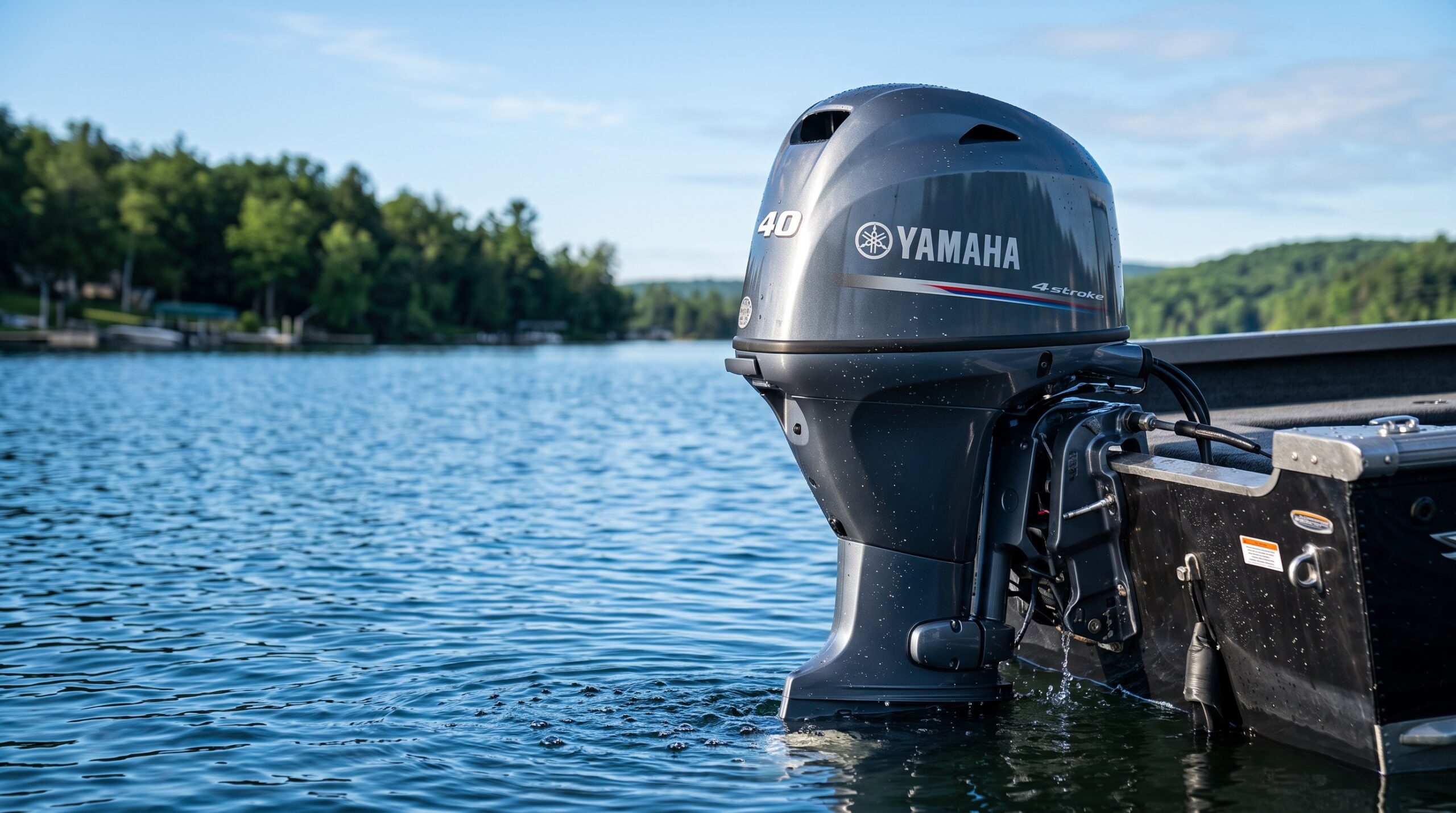
A Yamaha outboard engine 40 HP is a marine propulsion system designed to deliver approximately 40 horsepower for moving a boat through the water. An outboard motor is installed on the outside of a boat’s transom, where its engine, gearbox, propeller, and steering mechanism work together to provide propulsion and directional control. This design makes the engine relatively accessible for inspection, maintenance, removal, and replacement compared with many permanently installed marine propulsion systems.

Yamaha offers outboard engines in different horsepower categories, technologies, and configurations. Depending on the model and market, a 40 HP outboard may feature a four-stroke engine, different shaft lengths, and various starting or control arrangements. Buyers should identify the exact model number before comparing specifications because the general horsepower rating alone does not establish every technical detail.

A 40 HP engine can be appropriate for certain aluminum fishing boats, fiberglass fishing vessels, utility boats, and recreational boats designed for that power range. Its suitability depends on the hull design, passenger capacity, equipment, cargo, water conditions, and manufacturer’s recommended engine specifications. A lightweight boat with a suitable hull may perform differently from a heavier boat with the same horsepower rating.

For fishing and everyday boating, the engine can offer a useful combination of maneuverability and power. It may also be suitable for some small commercial operations when the boat is designed for the required load and working conditions. Before purchasing, boat owners should always confirm that the engine meets applicable safety requirements and is compatible with the vessel.

Key Features of the Yamaha 40 HP Outboard Engine

Engine Design and Construction

Engine design is one of the most important factors to consider when evaluating an outboard motor. Yamaha’s outboard range includes engines developed for marine environments, where equipment must operate under changing temperatures, moisture, vibration, and exposure to potentially corrosive conditions. The construction of the engine, quality of its components, and suitability of its cooling and lubrication systems all contribute to long-term reliability.

Many modern Yamaha outboards in this power category use four-stroke technology. Four-stroke engines generally use a separate engine lubrication system and are designed to deliver smooth operation when properly maintained. However, the precise engine configuration should be confirmed for the specific model being considered rather than assumed from the horsepower rating.

A well-maintained outboard engine can provide years of useful service, but its durability depends on operating conditions and maintenance history. Regular inspections, appropriate lubricants, clean fuel, and proper storage help protect internal components. Saltwater exposure requires particular attention because corrosion can affect metal parts, electrical connections, and cooling passages.

Power Output and Performance

A 40 HP rating indicates the engine’s rated power under the manufacturer’s specified testing conditions. Actual performance depends on how efficiently that power is transferred through the gearbox and propeller to the water. The boat’s hull shape, total weight, propeller selection, and engine mounting position also affect acceleration and cruising behavior.

The Yamaha outboard engine 40 HP can provide useful power for boats designed around this horsepower category. Nevertheless, buyers should not assume that every boat equipped with a 40 HP engine will reach the same speed or carry the same load. A heavily loaded boat may accelerate more slowly and use more fuel than a lighter vessel with a similar engine.

Correct propeller selection is essential for achieving the desired performance. A propeller that is poorly matched to the boat can prevent the engine from reaching its recommended operating range or reduce acceleration and efficiency. Owners should follow Yamaha’s recommendations and consult a qualified marine technician when selecting a propeller.

Starting and Control Systems

Starting and control arrangements vary between outboard models and configurations. Depending on the specific engine, a buyer may find manual or electric starting options, along with different steering and throttle control arrangements. The most appropriate setup depends on the boat’s layout, the owner’s preferences, and the way the vessel will be used.

Electric starting can offer convenience, particularly when the engine is used frequently or when repeated starts are expected throughout a day on the water. Manual starting may suit certain simpler installations, but the operator should understand the manufacturer’s starting procedure and safety requirements.

Control compatibility is another important consideration. Remote-control systems, steering equipment, wiring harnesses, and other accessories must match the engine and boat installation. Buyers should verify which components are included in the advertised price and which must be purchased separately.

Cooling and Corrosion Protection

Outboard engines operate in demanding conditions and require an effective cooling system to control engine temperature. Many conventional outboards use water drawn from their operating environment to remove heat through designated cooling passages. The system must remain clear and function correctly to prevent overheating and potential engine damage.

Corrosion protection is equally important. Exposure to saltwater, moisture, and marine contaminants can gradually damage vulnerable engine components if the motor is not cleaned and maintained correctly. Yamaha outboards incorporate model-dependent design features intended to support durability, but no corrosion protection eliminates the need for regular care.

Flushing the engine according to the manufacturer’s instructions, inspecting the cooling water outlet, and checking for corrosion can help identify problems early. Owners who regularly operate in saltwater should follow the maintenance procedures specified for their exact model.

Yamaha Outboard Engine 40 HP Performance

Performance is one of the main reasons boat owners compare different outboard engines. The Yamaha outboard engine 40 HP can provide practical propulsion for appropriately matched boats, but the overall result depends on the complete boat-and-engine setup rather than horsepower alone.

Acceleration is influenced by engine output, propeller characteristics, hull design, and the amount of weight carried onboard. A correctly matched engine and propeller can help a boat accelerate smoothly while maintaining an appropriate engine operating range. An unsuitable setup may produce excessive engine load, poor acceleration, or reduced efficiency.

Cruising performance is also important for boat owners who spend extended periods on the water. Stable operation at a suitable engine speed can make a journey more comfortable and help control fuel expenses. However, the best cruising speed varies by vessel and operating conditions. Owners should consult the engine manual and avoid operating beyond the recommended limits.

Water conditions can significantly affect performance. Wind, waves, currents, water depth, and temperature may change how a boat responds to engine power. A vessel that performs efficiently in calm water may need a different operating approach in rougher conditions. Safe operation requires reducing speed when visibility, weather, or water conditions demand it.

Weight distribution also matters. Unevenly distributed passengers and equipment can affect steering, stability, and acceleration. Keeping loads within the boat’s rated capacity and distributing weight appropriately helps the engine work under more predictable conditions.

For buyers evaluating a Yamaha 40 HP outboard, it is important to consider the intended use of the boat rather than focusing exclusively on maximum speed. Dependable cruising, controlled maneuverability, safe load handling, and reasonable fuel consumption are often more valuable than achieving the highest possible speed.

Fuel Efficiency and Operating Costs

Fuel efficiency plays a major role in the total cost of owning an outboard engine. The Yamaha outboard engine 40 HP may provide practical fuel consumption for suitable applications, but actual usage varies with engine design, throttle position, propeller selection, hull condition, boat weight, and environmental conditions.

An engine operating at a moderate cruising speed will generally use fuel differently from one operating continuously at high throttle. Carrying excess weight, using an unsuitable propeller, or operating with a damaged hull can also increase the power required to move the boat. These factors make it difficult to provide one universal fuel consumption figure for every Yamaha 40 HP outboard.

Buyers should check the manufacturer’s published fuel consumption information for the exact model. When possible, they should also seek information that reflects the same boat type and similar operating conditions. Fuel consumption measured under one set of conditions may not accurately predict consumption in another installation.

Fuel quality and storage practices can influence engine performance. Contaminated fuel, water in the fuel system, or deposits in fuel components may contribute to starting problems and irregular operation. Using fuel that meets the manufacturer’s specifications and following recommended storage procedures can help reduce these risks.

Routine operating costs extend beyond fuel. Owners may need to budget for engine oil where applicable, filters, spark plugs, gearcase lubricant, water pump components, corrosion protection, and professional servicing. The exact maintenance items and replacement intervals depend on the engine’s design and service schedule.

Other expenses can include propeller replacement, battery maintenance for electric-start models, steering equipment, control cables, installation, and winter or long-term storage preparation. Buyers should review the complete ownership cost rather than comparing engines solely by their initial purchase price.

Yamaha Outboard Engine 40 HP Specifications

Technical specifications help buyers determine whether a Yamaha 40 HP outboard is appropriate for a particular boat. Although horsepower provides a useful starting point, several additional measurements and equipment details influence compatibility and performance.

Horsepower and engine type: The engine is rated at 40 horsepower, but its cylinder configuration, displacement, and operating characteristics depend on the exact model. These details should be checked against official Yamaha specifications.

Displacement and cylinders: Engine displacement describes the combined volume swept by the pistons during their operating cycle. Cylinder configuration and displacement influence the engine’s design and performance characteristics. Buyers should compare the exact figures listed for the model year they intend to purchase.

Weight: Outboard weight is especially important for smaller boats because the engine is mounted at the transom. Excessive weight can influence trim, handling, and overall vessel balance. The published weight may also vary with shaft length, starting system, and included equipment.

Shaft length: The engine’s shaft must be compatible with the boat’s transom height. An incorrect shaft length can affect propeller immersion, cooling performance, handling, and efficiency. Owners should consult the boat manufacturer and Yamaha installation guidance before choosing a configuration.

Fuel and lubrication requirements: The required fuel grade, oil specifications, and lubrication procedures must match the engine’s documentation. Different engine designs may have different requirements, so assumptions based only on horsepower should be avoided.

Starting and steering options: Manual starting, electric starting, tiller steering, and remote-control configurations may vary by model and market. Buyers should confirm the equipment included with the engine and any additional components needed for installation.

Charging and electrical equipment: Electric-start versions may include model-specific charging capabilities and electrical components. The output and compatibility of these systems should be verified before adding navigation devices, lighting, or other onboard equipment.

Because Yamaha updates its products over time, specifications should be checked against the correct model code and model year. The official owner’s manual, specification sheet, or authorized dealer is the most reliable source for confirming these details.

How Much Does a Yamaha Outboard Engine 40 HP Cost?

The price of a Yamaha outboard engine 40 HP depends on the model year, condition, market, configuration, and seller. A new engine typically has a different price structure from a used unit, while optional controls and installation equipment can significantly affect the total cost.

New outboards may cost more initially, but they can offer the benefits of manufacturer-supported warranty coverage, a documented starting condition, and access to current product support. Warranty terms, availability, and coverage requirements vary by market and seller, so buyers should read the relevant documentation carefully.

Used Yamaha 40 HP outboards may be attractive to buyers who want to reduce their initial expenses. However, the lower purchase price does not necessarily mean the engine will cost less over its entire service life. An engine with neglected maintenance, internal wear, corrosion, or cooling-system damage may require expensive repairs after purchase.

The seller’s asking price should be evaluated alongside service records, operating hours where available, visible condition, and the results of a professional inspection. Buyers should be cautious about engines with missing identification details, unclear ownership history, or unexplained mechanical problems.

The final cost may include shipping, taxes, dealer fees, installation labor, mounting hardware, steering components, remote controls, electrical connections, and a suitable propeller. Some listings include only the engine, while others include a more complete installation package.

In Bangladesh, availability and pricing may differ depending on import arrangements, dealer inventory, exchange rates, taxes, and access to genuine spare parts. Buyers should request a current written quotation from a reputable local marine engine supplier rather than relying on outdated online prices.

Before committing to a purchase, compare the total installed cost of compatible engines. This approach provides a more realistic picture of affordability and helps prevent unexpected expenses after the engine arrives.

Maintenance Tips for a Yamaha 40 HP Outboard

Proper maintenance is essential for protecting an outboard engine and maintaining reliable performance. Even a well-engineered motor requires regular inspection and servicing. Following the maintenance schedule for the exact Yamaha model can help prevent avoidable problems and identify wear before it becomes more serious.

Check Engine Oil and Lubrication

For four-stroke models, engine oil protects internal moving components by reducing friction and helping control heat. The oil level should be checked according to the owner’s manual, using the specified procedure and the appropriate lubricant. Oil that is below the recommended level or contaminated may indicate a maintenance issue that requires attention.

Oil changes should follow the manufacturer’s recommended schedule, taking operating hours and elapsed time into account. Heavy use, demanding conditions, and long periods of operation may affect maintenance requirements. Owners should never assume that all 40 HP outboards use identical oil quantities or service intervals.

Gearcase lubrication also deserves attention. The gearcase transfers power to the propeller and contains components that require suitable lubricant. Signs of water contamination, leakage, or unusual wear should be investigated by a qualified technician.

Inspect the Cooling System

An effective cooling system helps prevent overheating. Before operating the boat, check for visible damage or obstruction around the relevant water inlets and outlets. During operation, pay attention to warning indicators, unusual engine temperatures, and changes in cooling water flow.

A weak cooling-water stream or overheating warning should not be ignored. Depending on the circumstances, the cause may involve a blockage, damaged impeller, water pump problem, or another cooling-system fault. Continuing to run an overheating engine can cause serious damage.

Follow the official flushing procedure after use, especially when operating in saltwater. Use only the flushing method approved for the particular model, and observe all safety instructions.

Maintain the Fuel System

Clean fuel is important for dependable starting and smooth engine operation. Inspect fuel hoses, connections, filters, and other accessible components for leakage, cracking, deterioration, or loose fittings. Any suspected fuel leak should be addressed before the engine is used.

Fuel should be stored in appropriate containers and handled according to safety requirements. Water contamination and deteriorated fuel can contribute to poor performance, particularly when a boat has been stored for a long period.

If the engine begins running unevenly or struggles to start, avoid replacing components without identifying the cause. A technician can inspect the fuel supply, ignition system, and other relevant parts to determine the appropriate repair.

Inspect the Propeller

The propeller is exposed to underwater hazards and can be damaged by impact with submerged objects. Regularly inspect it for bent blades, cracks, corrosion, or fishing line wrapped around the propeller shaft. Damage can cause vibration and reduce efficiency.

Always follow the engine’s shutdown and safety procedures before inspecting the propeller. The ignition must be disabled as directed by the manufacturer, and the engine must be secured against accidental starting. Serious damage should be assessed by a qualified marine technician.

Protect the Engine From Corrosion

Saltwater and moisture can gradually damage metal surfaces, electrical connections, and other engine components. Rinse and flush the engine as directed by the manufacturer, keep the exterior clean, and inspect vulnerable areas for corrosion.

Protective treatments should be appropriate for marine equipment and compatible with the engine’s materials. Electrical connections, mounting hardware, and sacrificial anodes should be inspected according to the service schedule.

Owners should also pay attention to the condition of the transom mounting area. Secure mounting hardware and a structurally sound transom are essential for safe operation.

Follow a Regular Service Schedule

A maintenance log makes it easier to track service dates, operating hours, replacement parts, and repairs. This record can support more consistent maintenance and may be valuable if the engine is sold in the future.

Service intervals and required procedures vary by model, so the owner’s manual should remain the primary reference. More complicated work involving internal engine components, electrical diagnosis, or specialized adjustments should be performed by a qualified technician.

Common Yamaha 40 HP Outboard Engine Problems

A Yamaha outboard engine 40 HP may experience mechanical or electrical problems over time, particularly if maintenance has been neglected or the engine has operated under demanding conditions. Understanding common symptoms can help owners respond appropriately without assuming that every problem has the same cause.

Engine Fails to Start

Starting problems can result from a weak battery, an empty fuel tank, a fuel delivery issue, an incorrect starting procedure, or an electrical fault. For engines with manual starting, the condition of relevant starting components may also need inspection.

Begin with basic checks that are permitted by the owner’s manual, including fuel supply, battery connections where applicable, and emergency-stop switch position. If the engine still fails to start, professional diagnosis may be necessary.

Repeatedly attempting to start a faulty engine without identifying the problem can waste fuel and place unnecessary strain on certain components. Follow the manufacturer’s troubleshooting procedure rather than relying on guesswork.

Engine Overheating

Overheating is a serious problem because excessive engine temperature can damage internal components. Possible causes include restricted cooling-water flow, a damaged water pump impeller, blocked passages, or a fault in another cooling-system component.

If an overheating warning appears, stop the engine as soon as it is safe to do so and follow the emergency instructions in the owner’s manual. Do not continue operating the engine in the hope that the warning will disappear.

A qualified technician can determine the cause and confirm that the cooling system is functioning correctly before the boat returns to service.

Reduced Power and Poor Acceleration

Reduced engine power may result from fuel supply restrictions, ignition problems, propeller damage, excessive boat loading, or other mechanical issues. Hull fouling and an unsuitable propeller can also affect the boat’s performance without indicating an internal engine failure.

Check whether the boat is carrying an excessive load and inspect accessible components according to the manual. If the loss of power persists, seek professional diagnosis instead of operating the engine under heavy load.

Excessive Vibration or Unusual Noise

Unusual vibration may indicate propeller damage, debris around the propeller shaft, loose mounting hardware, or a mechanical problem. Changes in sound can also provide an early warning that a component needs attention.

Stop the engine if the vibration or noise is severe, sudden, or accompanied by a warning indicator. Continuing to operate a motor with a suspected mechanical fault may increase the damage and repair costs.

Difficult Shifting or Steering

Shifting and steering issues can make a boat difficult to control. Potential causes include worn cables, incorrect adjustment, damaged steering components, or problems within the relevant mechanisms.

Because these systems directly affect safe operation, they should be inspected and repaired before the boat is used again. Owners should not force a stiff control or continue operating a boat when steering response is unreliable.

New vs. Used Yamaha 40 HP Outboard Engines

Deciding between a new and used outboard engine requires an assessment of budget, expected use, service history, and access to technical support. Both options can be appropriate, but their advantages and risks differ.

A new Yamaha 40 HP outboard generally provides a known starting condition and access to the applicable new-engine warranty. Buyers can choose from the configurations currently offered in their market and obtain installation advice from an authorized dealer. The main disadvantage is the higher initial cost, especially when controls, accessories, and installation are purchased separately.

A used engine can offer a lower purchase price and may represent good value if it has been maintained properly. However, visible appearance alone does not reveal the full condition of internal components. An engine that looks clean may still have problems related to overheating, corrosion, lubrication, or long-term storage.

Before buying a used unit, verify the model and serial number, ownership history, maintenance records, and any available service documentation. Inspect the exterior, mounting area, propeller, fuel system, and visible electrical components. A qualified technician should conduct a more thorough inspection when possible.

A professional assessment may include appropriate diagnostic checks and a running test under safe, suitable conditions. The seller should be able to explain any known faults, repairs, or missing components. If the engine cannot be inspected adequately, buyers should account for the additional uncertainty in their purchasing decision.

The best choice depends on the owner’s priorities. Buyers who value warranty coverage and predictable initial condition may prefer a new engine. Buyers who need to control upfront costs may consider a used motor, provided its condition is independently assessed and the total expected repair expenses remain reasonable.

How to Choose the Right Yamaha 40 HP Outboard Engine

Selecting the right engine starts with the boat itself. The manufacturer’s capacity plate and documentation should be checked to confirm the permitted horsepower range, maximum loading, and relevant installation requirements. A 40 HP engine should not be installed if it exceeds the boat’s rated capacity.

Transom height and shaft length are equally important. A compatible shaft helps position the propeller correctly in the water and supports proper engine operation. The boat manufacturer’s installation recommendations should be used when selecting the appropriate configuration.

Next, consider how the boat will be used. Fishing, recreational cruising, utility work, and commercial activities may involve different passenger loads, operating hours, and equipment requirements. Buyers should evaluate the expected operating conditions and choose an engine that is suitable for the intended workload.

Availability of parts and servicing should also influence the decision. A competitive purchase price offers less value if routine maintenance parts are difficult to obtain or qualified service providers are unavailable. Confirm that the seller can provide the required documentation and explain how warranty claims and maintenance support are handled.

The control system should fit the boat’s layout and the operator’s experience. Make sure that steering equipment, throttle controls, electrical connections, and starting arrangements are compatible. A complete quotation can help identify additional costs before installation begins.

Finally, compare the total cost of ownership. Purchase price, fuel consumption, servicing, spare parts, storage, and expected operating hours all contribute to the financial picture. Choosing an engine based on a balanced assessment of compatibility, reliability, support, and cost is more effective than focusing on horsepower alone.

Safety Considerations When Using a Yamaha 40 HP Outboard

Safe engine operation requires more than proper maintenance. Before every trip, inspect the engine mounting, steering, throttle controls, fuel connections, and essential safety equipment. Ensure that the boat is not overloaded and that passengers and cargo are distributed appropriately.

Every person onboard should have access to a correctly sized, suitable personal flotation device. The operator should also check weather forecasts, local boating rules, water conditions, and communication arrangements before departing.

Fuel handling requires particular care. Refuel in accordance with the boat and engine manufacturer’s instructions, avoid ignition sources, and address fuel spills immediately using appropriate safety procedures. Petrol vapors can create a serious fire hazard, particularly in enclosed or poorly ventilated areas.

The operator should understand the engine’s emergency-stop system and know how to respond to overheating warnings, loss of steering, and other abnormal conditions. Regular maintenance and sensible operating practices help reduce risk, but they cannot eliminate every mechanical or environmental hazard.

FAQ

How Fast Can a Yamaha Outboard Engine 40 HP Go?

The speed of a Yamaha 40 HP outboard depends on the boat’s hull design, weight, propeller, engine configuration, and water conditions. A lightweight boat may perform differently from a heavier vessel using the same horsepower rating. For a realistic estimate, consult performance information for the exact engine and a comparable boat setup.

Is a Yamaha 40 HP Outboard Good for Fishing Boats?

A Yamaha 40 HP outboard can be suitable for fishing boats designed to operate within that horsepower range. The final decision should account for the vessel’s maximum rated horsepower, total weight, passenger capacity, and intended operating conditions. Buyers should confirm compatibility with the boat manufacturer before installation.

How Fuel-Efficient Is a Yamaha 40 HP Outboard?

Fuel efficiency varies by model and operating conditions. Boat weight, engine speed, propeller selection, hull condition, and throttle position all influence consumption. Consult the manufacturer’s data for the exact model and consider the boat’s typical load when estimating running costs.

How Much Does a Yamaha 40 HP Outboard Engine Weigh?

The weight depends on the specific model, shaft length, starting system, and configuration. Buyers should check the official specification sheet for the exact engine rather than relying on a general weight estimate. Confirming the weight is especially important for smaller boats and vessels with transom-loading limitations.

How Often Should a Yamaha 40 HP Outboard Be Serviced?

Service intervals depend on the engine model, operating hours, age, and conditions of use. The owner’s manual provides the recommended maintenance schedule, including inspections and replacement intervals. Regular checks between scheduled services can also help identify developing problems.

Is a Used Yamaha 40 HP Outboard Engine Worth Buying?

A used Yamaha 40 HP outboard can be worth buying when its condition, service history, and price are appropriate. Buyers should verify its identity, inspect it carefully, and arrange a professional assessment where possible. Potential repair expenses should be considered before comparing its price with that of a new engine.

Can a Yamaha 40 HP Outboard Be Used in Saltwater?

A compatible Yamaha outboard can be used in saltwater when operated and maintained according to the manufacturer’s instructions. Saltwater use requires careful flushing, corrosion inspection, and appropriate servicing. Owners should follow the exact model’s guidance to protect the cooling system and exposed components.

What Should I Check Before Buying a Yamaha 40 HP Outboard?

Confirm the model number, serial number, engine specifications, shaft length, condition, maintenance history, and compatibility with your boat. Review the warranty and parts availability, and determine whether the advertised price includes controls and installation components. A professional inspection can help reduce the risk of purchasing an engine with hidden problems.

Conclusion

The Yamaha outboard engine 40 HP can be a practical option for boat owners seeking a useful balance of power, maneuverability, and operating efficiency. When matched to a suitable boat, it can support fishing, recreational boating, and certain utility applications. Its actual performance and running costs depend on the engine configuration, vessel design, propeller, load, and operating conditions.

Before buying, take time to verify the exact specifications, shaft length, engine weight, control options, maintenance requirements, and compatibility with the boat. Compare new and used engines carefully, and consider the total installed cost rather than the purchase price alone. Access to genuine parts, qualified servicing, and clear documentation can make a significant difference to the ownership experience.

Regular maintenance is essential for long-term reliability. Following the manufacturer’s service schedule, maintaining clean fuel, inspecting the cooling system, checking the propeller, and protecting the engine against corrosion can help reduce avoidable problems. Owners should also follow safe boating practices and respond promptly to warning indicators or unusual engine behavior.

Ultimately, choosing the right Yamaha 40 HP outboard means finding a model that suits your boat, budget, and intended use. By researching the available configurations and obtaining advice from a reputable Yamaha dealer or qualified marine technician, you can make a more informed purchasing decision and prepare for dependable boating performance.

Leave a Reply

Your email address will not be published. Required fields are marked *