



Our Blogs
How Much Are Boat Engines? A Complete Price Guide

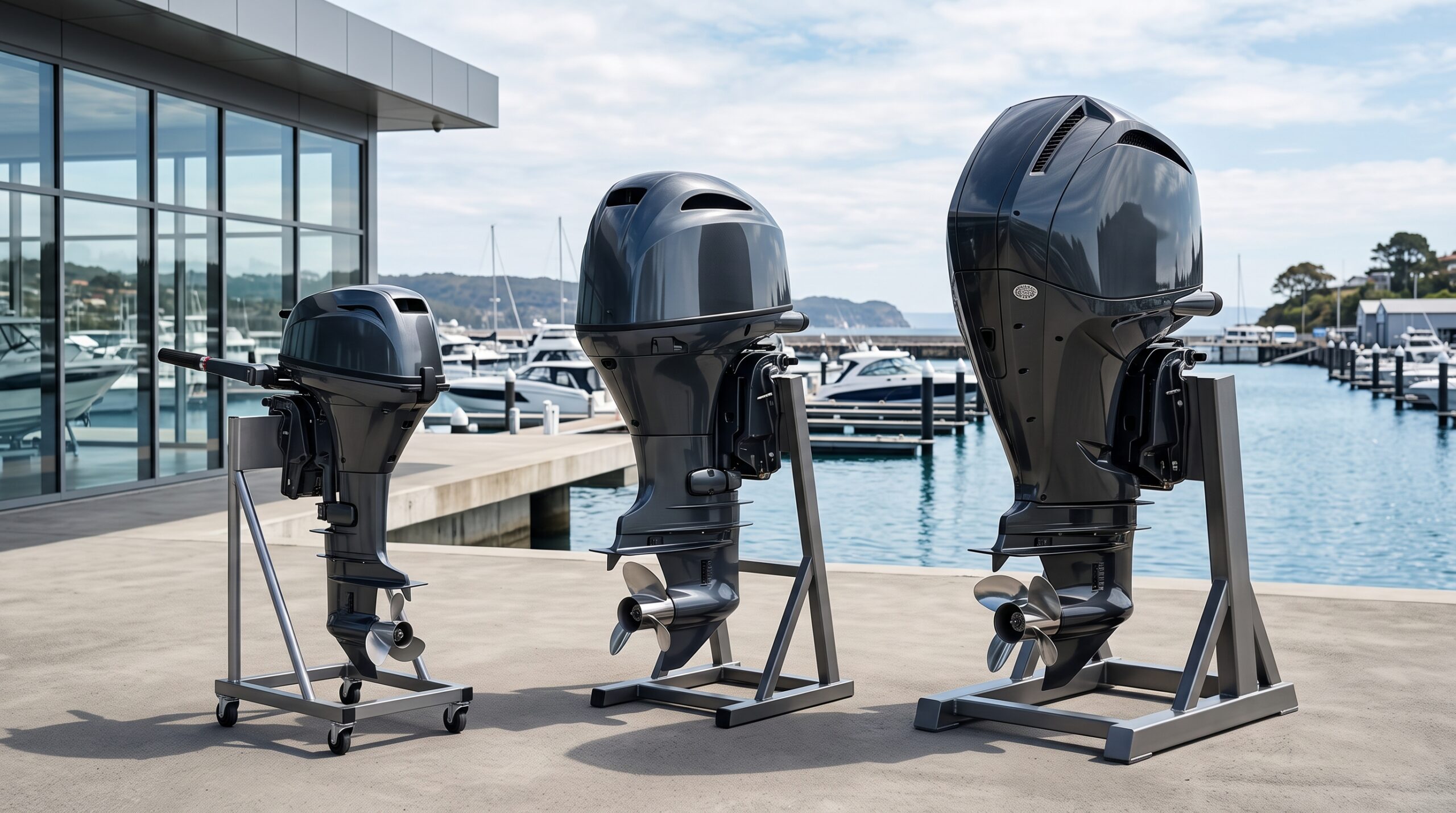
Boat engine prices can range from a few hundred dollars for a small used motor to more than $40,000 for a new, high-horsepower engine. Large inboard engines and specialized marine power systems can cost even more. The final price depends on horsepower, engine type, brand, condition, and installation needs.
If you are wondering how much boat engines cost, the first step is to decide what type of boat you have and how you plan to use it. A small fishing boat needs far less power than a large recreational boat or a commercial vessel.
You should also look beyond the price on the engine’s label. Installation, controls, steering parts, propellers, fuel, and regular maintenance can add to your total cost.
This guide explains boat engine prices by size, type, and horsepower. You will also learn how new and used motors compare, what extra costs to expect, and how to choose an engine that fits your boat and budget.
How Much Are Boat Engines?
Boat engines have a wide range of prices. Small portable motors are usually the least expensive, while powerful outboards, inboard engines, and complete propulsion systems cost much more.
The following figures are broad estimates in US dollars. They are intended for budgeting, not as live dealer quotes. Prices vary by country, model year, dealer, and included equipment.
| Engine size or type | Approximate new engine price |
|---|---|
| Small 2–6 HP motor | $800–$2,000 |
| 8–20 HP outboard | $1,500–$4,000 |
| 25–60 HP outboard | $3,000–$8,000 |
| 75–100 HP outboard | $7,000–$12,000 |
| 115–150 HP outboard | $10,000–$20,000 |
| 175–200 HP outboard | $15,000–$27,000 |
| 250–300 HP outboard | $22,000–$40,000+ |
| 300+ HP outboard | $30,000–$50,000+ |
These ranges are general estimates for engine purchases. Some premium models, complete engine packages, and specialist marine systems can exceed them. Inboard and sterndrive systems also have different pricing because their components and installation needs differ.
Small Boat Engine Prices
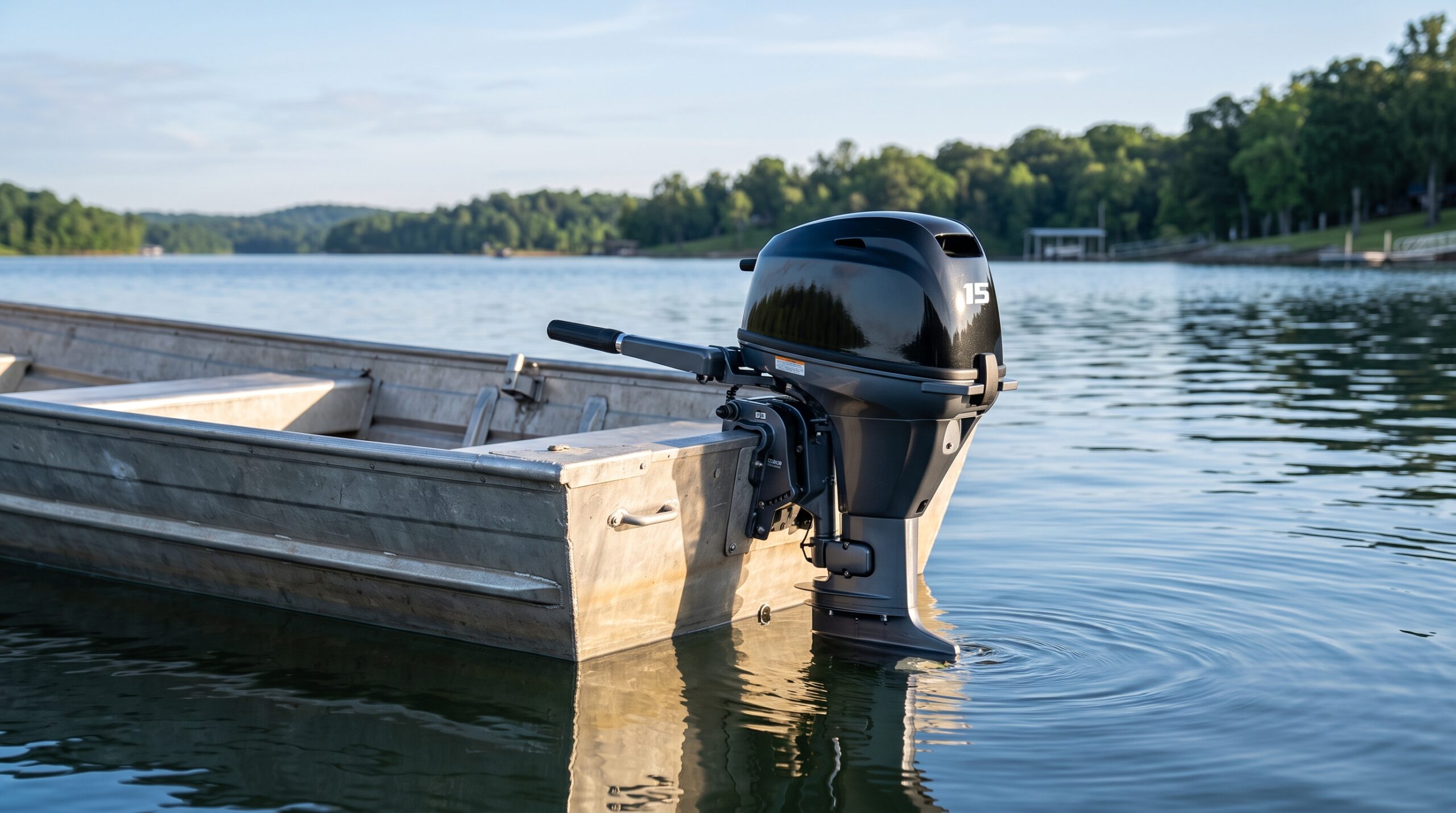
Small boat engines are a practical choice for dinghies, inflatable boats, small fishing boats, and lightweight utility boats.
A new 2–6 HP outboard may cost around $800–$2,000. Models with 8–20 HP often cost about $1,500–$4,000. Older or used motors can be less expensive, depending on their condition.
Small engines are popular because they are portable and relatively simple to operate. Many use a tiller handle for steering and have a manual starting system, although electric-start models are available.
For example, a person who fishes on a small lake may need only a 5 HP motor. Someone carrying extra passengers or equipment may need more power, depending on the boat’s design and rated capacity.
Before buying, check the boat manufacturer’s maximum horsepower rating. A motor that is too powerful can create serious safety risks and may damage the boat.
Medium Boat Engine Prices
Medium-power engines are common on fishing boats, pontoon boats, and family recreational boats.
A new 25–60 HP outboard may cost roughly $3,000–$8,000. Engines between 75 and 100 HP may cost about $7,000–$12,000, with some models falling outside these ranges.
These motors provide more power for carrying passengers, fishing equipment, and other loads. They can also offer better acceleration when correctly matched to the hull and propeller.
Consider a fishing boat used on a large lake. A 40 HP engine may be suitable for one model, while another boat of a similar length may need 60 HP because of its weight and hull design.
Do not choose an engine based on horsepower alone. Boat weight, intended speed, passenger capacity, water conditions, and fuel use all matter.
Large Boat Engine Prices
Large boats often need high-horsepower outboards, inboard engines, or sterndrive systems.
A new 150 HP outboard may cost around $10,000–$20,000. A 200 HP model may cost $15,000–$27,000, while a 300 HP outboard can cost $22,000–$40,000 or more.
Premium engines with advanced controls and other features may cost more. Twin-engine setups also increase the purchase price because you need two engines and may need additional controls, rigging, and installation work.
Large commercial boats can use specialized diesel engines that cost substantially more than common recreational outboards. Their final prices depend on power output, duty rating, cooling systems, and the vessel’s requirements.
For larger boats, ask a qualified marine dealer to confirm that the engine is suitable for the hull and its intended load.
Boat Engine Prices by Type
The type of engine affects both the purchase price and the cost of keeping the boat running. Outboards are mounted outside the hull, while inboards sit inside the boat. Sterndrives combine an internal engine with an external drive unit. Electric motors use a battery-powered system.
How Much Do Outboard Boat Engines Cost?
Outboard engines are popular because they are relatively easy to access, maintain, and replace. They are used on small fishing boats, inflatable boats, pontoon boats, and many larger recreational vessels.
New outboards can cost from around $800 for a small portable model to more than $40,000 for some high-power models. Used outboards may cost a few hundred dollars or several thousand dollars, depending on their age, size, condition, and service history.
Two-stroke and four-stroke engines can differ in price and operating costs.
Two-stroke outboards have a simpler operating cycle and can be lightweight for their power output. Older models may be less expensive, but emissions rules, parts availability, and maintenance requirements vary. Some older designs also require oil mixed with fuel.
Four-stroke outboards are common in modern recreational boating. They often offer quiet operation and good fuel economy, depending on the model and how it is used. They require engine oil and routine oil changes.
When comparing outboards, check the engine’s age, warranty, starting system, controls, and whether the advertised price includes installation. A low advertised price may cover the motor alone rather than a complete, ready-to-run package.
How Much Do Inboard Boat Engines Cost?
Inboard engines sit inside the boat and connect to a shaft or other drive system. They are common in larger recreational boats, cruisers, and many commercial vessels.
A replacement gasoline inboard engine may cost several thousand dollars to well over $20,000, depending on its power and design. Some marine diesel engines cost tens of thousands of dollars or more.
The engine is only one part of the total expense. Installation may involve removing the old engine, checking the engine mounts, aligning the shaft, connecting cooling and fuel systems, and testing the controls.
Access can also affect labor costs. If the engine is in a tight compartment, removing and fitting it may take more time.
Before buying an inboard engine, confirm that it is compatible with the boat’s transmission, shaft arrangement, cooling system, and available space. A marine technician can help determine whether the new engine is a suitable replacement.
How Much Do Sterndrive Boat Engines Cost?
A sterndrive system uses an engine mounted inside the boat and a drive unit mounted through the transom. It is common on certain recreational boats and sport boats.
A new sterndrive engine or replacement package can cost roughly $8,000–$25,000 or more, depending on horsepower, manufacturer, and what the package includes. A complete system with the drive unit and installation can cost substantially more.
The price depends on the engine, drive assembly, steering equipment, cooling system, and any parts that must be replaced at the same time.
Sterndrives need regular inspection because parts exposed to water can corrode. Depending on the model, owners may need to service the drive, inspect seals and bellows, and check the condition of the propeller and related components.
When comparing replacement prices, ask whether the quote includes the engine only or the engine and drive system. This distinction can make a large difference to the final bill.
How Much Do Electric Boat Engines Cost?
Electric boat motors range from small trolling motors to powerful propulsion systems designed for larger vessels.
A small electric trolling motor may cost around $150–$1,000. More powerful electric outboards can cost several thousand dollars, while high-output marine electric systems may cost tens of thousands of dollars.
The battery is a major part of the total expense. A suitable lithium battery pack may add hundreds or thousands of dollars, depending on its capacity and specifications. Charging equipment, cables, displays, and installation can increase the price further.
Electric motors can be attractive for quiet operation and use on waters where combustion engines are restricted. They also have fewer routine engine parts to service.
However, range depends on battery capacity, boat weight, speed, weather, and how much power you use. Charging time and access to suitable charging facilities also matter.
Compare the complete system rather than the motor alone. A cheap electric motor may not provide enough power or range for your intended trip.
Boat Engine Prices by Horsepower
Horsepower is one of the main factors affecting engine prices. In general, more powerful engines cost more to buy and can require more expensive installation and supporting equipment.
However, horsepower should always match the boat’s approved specifications.
2–20 HP Boat Engines
Small 2–20 HP engines are designed for lightweight boats and lower-speed applications.
New models may cost approximately $800–$4,000, depending on horsepower and features. Used models can cost less, but their condition is important.
These engines are suitable for many small dinghies, utility boats, and fishing boats. Some are easy to transport between boats, which can be helpful for occasional use.
When choosing one, consider the total load, including passengers, fuel, and equipment. A small motor that works well on a light boat may struggle with a heavy load or strong currents.
25–100 HP Boat Engines
This category covers many fishing boats, pontoons, and recreational boats.
New outboards in this range may cost about $3,000–$12,000. The exact price depends on horsepower, engine technology, brand, and features.
A 40 HP engine may suit a particular small fishing boat, while a larger or heavier boat may need 75 or 100 HP. The boat’s manufacturer specifications should guide your choice.
For frequent use, compare fuel consumption at the speeds you expect to travel. A higher-horsepower motor may offer useful performance, but it may also increase the purchase price and fuel expenses.
115–300 HP Boat Engines
Engines from 115 to 300 HP are used on larger fishing boats, offshore recreational boats, and some boats designed for watersports.
Typical new outboard prices range from about $10,000 to $40,000 or more across this broad category.
A 150 HP engine can be a good fit for certain medium-to-large boats, while a 250 HP model may be suitable for a heavier hull designed for that level of power.
At these power levels, the cost of controls, steering, propellers, rigging, and professional installation becomes increasingly important. Some boats use two engines, which raises the total purchase and service costs.
300+ HP Boat Engines
High-horsepower engines are designed for larger, heavier, or performance-focused boats that can safely handle their output.
New outboards above 300 HP may cost $30,000–$50,000 or more per engine. Specialized high-performance and commercial systems can cost substantially more.
Some boats use multiple high-power engines. For example, a boat with two 300 HP outboards needs two engines, along with compatible rigging and controls.
These setups can provide strong performance and redundancy, but they also require a larger budget for fuel, servicing, and replacement parts.
Do not buy a high-horsepower engine simply because it is powerful. The engine must fit the hull, transom rating, weight limits, and intended use.
What Factors Affect Boat Engine Prices?
Several factors explain why two engines with similar horsepower can have very different prices.
Horsepower and engine size: More powerful engines usually cost more. Larger engines may also need stronger mounting hardware, larger propellers, and more advanced steering systems.
Brand and reliability: Established marine brands offer different model ranges, dealer networks, and warranty terms. A premium model may cost more because of its features, design, or service support.
New or used condition: A new engine generally costs more upfront but may include a manufacturer’s warranty. A used engine can offer savings, but repairs may offset the lower purchase price.
Fuel type and technology: Gasoline, diesel, and electric propulsion systems have different purchase and operating costs. Direct fuel injection, electronic controls, and other features may also affect the price.
Warranty and included features: Electric starting, power trim, digital displays, remote controls, and other options can increase the cost. Check which features are standard and which are optional.
How Engine Brands Affect Prices
Several established brands offer engines across different horsepower ranges.
- Yamaha: Offers portable outboards as well as larger recreational models. Pricing varies with engine size, features, and model year.
- Mercury: Sells a broad range of outboards and marine propulsion systems, including high-power options.
- Honda: Produces four-stroke outboards in several sizes, with prices depending on horsepower and equipment.
- Suzuki: Offers outboards from small portable models to larger engines, with costs varying by model and features.
No single brand is always the cheapest or best. Prices depend on the specific engine and dealer, and local service support can matter as much as the initial price.
Before deciding, request written quotes from more than one authorized dealer. Compare the engine, controls, propeller, warranty, installation, and delivery as a complete package.
New vs. Used Boat Engine Costs
New engines are generally more expensive but offer several benefits. They may include a factory warranty, current technology, and a clearer maintenance starting point.
Used engines can be much cheaper. Small used outboards may sell for hundreds of dollars, while larger used motors can cost several thousand dollars or more. Prices vary widely based on age, operating hours, condition, and demand.
A used engine is not automatically a good deal. Hidden corrosion, poor maintenance, overheating, and internal wear can lead to expensive repairs.
Before buying a used engine:
- Ask for maintenance records and proof of ownership.
- Check the model year and serial number.
- Have a marine technician inspect it.
- Ask for a cold start and an appropriate operating test.
- Check for corrosion, leaks, unusual noises, and signs of overheating.
- Confirm parts availability and whether any warranty applies.
For a major purchase, an independent inspection is often worth the cost. It can help you avoid buying an engine that needs expensive work soon after purchase.
Additional Costs of Buying a Boat Engine
The advertised engine price is only one part of the total budget. Depending on the boat and engine type, the extra costs can add hundreds or thousands of dollars.
Installation and Labor Costs
Professional installation costs depend on the engine, boat design, and work required.
Installing a small outboard may be relatively simple if the boat already has compatible equipment. Installing a large outboard or replacing an inboard engine can require much more labor.
A basic installation might cost a few hundred dollars, while complex replacements can cost several thousand dollars or more.
The job may involve mounting the engine, fitting controls, connecting fuel and electrical systems, setting up steering, and testing the installation.
Ask for a written estimate that separates parts and labor. Also confirm whether the price includes removal and disposal of the old engine.
Fuel, Oil, and Maintenance Costs
Every combustion engine requires ongoing operating and maintenance expenses.
Fuel use depends on horsepower, load, hull design, speed, water conditions, and engine condition. Two boats with the same engine may use different amounts of fuel because they operate in different ways.
Routine maintenance may include:
- Engine oil and filter changes where applicable.
- Gearcase lubricant checks and changes.
- Fuel filter replacement.
- Spark plug inspection or replacement.
- Cooling-system checks.
- Impeller service when required.
- Corrosion prevention and general inspection.
Small outboards may have modest service costs, while large engines and multi-engine boats can cost much more to maintain.
Follow the manufacturer’s service schedule. Skipping maintenance may save money in the short term but can increase the risk of costly damage.
Controls, Propellers, and Accessories
Some engine prices include basic controls and other equipment. Others cover only the engine itself.
Depending on the setup, you may need to budget for:
- A compatible propeller.
- Remote throttle and shift controls.
- Steering equipment.
- Wiring harnesses and displays.
- Batteries and battery cables.
- Mounting hardware.
- Fuel lines and filters.
- Safety equipment required for the boat.
A propeller must match the engine and boat. The wrong propeller can reduce performance and may cause the engine to operate outside its recommended range.
Ask the seller for a complete list of included and optional parts before comparing quotes.
Shipping, Taxes, and Registration
Shipping costs depend on the engine’s size, weight, delivery distance, and shipping method. Large engines may need special handling.
Sales taxes, import duties, and registration-related charges may also apply. These costs vary by location.
If you import an engine, check customs requirements, warranty coverage, emissions rules, and the availability of local replacement parts before paying.
For buyers in Bangladesh, imported engines may involve additional shipping, customs, and local dealer costs. US-dollar estimates in this guide should not be treated as final local prices. Request a quote in your local currency and confirm all applicable charges.
Is It Cheaper to Buy a New or Used Boat Engine?
In most cases, a used engine costs less upfront than a comparable new model. However, the lowest purchase price does not always mean the lowest total cost.
A new engine may be the better choice if you plan to use your boat often, want a manufacturer’s warranty, or intend to keep the boat for many years. It may also be easier to find service information and replacement parts for a current model.
A used engine can make sense if your budget is limited, the motor has a good maintenance history, and a qualified technician confirms its condition.
For example, imagine a used engine costs $2,000 less than a new model. If the used engine needs $1,500 in repairs soon after purchase, most of the initial saving disappears. The repair estimate may also miss other problems.
Before deciding, compare the following:
- Purchase price.
- Inspection and repair costs.
- Remaining warranty.
- Expected maintenance needs.
- Availability of spare parts.
- Estimated years of use.
- Resale value.
A well-maintained used engine can provide good value. A neglected engine can become expensive even if it looks clean.
How to Choose the Right Boat Engine for Your Budget
Choosing the right engine is about matching performance, safety, and total cost.
1. Follow the Boat Manufacturer’s Recommendations
Check the boat’s capacity plate and manual. They may state the maximum horsepower, passenger capacity, and other operating limits.
Never exceed the boat’s approved horsepower rating. If the boat’s specifications are missing or unclear, ask a qualified marine professional to identify a suitable engine.
2. Consider Boat Weight and Intended Use
Think about where and how you will use the boat.
A small boat used for short fishing trips may need less power than a boat carrying several people and heavy equipment. Rough water, strong currents, and frequent long trips may also affect your needs.
Do not assume that a larger engine is always better. An oversized engine may cost more, add unnecessary weight, and exceed the boat’s approved limits.
3. Compare Warranties and Local Dealer Support
A lower-priced engine may be less attractive if authorized service is difficult to find.
Ask about the warranty period, what it covers, service requirements, and whether repairs must be completed by an authorized dealer.
Also check the cost and availability of common replacement parts. This is especially important when buying a less common model or importing an engine.
4. Calculate the Total Cost of Ownership
Make a budget that includes more than the engine.
For example, a simple budget for a hypothetical small outboard might look like this:
| Expense | Example budget |
|---|---|
| Engine | $2,000 |
| Installation and setup | $250 |
| Initial accessories | $150 |
| Initial service allowance | $100 |
| Estimated starting total | $2,500 |
These are illustrative amounts, not a quote. Your actual costs may be lower or higher, and some engines may already include the accessories listed.
You should also set aside money for fuel, future maintenance, repairs, storage, and winterization where relevant.
5. Compare More Than One Quote
Ask at least two or three dealers for prices on comparable models.
Make sure each quote includes the same items. One dealer may include the propeller and controls, while another may advertise only the engine.
A clear comparison can help you identify the best overall value rather than simply the lowest headline price.
Are Expensive Boat Engines Worth It?
An expensive boat engine can be worth the extra money if it offers the performance, reliability, and features you need. However, a higher price does not always mean a better choice for every boat owner.
The right engine should suit your boat, your budget, and the conditions in which you operate.
Reliability and Performance
A quality engine can provide dependable starting, steady power, and consistent performance when maintained correctly.
For boat owners who travel frequently or operate far from shore, reliability is especially important. A breakdown can cause delays and may create a safety risk.
However, reliability depends on more than the brand. Correct installation, regular servicing, suitable fuel, and proper storage all play important roles.
Fuel Efficiency
Fuel efficiency can affect your long-term costs. A newer engine may offer improved fuel management compared with an older model, but actual savings depend on the engine and how you use it.
For example, a boat that travels many hours each month may benefit more from improved fuel economy than a boat used for a few short trips each year.
Compare fuel consumption at realistic cruising speeds rather than relying only on maximum horsepower or advertised performance.
Warranty and Dealer Support
Some new engines include a manufacturer’s warranty that helps cover eligible repairs during the warranty period. The exact coverage, exclusions, and service requirements depend on the manufacturer and model.
A warranty can provide useful peace of mind, especially when buying an expensive engine. Still, read the terms carefully and confirm that local service is available.
Choose Value Over the Highest Price
A small fishing boat does not need a premium 300 HP engine if its design calls for much less power. Paying for unnecessary horsepower can increase the initial cost, fuel expenses, and maintenance budget.
An affordable engine that meets the manufacturer’s specifications may be a better choice than an expensive model with features you will rarely use.
Before spending more, ask yourself three questions:
- Does this engine meet my boat’s power requirements?
- Will its features provide a real benefit for my intended use?
- Can I afford its fuel, maintenance, and repair costs?
If the answers are yes, the higher price may be justified. If not, a less expensive model may provide better value.
FAQ
How much does an average boat engine cost?
A new small outboard may cost around $800–$4,000, while medium-sized outboards can cost approximately $3,000–$12,000. Larger outboards may range from $10,000 to more than $40,000.
There is no single average price because boat engines vary widely in type, size, horsepower, and features. Inboard and sterndrive systems also have different costs.
Remember to include installation, controls, accessories, and maintenance when calculating your budget.
How much does a 150 HP boat engine cost?
A new 150 HP outboard typically costs around $10,000–$20,000, depending on the brand, model, and included equipment.
A premium model or a complete package with controls, steering, and other accessories may cost more. Used 150 HP engines can be less expensive, but their condition and service history affect their value.
Ask whether the advertised price includes installation and a propeller before comparing offers.
How much does a 200 HP boat engine cost?
A new 200 HP outboard may cost approximately $15,000–$27,000. Some models and complete packages fall outside this range.
The final price depends on engine technology, brand, model year, and available features. Installation and rigging may add several thousand dollars to the total in some cases.
If you are replacing an existing 200 HP engine, confirm that the new model is compatible with your boat’s controls, steering system, and mounting arrangement.
Are boat engines cheaper when bought used?
Yes, used boat engines are often cheaper than comparable new models. The amount you save depends on the engine’s age, operating hours, condition, and demand.
A used motor can be a good option if it has been maintained properly and passes an independent inspection.
Before buying, check for corrosion, leaks, signs of overheating, and other problems. Review the maintenance records and confirm that replacement parts are available.
A low purchase price is not necessarily a bargain if the engine needs expensive repairs.
How long do boat engines typically last?
Boat engine life varies with engine type, maintenance, operating conditions, and storage.
Many well-maintained recreational outboards can provide roughly 1,500–3,000 operating hours or more, although some engines require major repairs earlier and others last longer. These figures are broad estimates, not guaranteed service lives.
Inboard engines and marine diesel engines can have different service-life expectations. Their longevity depends on design, workload, cooling, lubrication, and maintenance.
Regular servicing, proper winterization where needed, and prompt attention to warning signs can help extend an engine’s useful life.
How much does it cost to replace a boat engine?
Replacing a boat engine can cost from a few thousand dollars to tens of thousands of dollars, depending on the engine and the work involved.
A small outboard replacement may require relatively little labor. Replacing a large outboard, an inboard engine, or a complete sterndrive system can be much more expensive.
The total may include the new engine, removal of the old motor, installation, controls, steering components, wiring, and other required parts.
Ask a marine technician for a written estimate. Also compare the cost of replacement with the cost of repairing the existing engine.
Which boat engine brand is the most affordable?
There is no single brand that is always the most affordable. Yamaha, Mercury, Honda, and Suzuki offer engines at different prices depending on horsepower, model, and features.
Smaller engines generally cost less than larger models, regardless of the brand. Used engines may also provide a lower-cost option.
Compare prices for engines with similar horsepower and equipment. Consider warranty coverage, local service availability, and replacement-part costs as well as the purchase price.
The best value is an engine that fits your boat, provides suitable performance, and remains affordable to maintain.
Conclusion
So, how much are boat engines? Small new outboards may cost around $800–$4,000, medium-sized models can range from approximately $3,000–$12,000, and powerful outboards may cost $10,000–$40,000 or more. Inboard, sterndrive, electric, and specialized marine engines have their own price ranges.
These figures are general US-dollar estimates, not current dealer quotations. Actual prices depend on the engine, horsepower, condition, location, and included equipment.
Before buying, check your boat’s power rating, compare several models, and calculate the full cost of ownership. Include installation, fuel, maintenance, accessories, and any applicable taxes or shipping charges.
The best boat engine is not necessarily the most expensive. It is the one that safely matches your boat, meets your needs, and fits your budget over the long term.












