



Our Blogs
Mercury 30 HP Outboard Engine: Best Features & Guide

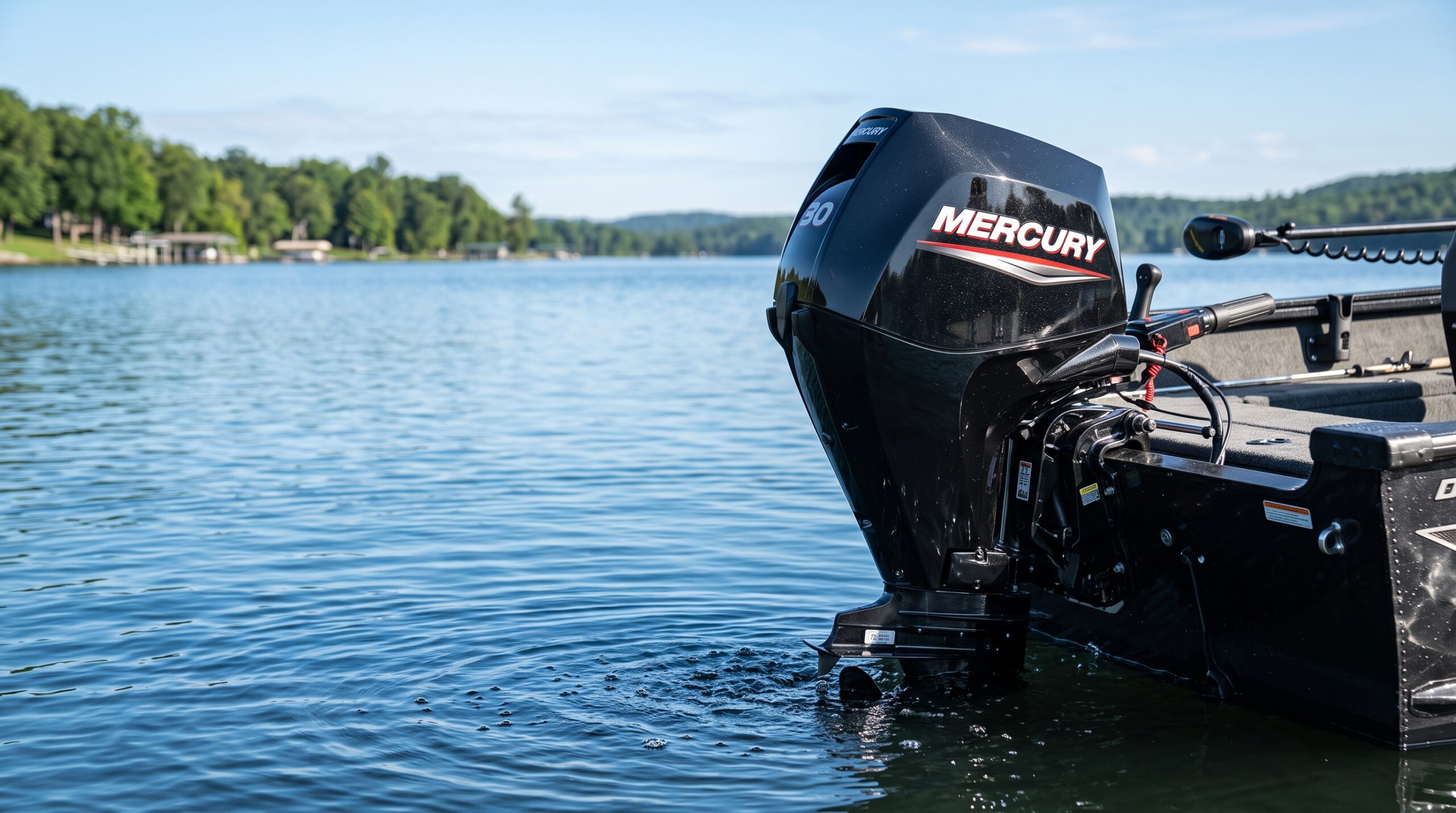
The Mercury 30 HP outboard engine is a popular option for boat owners who need dependable power, practical performance, and convenient operation. Designed for a variety of recreational and fishing applications, a 30-horsepower outboard motor can provide a useful balance between power and manageable engine size. Choosing the right outboard engine is important because it affects a boat’s performance, fuel consumption, handling, maintenance requirements, and overall operating costs.
Mercury Marine has a long history in the marine engine industry and offers outboard motors designed for different boating needs. However, not every Mercury 30 HP model has identical specifications. Engine weight, starting systems, shaft length, fuel delivery, steering arrangements, and other features can differ depending on the model year and configuration. Buyers should therefore identify the exact engine model before making a purchase.
Understanding the Mercury 30 HP outboard engine can help boat owners decide whether it suits their vessel and intended activities. This guide explores its major features, performance considerations, specifications, fuel efficiency, maintenance requirements, common problems, and buying factors to consider before investing in an outboard motor.
What Is a Mercury 30 HP Outboard Engine?
A Mercury 30 HP outboard engine is a marine propulsion system designed to provide up to 30 horsepower for a compatible boat. An outboard motor is mounted externally on the transom, which is the rear section of a boat. This arrangement combines the engine, gearbox, propeller shaft, and propeller into a single unit, making installation and servicing relatively convenient compared with many inboard propulsion systems.
The 30 HP power category is often considered for small and medium-sized boats, depending on their design and manufacturer-rated horsepower limits. Fishing boats, utility vessels, and some recreational boats may be compatible with this power level. Actual suitability depends on hull shape, boat weight, passenger capacity, intended operating conditions, and the maximum horsepower specified by the boat manufacturer.
Mercury offers different engine designs and configurations across its product range. Some 30 HP outboards feature four-stroke technology, while specifications and available equipment depend on the particular model. Buyers should consult official Mercury documentation to confirm the engine type, recommended fuel, maintenance schedule, and operating requirements.
Key Features of the Mercury 30 HP Outboard Engine
Engine Design and Power Output
The Mercury 30 HP outboard engine is designed to deliver useful propulsion for boating applications that do not require a high-horsepower motor. Its rated power can be appropriate for boat owners who prioritize practical operation and manageable engine capacity. Nevertheless, horsepower alone does not determine how well an engine performs. Propeller selection, hull design, boat loading, engine height, and water conditions also influence the final result.
Engine design can vary between model generations. Different configurations may offer different cylinder arrangements, displacement figures, ignition systems, and fuel delivery technologies. For this reason, specifications should always be checked against the identification label and documentation for the exact motor being considered.
Starting and Control Systems
Starting and control arrangements are important factors when selecting an outboard engine. Depending on the configuration, a Mercury 30 HP model may have manual or electric starting and different steering or throttle-control arrangements. The appropriate option depends on the boat’s layout, the operator’s preferences, and the equipment supplied with the engine.
Electric starting can make everyday operation more convenient, while manual starting may suit buyers who prefer a simpler arrangement. Remote controls can be useful when the helm is positioned away from the transom, whereas tiller steering places the steering and throttle controls directly at the engine. Availability varies by model, so buyers should confirm the exact configuration before purchasing.
Cooling System and Durability
Marine engines operate in demanding environments where moisture, vibration, salt exposure, and changing loads can affect long-term reliability. The cooling system helps regulate engine temperature, making correct operation and regular inspection essential. Operators should follow the manufacturer’s instructions for checking cooling-water flow and responding to temperature warnings.
Durability also depends on maintenance quality and operating conditions. Appropriate lubrication, clean fuel, correct propeller selection, proper storage, and scheduled servicing help reduce unnecessary wear. An engine that receives consistent care is generally better positioned to provide dependable service than one that has been neglected.
Mercury 30 HP Outboard Engine Specifications
Specifications are among the most important details to review before buying an outboard motor. Buyers should confirm the engine’s model year, engine family, displacement, cylinder configuration, recommended fuel, oil requirements, shaft length, starting system, and dry weight. These details help determine whether the motor will fit the boat and meet the owner’s operating needs.
Horsepower is only one part of the specification sheet. Shaft length is especially important because it must match the boat’s transom design and the engine manufacturer’s installation recommendations. A shaft that is too short or too long for the intended installation can affect propeller immersion, handling, efficiency, and safe operation.
Dry weight also deserves attention. The engine’s weight affects transom loading and the boat’s overall balance. Buyers should use the published weight for the exact configuration rather than relying on a general figure associated with the 30 HP category. Accessories and control equipment may also affect the total installed weight.
Fuel system details should be verified because fuel requirements can differ across engine generations. Owners should use the fuel grade and fuel-handling procedures specified in the operator’s manual. Similarly, lubrication requirements depend on the engine design, so oil types and quantities should never be assumed from the horsepower rating alone.
Before finalizing a purchase, compare the official specification sheet with the boat manufacturer’s maximum horsepower rating, recommended transom dimensions, and load limitations. This step helps prevent compatibility problems and supports safe installation.
Performance and Fuel Efficiency
Acceleration and Cruising Performance
The performance of a Mercury 30 HP outboard engine depends on several connected factors. Horsepower provides an indication of the engine’s rated output, but acceleration and cruising speed also depend on the boat’s hull, total weight, propeller, engine setup, and environmental conditions. A lightweight boat with a suitable hull may behave very differently from a heavier boat using the same motor.
Passenger numbers, fishing equipment, fuel loads, and other cargo can influence acceleration and top speed. Wind, waves, current, and water depth can also affect how the boat moves. For that reason, there is no single speed figure that applies to every boat equipped with a Mercury 30 HP engine.
Correct propeller selection can help the engine operate within the manufacturer’s recommended full-throttle RPM range. An unsuitable propeller may cause poor acceleration, excessive engine loading, or engine speed outside the recommended range. Owners should consult a qualified marine technician or Mercury dealer when selecting or changing a propeller.
Fuel Consumption Considerations
Fuel efficiency matters to boat owners who regularly travel, fish, or spend extended periods on the water. The fuel consumption of a Mercury 30 HP outboard engine depends on throttle position, engine condition, boat weight, propeller choice, hull cleanliness, and water conditions. Operating at maximum throttle generally uses more fuel per hour than operating at a moderate cruising setting, although the actual relationship depends on the installation and operating conditions.
Regular maintenance supports efficient engine operation. Clean fuel, a properly maintained fuel system, suitable propeller selection, and attention to the engine’s operating condition can help avoid unnecessary fuel waste. Excessive load and poor hull condition may also increase the power required to move the boat.
Owners who need accurate fuel-consumption information should consult model-specific manufacturer data or measure fuel use under controlled operating conditions. General estimates from other boats may not accurately reflect the performance of a particular installation.
Benefits of Choosing a Mercury 30 HP Outboard
One important benefit of a 30 HP outboard is its potential suitability for boats that need moderate power without the size of a much higher-horsepower engine. For compatible vessels, this category may provide a practical combination of propulsion, maneuverability, and everyday usability. The final result depends on selecting an engine that matches the boat rather than choosing horsepower based on preference alone.
Another consideration is service support. Mercury has an established marine engine product range, and buyers may be able to obtain maintenance support and replacement parts through authorized dealers and qualified marine service providers. Local parts availability and technician experience should be checked before purchasing, particularly for owners who live far from major marine service centers.
A suitable outboard engine can also offer convenient access for routine inspection and servicing because it is mounted outside the hull. Maintenance access varies by model and installation, but the outboard format generally makes the engine unit accessible without the need to enter an enclosed engine compartment.
Long-term value depends on more than the initial purchase price. Fuel expenses, scheduled maintenance, repair costs, warranty coverage, replacement parts, and resale demand all influence ownership costs. Comparing these factors provides a more realistic picture of the engine’s overall value.
How Much Does a Mercury 30 HP Outboard Engine Cost?
The price of a Mercury 30 HP outboard engine depends on its model year, condition, configuration, included accessories, seller, and location. A new engine purchased through an authorized dealer may have a different price from a used motor sold privately. Freight, installation, control systems, batteries, propellers, and other necessary equipment may increase the total cost.
New engines may offer benefits such as applicable manufacturer warranty coverage, documented service support, and confidence in the engine’s condition. Buyers should confirm the actual warranty terms, including duration, exclusions, registration requirements, and whether the coverage applies in their country. Warranty details should be obtained in writing from the seller or authorized dealer.
Used engines may have a lower purchase price, but their condition can vary considerably. Maintenance records, operating history, corrosion, compression where applicable, gearcase condition, cooling-system operation, and evidence of previous repairs all deserve attention. An inexpensive motor may become costly if it needs major mechanical work shortly after purchase.
Prices also vary between markets and currencies. Import duties, local taxes, shipping charges, and dealer availability can influence the final amount. For an accurate estimate, request a current quotation from a local Mercury dealer and compare it with the total installed cost of other suitable engines.
Mercury 30 HP Outboard Engine Maintenance
Routine Inspection and Servicing
Routine maintenance is essential for protecting an outboard engine and maintaining reliable operation. Owners should follow the service intervals and inspection procedures provided in the official operator’s manual. The schedule may include lubrication checks, fuel-system inspection, spark-plug servicing where applicable, gearcase maintenance, and examination of key engine components.
Before each trip, operators should check the engine mounting, steering, throttle controls, fuel connections, propeller, and visible signs of damage. The cooling-water indicator should operate as described in the manual. If the engine shows an overheating warning, unusual vibration, fuel leakage, or another serious fault, the operator should follow the manufacturer’s safety instructions and arrange inspection when necessary.
Engine oil and gear lubricant must meet the requirements specified for the exact model. Using an unsuitable lubricant or incorrect quantity can affect engine protection and performance. Maintenance should be performed according to the manufacturer’s procedures, with a qualified technician handling work that requires specialized tools or knowledge.
Fuel System Care
Fuel quality and storage practices can affect reliability, especially when a boat is used infrequently. Owners should follow the manual’s fuel recommendations and use suitable, approved fuel containers. Fuel should be stored safely and handled away from ignition sources, with appropriate ventilation.
Fuel can deteriorate during extended storage, and water or contamination can create operating problems. Owners should inspect fuel lines, connectors, filters, and other accessible components according to the maintenance schedule. Damaged or deteriorated fuel-system parts should be replaced with compatible components.
Fuel additives should not be used automatically without checking the manufacturer’s guidance. Some products may be suitable for particular situations, but the correct approach depends on the engine, fuel, and storage conditions. A qualified marine technician can help diagnose persistent fuel-delivery problems.
Propeller and Cooling System Maintenance
The propeller plays an important role in transferring engine power to the water. Dents, bent blades, fishing-line entanglement, and other damage can cause vibration or reduce performance. Before inspecting the propeller, the engine must be switched off and secured according to the manufacturer’s safety instructions. Owners should never approach a rotating propeller.
The cooling system also requires attention. Operators should follow the manual’s procedures for checking cooling-water flow and inspecting relevant components. Saltwater use may require particular flushing and corrosion-prevention procedures, depending on the engine model. A restricted cooling passage or damaged component can lead to overheating, so persistent warnings should be investigated promptly.
Winterization and Long-Term Storage
Correct storage procedures can help protect the engine when it will not be used for an extended period. The recommended process depends on the model and local climate. It may involve fuel-system preparation, lubrication, corrosion protection, cooling-system procedures, and storage positioning according to Mercury’s instructions.
Owners should not assume that every outboard requires the same winterization process. The manufacturer’s guidance should determine which steps are necessary and whether any special equipment is required. Before returning the engine to service, inspect the fuel system, battery if fitted, propeller, mounting hardware, and other relevant components.
Common Mercury 30 HP Outboard Engine Problems
Engine Starting Difficulties
Starting problems can result from a discharged battery, an incorrect starting procedure, contaminated fuel, restricted fuel delivery, ignition faults, or other mechanical issues. The appropriate troubleshooting process depends on whether the engine uses manual or electric starting and on its specific design.
Owners should begin with the basic checks described in the operator’s manual, including the emergency stop arrangement, fuel supply, and battery condition where applicable. Repeated starting attempts should be avoided if fuel leakage, unusual noises, or other signs of a serious fault are present. Persistent problems should be assessed by a qualified technician.
Overheating
Overheating can occur when cooling-water flow is restricted or when a cooling-system component fails. Warning indicators, unusual engine behavior, or reduced performance should be taken seriously. Continuing to operate an overheating engine can cause severe damage.
If an overheating warning occurs, follow the manufacturer’s instructions immediately. Do not remove hot components or open pressurized systems without the proper procedure. If the cause is not obvious or the warning continues, stop using the engine and arrange professional inspection.
Fuel Delivery Problems
Fuel delivery problems may cause rough running, hesitation, stalling, or difficulty maintaining power. Potential causes include contaminated fuel, restricted filters, deteriorated fuel lines, air entering the fuel system, or faults in fuel-system components. The exact cause must be identified before replacing parts.
Using the recommended fuel and following the proper storage procedures can reduce some fuel-related problems. However, persistent symptoms require proper diagnosis. Owners should avoid improvised repairs that may introduce additional faults or create a fire hazard.
Poor Acceleration or Reduced Power
Reduced acceleration may be related to excessive boat loading, propeller damage, incorrect propeller selection, poor fuel quality, engine maintenance issues, or other mechanical faults. Changes in water conditions and hull cleanliness can also influence performance.
Comparing current performance with the engine’s normal behavior can help identify when a problem has developed. A technician can inspect the propeller, fuel system, ignition system, and other relevant components to determine the cause. Engine adjustments should remain within the manufacturer’s specifications.
How to Choose the Right Mercury 30 HP Outboard Engine
The first step is confirming that a 30 HP engine is appropriate for the boat. Check the capacity plate and the manufacturer’s documentation for the maximum permitted horsepower, transom requirements, and loading limitations. An engine should never be selected solely because its horsepower appears suitable for the boat’s size.
Next, determine the required shaft length and mounting arrangement. The engine must match the transom and installation specifications to achieve the intended operating position. Steering type, control placement, electrical requirements, and included accessories should also be reviewed before purchase.
For a used Mercury 30 HP outboard, inspect the engine carefully and request its service records. Check for corrosion, damaged mounting hardware, signs of water intrusion, fuel leaks, and evidence of poor maintenance. Where appropriate, a qualified technician should perform mechanical checks and an operational assessment before the buyer commits to the purchase.
Buyers should also consider the availability of service centers and replacement parts in their area. Easy access to routine servicing can make ownership more convenient and help reduce downtime. A clear warranty policy, documented condition, and reliable seller may be more valuable than a small difference in the advertised price.
Finally, compare the total cost of ownership. Include the purchase price, installation, required controls, maintenance, fuel, insurance where applicable, and anticipated repair costs. This broader comparison helps buyers choose an engine that fits both their boating requirements and their budget.
Mercury 30 HP vs. Other Outboard Engines
Comparing the Mercury 30 HP outboard engine with other motors in the same horsepower category can help buyers make an informed decision. Relevant alternatives may include 30 HP engines from manufacturers such as Yamaha and other established marine brands. However, the best choice depends on the exact models being compared rather than the brand names alone.
Fuel efficiency should be assessed using comparable testing conditions and model-specific information. Different hulls, propellers, loads, and cruising speeds can produce substantially different results, even when two engines have the same rated horsepower. Published data should be interpreted carefully, and real-world consumption should be considered in the context of the intended boat.
Weight, starting arrangements, steering compatibility, maintenance schedules, warranty terms, and dealer support are also important comparison points. A lighter engine may be preferable for some transoms, while another configuration may provide controls or features that better suit the operator. Parts availability and the experience of local technicians can influence long-term convenience.
Price comparisons should include installation and required equipment rather than focusing only on the engine’s advertised cost. Buyers should request complete quotations and verify the specifications of each motor. Selecting a well-supported engine that matches the boat’s requirements is generally more useful than choosing a model based on a single specification.
Is the Mercury 30 HP Outboard Engine Worth Buying?
The Mercury 30 HP outboard engine may be a suitable choice for boat owners who need moderate propulsion for a compatible fishing, utility, or recreational vessel. Its overall value depends on the particular model, the boat’s requirements, the engine’s condition, and the availability of local service support.
A new engine may appeal to buyers who value a documented purchase, applicable warranty coverage, and a known maintenance starting point. A used engine may be attractive to those working within a limited budget, provided that its condition is carefully evaluated and any necessary repairs are included in the cost calculation.
The most important step is matching the engine to the boat. Buyers should verify the maximum horsepower rating, shaft length, engine weight, fuel requirements, and installation details before purchasing. Regular maintenance and proper operating practices can also contribute to reliable performance over time.
Ultimately, the Mercury 30 HP outboard engine deserves consideration when its specifications, condition, price, and support arrangements fit the owner’s needs. Checking official Mercury documentation and consulting a qualified dealer can help ensure that the selected motor is appropriate for the intended application.
FAQ
How fast can a Mercury 30 HP outboard engine go?
The speed of a boat powered by a Mercury 30 HP outboard depends on hull design, boat weight, propeller selection, passenger load, engine setup, and water conditions. There is no universal top-speed figure for every installation. For a meaningful estimate, consider the boat manufacturer’s guidance and performance information for the specific engine and vessel.
How much does a Mercury 30 HP outboard engine weigh?
The weight varies according to model year, engine design, shaft length, and configuration. Buyers should consult the official specification sheet for the exact model rather than relying on a general weight estimate for all Mercury 30 HP outboards. Correct weight information is important when checking transom capacity and overall boat balance.
Is the Mercury 30 HP outboard fuel-efficient?
Fuel efficiency depends on engine design, throttle setting, boat loading, hull condition, propeller choice, and operating conditions. Appropriate maintenance and correct engine setup can help support efficient operation. For accurate fuel-use information, consult model-specific data and consider how the engine will be used on the intended boat.
How much oil does a Mercury 30 HP outboard need?
The required oil type and quantity depend on the exact engine model and its lubrication system. Owners should consult the official operator’s manual for the correct specification and service procedure. Using the wrong oil or quantity may affect engine protection and reliability.
How long does a Mercury 30 HP outboard engine last?
Engine lifespan depends on maintenance, operating hours, storage practices, environmental exposure, and how the motor has been used. Regular servicing, appropriate fuel and lubrication, and prompt attention to faults can help reduce wear. When buying used, service records and a professional inspection provide more useful information than age alone.
What type of boat is suitable for a Mercury 30 HP engine?
A Mercury 30 HP engine may suit certain fishing boats, utility boats, and recreational vessels designed for that power range. Compatibility depends on the boat’s maximum horsepower rating, transom design, weight, load capacity, and intended operating conditions. Always follow the boat manufacturer’s specifications.
Is a new or used Mercury 30 HP outboard better?
A new engine may offer warranty coverage and a documented starting point for maintenance, while a used motor may have a lower initial cost. The better option depends on budget, condition, service history, parts availability, and the seller’s reliability. A used engine should be carefully inspected before purchase.
Conclusion
The Mercury 30 HP outboard engine is worth considering for boat owners seeking a practical engine in the 30-horsepower category. Its suitability depends on the exact model specifications, boat compatibility, operating conditions, and maintenance history. Understanding these factors helps buyers evaluate performance, fuel consumption, reliability, and long-term ownership costs.
Before purchasing, verify the engine’s official specifications, confirm that the motor matches the boat’s requirements, and compare complete costs from reliable sellers. For used engines, review service records and arrange a qualified inspection. With the right selection, correct installation, and consistent maintenance, a suitable Mercury 30 HP outboard can support dependable boating for years.












