



Our Blogs
What Are the Best Outboard Motors? Top Brands Compared

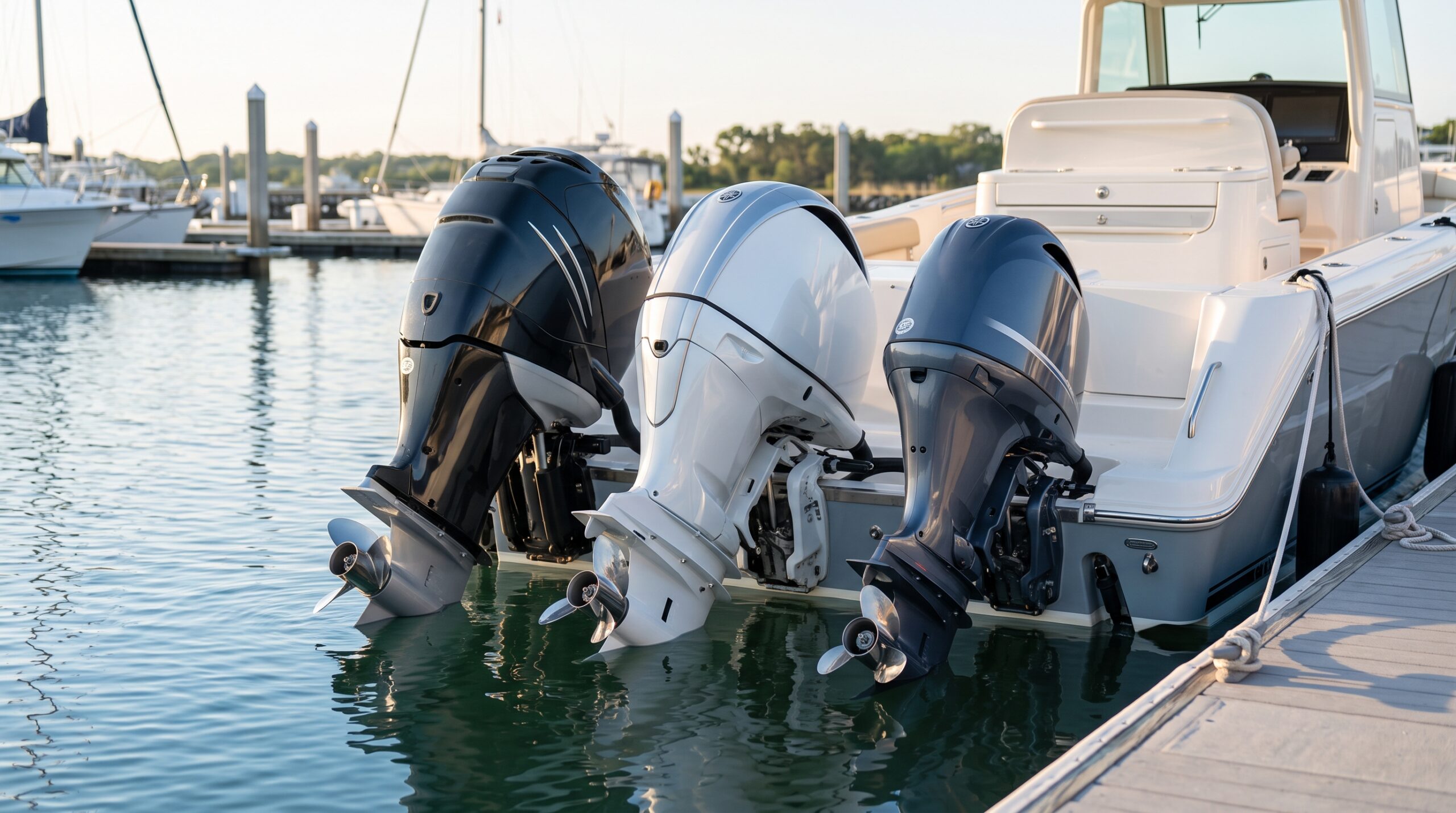
Choosing the right outboard motor can make boating safer, easier, and more enjoyable. A good engine provides the power you need, uses fuel wisely, and offers dependable performance on the water. However, the best choice depends on your boat, your budget, and how you plan to use it.
So, what are the best outboard motors? Yamaha, Mercury, Honda, Suzuki, and Tohatsu are leading brands worth comparing. Yamaha is known for its broad engine range and established reputation. Mercury offers many performance-focused options. Honda is recognized for its four-stroke technology, while Suzuki offers fuel-saving features on many models. Tohatsu is a strong option for buyers seeking compact engines and practical value.
There is no single outboard motor that is best for every boat. A small fishing boat may need only a portable engine, while a large offshore boat may require substantial horsepower and advanced controls.
Before you buy, consider five important factors:
-
Reliability: Can the engine provide dependable service when maintained correctly?
-
Fuel efficiency: How much fuel will it use during your usual trips?
-
Power: Does it meet your boat’s needs without exceeding its rated capacity?
-
Maintenance: Are servicing and spare parts easy to obtain?
-
Price: Can you afford the engine, installation, fuel, and long-term upkeep?
This guide compares the leading brands and explains how to choose an outboard motor for fishing, recreation, and everyday boating.
What Are the Best Outboard Motors on the Market?
The best outboard motors combine suitable power, dependable engineering, manageable maintenance, and good support from local dealers. The leading brands offer different advantages, so comparing individual models is more useful than choosing by brand name alone.
Yamaha Outboard Motors

Yamaha is a popular choice among recreational boaters, fishing enthusiasts, and commercial operators. Its outboard range includes small portable engines and powerful motors for larger boats.
Reliability and durability
Yamaha has an established reputation in the marine engine market. Its four-stroke models are designed for regular use, and many include features intended to support smooth operation and long service life.
However, reliability depends on more than the manufacturer’s name. Correct installation, regular oil changes, clean fuel, proper storage, and timely servicing all matter.
Fuel efficiency and performance
Yamaha offers fuel-injected four-stroke engines across many horsepower classes. Depending on the model and operating conditions, these engines can provide a useful balance of fuel economy, acceleration, and cruising performance.
Actual fuel consumption depends on boat weight, hull design, propeller choice, speed, weather, and passenger load.
Best uses for Yamaha engines
Yamaha is worth considering for:
-
Recreational boats and family outings
-
Fishing boats used regularly
-
Boats that need a wide choice of horsepower options
-
Owners who can access an authorized Yamaha service center
Before buying, compare the specific engine’s weight, fuel requirements, warranty, and maintenance schedule.
Mercury Outboard Motors

Mercury is another major outboard motor manufacturer. Its range includes portable engines, motors for fishing boats, and high-horsepower options for demanding applications.
Performance and power options
Mercury provides engines for many types of boats, from small tenders to larger recreational and offshore vessels. Its higher-powered models may suit boaters who need strong acceleration, substantial carrying capacity, or higher cruising speeds.
The correct power level still depends on the boat’s design and rated capacity. More horsepower is not automatically better.
Advanced technology and features
Depending on the model, Mercury engines may offer electronic fuel injection, digital engine controls, power steering compatibility, and integrated monitoring systems.
These features can make operation more convenient, but they may also increase the purchase price and require specialized service.
Best uses for Mercury engines
Mercury may be a good choice for:
-
Bass boats and other performance-oriented fishing boats
-
Recreational boats that need strong acceleration
-
Larger boats requiring high horsepower
-
Owners who value available electronic controls and monitoring features
Compare the features of individual models carefully. Not every Mercury engine includes the same technology.
Honda Outboard Motors

Honda Marine focuses on four-stroke outboard engines. Its lineup includes portable models and larger motors for recreational and commercial applications.
Four-stroke engine technology
Four-stroke engines complete their power cycle through four stages: intake, compression, power, and exhaust. They use a separate lubrication system rather than mixing oil with gasoline in the way traditional premix two-stroke engines do.
Honda’s four-stroke designs appeal to owners who want smooth operation and conventional engine lubrication.
Fuel economy and quiet operation
Many four-stroke outboards operate quietly at cruising speeds compared with older conventional two-stroke designs. They can also provide good fuel economy when correctly matched to the boat.
Actual noise and fuel consumption vary by model, load, and speed. Buyers should compare published specifications and real operating requirements rather than assume all four-stroke motors perform identically.
Best uses for Honda engines
Honda outboards are worth considering for:
-
Small and medium recreational boats
-
Fishing and cruising
-
Owners who prefer four-stroke technology
-
Boaters with access to Honda Marine service and parts
Check the local warranty terms and service network before making a purchase.
Suzuki Outboard Motors

Suzuki produces outboard motors for small boats as well as larger recreational and commercial vessels. Many of its models include engineering features intended to improve fuel use and overall performance.
Fuel-efficient engine designs
Suzuki offers technologies such as electronic fuel injection and, on selected models, systems designed to improve combustion and reduce fuel consumption.
The benefits vary across the product range. A small portable engine and a high-powered offshore engine will have different operating costs and fuel needs.
Available power ranges
Suzuki’s lineup covers multiple horsepower classes. This gives boat owners several options when matching an engine to the weight, hull type, and intended use of their vessel.
When comparing models, check engine weight, alternator output, steering requirements, control compatibility, and the manufacturer’s recommended service intervals.
Best uses for Suzuki engines
Suzuki may suit:
-
Recreational and fishing boats
-
Owners who want to compare fuel-saving technologies
-
Boats that need a particular combination of power and engine weight
-
Buyers with access to Suzuki marine servicing
Look at the complete ownership cost, not just the initial price.
Tohatsu Outboard Motors

Tohatsu is known for producing compact outboards and a range of engines for recreational boating. Its smaller models can be particularly useful when portability and simple operation are important.
Lightweight and compact options
Small Tohatsu engines are worth considering for dinghies, inflatable boats, tenders, and lightweight fishing boats. A portable motor is easier to transport and store than a large engine, although its weight can still be significant for some users.
Check the dry weight and operating weight before buying. Fuel and accessories add to the total load.
Affordability and value
Tohatsu can offer practical value, especially in smaller horsepower classes. However, the final cost depends on the model, dealer, included controls, warranty, and local import costs.
A low purchase price is less attractive if spare parts are difficult to find or servicing is inconvenient.
Best uses for Tohatsu engines
Tohatsu is worth comparing for:
-
Dinghies and small boats
-
Inflatable tenders
-
Recreational fishing
-
Buyers seeking a portable engine
-
Owners who prefer a straightforward setup
Confirm that the engine’s horsepower and shaft length match your boat.
How to Choose the Best Outboard Motor for Your Boat
The right outboard motor depends on how much your boat weighs, how fast you want to travel, and where you plan to use it. Before choosing a brand, make sure the engine fits your boat.
Consider Your Boat Size and Weight
Boat size is one of the most important factors when choosing an outboard motor. A small inflatable boat needs much less power than a heavy fishing boat.
Consider these factors:
-
Boat length: Longer boats often need more power, but length alone does not determine the correct engine size.
-
Boat weight: Include the hull, passengers, fuel, fishing equipment, and other cargo.
-
Hull design: Planing hulls and displacement hulls have different power requirements.
-
Typical conditions: Strong currents, waves, and wind can affect performance.
-
Manufacturer recommendations: Always check the boat’s capacity plate and owner’s manual.
For example, a small dinghy used for short trips may work well with a portable outboard. A larger boat carrying several passengers and heavy fishing equipment may require a more powerful engine.
Never exceed the maximum horsepower rating set by the boat manufacturer. An engine that is too powerful can create serious handling and safety problems.
Choose the Right Horsepower
Horsepower measures an engine’s power output. Choosing the correct horsepower helps balance speed, fuel use, handling, and safety.
The following ranges are general examples, not recommendations for every boat.
| Boat type | Possible horsepower range | Typical use |
|---|---|---|
| Small dinghy or tender | 2–6 HP | Short trips and light loads |
| Small fishing boat | 6–20 HP | Lakes and sheltered waters |
| Medium recreational boat | 25–90 HP | Fishing and family outings |
| Larger fishing boat | 90–200 HP | Greater loads and higher performance |
| Large offshore boat | 200 HP and above | Demanding marine applications |
The correct engine may fall outside these ranges. Always follow the boat’s rated horsepower limits and the engine manufacturer’s installation instructions.
Do not choose a motor based only on its advertised top speed. Think about the weight you will carry, how far you will travel, and how much power you need for safe operation.
Compare Two-Stroke and Four-Stroke Engines
Two-stroke and four-stroke engines use different methods to complete the combustion cycle.
Traditional two-stroke outboards complete the cycle in two piston strokes. Traditional four-stroke engines complete it in four strokes.
| Feature | Traditional two-stroke | Four-stroke |
|---|---|---|
| Weight | Often lighter for similar power | Often heavier |
| Fuel use | Can use more fuel than a comparable modern four-stroke | Often efficient in normal cruising |
| Lubrication | Many require oil mixed with fuel or a separate oil-injection system | Usually have a separate engine oil system |
| Noise | Older designs can be louder | Often quieter |
| Maintenance | Depends on design and age | Requires engine oil and filter service where applicable |
| Emissions | Older conventional designs generally produce more emissions | Generally lower emissions than older conventional two-strokes |
These comparisons are general. Modern direct-injection two-stroke engines can differ greatly from older carbureted designs.
A two-stroke motor may appeal to someone who values low weight or a particular power-to-weight ratio. A four-stroke may be more suitable for someone who prioritizes quiet operation and fuel economy.
Also consider local emissions rules, fuel availability, service costs, and whether parts are still available for an older engine.
Consider Fuel Efficiency and Reliability
Fuel costs can become a major part of owning an outboard motor, especially if you fish or travel frequently.
To estimate your fuel needs, use this simple formula:
Fuel needed = Average fuel consumption × Hours of operation
For example, if an engine averages 4 liters per hour during your planned trip and you operate it for 5 hours, the estimated fuel use is 20 liters.
This is only an example, not a specification for any particular engine. Actual fuel use changes with speed, load, sea conditions, and throttle position.
To compare two motors fairly:
-
Find their published fuel-consumption data.
-
Compare consumption at similar speeds or engine loads.
-
Consider the distance you normally travel.
-
Include the cost of servicing and replacement parts.
-
Keep an appropriate fuel reserve for changing conditions.
Reliability also depends on regular maintenance. An engine with an excellent reputation can still perform poorly if its cooling system becomes blocked, its fuel becomes contaminated, or its oil is not changed on schedule.
Look for a model with a clear service history, accessible parts, and a dependable local dealer.
Which Outboard Motor Is Best for Fishing?
The best fishing outboard depends on the boat, fishing location, and type of fishing. A small river boat has different needs from a fast bass boat or an offshore fishing vessel.
Best Outboard Motors for Small Fishing Boats
For a small fishing boat, prioritize manageable weight, easy starting, fuel efficiency, and simple maintenance.
Tohatsu, Yamaha, Honda, Suzuki, and Mercury all offer models worth comparing in smaller horsepower classes.
A portable engine can be useful if you need to remove it for storage or transport. However, check its weight before purchasing, especially if you will carry it by hand.
Think about these features:
-
Enough horsepower for the boat’s rated capacity
-
A suitable shaft length
-
Reliable starting and cooling
-
Convenient access to service parts
-
A fuel tank that suits your normal trip length
For fishing in shallow rivers, lakes, or sheltered coastal areas, easy low-speed control may matter more than maximum speed.
If you regularly operate in areas with strong currents, ask a qualified marine dealer whether your proposed engine can safely handle the boat and its expected load.
Best Outboard Motors for Bass Boats
Bass boats are designed for fishing and may need strong acceleration, responsive handling, and suitable mounting options.
Mercury and Yamaha are common brands to compare in this category. Other manufacturers may also offer suitable engines, depending on the boat and market.
When comparing bass boat outboards, consider:
-
Acceleration: Useful when moving between fishing locations.
-
Power: Must remain within the boat’s rated limits.
-
Weight: Affects the boat’s balance and performance.
-
Controls: Check compatibility with the steering and throttle system.
-
Dealer support: Important for diagnostics and scheduled service.
Do not assume the highest-horsepower engine is automatically the best. The ideal motor is the one that works correctly with your hull, propeller, and intended load.
Best Outboard Motors for Offshore Fishing
Offshore fishing boats often need more power, dependable cooling, corrosion protection, and reliable support far from shore.
Yamaha, Mercury, Honda, and Suzuki have outboards that may suit different offshore applications. The appropriate choice depends on the boat’s design, engine configuration, and operating requirements.
Look for:
-
Suitable horsepower and torque for the loaded boat
-
An engine and installation designed for marine conditions
-
Corrosion protection appropriate for saltwater
-
Compatible steering and monitoring systems
-
Local access to trained technicians and parts
-
Support for the boat’s electrical and auxiliary systems
Some offshore boats use multiple outboards. This can provide additional performance and operational flexibility, but it also increases purchase cost, fuel use, and maintenance needs.
For long offshore trips, proper safety equipment, weather planning, and fuel reserves are just as important as engine selection.
Which Outboard Motor Is Best for Beginners?
Beginners should look for an engine that suits the boat, starts reliably, and is easy to operate and maintain. You do not need the most advanced or powerful model to enjoy boating.
Lightweight Motors That Are Easy to Handle
Portable outboards are a practical starting point for small boats. They are often easier to store and transport than larger engines.
A small four-stroke outboard may suit a tender, inflatable boat, or lightweight fishing boat if its rated power is sufficient.
Before buying, check:
-
Actual engine weight
-
Manual or electric starting
-
Fuel tank arrangement
-
Tiller or remote steering
-
Shaft length
-
Storage and transport requirements
Some portable engines still weigh too much for comfortable one-person lifting. If that is a concern, arrange suitable lifting equipment or choose a setup that can remain mounted safely.
Simple Controls and Easy Maintenance
Simple controls can help new boat owners learn to operate an engine with confidence.
Look for clear throttle controls, a reliable starting system, an accessible emergency stop switch, and an owner’s manual that explains routine checks.
Basic maintenance usually includes inspecting the fuel system, checking engine oil where applicable, examining the propeller, and following the specified service intervals.
Before going on the water, learn how to stop the engine quickly and use the emergency stop lanyard where fitted. Make sure the cooling-water system is working as described in the manual.
Never run an outboard in an enclosed space. Exhaust gases can cause fatal carbon monoxide poisoning.
Choosing an Affordable Outboard Motor
An affordable motor is not always the one with the lowest sticker price.
Compare the full cost of ownership, including:
-
Purchase price
-
Required controls and mounting hardware
-
Installation and setup
-
Fuel and routine servicing
-
Spare parts
-
Warranty coverage
-
Storage and transport
A well-maintained used engine from a supported brand may offer good value. However, an inexpensive engine with major internal damage can become much more expensive than a properly priced alternative.
For beginners, a simple engine with a clear service history and accessible local support is often a sensible starting point.
Are Four-Stroke Outboard Motors Better?
Four-stroke outboards are a popular choice for recreational boating, but they are not automatically better for every situation. Your boat, budget, and operating needs should guide the decision.
Advantages of Four-Stroke Outboard Motors
Four-stroke engines offer several potential advantages.
Good fuel economy: Many modern four-stroke engines use fuel efficiently when matched to the boat and operated at suitable speeds.
Quiet operation: They often produce less noise than older conventional two-stroke outboards, especially during normal cruising.
Separate lubrication: Most four-stroke outboards use a separate engine oil system, so routine lubrication does not require premixing oil with gasoline.
Smooth operation: Many models offer smooth performance at low and moderate speeds.
Broad availability: Four-stroke engines are available in portable, mid-range, and high-horsepower options.
These benefits make four-stroke motors attractive to fishing enthusiasts, recreational boaters, and owners who spend long periods on the water.
Disadvantages of Four-Stroke Outboard Motors
Four-stroke engines also have drawbacks.
-
They can weigh more than comparable two-stroke engines.
-
They require engine oil changes and other scheduled servicing.
-
Purchase prices may be higher for some comparable models.
-
Repairs can be expensive when specialist parts or labor are needed.
-
Their extra weight may not suit some very small boats.
The exact differences depend on engine design, horsepower, and model year.
For a small boat where low weight is essential, compare actual engine weights rather than relying on the general reputation of either engine type.
When a Two-Stroke Motor May Be a Better Choice
A two-stroke outboard may be suitable when low weight, compact construction, or a specific operating requirement is a priority.
Traditional two-stroke engines can be simple in design, although maintenance needs vary. Older models may also offer a lower purchase price on the used market.
However, older conventional two-stroke engines may use more fuel and produce more emissions than comparable modern four-stroke models. Some newer direct-injection two-stroke designs perform differently.
Before purchasing an older two-stroke, check local emissions rules, parts availability, compression, cooling, and the engine’s maintenance history.
Choose based on the individual motor’s condition and specifications, not simply whether it uses a two-stroke or four-stroke design.
How Much Do the Best Outboard Motors Cost?
Outboard motor prices vary widely based on horsepower, engine type, brand, features, and location. Import duties, exchange rates, dealer margins, and shipping costs can also affect the final price.
The following are broad illustrative price bands in US dollars, not verified current quotations. Check local dealers for exact prices.
Small Outboard Motor Price Ranges
Small portable engines are usually the most affordable category.
| Horsepower | Illustrative price range |
|---|---|
| 2–3.5 HP | $700–$1,300 |
| 4–6 HP | $900–$1,800 |
| 8–15 HP | $1,500–$3,500 |
Prices vary by model, starting system, and included accessories. Used engines may cost less, but their condition matters greatly.
Small outboards are often suitable for dinghies, tenders, and lightweight fishing boats.
Mid-Range Outboard Motor Costs
Mid-range engines provide more power for larger fishing and recreational boats.
| Horsepower | Illustrative price range |
|---|---|
| 20–30 HP | $2,500–$5,000 |
| 40–60 HP | $4,000–$9,000 |
| 75–100 HP | $7,000–$13,000 |
These ranges are general estimates. Some models may cost more or less depending on the market and included equipment.
At this level, compare electric starting, charging output, steering arrangements, engine weight, and warranty terms.
High-Power Outboard Motor Costs
High-horsepower engines can cost tens of thousands of dollars.
| Horsepower | Illustrative price range |
|---|---|
| 115–150 HP | $10,000–$20,000 |
| 175–250 HP | $17,000–$35,000 |
| 300 HP and above | $25,000–$50,000+ |
These figures are approximate examples for budgeting, not current manufacturer price lists. Premium models and specialized configurations can cost substantially more.
Large boats may require twin or multiple engines, adding to the total purchase and installation cost.
Additional Costs for Installation and Maintenance
The engine price is only one part of the budget.
You may also need to pay for:
-
Engine mounting and installation
-
Controls, cables, and steering components
-
Propeller selection
-
Fuel lines, filters, and tank equipment
-
Battery and electrical connections
-
Engine oil, gear oil, and filters
-
Scheduled inspections and repairs
-
Winter storage or other seasonal preparation, where relevant
For example, replacing an outboard on an existing boat may require fewer additional parts than installing a complete engine system on a new boat.
Ask the dealer for an itemized quotation that includes installation, required accessories, warranty coverage, and applicable taxes.
New vs. Used Outboard Motors: Which Is Better?
Both new and used engines can be good choices. The right decision depends on your budget, expected use, and ability to verify the engine’s condition.
Benefits of Buying a New Outboard Motor
A new outboard offers several benefits.
Manufacturer warranty: Eligible engines generally include warranty coverage subject to the manufacturer’s terms.
Known history: You do not have to rely on a previous owner’s maintenance records.
Modern features: Newer models may offer improved fuel systems, electronic controls, and monitoring features.
Parts and service support: Current models are often easier to support, although local availability still varies.
Long-term planning: A new motor can make it easier to schedule maintenance from the beginning.
The main drawback is the higher purchase price. You may also face depreciation as the engine ages.
Advantages and Risks of Buying Used
A used outboard can save money, particularly if you find a well-maintained model with complete service records.
However, a low price does not guarantee good value.
Potential problems include hidden corrosion, overheating damage, worn internal parts, fuel-system issues, and an unclear service history.
Older engines may also have limited parts availability or may not meet current emissions requirements.
If possible, have a qualified marine technician inspect the engine before purchase. The cost of an inspection is often worthwhile compared with the cost of major repairs.
What to Check Before Buying a Used Motor
Use this checklist before making a decision.
A cold start, diagnostic check, and inspection by a qualified technician can reveal issues that a brief visual inspection may miss.
Do not buy solely because the engine starts and runs. Its overall condition, maintenance history, and compatibility with your boat matter just as much.
How to Maintain an Outboard Motor for Long-Term Performance
Regular maintenance helps an outboard operate reliably and may prevent costly repairs. The exact maintenance schedule depends on the model, hours of operation, and conditions.
Always follow the engine manufacturer’s owner’s manual.
Regular Engine Oil and Gear Oil Checks
For four-stroke engines, check the engine oil as directed by the manufacturer. Use the specified oil grade and follow the recommended replacement intervals.
Also inspect the lower-unit gear oil at the intervals listed in the manual.
Watch for leaks, unusual discoloration, and signs of water contamination. Milky gear oil can indicate a problem that needs professional attention.
Traditional premix two-stroke engines have different lubrication requirements. Follow the correct fuel-to-oil ratio and instructions for the specific engine. Do not assume that all two-stroke engines use the same system.
Inspecting the Propeller and Cooling System
The propeller transfers engine power into movement through the water. A damaged or unsuitable propeller can reduce performance and place extra strain on the engine.
Inspect it for:
-
Bent or damaged blades
-
Fishing line wrapped around the propeller shaft
-
Excessive corrosion
-
Signs of impact
-
Damage to the hub
Always stop the engine, remove the key, and follow the manufacturer’s safety procedure before inspecting the propeller.
The cooling system also needs regular attention. Check that water flows as specified during operation, and investigate overheating warnings immediately.
Never operate an engine if the cooling system is not working correctly.
Flushing the Engine After Saltwater Use
Saltwater can cause corrosion and leave deposits inside cooling passages.
If the engine is used in saltwater, flush it according to the manufacturer’s instructions. Use the approved flushing connection or method for that model.
Some engines must be flushed with the engine stopped, while other procedures differ. Do not assume that every outboard should be run during flushing.
Also rinse external surfaces as recommended and inspect exposed metal parts for corrosion.
Proper flushing is particularly important when a boat is used frequently in coastal waters.
Following the Manufacturer’s Maintenance Schedule
A maintenance schedule helps you track service tasks by time and operating hours.
Depending on the engine, it may include:
-
Engine oil and filter replacement
-
Gear oil inspection or replacement
-
Fuel-filter service
-
Spark-plug inspection
-
Water-pump and impeller inspection
-
Anode inspection and replacement
-
Greasing specified moving parts
-
Checking battery connections and charging
-
Inspecting belts, hoses, and electrical components
Keep receipts and record the engine’s operating hours. Good records can help with troubleshooting, warranty claims, and resale.
If an engine will be stored for a long period, follow the correct storage procedure for its model and local climate.
Common Mistakes to Avoid When Buying an Outboard Motor
A little research can help you avoid expensive mistakes.
1. Choosing too much or too little horsepower
An underpowered engine may struggle with the boat’s normal load. An oversized engine may exceed the boat’s rated capacity and create safety risks. Follow the boat manufacturer’s specifications.
2. Ignoring fuel consumption
An engine that costs less to buy may cost more to operate. Compare fuel use at similar loads and speeds, especially if you spend many hours on the water.
3. Overlooking local service and spare parts
Even a well-designed engine can become difficult to maintain if qualified technicians and parts are unavailable nearby.
4. Buying a used engine without inspection
A running engine may still have internal damage. Check its service history and arrange an independent inspection before paying.
5. Ignoring boat weight
Consider passengers, equipment, fuel, and other cargo. An engine must suit the boat as it is actually used, not just its empty weight.
6. Choosing the wrong shaft length
The shaft must suit the boat’s transom height and mounting arrangement. An incorrect length can affect propeller immersion and performance.
7. Comparing brands instead of specific models
Two engines from the same brand can differ in weight, technology, service needs, and cost. Compare specifications at the model level.
8. Forgetting the total cost
Installation, controls, steering, fuel equipment, maintenance, and taxes can add substantially to the initial price.
9. Ignoring corrosion protection
If you operate in saltwater, choose a suitable marine engine and maintain its corrosion protection according to the manual.
10. Skipping safety preparation
Before every trip, check fuel, cooling, steering, emergency-stop equipment, and required safety gear. A dependable motor is only one part of safe boating.
FAQ
What are the best outboard motors for reliability?
Yamaha, Mercury, Honda, Suzuki, and Tohatsu are all worth considering. However, reliability depends on the specific model, maintenance history, correct installation, and availability of qualified service.
Compare warranty terms, service intervals, parts availability, and the engine’s intended use before choosing.
Which outboard motor brand lasts the longest?
There is no universal winner. Engines from several major manufacturers can provide long service when correctly installed, maintained, and operated.
Operating hours, maintenance records, corrosion, fuel quality, and previous repairs can matter more than the brand alone.
When buying used, a documented service history is often more useful than a seller’s claim that a particular brand lasts forever.
Is Yamaha better than Mercury outboard motors?
Neither brand is automatically better for every boat.
Yamaha offers a broad range of engines and established marine service support in many markets. Mercury offers extensive power options and performance-focused features on selected models.
Compare the engines’ horsepower, weight, fuel use, warranty, price, and local service availability. The better option is the one that suits your boat and budget.
What is the most fuel-efficient outboard motor?
Fuel efficiency depends on the model, horsepower, propeller, boat hull, load, and speed.
Many modern four-stroke outboards offer good fuel economy, but some newer two-stroke designs can also be efficient.
For a fair comparison, examine manufacturer fuel-consumption data at similar operating conditions. Consider fuel used per distance traveled, not only fuel used per hour.
What horsepower outboard motor do I need?
The correct horsepower depends on your boat’s design, weight, intended use, and rated engine capacity.
A small dinghy may need only a few horsepower, while a larger fishing boat may require a much more powerful motor.
Check the boat’s capacity plate and owner’s manual. Never exceed the manufacturer’s maximum horsepower rating.
Are Honda outboard motors better than Suzuki?
Both manufacturers offer four-stroke outboards worth comparing.
Honda may appeal to buyers who prefer its engine designs and local service options. Suzuki offers its own range of fuel-saving technologies and horsepower choices.
Compare the specific models, warranty coverage, engine weight, fuel consumption, and parts availability before deciding.
How many hours can an outboard motor last?
There is no fixed lifespan for every outboard motor.
Service life varies with engine design, operating conditions, maintenance, corrosion exposure, and previous repairs. A well-maintained engine may operate for thousands of hours, but that is not a guarantee for any particular model.
When evaluating an engine, consider its service records and condition rather than relying on operating hours alone.
Which outboard motor is best for saltwater?
Yamaha, Mercury, Honda, Suzuki, and Tohatsu all have models that may suit saltwater use.
Choose an engine with suitable corrosion protection and a maintenance schedule designed for your operating conditions. Rinse and flush it as directed after saltwater use, and inspect sacrificial anodes regularly.
Local service support is especially valuable for boats used in coastal areas.
Final Thoughts: Choosing the Best Outboard Motor
So, what are the best outboard motors? The answer depends on the boat and the way you use it.
-
Yamaha: Worth considering for its broad product range and established marine presence.
-
Mercury: A strong option to compare for performance-oriented boats and higher-power applications.
-
Honda: Worth considering if you prefer four-stroke technology and its available service support.
-
Suzuki: Offers a range of engines with fuel-saving technologies on selected models.
-
Tohatsu: A practical brand to compare for portable motors and smaller boats.
For a small fishing boat, focus on suitable power, low weight, simple operation, and manageable running costs. For a larger recreational or offshore boat, give more attention to performance, controls, corrosion protection, and dealer support.













One thought on “What Are the Best Outboard Motors? Top Brands Compared”