

Our Blogs
How Far Can I Drive With Reduced Engine Power?

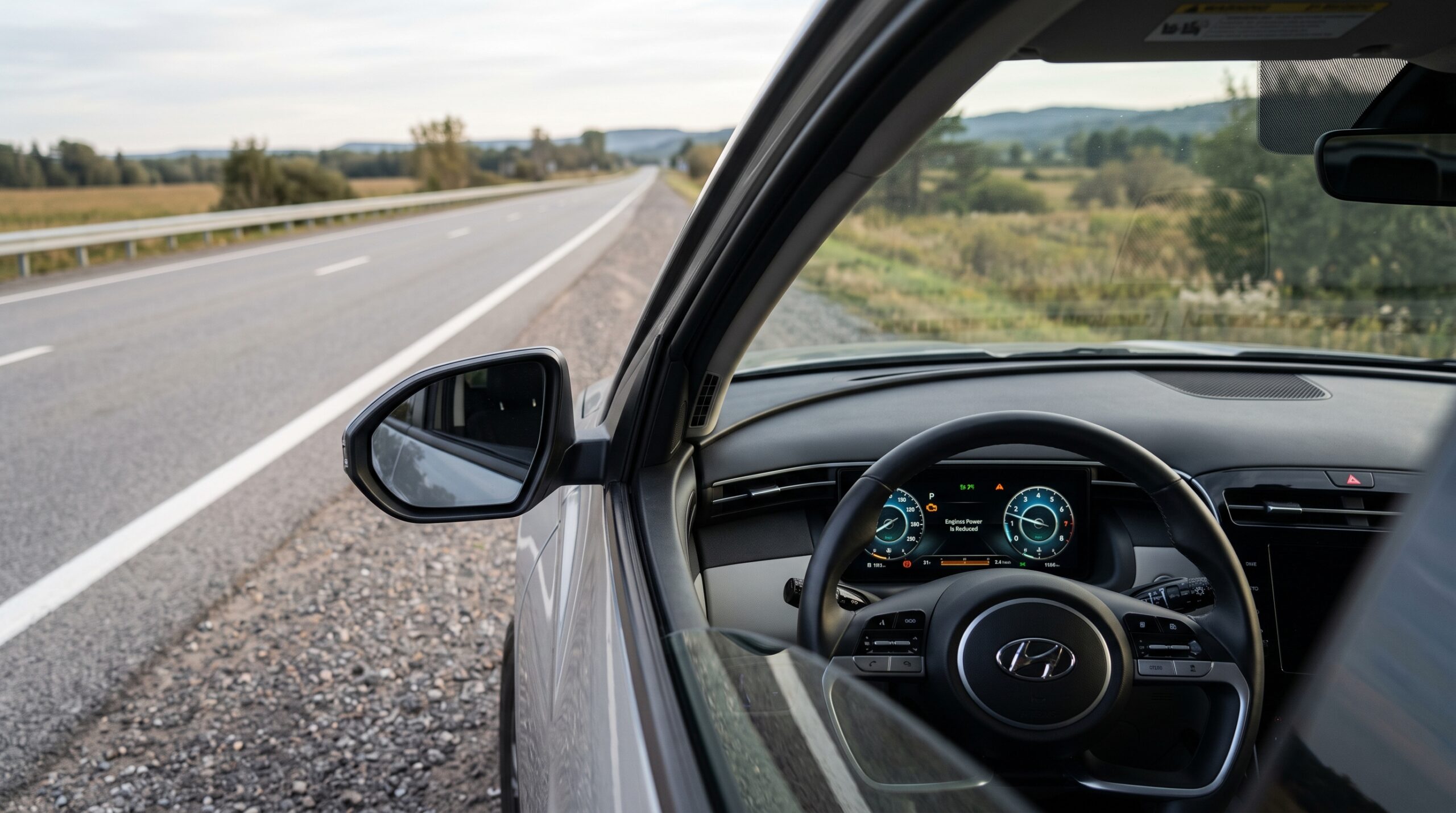
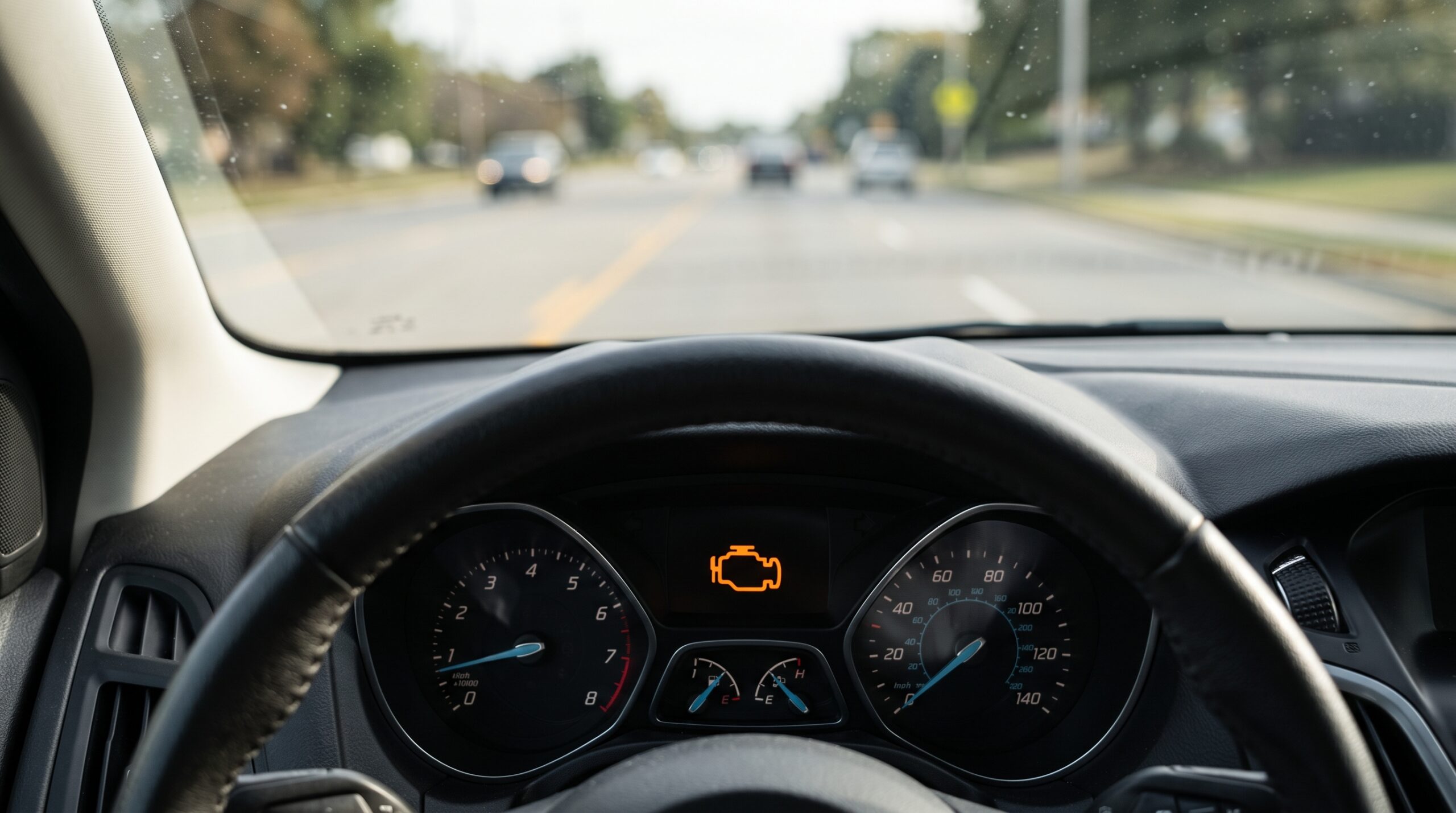
If you see a Reduced Engine Power warning on your dashboard, you may wonder how far you can drive before your car needs repair. The answer depends on what caused the warning, how well the engine runs, and whether other warning signs are present.
In some cases, you may be able to drive a short distance to a nearby repair shop. In other cases, you should stop as soon as it is safe and arrange for a tow. There is no fixed distance that is safe for every vehicle.
When asking how far can I drive with reduced engine power, remember that a car may still move even when it has a serious fault. The warning often means the engine control system has limited performance to protect the engine or help prevent unsafe operation.
For example, a faulty sensor may trigger reduced power without causing immediate engine damage. However, overheating, a serious electrical fault, or a flashing check engine light may point to a more urgent problem.
The safest rule is simple: If your car runs smoothly, has normal engine temperature, and shows no other serious symptoms, a very short trip to a nearby repair shop may be possible. If the engine overheats, the car shakes badly, smoke appears, or acceleration becomes unsafe, stop driving and request roadside assistance.
This guide explains what the warning means, what causes it, how to respond, and when driving further is not worth the risk.
What Does Reduced Engine Power Mean?
Reduced engine power is a protective mode that limits how much power your engine can produce. It is also called limp mode on some vehicles, although the exact terms and behavior vary by make and model.
Modern cars use electronic systems to control engine performance. Sensors measure things such as accelerator pedal position, airflow, engine temperature, and throttle position. The engine control module, or ECM, uses this information to manage how the engine runs.
When the system detects a fault that affects safe or reliable operation, it may limit engine power.
You may notice that your car accelerates slowly, struggles to climb hills, or cannot reach its normal speed. In some cases, the engine may not respond properly when you press the accelerator.
The warning does not identify one specific failed part. It tells you that the vehicle has detected a problem that needs attention.
If you are wondering how far can I drive with reduced engine power, the first step is to identify any other symptoms and warning lights. A diagnostic scan can then help narrow down the cause.
Common Signs of Reduced Engine Power
The symptoms can vary from one vehicle to another. Common signs include:
-
Slow acceleration: The car takes longer than normal to gain speed.
-
Limited engine speed: The engine may not rev beyond a certain point.
-
Poor throttle response: Pressing the accelerator produces little or delayed response.
-
Reduced vehicle speed: The car may struggle to maintain speed, especially uphill.
-
Dashboard warning lights: You may see a reduced power message, a check engine light, or another warning.
-
Rough engine operation: The engine may shake, idle unevenly, or hesitate.
-
Limited driving modes: Some vehicles may disable cruise control or certain performance features.
Not every vehicle will show all these signs. Some cars enter reduced power mode while still running smoothly, while others may have noticeable drivability problems.
Pay attention to when the warning appears. If it happens during acceleration, after starting the car, or when the engine becomes hot, that information may help a mechanic find the fault.
How Far Can I Drive With Reduced Engine Power?
There is no universal safe driving distance when the reduced engine power warning appears. The answer may be a short trip to a repair shop, or it may be no further than the distance needed to reach a safe stopping place.
The underlying fault matters more than the number of miles on the road.
Consider these examples:
| Situation | Recommended action |
|---|---|
| Warning appears, but the engine temperature is normal and the car runs smoothly | Consider a very short trip to a nearby repair shop if the owner’s manual permits it |
| Car accelerates poorly or struggles to keep up with traffic | Pull over safely and arrange professional assistance if driving is unsafe |
| Engine temperature is too high | Stop safely and shut off the engine |
| Check engine light flashes or the engine shakes severely | Stop driving as soon as it is safe and arrange a tow |
| Smoke, a burning smell, or unusual mechanical noise appears | Stop safely and request assistance |
These are general guidelines, not a guarantee that a vehicle is safe to drive. Your owner’s manual may provide model-specific instructions that take priority.
Can You Drive a Few Miles With Reduced Engine Power?
Sometimes, yes. A few miles may be manageable when the warning is caused by a less severe sensor or throttle-control issue and the car remains stable. However, you cannot confirm that from the dashboard message alone.
Before considering a short trip, check the following:
-
The engine temperature is within its normal range.
-
There is no smoke or burning smell.
-
The engine is not shaking or making unusual noises.
-
The brakes and steering work normally.
-
The car can accelerate enough to move safely with traffic.
-
No warning in the owner’s manual instructs you to stop immediately.
If all these conditions are met, a short, low-speed trip to a nearby repair shop may be reasonable. Avoid busy roads, steep hills, and routes where you must accelerate quickly.
If you cannot safely keep up with traffic, do not continue just because the repair shop is close.
For drivers asking how far can I drive with reduced engine power, the important point is that a short distance is not automatically a safe distance. The condition of the vehicle must guide your decision.
Can You Drive for Hours With Reduced Engine Power?
Driving for hours with this warning is not recommended.
Even if the vehicle continues running, the fault may worsen during a long trip. You may also have limited acceleration when merging, passing another vehicle, or climbing a hill.
A long journey can create additional problems:
-
The engine may lose more power.
-
A fault may become worse as the engine heats up.
-
The vehicle may become difficult to control in heavy traffic.
-
A charging or cooling system problem may leave you stranded.
-
Continued operation may cause more expensive damage, depending on the fault.
For example, a vehicle with a failing cooling system may seem normal at first. After driving for some time, the temperature can rise and create a serious engine risk.
Do not use a successful five-minute drive as proof that the car can safely complete a two-hour journey. Have the fault diagnosed before planning a long trip.
Is It Safe to Drive on the Highway?
Driving on a highway with reduced engine power can be dangerous because highways often require strong acceleration and steady speeds.
If your car cannot accelerate normally, you may struggle to merge into traffic or move away from a hazardous situation. A sudden loss of power can also create a risk for other drivers.
If the warning appears while you are on the highway:
-
Stay calm and avoid sudden steering or braking.
-
Turn on your hazard lights if your vehicle is slowing significantly.
-
Move toward a safe shoulder or designated stopping area when possible.
-
Avoid stopping in a live traffic lane unless an immediate danger leaves no safer option.
-
Once safely stopped, follow your vehicle’s manual and contact roadside assistance if needed.
Do not attempt to drive at highway speed simply to reach a repair shop. If your car cannot maintain a safe speed, arrange a tow.
What Causes the Reduced Engine Power Warning?
Several problems can cause a reduced engine power message. The same warning can appear for different reasons, so guessing which part has failed can lead to unnecessary repairs.
The engine control module may limit power when sensor readings conflict, an electronic throttle system fails, the engine overheats, or the electrical supply becomes unstable.
Here are some common causes.
Faulty Throttle Body
The throttle body controls the amount of air that enters the engine. In many modern vehicles, an electronic motor adjusts the throttle plate in response to the accelerator pedal.
If the throttle body becomes dirty, sticks, or develops an electrical fault, the engine may not respond as expected.
Possible symptoms include:
-
Slow or uneven acceleration
-
Rough idling
-
Poor throttle response
-
A reduced engine power message
-
A check engine light
Not every throttle problem requires a complete replacement. Depending on the vehicle and fault, cleaning, wiring repairs, or a replacement part may be needed.
Do not assume that the throttle body is faulty just because the warning appears. A diagnostic scan and proper testing can help identify the actual cause.
Accelerator Pedal Position Sensor Problems
Modern vehicles often use electronic signals instead of a direct mechanical cable to connect the accelerator pedal to the throttle.
An accelerator pedal position sensor measures how far the pedal is pressed. The engine control module uses this information to determine the requested engine power.
If the sensor sends incorrect or inconsistent signals, the computer may limit acceleration.
You may notice a delay when pressing the pedal or little change in engine speed even when you press it further.
The problem may come from the sensor, its wiring, an electrical connector, or another part of the electronic throttle system.
Because accelerator control affects safe vehicle operation, professional diagnosis is advisable if the pedal response becomes unpredictable.
Bad Mass Airflow Sensor
The mass airflow sensor, often called the MAF sensor, measures the amount of air entering the engine.
The engine computer uses this reading to help calculate the correct fuel supply. If the reading is incorrect, the engine may run poorly.
Possible symptoms include:
-
Hesitation during acceleration
-
Rough idling
-
Poor fuel economy
-
Difficulty starting
-
A check engine light
-
Reduced engine performance
A dirty or faulty MAF sensor is one possible cause, but air leaks, damaged wiring, and other engine problems can produce similar symptoms.
Replacing the sensor without testing it first may not solve the issue.
Wiring or Electrical Problems
Modern vehicles depend on electrical connections to communicate between sensors, control modules, and other parts.
Damaged wires, loose connectors, corrosion, or poor grounding can cause incorrect readings or interrupt communication.
Electrical problems may be more noticeable when the vehicle moves over bumps or when moisture affects a connection. However, these signs are not enough to confirm the cause.
A mechanic may need to inspect wiring diagrams, test electrical signals, and check stored diagnostic codes.
If reduced power appears together with several unrelated dashboard warnings, an electrical or communication issue may be worth investigating.
Engine Overheating
Engine overheating is one of the most serious possible causes of reduced engine power.
The cooling system helps keep the engine within a safe operating temperature. If coolant is low, a leak develops, a cooling fan fails, or another cooling component stops working, engine temperature may rise.
Some vehicles limit engine power to help protect the engine from heat-related damage.
Warning signs can include:
-
A temperature gauge above its normal range
-
An engine temperature warning
-
Steam from under the hood
-
A coolant warning light
-
A noticeable loss of engine performance
If the engine overheats, stop in a safe place and switch it off. Do not continue driving to see whether the temperature returns to normal.
Never remove a hot radiator cap or coolant reservoir cap. The cooling system may be under pressure, and hot coolant can cause serious burns.
Wait for the engine to cool completely before checking coolant levels, and follow the owner’s manual. If the temperature warning persists or coolant is leaking, arrange professional assistance.
Low Battery Voltage or Charging System Issues
The battery and charging system supply power to the vehicle’s electronic components.
A weak battery, failing alternator, loose battery terminal, or poor ground connection may cause unstable voltage. On some vehicles, this can affect engine controls and trigger a reduced power warning.
Possible signs include:
-
Slow engine cranking
-
Difficulty starting
-
Flickering dashboard lights
-
Several warning lights appearing together
-
Electrical accessories behaving unusually
A weak battery does not always cause reduced engine power, and the warning does not automatically mean the battery needs replacement.
A battery and charging-system test can help determine whether voltage is the cause. If the alternator is failing, the vehicle may eventually stall when the battery can no longer supply enough power.
When Should You Stop Driving Immediately?
The reduced engine power warning deserves attention, but certain accompanying symptoms make the situation more urgent.
If you notice any of the following signs, prioritize a safe stop over reaching your destination.
Flashing Check Engine Light
A flashing check engine light can indicate an active engine misfire. In some cases, continued driving can damage the catalytic converter or cause further engine problems.
If the light flashes while the engine runs roughly or loses power, reduce demand on the engine, move to a safe stopping place, and arrange assistance.
Do not keep driving simply because the vehicle still moves.
A steady check engine light may indicate a less urgent fault, but the reduced power warning still needs diagnosis. The meaning depends on the vehicle and the symptoms.
High Engine Temperature
If the temperature gauge enters the danger zone or a high-temperature warning appears, stop driving as soon as you can do so safely.How Far Can I Drive With Reduced Engine Power
Continuing to run an overheating engine may damage components such as the cylinder head gasket or engine internals.How Far Can I Drive With Reduced Engine Power
Once stopped, switch off the engine and allow it to cool. Do not open the cooling system while it is hot.
If coolant is leaking, the temperature remains high, or the warning returns, have the vehicle towed.
Smoke, Burning Smells, or Unusual Noises
Smoke, a strong burning smell, knocking, or grinding may point to a serious mechanical or electrical problem.
Different smells and sounds can have different causes, so they should not be used alone to diagnose a fault. However, they are important warning signs when combined with reduced engine power.
Pull over safely and switch off the engine. If you see flames or suspect a fire, move away from the vehicle and contact local emergency services.
Do not continue driving to find out whether the noise or smell goes away.
Severe Loss of Power or Unsafe Acceleration
Your vehicle needs enough power to move safely with traffic. If the accelerator barely responds, the engine repeatedly stalls, or the car cannot maintain a safe speed, continuing can put you and other road users at risk.
Move out of traffic when safe. If the vehicle cannot reach a safe stopping area under its own power, follow local road-safety procedures and request roadside assistance.
In this situation, the answer to how far can I drive with reduced engine power is simple: do not attempt a normal journey. Only move as far as necessary to reach a safer position, if the vehicle can do so safely.
What Should You Do When Reduced Engine Power Appears?
The right response can help you avoid further damage and reduce the risk of getting stranded.
Follow these steps when the warning appears.
Find a Safe Place to Pull Over
First, look for a safe place to stop. If the vehicle still responds normally enough to move safely, leave the flow of traffic and use a parking area or suitable shoulder.
Turn on your hazard lights if your car is moving slowly or creating a hazard for other drivers.
Avoid hard acceleration. Do not repeatedly press the accelerator to test whether the power has returned.
Once you are safely stopped, apply the parking brake and follow the instructions in your owner’s manual.
If the car loses power suddenly in a dangerous location, focus on reaching safety rather than trying to diagnose the engine while moving.
Check the Dashboard for Other Warning Lights
Look for additional warning lights or messages. These can help you understand how urgent the problem may be.
For example:
-
Temperature warning: The engine may be overheating.
-
Oil pressure warning: Stop the engine as soon as it is safe. Low oil pressure can cause severe engine damage.
-
Battery warning: The charging system may not be working properly.How Far Can I Drive With Reduced Engine Power
-
Flashing check engine light: An active misfire may be damaging the emissions system.
-
Brake warning: There may be a brake system issue that needs immediate attention.
Check your owner’s manual for the exact meaning of each warning. Different vehicle models may use different symbols and messages.
Do not assume the reduced engine power message is the only problem simply because it appeared first.
Let the Engine Cool if It Is Overheating
If the temperature is too high, stop safely and switch off the engine.
Allow it to cool completely before checking the coolant level. Never open a hot radiator cap or pressurized coolant reservoir.
Once the engine is cool, you may check the coolant level if the owner’s manual explains how to do so safely. Look for visible leaks without touching hot components.
If the coolant is low, adding the correct coolant may be appropriate in some situations, but it does not fix the cause of the loss. A leak or failed cooling component may still make driving unsafe.
If the engine overheated significantly, do not restart it just to see whether it works. Arrange a professional inspection or tow.

Scan the Vehicle for Diagnostic Trouble Codes
An OBD-II scanner can read diagnostic trouble codes stored by the vehicle’s control systems.
These codes may point toward a problem with the throttle system, accelerator pedal sensor, airflow sensor, electrical circuit, or another component.
A code is a starting point, not a final diagnosis. For example, a sensor-related code may result from damaged wiring or a poor connection rather than a failed sensor.
Write down the codes before clearing them. If possible, record the exact warning message and the conditions under which it appeared.
Avoid clearing codes simply to turn off the warning. Doing so may remove useful diagnostic information without fixing the problem.
Contact a Mechanic or Roadside Assistance
If the cause is unclear, the vehicle has severe symptoms, or you are unsure whether it is safe to drive, contact a mechanic or roadside assistance service.
Tell them:
-
The exact dashboard message
-
Whether the check engine light is steady or flashing
-
Whether the engine is overheating
-
Whether the vehicle shakes, stalls, or makes unusual noises
-
Whether the problem began suddenly or developed over time
-
Any diagnostic trouble codes you have recorded
This information can help the mechanic assess the urgency of the problem.
If the car cannot accelerate safely, has a serious warning light, or shows signs of overheating, ask for a tow rather than trying to reach the workshop yourself.
Can You Fix Reduced Engine Power Yourself?
Some basic checks are suitable for vehicle owners, provided they can be done safely and the owner’s manual permits them.How Far Can I Drive With Reduced Engine Power
However, reduced engine power can have many causes. It is best to identify the fault before replacing any parts.
If you are unfamiliar with vehicle repairs, leave electrical testing, throttle-system repairs, and other complex work to a qualified mechanic.How Far Can I Drive With Reduced Engine Power
Check the Battery and Electrical Connections
With the engine switched off, look at the battery terminals for obvious looseness or corrosion.
Do not touch exposed wires, bridge electrical terminals, or disconnect the battery without checking the manufacturer’s instructions. Some vehicles require special procedures after the battery is disconnected.
A visual check cannot confirm whether the battery or alternator is working correctly. A proper test may be needed to measure battery condition and charging voltage.
If you see damaged cables, melted insulation, or signs of overheating, avoid further handling and arrange professional help.
Inspect the Air Intake for Loose Connections
With the engine switched off and cool, look at the visible air intake hose and air filter housing.
Check for obvious signs such as:
-
A hose that has come loose
-
Cracks in the intake duct
-
A damaged air filter housing
-
A connector that appears disconnected
A loose intake hose can allow unmetered air into the engine on some vehicles. This may affect performance and trigger warning lights.
Do not reach near moving engine parts or hot surfaces. If the intake system appears damaged, have it inspected before driving further.
Use an OBD-II Scanner to Read Error Codes
An OBD-II scanner is a useful tool for reading stored diagnostic trouble codes on compatible vehicles.
To use one, follow the scanner instructions and the vehicle manufacturer’s guidance. Most compatible vehicles have a diagnostic connector under the dashboard, but its exact location varies.
Record the codes and any descriptions shown by the scanner. Some scanners also display live sensor readings, which can help a trained technician investigate the problem.
For example, a code related to throttle position may direct attention to the electronic throttle system. It does not automatically prove that the throttle body needs replacing.
If the code description is unclear, share the code with a qualified mechanic.
Important: Reading codes is different from repairing the fault. If the car has serious symptoms, do not keep driving while you research possible causes.How Far Can I Drive With Reduced Engine Power
Should You Restart the Car?
In some cases, switching the ignition off and restarting the vehicle may temporarily clear a reduced power condition. This can happen when a fault is intermittent.
However, a warning that disappears after restarting does not prove the problem has been fixed.
If the message returns, the engine still lacks power, or other warning signs remain, arrange a diagnostic check. Do not repeatedly restart the car to bypass a protective mode.
How Much Does It Cost to Fix Reduced Engine Power?
Repair costs vary by vehicle make, model, year, location, labor rate, and the actual cause of the warning.
A basic diagnostic check may cost much less than replacing an electronic throttle body or repairing damaged wiring. Some faults require only a simple repair, while others need specialist testing and more extensive work.
The following table gives broad illustrative estimates in US dollars. They are not live quotes or guaranteed prices.
| Repair or service | Illustrative cost (USD) |
|---|---|
| Basic diagnostic scan or inspection | $50–$150 |
| Battery replacement | $100–$300 |
| Sensor replacement | $100–$400 |
| Throttle body cleaning or service | $75–$250 |
| Throttle body replacement | $250–$800 or more |
| Wiring or connector repair | $100–$500 or more |
| Cooling system repair | $100–$1,000 or more |
Actual costs can fall outside these ranges. A simple sensor replacement may be inexpensive on one model and much more costly on another. Major engine damage can cost far more than routine repairs.
If you live in Bangladesh, local parts availability, imported component prices, and workshop labor rates will affect the final amount. Ask for a quote in Bangladeshi taka before approving the work.
What Affects the Repair Cost?
Several factors determine the final bill.
The cause of the warning: A loose connector may be inexpensive to repair, while a failed electronic throttle assembly may cost much more.How Far Can I Drive With Reduced Engine Power
Vehicle design: Some vehicles have easier access to components than others. Certain models may require specialized tools or procedures.
Diagnostic time: An intermittent electrical fault may take longer to locate than an obvious damaged hose.
Parts quality: Genuine, aftermarket, and refurbished parts can have different prices and levels of suitability.
Additional damage: If the vehicle has overheated or continued running with a serious fault, other components may also need repair.
How Can You Avoid Unnecessary Repair Costs?
Ask the mechanic to explain the diagnostic findings before approving parts replacement.
A good repair process generally includes reading trouble codes, checking related wiring and connectors, testing the suspected component, and confirming that the repair resolves the fault.
Ask whether the estimate includes diagnostic labor, replacement parts, installation, and any follow-up testing.
Avoid replacing several sensors based only on a dashboard message. The goal is to repair the cause, not simply turn off the warning light.
How Can You Prevent Reduced Engine Power Problems?
Not every reduced engine power fault can be prevented. Sensors, electronic components, and wiring can fail even when a vehicle receives proper care.
However, regular maintenance can reduce the risk of some common problems and help you detect faults earlier.
Follow the Vehicle’s Maintenance Schedule
Use the maintenance schedule in your owner’s manual.
Keep up with recommended oil changes, air filter service, spark plug replacement, and other maintenance appropriate for your vehicle.
Regular servicing can help identify worn parts, leaks, and other issues before they become more serious.How Far Can I Drive With Reduced Engine Power
Do not follow a generic maintenance interval if your manufacturer specifies a different schedule for your model.
Keep the Battery and Charging System in Good Condition
Have the battery tested if starting becomes slow or electrical warnings appear.
Keep battery terminals secure and ensure the charging system is working properly. If you notice flickering lights or repeated battery problems, have the electrical system checked.
A battery that repeatedly loses charge may have an underlying problem that needs repair.
Address Warning Lights Promptly
Do not ignore a reduced engine power message, a check engine light, or an abnormal temperature reading.
Early diagnosis may prevent a small issue from becoming more expensive. It can also help you avoid driving a vehicle that cannot accelerate safely.
Record the warning message and any symptoms. This can make diagnosis easier when you visit a repair shop.
Maintain the Cooling and Air Intake Systems
Check coolant levels according to the owner’s manual and inspect for visible leaks when the engine is cool.
Replace the air filter at the recommended interval. Look for obvious damage to visible intake hoses during routine maintenance.
Use the correct coolant and replacement parts for your vehicle. Incorrect fluids or poorly fitted components can create new problems.How Far Can I Drive With Reduced Engine Power
Use the Correct Replacement Parts
Modern engine management systems can be sensitive to component compatibility.
When a sensor, throttle body, or electrical part needs replacement, use a component that meets the manufacturer’s specifications.
A low-cost part that is incompatible with your vehicle may cause poor performance, recurring warning lights, or additional diagnostic work.
Keep service records so that future technicians can see what has already been repaired.
Frequently Asked Questions
Can I drive with reduced engine power for 50 miles?
Driving 50 miles with reduced engine power is not recommended without identifying the cause. Some faults may allow the car to keep running, but others can cause engine damage or make acceleration unsafe.
If the vehicle is overheating, shaking badly, showing a flashing check engine light, or losing power severely, stop safely and arrange a tow.
Even if the car seems normal, a 50-mile journey is much longer than a short trip to a nearby repair shop. Have the fault diagnosed before attempting it.
Will reduced engine power damage my engine?
Reduced engine power does not always mean the engine is being damaged. In some vehicles, the system limits performance to protect the engine or prevent further problems.
However, the underlying fault may still cause damage if you continue driving.
For example, overheating can cause serious engine damage, while some sensor faults may mainly affect performance. The risk depends on the cause.
Treat the warning seriously and have the vehicle checked as soon as possible.
Can low oil cause reduced engine power?
Low engine oil can contribute to poor engine performance or trigger protective behavior in some vehicles, depending on the engine design and the resulting fault.
However, low oil does not directly explain every reduced engine power warning.
If the oil pressure warning appears, stop the engine as soon as it is safe. Running an engine with low oil pressure can cause severe damage.How Far Can I Drive With Reduced Engine Power
Once the engine is off and the vehicle is parked safely, check the oil level according to the owner’s manual. Add the correct oil if needed, but do not restart the engine if the oil pressure warning remains or a serious leak is present. Arrange professional assistance.
Will restarting my car fix reduced engine power?
Restarting may temporarily clear the warning if the fault is intermittent. However, it will not repair a faulty sensor, damaged wire, overheating problem, or defective throttle component.
If the warning returns, the problem needs further investigation.
Do not rely on restarting as a long-term solution. If the car has severe symptoms or another serious warning light, avoid restarting it until you have received appropriate guidance.
Does reduced engine power mean my transmission is bad?
No. A reduced engine power warning does not automatically mean the transmission is failing.
The warning often relates to engine management, electronic throttle control, sensors, or electrical problems. However, certain transmission faults can also affect vehicle performance or trigger a protective operating mode.
If the vehicle struggles to change gears, slips out of gear, makes unusual transmission noises, or displays a transmission warning, have the transmission system checked as well.
A diagnostic scan and proper testing can help distinguish an engine problem from a transmission problem.
Can a bad battery trigger reduced engine power?
Yes, a weak battery or charging system problem can contribute to reduced engine power on some vehicles.
Low or unstable voltage may interfere with electronic control systems and produce warning lights. However, a bad battery is only one possible cause.How Far Can I Drive With Reduced Engine Power
A battery test and charging-system inspection can help determine whether the electrical supply is responsible.
Do not replace the battery based only on the reduced engine power message. Other faults may produce the same warning.
Does reduced engine power mean my car will stop running?
Not necessarily. Some vehicles continue to run in a limited-power mode, while others may stall or become difficult to drive.
The outcome depends on the underlying fault and how the vehicle responds to it.
Do not assume that the engine will keep running just because it has not stopped yet. If the car loses power suddenly, cannot accelerate safely, or shows signs of a serious mechanical problem, stop safely and arrange assistance.
Can I drive if the reduced engine power warning disappears?
A warning that disappears does not necessarily mean the problem is fixed. Some faults occur only under certain conditions, such as when the engine is hot or the vehicle is accelerating.
Check whether the warning returns and whether the vehicle shows any unusual symptoms. A diagnostic scan may reveal stored trouble codes even when the message is no longer displayed.
Arrange an inspection, especially if the warning has appeared more than once or the car has lost power.How Far Can I Drive With Reduced Engine Power
Final Thoughts: How Far Is Safe to Drive?
So, how far can I drive with reduced engine power? There is no single distance that applies to every vehicle. The safe choice depends on the cause of the warning, the severity of the symptoms, and the condition of the car.
If the engine temperature is normal, the car runs smoothly, and no serious warning signs are present, a very short trip to a nearby repair shop may be possible. Follow your owner’s manual and avoid driving if the vehicle cannot accelerate safely.
If you notice overheating, a flashing check engine light, smoke, burning smells, severe shaking, or a major loss of power, stop driving as soon as it is safe and arrange a tow.
The bottom line: Do not measure the risk in miles alone. Identify the problem, protect your engine, and put your safety first. A prompt diagnosis can help prevent further damage and get your vehicle back to normal operation.