Our Blogs
How Much Is a New Engine for a Car? Cost Guide

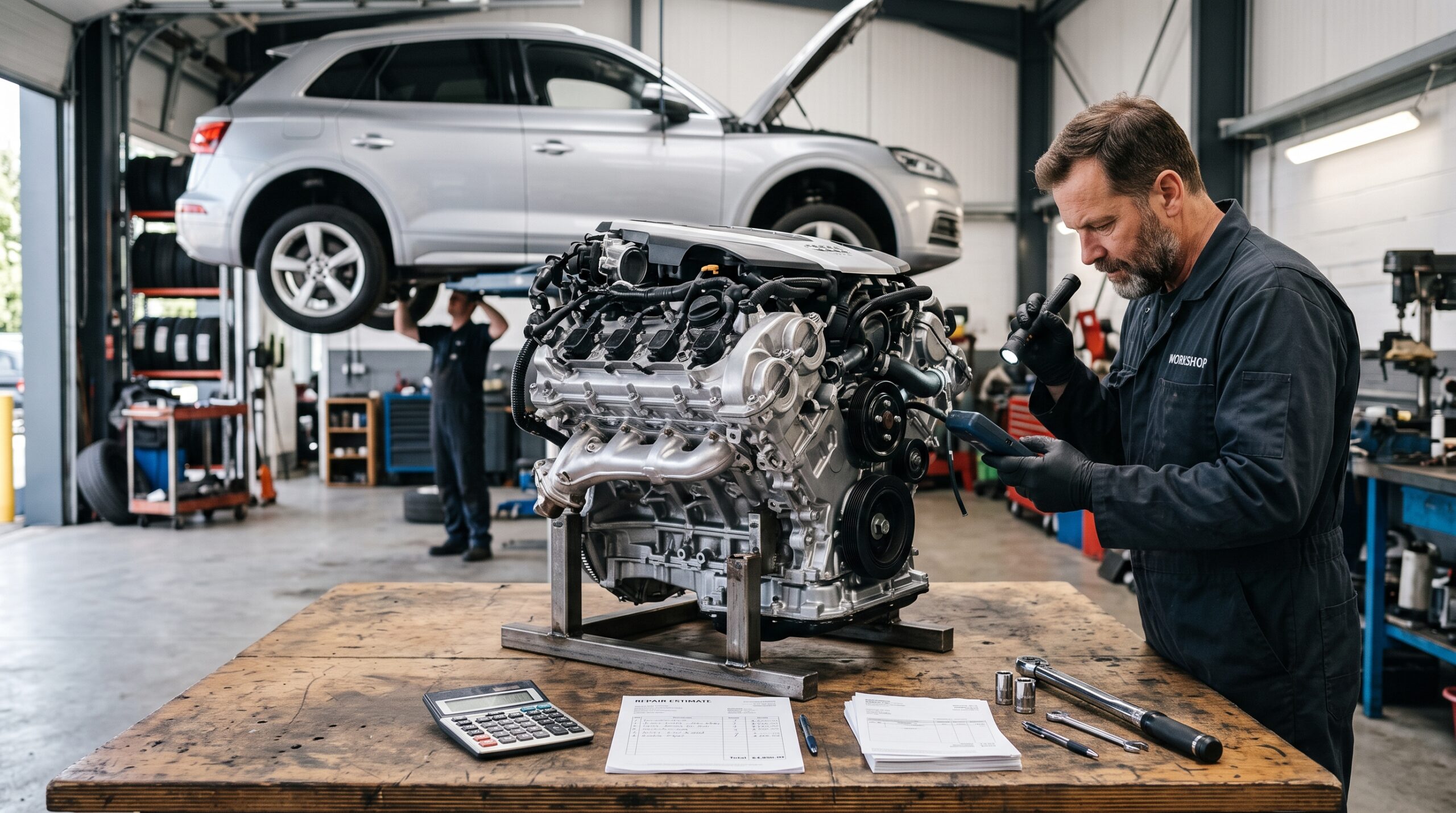
Replacing a car engine is one of the most expensive repairs a vehicle owner can face. The total cost can range from a few thousand dollars to more than $15,000, depending on the vehicle, engine type, parts, and labor. Luxury cars and high-performance vehicles can cost even more.
So, how much is a new engine for a car? For many common vehicles in the United States, a reasonable planning estimate is around $4,000 to $10,000 for an engine replacement, including parts and labor. However, this is only a broad estimate. Some small cars may cost less, while large trucks, luxury vehicles, and complex hybrid models may cost significantly more.
The price also depends on whether you choose a brand-new engine, a used engine, or a remanufactured engine. A used engine may reduce your initial bill, while a new or remanufactured engine may offer better documentation and warranty options.
Before making a decision, you should understand the full replacement cost, compare repair options, and consider the value of your current car.
This guide explains engine prices, labor charges, replacement options, insurance coverage, and practical ways to avoid unnecessary expenses.
How Much Does a New Car Engine Cost?
The cost of a new car engine depends on the engine itself and the work required to install it. The price of the engine is only one part of the final bill.
A complete replacement estimate may include the engine, labor, fluids, gaskets, filters, diagnostic tests, and other parts needed to return the vehicle to proper working condition.
Average Cost of a New Engine
A genuine new engine purchased through a manufacturer or authorized supplier can be expensive. In some cases, a replacement engine may cost several thousand dollars before installation begins.
The following figures are general budgeting estimates for the US market, not fixed prices or live supplier quotes.
| Engine replacement option | Estimated engine price | Estimated total with installation |
|---|---|---|
| Used engine | $500–$3,000 | $1,500–$5,000 |
| Remanufactured engine | $2,000–$5,000 | $4,000–$8,000 |
| Brand-new engine | $3,000–$8,000+ | $5,000–$12,000+ |
| High-performance engine | $5,000–$15,000+ | $7,000–$20,000+ |
Actual prices can fall outside these ranges. Rare engines, specialized labor, expensive electronic systems, and extensive additional repairs can increase the total.
When asking how much is a new engine for a car, make sure you know what the supplier means by “new.” Some sellers advertise replacement engines that are remanufactured or rebuilt rather than factory-new.
Ask for the engine’s condition, manufacturer, part number, warranty, and included components before paying.
Cost of a New Engine by Vehicle Type
Different vehicles use different engines, and their replacement costs can vary widely.
Compact cars
Small cars often have four-cylinder engines. These engines are generally less expensive than large truck or performance engines, although availability and vehicle design still matter.
A used-engine replacement may cost around $1,500 to $4,000, while a new-engine installation may cost $4,000 to $8,000 or more.
Sedans
Family sedans may use four-cylinder, turbocharged four-cylinder, or V6 engines. A common sedan can be less expensive to repair than a luxury model with specialized parts.
A reasonable preliminary budget is $3,000 to $8,000 for many replacement jobs, but the exact price depends on the model and engine source.
SUVs and trucks
SUVs and pickup trucks may have larger engines, heavier components, and more demanding installation requirements. Some models also have turbochargers or advanced emissions systems.
Depending on the engine and vehicle, replacement may cost $4,000 to $12,000 or more.
Luxury and sports cars
Luxury vehicles and sports cars may require specialized engines, electronic components, or manufacturer-specific programming. High-performance V8 engines and other specialized powertrains can be particularly expensive.
Total replacement costs can exceed $10,000 and may reach $20,000 or more for certain vehicles.
These examples show why there is no single answer to how much is a new engine for a car. Your vehicle’s exact year, make, model, and engine configuration are essential for an accurate estimate.
New Engine vs. Remanufactured Engine Cost
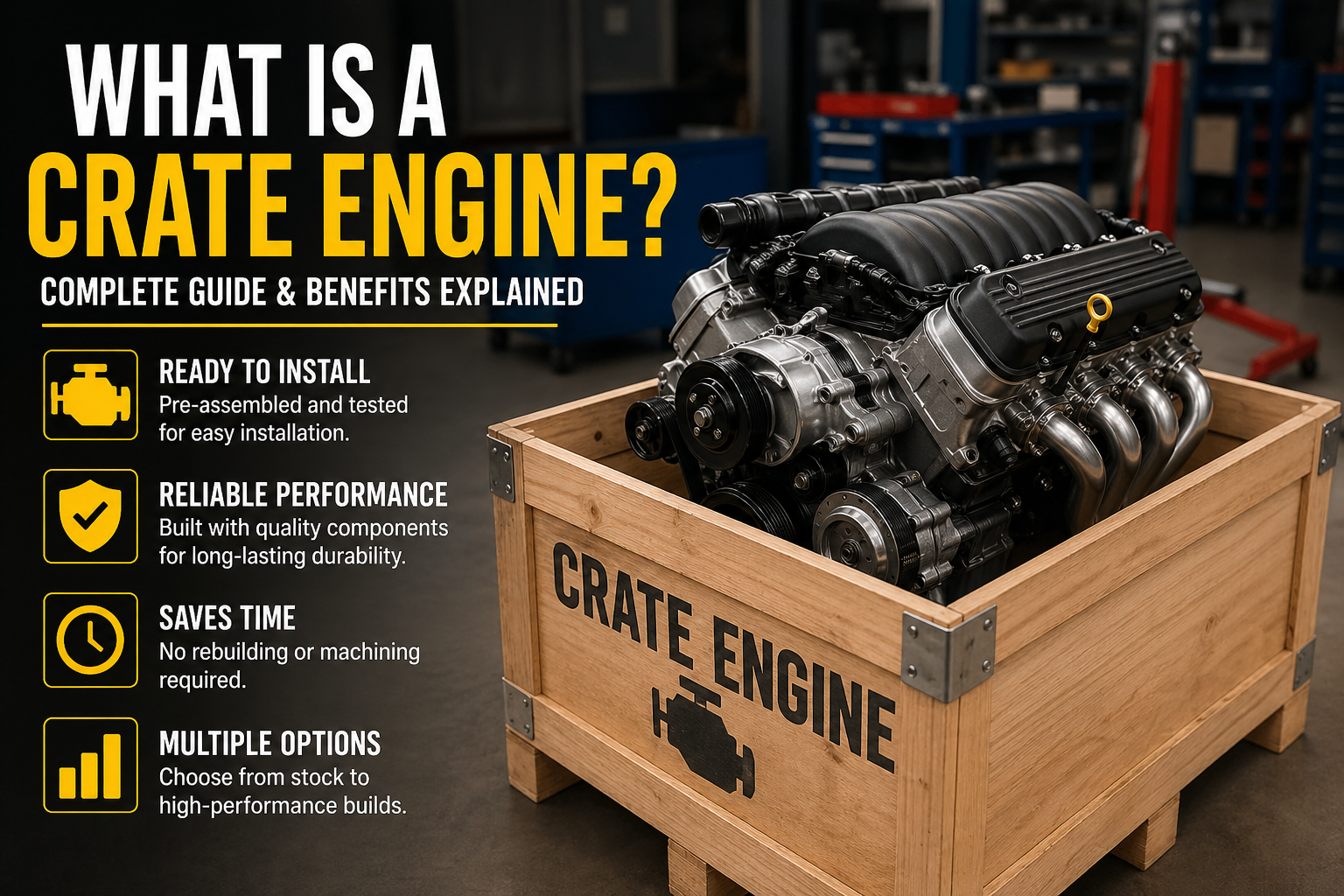
A brand-new engine is not the same as a remanufactured engine.
A new engine generally refers to an engine manufactured as new, rather than rebuilt from previously used components. It may come from the original vehicle manufacturer or another supplier.
A remanufactured engine has been disassembled and restored according to a defined process. Worn parts are replaced, and important components are inspected and tested.
A used engine is removed from another vehicle and sold for reuse. Its history, mileage, and condition may vary.
Each option has different benefits.
- New engines can offer a fresh starting point and manufacturer-backed warranty options.
- Remanufactured engines can balance cost, quality control, and warranty coverage.
- Used engines often have the lowest upfront price, but their remaining service life may be less certain.
Do not compare prices alone. Review warranty length, labor coverage, return policies, mileage records, and the seller’s reputation before choosing an engine.
What Factors Affect the Cost of a New Car Engine?
Several factors determine the final replacement bill. Two cars that look similar may have very different engine prices because their designs, parts, and labor requirements differ.
Vehicle Make and Model
Your vehicle’s make and model have a major effect on engine replacement costs.
Popular vehicles often have better parts availability. This can make it easier to find a compatible engine at a reasonable price. Older or uncommon models may require special orders, which can increase costs and waiting times.
Luxury brands may use specialized engines, electronic controls, and manufacturer-specific components. These features can increase both parts prices and installation time.
For example, replacing an engine in a common compact sedan may cost less than replacing one in a luxury SUV with a complex turbocharged engine.
The vehicle’s model year also matters. An engine from an older model may be cheaper, but it must still match the vehicle’s specifications. An engine that looks similar may not work correctly with the original transmission or electronic control system.
Before buying, confirm the engine code and compatibility with your vehicle identification number, commonly called the VIN.
Engine Size and Type
Engine design affects both the purchase price and installation cost.
Four-cylinder engines: These are common in compact cars and family sedans. They often have fewer major components than larger engines, although some modern turbocharged versions are complex.
V6 engines: These engines have six cylinders and are common in SUVs, sedans, and pickup trucks. Their prices vary by design, displacement, and availability.
V8 engines: V8 engines are found in some trucks, large SUVs, luxury vehicles, and sports cars. Their size and performance features can increase the price.
Turbocharged engines: A turbocharger forces more air into the engine to improve power. Replacing the engine may also require inspection or replacement of the turbocharger, oil lines, intercooler, and related components.
Hybrid engines: Hybrid vehicles combine an internal combustion engine with an electric motor and battery system. Engine replacement may require specialized knowledge, diagnostics, and safety procedures.
Electric vehicles do not have conventional gasoline engines. They use electric motors and battery systems, so their repair costs must be assessed differently.
When comparing how much is a new engine for a car, consider the complete powertrain design rather than cylinder count alone.
Labor and Installation Costs
Engine installation is a major part of the total expense.
A mechanic may need to disconnect the battery, remove components, separate the engine from the transmission, disconnect wiring and cooling lines, and lift the old engine out of the vehicle.
The replacement engine must then be installed, connected, filled with the correct fluids, and tested.
Labor costs depend on:
- The mechanic’s hourly rate.
- The number of labor hours required.
- How easily the engine can be accessed.
- Whether the transmission or other components must be removed.
- Whether additional repairs are necessary.
- Whether special tools or software are required.
A vehicle with a difficult engine layout may require substantially more work than a model designed for easier access.
Ask the repair shop to list the estimated labor hours and hourly rate separately. This makes it easier to compare estimates from different mechanics.
Parts, Fluids, and Additional Repairs
The replacement engine may not include every part needed for installation.
Depending on the engine and its condition, additional items may include:
- Engine oil and an oil filter.
- Coolant and cooling-system components.
- Intake and exhaust gaskets.
- Hoses and belts.
- Spark plugs or other ignition components.
- Seals and mounting hardware.
- Air filters and fuel filters.
- New engine mounts, if required.
- Timing components, when inspection or service is necessary.
- Sensors, wiring, or related electronic components.
Some engines are sold as long blocks, which generally include the main engine assembly but exclude many external components. Others are sold as complete assemblies with more parts attached.
These differences can make two engine quotes difficult to compare.
For example, one supplier may offer a lower price but exclude the intake manifold, fuel system, or accessories. Another may include more components and offer a better overall value.
Ask for an itemized estimate that clearly identifies included and excluded parts.
How Much Does Engine Replacement Labor Cost?
Labor is often one of the largest parts of an engine replacement bill. Even when you find an affordable engine, installation can add several thousand dollars.
Average Labor Costs
For many conventional vehicles in the United States, engine replacement labor may cost approximately $1,000 to $3,500 or more.
The final amount depends on the vehicle, local labor rates, and the time required for the job.
For example, suppose a repair shop charges $125 per hour and estimates 18 hours of labor.
The calculation is:
18 hours × $125 = $2,250 in labor.
This amount does not include the engine, fluids, extra parts, taxes, or other fees.
If a vehicle requires 25 hours of labor at $150 per hour, the labor charge alone would be $3,750.
These examples are illustrations, not estimates for a particular car. Actual labor times should come from a qualified repair shop using the vehicle’s specifications.
When evaluating how much is a new engine for a car, never assume that the engine’s advertised price represents the final cost.
How Long Does It Take to Replace a Car Engine?
Many conventional engine replacement jobs require roughly two to five working days once the necessary parts and workshop time are available.
Some jobs take less time, while complex vehicles may require a week or longer. The total calendar time can also increase when the correct engine is difficult to find.
Several factors affect the schedule:
- Engine accessibility.
- The need to remove the transmission or subframe.
- The condition of wiring and connectors.
- Additional damage discovered during removal.
- Parts availability.
- Diagnostic testing and electronic programming.
- The repair shop’s workload.
A mechanic may finish the physical installation before the vehicle is ready for collection. The engine still needs the correct fluids, system checks, leak inspections, and operational testing.
Ask the workshop for both the estimated labor time and the expected completion date.
Dealership vs. Independent Mechanic
You can usually choose between a dealership and an independent repair shop, although some warranty or manufacturer requirements may affect your decision.
| Factor | Dealership | Independent mechanic |
|---|---|---|
| Labor rates | Often higher | May be lower |
| Vehicle-specific knowledge | Strong for its brand | Depends on experience |
| Genuine manufacturer parts | Often available | May also be available |
| Engine sourcing | Manufacturer and approved suppliers | Wider range of suppliers |
| Warranty | Depends on parts and repair terms | Depends on shop and supplier |
| Price flexibility | May be limited | May offer more options |
A dealership may be a good choice for a newer vehicle, a complex powertrain, or a repair that needs manufacturer-specific procedures.
An independent mechanic may offer a lower price and more flexibility in choosing between new, used, and remanufactured engines.
However, a lower quote is not automatically better. Ask whether the shop has experience with your specific vehicle and whether its warranty covers both parts and labor.
Is It Cheaper to Replace or Repair a Car Engine?
An engine replacement is not always necessary when a car develops a serious problem.
Some issues that seem expensive at first can be fixed by repairing an individual component. Other problems, such as severe internal damage, may make replacement a more practical choice.
A proper diagnosis can help you avoid paying for an engine you do not need.
When Engine Repair Makes Sense
Repair may be the better option when the damage is limited and the rest of the engine remains in good condition.
Examples include:
- Replacing a failed water pump.
- Repairing an external oil leak.
- Replacing a faulty sensor.
- Fixing an ignition problem.
- Repairing a damaged hose.
- Replacing a failed thermostat.
- Repairing a cylinder head when the damage and overall engine condition justify it.
The price of these repairs varies widely. A sensor replacement may cost far less than an engine rebuild, while internal repairs can still be expensive.
For example, imagine your car has a cooling-system problem that causes overheating. If the engine has not suffered serious internal damage, repairing the cooling system may be enough.
However, continuing to drive an overheating vehicle can lead to more severe damage.
Ask the mechanic to explain the diagnosis and show you why a repair or replacement is recommended. If the estimate is large, a second opinion can help.
When Engine Replacement Is the Better Choice
Replacing the engine may make sense when internal damage is severe or when the cost of repairing the existing engine approaches the cost of a suitable replacement.
Possible warning signs include:
- Severe internal knocking.
- Extensive damage to engine bearings.
- A cracked engine block.
- Major internal damage caused by overheating.
- Severe cylinder damage.
- Metal debris circulating through the lubrication system.
The correct decision depends on the extent of damage and the availability of replacement parts.
A replacement engine may also offer a more predictable repair when the original engine has multiple major failures. However, a used replacement engine can introduce its own risks, so its history and warranty matter.
Compare the total cost of repairing the original engine with the cost of installing a replacement and fixing any related problems.
When Should You Replace the Entire Car?
Sometimes replacing the vehicle is more sensible than replacing its engine.
Consider the car’s current market value, condition, mileage, and expected future repair needs.
For example, suppose your vehicle is worth $4,000 in its current condition, and an engine replacement quote is $6,000. Spending more than the car’s current value may be difficult to justify, especially if it also needs transmission or suspension repairs.
However, market value is not the only consideration. A car you already own may be cheaper to keep than buying another vehicle, particularly if the rest of it is reliable.
Use these questions to guide your decision:
- How much would the car sell for in its current condition?
- How much would it be worth after the engine replacement?
- Does the transmission work properly?
- Are the body, frame, brakes, and suspension in good condition?
- Are other expensive repairs likely soon?
- Would replacing the car require a loan or other major expense?
A useful approach is to compare the total replacement cost with the cost of purchasing a similar, reliable vehicle.
Do not spend money on an engine until you have assessed the entire car.
New vs. Used vs. Remanufactured Engines
Choosing the correct engine type can make a significant difference to your budget and peace of mind.
Benefits of Buying a New Engine
A new engine can be attractive when you want an engine that has not previously operated in a vehicle.
Potential benefits include:
- No previous operating mileage on the engine itself.
- Access to manufacturer documentation.
- Possible manufacturer-backed warranty coverage.
- A clear parts specification.
- A potentially longer service life when installed and maintained correctly.
However, new engines are often the most expensive option. Some models may have limited availability, and the engine may not include every component needed for installation.
A new engine also does not guarantee that every part of the vehicle will remain reliable. The transmission, cooling system, electronics, and other components still have their own condition and maintenance needs.
Before deciding how much is a new engine for a car, check whether a factory-new engine is actually available for your model.
Pros and Cons of a Used Engine
A used engine is removed from another vehicle and sold for reuse.
Its biggest advantage is its lower initial price. Used engines may be suitable for older cars or vehicles whose owners need to keep repair costs down.
However, used engines can have unknown wear, maintenance history, or previous overheating problems.
| Advantages | Disadvantages |
|---|---|
| Lower upfront cost | Previous wear may be unknown |
| Often easier to find for popular models | Mileage records may be incomplete |
| Can make older cars affordable to repair | Warranty may be limited |
| May be available from salvage yards | Installation may reveal hidden problems |
Before buying a used engine, ask for the donor vehicle’s details, recorded mileage, available inspection results, and warranty terms.
Check whether the supplier offers a startup warranty or a longer parts warranty. Also confirm who pays for removing and reinstalling an engine if the replacement fails.
A cheap engine can become an expensive mistake if it fails soon after installation.
Is a Remanufactured Engine Worth It?
A remanufactured engine is rebuilt through a more structured process than an ordinary used-engine sale.
The engine is disassembled, inspected, cleaned, and restored according to the remanufacturer’s procedures. Worn or damaged components are replaced, and important measurements and tolerances are checked.
The exact process varies by supplier. Therefore, do not assume that every remanufactured engine receives the same work or testing.
Potential advantages include:
- More documented inspection and restoration.
- Replacement of specified worn components.
- A defined manufacturing or remanufacturing process.
- Possible warranty coverage.
- A middle ground between new and used engine prices.
The disadvantages include a higher price than many used engines and the need to check the quality of the supplier.
Ask what components are replaced, what testing is performed, and whether the warranty covers labor.
For many owners, a quality remanufactured engine can offer a useful balance between upfront cost and confidence in the replacement.
How to Save Money on a New Car Engine
You may be able to reduce the total replacement bill without sacrificing essential quality or safety.
The key is to compare complete repair options rather than choosing the cheapest advertised engine.
Compare Quotes From Multiple Mechanics
Request estimates from at least two or three reputable repair shops when practical.
Each estimate should include:
- Engine price and source.
- Engine condition and mileage, if applicable.
- Labor hours and hourly rate.
- Additional parts and fluids.
- Diagnostic and programming fees.
- Taxes and disposal charges.
- Warranty terms.
- Estimated completion time.
Make sure each shop quotes the same engine type. Comparing a used engine with a brand-new engine does not provide a fair price comparison.
For example, a $3,500 quote that includes installation and a warranty may offer better value than a $2,800 quote that excludes labor and essential components.
Ask questions whenever a fee is unclear. A detailed estimate reduces the risk of unexpected charges.
Check Engine Warranties
A warranty can protect you against certain defects, but coverage varies by supplier.
Some warranties cover replacement parts only. Others may cover specified labor costs, subject to limits and conditions.
Before purchasing, check:
- The warranty duration.
- Mileage restrictions.
- Whether parts and labor are covered.
- Whether the warranty starts at purchase or installation.
- Required maintenance records.
- Approved installation requirements.
- Exclusions for overheating or improper installation.
- Procedures for making a claim.
A warranty may become invalid if the engine is installed incorrectly or if required maintenance is ignored.
Keep your invoices, maintenance records, and installation documents in a safe place.
Consider a Compatible Used or Remanufactured Engine
If a brand-new engine is too expensive, a used or remanufactured option may reduce the cost.
However, compatibility is essential.
Check the engine code, model year, displacement, fuel type, transmission compatibility, and emissions requirements. Similar-looking engines may have different sensors, wiring, mounting points, or control systems.
Ask a qualified mechanic or parts specialist to verify compatibility before placing an order.
Also consider shipping fees, return charges, and whether the seller accepts returns if the engine is incompatible.
Do not purchase an engine based only on its appearance or a general vehicle description.
Avoid Common Engine Replacement Mistakes
Several common mistakes can increase the total cost.
Choosing the cheapest engine without checking its history: A low price means little if the engine has serious wear or no useful warranty.
Ignoring the root cause of the failure: If a damaged cooling system caused the original engine to overheat, replacing the engine without correcting that problem could damage the replacement.
Failing to confirm compatibility: An engine that does not match the vehicle’s specifications may require extra parts, modifications, or expensive electronic work.
Accepting a vague estimate: Ask for a written breakdown of parts, labor, fees, and warranty coverage.
Ignoring related components: Worn mounts, damaged hoses, or faulty cooling parts may need attention during installation.
Skipping post-installation checks: Proper testing helps identify leaks, abnormal noises, warning lights, and other problems before the vehicle returns to regular use.
A little preparation can help you avoid paying twice for the same repair.
Does Car Insurance Cover Engine Replacement?
Whether insurance pays for an engine replacement depends on the cause of the damage and the policy you purchased.
Standard car insurance does not normally cover every type of mechanical failure.
When Insurance May Cover Engine Damage
Comprehensive or collision coverage may pay for certain engine damage when it results directly from a covered event.
Examples may include:
- An accident that damages the engine.
- A fire covered by the policy.
- Flood damage, where the policy includes the relevant coverage.
- Certain falling-object or other covered incidents.
The insurer will assess the cause of the damage, the terms of the policy, and the applicable deductible.
For example, if a collision causes severe engine damage, collision coverage may help pay for eligible repairs. The insurer may compare repair costs with the vehicle’s value when deciding whether it is economical to repair.
Flood damage requires particular care. Starting a flooded vehicle can worsen engine damage, so arrange a professional inspection before attempting to drive it.
When Insurance Usually Does Not Cover Engine Failure
Ordinary mechanical wear and tear is generally not covered by standard auto insurance.
Examples include:
- An engine that wears out with age.
- Damage caused by neglected maintenance.
- A failed timing component.
- Mechanical breakdown without a covered event.
- Damage resulting from continued operation after a serious warning.
Extended warranties and mechanical breakdown protection may cover some failures, depending on their terms. These products are separate from standard insurance and may have exclusions or deductibles.
Review your policy before assuming that insurance will pay for a replacement. If the damage resulted from an accident or another potentially covered event, document the circumstances and contact your insurer.
Signs Your Car May Need a New Engine
Some engine problems can be repaired without replacing the entire unit. Others may indicate serious internal damage.
Recognizing warning signs early can help you avoid further damage and make a better repair decision.
Knocking or Unusual Engine Noises
A persistent metallic knocking sound may indicate internal engine trouble.
Possible causes include worn bearings, lubrication problems, or other mechanical faults. However, not every engine noise means the engine must be replaced.
A mechanic should inspect the vehicle and identify the source before recommending major work.
If you hear loud knocking accompanied by an oil-pressure warning, stop driving as soon as it is safe and arrange professional assistance.
Continuing to operate an engine with a serious lubrication problem can make the damage worse.
Excessive Smoke From the Exhaust
Exhaust smoke can provide clues about engine condition.
- Blue smoke: May indicate that engine oil is burning.
- Persistent white smoke: May indicate coolant entering the combustion chamber, although condensation can also produce temporary white vapor.
- Black smoke: May indicate an overly rich fuel mixture or another fuel-system problem.
Smoke color alone cannot confirm that an engine needs replacement.
A mechanic may perform diagnostic tests, inspect the cooling system, or conduct compression and leak-down tests to determine the cause.
Address persistent smoke promptly, especially when it appears with overheating, fluid loss, or poor engine performance.
Severe Oil Consumption or Oil Pressure Problems
Engines use oil to lubricate moving components. Excessive oil consumption or low oil pressure can signal a serious problem.
Possible causes include worn piston rings, damaged seals, oil leaks, or other mechanical faults.
Check the oil level according to the vehicle manufacturer’s instructions. If the oil-pressure warning remains on while the engine is running, stop the engine as soon as it is safe and seek professional help.
Adding oil may correct a low oil level, but it does not repair the underlying cause.
If severe internal wear is confirmed, the mechanic can compare the cost of rebuilding the engine with the cost of replacement.
Repeated Overheating and Major Engine Damage
Repeated overheating can damage cylinder heads, gaskets, pistons, and other engine components.
Common causes include coolant leaks, a faulty thermostat, a failing water pump, or a radiator problem.
If the temperature gauge enters the danger zone, pull over safely and switch off the engine. Do not open a hot radiator cap, because pressurized coolant can cause serious burns.
After the engine cools, arrange an inspection rather than assuming that adding coolant will solve the problem.
Severe overheating can make an engine replacement necessary, but a professional diagnosis should confirm the extent of the damage.
Frequently Asked Questions
How much is a new engine for a car on average?
For many common vehicles in the United States, a broad planning estimate is $4,000 to $10,000 for an engine replacement, including parts and labor. Some jobs cost less, while luxury and high-performance vehicles may exceed $15,000.
The exact price depends on the vehicle, engine source, labor rate, and additional repairs. Always request a quote for your specific model.
Is replacing a car engine worth the money?
Replacing an engine can be worthwhile if the rest of the vehicle is in good condition and the replacement cost is reasonable compared with buying another car.
It may be less attractive if the vehicle has extensive rust, transmission problems, or several other expensive faults.
Compare the replacement cost, the car’s expected value afterward, and the likely cost of future repairs before deciding.
How much does it cost to replace an engine with labor?
For many conventional vehicles, a complete engine replacement may cost around $3,000 to $10,000, although prices can be lower or much higher.
Labor alone may range from approximately $1,000 to $3,500 or more, depending on the vehicle and repair shop.
A complete estimate should include the engine, installation, fluids, related parts, diagnostic work, and applicable fees.
Is a used engine cheaper than a new engine?
Yes. A used engine usually costs less upfront than a brand-new engine. It may be a suitable option for an older vehicle or a tight budget.
However, its mileage, maintenance history, and internal condition may be uncertain.
Look for documented mileage, a clear return policy, and a written warranty. Include installation costs when comparing used and new options.
How long does a new car engine last?
Engine life varies with design, driving conditions, maintenance, and operating history.
A well-maintained replacement engine may last many years and, in some cases, hundreds of thousands of miles. However, no specific lifespan can be guaranteed.
Follow the manufacturer’s maintenance schedule, use the correct oil and coolant, address warning lights promptly, and repair leaks before they cause major damage.
Can I buy a new engine and install it myself?
It is possible for an experienced home mechanic to replace some engines, but this is a complex job that requires suitable tools, lifting equipment, technical knowledge, and a safe workspace.
The process may involve removing heavy components, handling fluids, disconnecting electrical systems, and performing diagnostic procedures.
Modern vehicles may also require electronic programming and specialized testing. Incorrect installation can cause expensive damage or safety problems.
If you lack the required experience and equipment, professional installation is usually the safer choice.
Does a new engine increase a car’s value?
A replacement engine can make a car more usable and attractive to some buyers, particularly when the original engine was badly damaged.
However, the replacement does not automatically increase the car’s resale value by the full cost of the work.
Buyers will also consider mileage, body condition, maintenance history, transmission condition, and the engine’s warranty.
Keep the purchase receipt, installation invoice, warranty documents, and service records. These records can help demonstrate that the work was completed properly.
Final Thoughts: Is a New Car Engine Worth the Cost?
So, how much is a new engine for a car? For many common vehicles in the United States, planning for approximately $4,000 to $10,000 for a complete replacement is a reasonable starting point. A smaller vehicle may cost less, while a luxury car, large truck, or high-performance model may cost significantly more.
The final price depends on the vehicle, engine condition, parts, labor, and any additional repairs. A used engine may lower the initial cost, while a new or remanufactured engine may offer different benefits and warranty options.
Before making a decision, obtain itemized quotes from reputable mechanics, verify the engine’s compatibility, and compare the repair cost with the vehicle’s current market value.
Most importantly, do not choose an engine based on price alone. A suitable engine, professional installation, clear warranty terms, and proper maintenance can help you get the most value from your repair.