


Our Blogs
Is It Safe to Drive With Check Engine Light On?


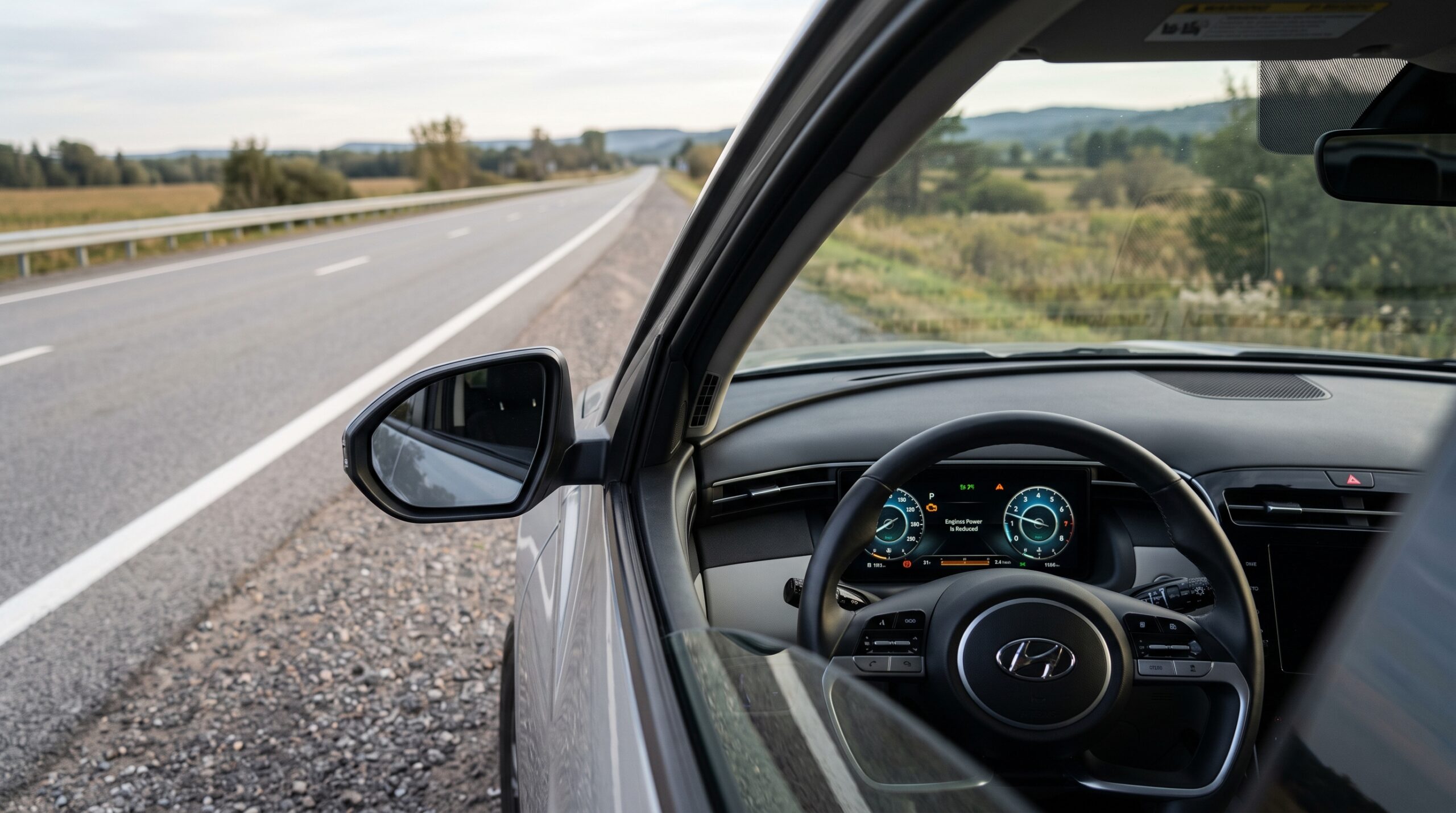
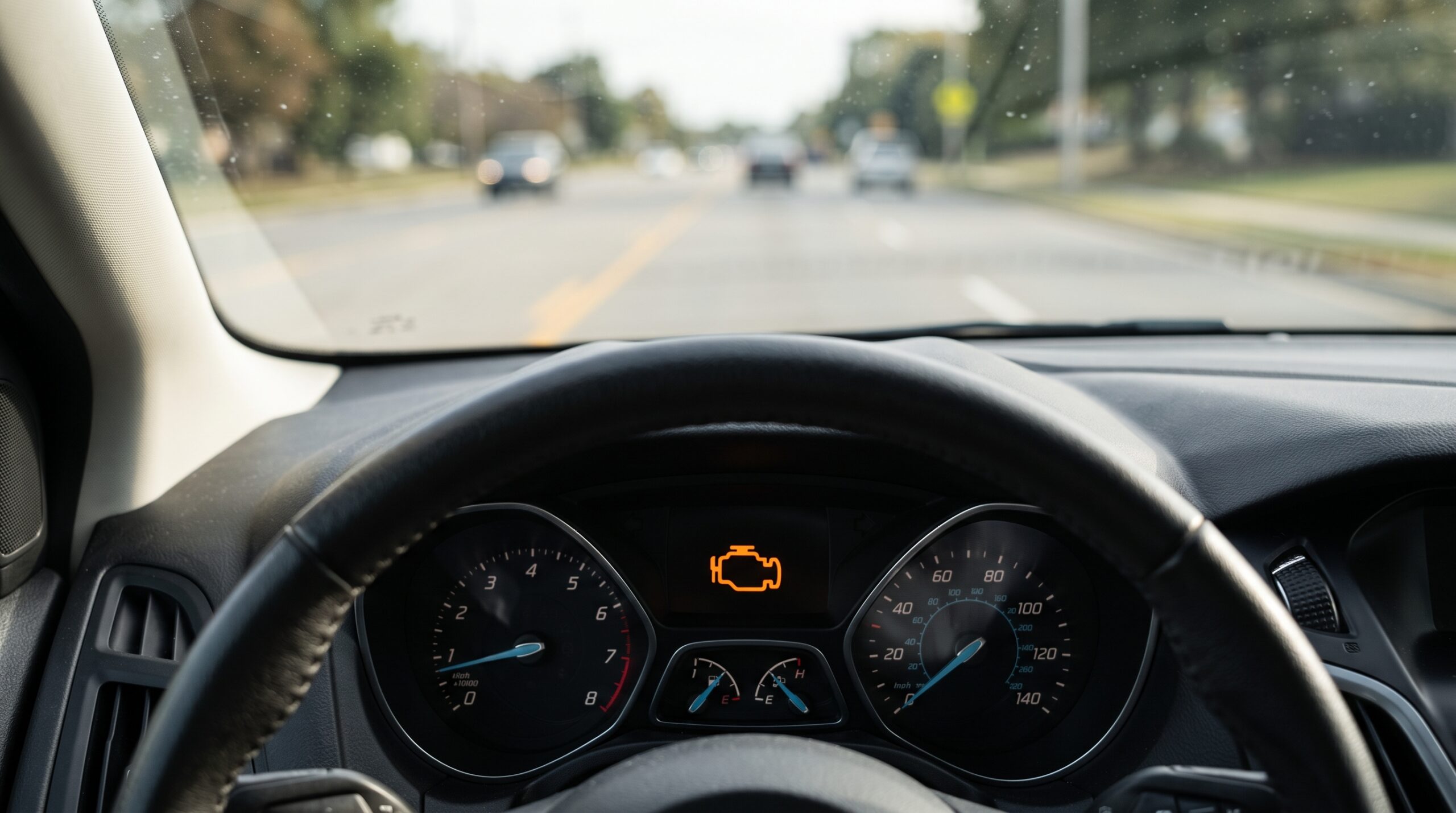
The check engine light is one of the most common warning lights drivers see on a car dashboard. It can turn on while you are driving to work, traveling on a highway, or starting your car in the morning. When it appears, you may wonder whether you can continue driving or need to stop right away.
The answer depends on why the light came on, whether it is steady or flashing, and how your vehicle behaves. A steady check engine light with no other symptoms may indicate a problem that needs prompt attention but does not always require an immediate stop. A flashing light, engine shaking, overheating, or loss of power can signal a serious problem.
So, is it safe to drive with check engine light on? Sometimes, for a short distance, but not in every situation. The warning should never be ignored, even if your car seems to run normally.
The light is part of your vehicle’s onboard diagnostic system. It monitors engine performance and parts of the emissions control system. When the system detects a fault, it stores a diagnostic trouble code and turns on the warning light.
Common causes include a loose gas cap, a faulty oxygen sensor, worn spark plugs, a damaged mass airflow sensor, or a catalytic converter problem. Some faults are minor, while others can lead to costly damage if you keep driving.
This guide explains what the warning means, when you should stop, how far you may be able to drive, what repairs might cost, and how to prevent future problems.
Is It Safe to Drive With Check Engine Light On?
Whether it is safe to drive with check engine light on depends on the type of warning and the condition of your vehicle.
A steady light often means the engine control system has detected a fault that needs diagnosis. If your car runs smoothly, the temperature is normal, and no other warning lights appear, you may be able to drive carefully to a nearby repair shop.
However, a flashing check engine light is more urgent. It often indicates an active engine misfire, which can allow unburned fuel to enter the exhaust system and damage the catalytic converter. You should reduce engine load, pull over somewhere safe, and arrange professional assistance.
Your car’s behavior is just as important as the warning light itself. A vehicle that shakes, stalls, smells strongly of fuel, or loses power may be unsafe to operate.
When Is It Safe to Keep Driving?
A short, careful drive may be reasonable when all of the following conditions are true:
-
The check engine light stays on steadily rather than flashing.
-
The engine runs smoothly without shaking or unusual vibrations.
-
The vehicle responds normally when you accelerate.
-
The engine temperature remains within its normal range.
-
No oil pressure warning or other serious dashboard warning appears.
-
You do not notice smoke, unusual noises, or strong burning smells.
For example, imagine that you start your car and notice a steady check engine light. The engine sounds normal, the temperature gauge is normal, and the car drives as usual.
In this situation, you may be able to drive a short distance to a repair shop. However, you should arrange a diagnostic check as soon as practical rather than continuing your normal driving routine.
Even when these conditions are met, they do not guarantee that driving is completely safe. Some faults cause few noticeable symptoms at first.
Avoid hard acceleration, towing heavy loads, high engine speeds, and unnecessary long trips until the problem has been identified.
When Should You Stop Driving Immediately?
You should stop driving as soon as you can do so safely if you notice any of these warning signs:
-
Flashing check engine light: This can indicate an active misfire that may damage the catalytic converter.
-
Engine shaking: Severe vibration can point to an ignition, fuel, or engine problem.
-
Loss of power: The car may struggle to accelerate or keep up with traffic.
-
Overheating: A high temperature reading can indicate a cooling system failure.
-
Oil pressure warning: Low oil pressure can cause serious engine damage.
-
Smoke or a strong burning smell: These signs may indicate overheating, an electrical issue, or leaking fluids.
-
Stalling or unusual engine noises: These symptoms may indicate a problem that makes continued driving unsafe.
Find a safe place to pull over, switch off the engine when appropriate, and seek assistance.
If the car is overheating, do not remove the radiator cap while the engine is hot. Hot coolant can cause severe burns. If you suspect a serious oil pressure problem, do not continue driving just to reach a nearby mechanic.
Your safety comes first. If the vehicle is losing power or cannot operate safely in traffic, arrange roadside assistance or towing.
What Does a Solid Check Engine Light Mean?
A solid or steady check engine light usually means your car’s onboard diagnostic system has found a problem with the engine, emissions system, or a related component.
The warning does not tell you exactly which part has failed. Instead, the vehicle stores a diagnostic trouble code, often called a DTC. A mechanic or a suitable OBD-II scanner can read this code to help identify the problem.
Some faults have little effect on how the car drives. Others can reduce engine performance, increase fuel use, or cause damage over time.
If you are wondering whether it is safe to drive with check engine light on when the light stays solid, first check for other warning signs. If the engine runs normally and no serious warning appears, a short trip to a repair shop may be reasonable. However, the cause still needs to be checked promptly.
Common Causes of a Solid Check Engine Light
1. Loose or Damaged Gas Cap
A loose gas cap is one possible reason for a check engine warning. The fuel system is designed to control fuel vapors, and a loose or damaged cap can affect its ability to maintain a proper seal.
What you can do:
-
Park the car safely and switch off the engine.
-
Check that the gas cap is fitted correctly.
-
Tighten it according to the vehicle manufacturer’s instructions.
-
Inspect the cap for visible damage.
The light may take several driving cycles to turn off after the problem is corrected. Some vehicles may require a diagnostic scan to confirm that the fault has cleared.
Do not assume the gas cap is the cause simply because the engine runs normally.
2. Faulty Oxygen Sensor
An oxygen sensor measures oxygen levels in the exhaust. The engine computer uses this information to help control the air-fuel mixture.
A faulty sensor can contribute to poor fuel economy, increased emissions, or engine performance problems.
A sensor code does not always mean the sensor itself needs replacing. Wiring problems, exhaust leaks, and other faults can sometimes produce similar readings.
A proper diagnosis helps prevent unnecessary part replacement.
3. Bad Mass Airflow Sensor
The mass airflow sensor measures the amount of air entering the engine. The engine computer uses this information to calculate how much fuel is needed.
If the sensor sends incorrect information, the car may experience:
-
Rough idling
-
Hesitation during acceleration
-
Poor fuel economy
-
Difficulty starting
-
Reduced engine performance
The cause may be a faulty sensor, a wiring issue, an air leak, or contamination. A mechanic can test the system before deciding what needs repair.
4. Catalytic Converter Problems
The catalytic converter helps reduce harmful emissions from the exhaust. If it becomes damaged or stops working properly, the check engine light may turn on.
Possible signs include reduced power, unusual exhaust smells, or poor fuel economy. However, some catalytic converter problems produce no obvious symptoms.
A failing catalytic converter can be expensive to replace. It is important to identify the underlying cause because engine misfires and other faults can damage the converter.
5. Spark Plug or Ignition System Issues
Spark plugs help ignite the air-fuel mixture in gasoline engines. Worn spark plugs, damaged ignition coils, or related faults can cause misfires.
You may notice rough idling, shaking, weak acceleration, or difficulty starting the engine.
If a misfire causes the check engine light to flash, stop driving as soon as it is safe. Continuing to drive may damage the catalytic converter.
Even if the light stays solid, arrange a diagnostic check rather than assuming the problem is minor.
What Does a Flashing Check Engine Light Mean?
A flashing check engine light is generally more urgent than a steady light. One common cause is an engine misfire severe enough to risk damage to the catalytic converter.
During a misfire, one or more cylinders may fail to burn the fuel-air mixture correctly. Unburned fuel can enter the exhaust and overheat the catalytic converter.
A damaged catalytic converter may be costly to replace. In some cases, the original misfire can also indicate a wider engine or ignition problem.
Possible causes include:
-
Faulty spark plugs
-
Failed ignition coils
-
Fuel delivery problems
-
Faulty fuel injectors
-
Certain engine compression problems
A flashing light does not identify the exact cause, so a proper diagnosis is necessary.
What should you do?
-
Avoid hard acceleration and heavy engine loads.
-
Find a safe place to pull over.
-
Stop the engine if you can do so safely.
-
Arrange professional assistance or towing.
Do not keep driving simply because the car still moves. If the engine shakes, loses power, or produces unusual smells, treat the situation as urgent.
If the flashing stops after you slow down, that does not prove the problem has been fixed. The vehicle still needs to be checked.
How Far Can You Drive With the Check Engine Light On?
There is no universal safe distance for driving with a check engine warning. One car may have a minor emissions fault, while another may have a serious engine problem.
The distance you can safely travel depends on several factors.
1. The Type of Fault
A loose gas cap may have little effect on normal driving. An engine misfire, fuel system problem, or overheating condition may require you to stop immediately.
The warning light alone cannot tell you how serious the problem is.
2. The Condition of the Vehicle
Pay attention to how your car behaves. A steady light with normal engine operation is less concerning than a warning accompanied by shaking, smoke, loss of power, or unusual noises.
Still, a car that feels normal may have a fault that could worsen with continued driving.
3. Driving Conditions
Heavy traffic, steep hills, high speeds, hot weather, and towing can increase the demands placed on your engine.
If the check engine light is on, avoid unnecessary trips and demanding driving conditions until you know what caused it.
4. Other Dashboard Warnings
Additional warnings can change the situation significantly.
For example, an engine temperature warning or low oil pressure warning requires immediate attention. These problems can lead to serious damage if you continue driving.
Can You Drive a Short Distance to a Mechanic?
A short drive may be reasonable if the check engine light is steady, the car runs smoothly, the temperature is normal, and no other warning signs appear.
Choose a nearby repair shop and drive gently. Avoid highways if possible, especially if you are unsure how the vehicle will respond.
However, do not drive to the mechanic if:
-
The check engine light is flashing.
-
The engine shakes badly or loses significant power.
-
The engine temperature is too high.
-
The oil pressure warning appears.
-
You see smoke or smell something burning.
-
The vehicle stalls or cannot accelerate safely.
In these cases, roadside assistance or a tow truck is the safer choice.
If you cannot tell whether the vehicle is safe to operate, do not take the risk. Ask a qualified mechanic or roadside assistance provider for guidance.
What Should You Do When the Check Engine Light Comes On?
A check engine warning can be worrying, but a calm and systematic response can help you make a safer decision.
Follow these steps.
Step 1: Check Whether the Light Is Steady or Flashing
Look at the dashboard when it is safe to do so.
A steady light usually indicates a fault that needs diagnosis. A flashing light can indicate an active misfire that requires urgent attention.
Do not look away from the road while driving to inspect the dashboard. Pull over safely if you need to examine the warning.
Step 2: Check for Other Warning Lights
Look for additional warnings, especially those related to engine temperature, oil pressure, or braking.
If a serious warning appears with the check engine light, follow the vehicle manufacturer’s instructions and stop when safe.
Step 3: Notice Changes in Performance
Ask yourself a few simple questions:
-
Is the engine running smoothly?
-
Does the car accelerate as expected?
-
Is the temperature gauge normal?
-
Do you notice unusual noises or smells?
-
Has fuel economy changed?
-
Is the car stalling or struggling to start?
These observations can help you explain the problem to a mechanic.
Step 4: Check the Gas Cap
If your vehicle uses a conventional fuel cap, make sure it is properly tightened and not visibly damaged.
Do this only when parked safely. Never inspect the fuel system near an open flame or while smoking.
A gas cap check is simple, but it will not resolve every check engine warning.
Step 5: Read the Diagnostic Trouble Codes
An OBD-II scanner connects to your car’s diagnostic port and retrieves stored fault codes.
Many gasoline-powered cars sold in markets that use OBD-II have a diagnostic connector beneath the dashboard. The exact location varies by vehicle.
A code may point to a particular system or condition. For example, a code beginning with P0300 indicates random or multiple-cylinder misfires. It does not automatically identify which part is faulty.
Record the codes before clearing them. If possible, also record any freeze-frame data available from the scanner. This information can help a mechanic understand the conditions present when the fault was detected.
Step 6: Visit a Qualified Mechanic
A diagnostic code is a starting point, not always a final answer.
A mechanic may need to inspect wiring, test sensors, check ignition components, examine fuel delivery, or perform other tests before recommending a repair.
Tell the mechanic when the warning first appeared and whether the car showed any unusual symptoms.
This information can help narrow down the cause and reduce the chance of replacing parts unnecessarily.Is It Safe to Drive With Check Engine Light OnIs It Safe to Drive With Check Engine Light On
Can You Reset the Check Engine Light Yourself?
Yes, many OBD-II scanners can clear diagnostic trouble codes and switch off the check engine light. Some vehicles may also turn the light off after the fault has been corrected and the system completes its checks.
However, resetting the warning does not repair the underlying problem.
If you clear a code without fixing the cause, the light may return. You may also lose useful diagnostic information that could help identify the fault.
Before clearing any codes, record them and address the underlying problem. If the light is flashing or the vehicle shows serious symptoms, do not use a reset as a reason to keep driving.
Disconnecting the battery is also not a reliable repair method. It can reset some vehicle settings and readiness monitors, and it may create additional inconvenience.
The best approach is to diagnose the fault, repair it correctly, and confirm that the warning does not return.
Can You Drive With the Check Engine Light On If the Car Runs Normally?
Yes, you may be able to drive a short distance if the light is steady and the car shows no other warning signs. However, normal driving does not guarantee that your vehicle is safe.
Some engine and emissions faults do not cause noticeable changes in performance. The engine may start normally, accelerate smoothly, and sound the same as usual even when the diagnostic system detects a problem.
For example, a faulty oxygen sensor may affect emissions and fuel economy without causing obvious symptoms. A problem with the evaporative emissions system may also turn on the warning light while the car continues to run normally.
Other faults can become more serious as you drive.
If you are asking whether it is safe to drive with check engine light on when your car feels fine, consider these points:Is It Safe to Drive With Check Engine Light On
-
A steady light is generally less urgent than a flashing one.
-
A fault can exist even when the car feels normal.
-
The warning may indicate a problem that gets worse over time.
-
You cannot identify the exact cause from the dashboard light alone.
-
A diagnostic scan can help determine the next steps.
Avoid long trips until the cause is known. Arrange a diagnostic check as soon as practical, and stop driving if the light starts flashing or other serious symptoms appear.
What Happens If You Ignore the Check Engine Light?
Ignoring a check engine warning may allow a small problem to become a larger one. The consequences depend on the fault, but several risks are worth understanding.
1. Small Problems May Become Expensive Repairs
A loose gas cap or minor sensor issue may be relatively simple to resolve. However, some faults can damage other components if left untreated.
For example, an engine misfire can damage the catalytic converter. If the original fault is ignored, you may end up paying for both the initial repair and additional exhaust system repairs.
Not every warning becomes worse, but delaying diagnosis creates unnecessary uncertainty.
2. Fuel Economy May Decrease
Some engine faults cause the vehicle to use more fuel than normal.
A faulty sensor, ignition problem, or air-fuel mixture issue may prevent the engine from operating as efficiently as intended.Is It Safe to Drive With Check Engine Light On
You may notice that you need to fill the fuel tank more often. However, increased fuel consumption can have many causes, so it should not be used to diagnose a specific part.
3. Engine or Emissions System Damage May Occur
Certain faults can affect engine operation or place extra stress on other components.
An unresolved misfire may damage the catalytic converter. Other problems may affect combustion, exhaust performance, or the engine’s ability to operate correctly.
If you notice overheating, low oil pressure, or a flashing check engine light, do not continue driving in the hope that the warning will disappear.
4. Your Vehicle May Fail an Emissions Inspection
In areas where emissions inspections apply, an active check engine light or an emissions-related fault may cause a vehicle to fail.
Some vehicles may also fail because their onboard diagnostic readiness monitors have not completed their required checks.
Rules vary by location. Check the requirements that apply to your vehicle rather than assuming a warning will have the same consequences everywhere.
5. The Car May Become Less Reliable
An unresolved engine problem can lead to rough running, stalling, reduced power, or difficulty starting, depending on the cause.
A vehicle that seems dependable today may become less reliable if a fault worsens.
The best way to reduce these risks is to read the diagnostic codes and identify the cause instead of repeatedly resetting the light.
How Much Does It Cost to Fix a Check Engine Light?
The cost depends on the cause of the warning, your vehicle’s make and model, the parts required, and local labor rates.Is It Safe to Drive With Check Engine Light On
A diagnostic fee is separate from the cost of repairs in many workshops. Some repair shops include basic scanning in their inspection fee, while others charge for a more detailed diagnosis.
The following figures are rough US-dollar estimates for general planning, not quotes. They may differ considerably from prices in Bangladesh or other countries.
Common Repairs and Their Costs
| Repair | Rough estimated cost in the US |
|---|---|
| Gas cap replacement | $15–$60 |
| Diagnostic inspection | $50–$150 |
| Spark plug replacement | $50–$300 |
| Oxygen sensor replacement | $100–$400 |
| Mass airflow sensor replacement | $100–$400 |
| Catalytic converter replacement | $500–$2,500 or more |
These estimates can vary widely. Labor costs, the number of parts involved, the type of vehicle, and whether original or aftermarket parts are used can change the final bill.
Gas Cap Replacement
If the gas cap is damaged or cannot seal properly, replacing it may resolve the issue. This is often one of the less expensive repairs.
However, a warning related to the fuel vapor system can also have other causes. A mechanic may need to test the system before confirming the repair.
Oxygen Sensor Replacement
The cost depends on the sensor’s location, vehicle design, and labor required.
Before replacing the sensor, a mechanic should confirm that it is faulty rather than assuming every oxygen sensor code means the sensor has failed.
Spark Plug Replacement
The total price depends on the engine design, the number of spark plugs, and how easy they are to access.Is It Safe to Drive With Check Engine Light On
If the engine is misfiring, the mechanic may also need to inspect ignition coils, wiring, and other related components.
Mass Airflow Sensor Repair or Replacement
The problem may involve the sensor itself, wiring, contamination, or an air leak.
Testing the system before purchasing a replacement can help prevent unnecessary spending.
Catalytic Converter Replacement
A catalytic converter can be one of the more expensive parts to replace. The cost varies greatly by vehicle, part type, and local emissions regulations.Is It Safe to Drive With Check Engine Light On
It is important to identify why the converter failed. If an engine misfire or another underlying problem remains, the replacement part may also be damaged.Is It Safe to Drive With Check Engine Light On
Money-saving tip: Ask for the diagnostic codes, the test results, and an itemized repair estimate before approving expensive work. Replacing parts based only on a generic code can waste money without fixing the actual fault.
How to Prevent Check Engine Light Problems
You cannot prevent every sensor failure or mechanical problem, but good vehicle maintenance can reduce the risk of many common faults.
1. Follow the Vehicle’s Maintenance Schedule
Use the maintenance schedule in your owner’s manual. It explains when to inspect or replace items such as spark plugs, filters, engine oil, and other service parts.
Maintenance needs vary by vehicle, engine type, and driving conditions.
2. Replace Worn Spark Plugs When Required
Worn spark plugs can contribute to engine misfires and poor performance.Is It Safe to Drive With Check Engine Light On
Follow the replacement interval recommended for your vehicle. If the engine runs roughly or the check engine light flashes, arrange an inspection instead of waiting for the next scheduled service.
3. Use the Correct Fuel and Engine Oil
Use the fuel grade and engine oil specification recommended by the manufacturer.
The wrong oil or unsuitable fuel may affect engine operation or cause other problems, depending on the vehicle and circumstances.Is It Safe to Drive With Check Engine Light On
Check the owner’s manual if you are unsure which products to use.
4. Repair Engine Problems Promptly
Do not ignore rough idling, difficult starting, unusual fuel consumption, or repeated warning lights.Is It Safe to Drive With Check Engine Light On
Early diagnosis may help prevent a smaller problem from causing additional damage.
5. Check Warning Lights Regularly
Pay attention to dashboard warnings when starting and operating your vehicle.
If the check engine light appears, note whether it is steady or flashing and whether other warnings are present. This information can help a mechanic diagnose the problem.
6. Keep the Fuel System in Good Condition
Make sure the fuel cap is fitted correctly after refueling. If you notice a fuel smell or suspect a leak, stop using the vehicle until it has been checked.
Never ignore a strong fuel smell or inspect a suspected leak near flames or other ignition sources.Is It Safe to Drive With Check Engine Light On
7. Keep a Record of Repairs
Save service receipts and diagnostic reports. A record of previous repairs and warning codes can help a mechanic identify recurring problems.
Regular servicing cannot eliminate every fault, but it can help you detect problems earlier.
Frequently Asked Questions
Is it safe to drive with the check engine light on for a week?
It depends on the cause. A steady light with no other symptoms may indicate a fault that allows limited driving, but that does not mean driving for a week is safe.
Some problems can worsen during that time. Arrange a diagnostic check as soon as possible and avoid unnecessary trips. If the light flashes or the car overheats, shakes badly, loses power, or shows an oil pressure warning, stop driving and seek assistance.
Can a check engine light turn off by itself?
Yes. Some warnings turn off after the problem is corrected and the vehicle completes the required diagnostic checks over several driving cycles.Is It Safe to Drive With Check Engine Light On
For example, a loose gas cap may cause a warning that eventually clears after the cap is tightened. However, a light that turns off does not always mean the fault has been fully resolved.
Stored diagnostic codes may remain available. If the warning returns, have the vehicle checked.
Does a check engine light always mean a serious problem?
No. Some causes are relatively minor, such as a loose gas cap. Other causes, including engine misfires and certain engine management faults, may require urgent attention.
The light does not tell you the exact severity of the problem. Check whether it is steady or flashing, watch for other symptoms, and use diagnostic testing to identify the cause.
Can low oil cause the check engine light to come on?
Low engine oil can contribute to engine problems, but the check engine light is not the same as the oil pressure warning.Is It Safe to Drive With Check Engine Light On
Some engine-related faults associated with oil control or variable valve timing may trigger the check engine light. Low oil pressure may trigger a separate warning, depending on the vehicle.
If the oil pressure warning appears, stop the engine as soon as it is safe. Check the owner’s manual and do not continue driving until the problem has been addressed. Never assume a check engine light is simply caused by low oil.
Should I drive if the check engine light is flashing?
Generally, no. A flashing check engine light can indicate a severe engine misfire that may damage the catalytic converter.
Reduce engine load, pull over safely, and arrange professional help. Do not continue a normal journey just because the car is still moving.
If the vehicle is shaking, losing power, or producing smoke or unusual smells, towing is usually the safer option.
Can an OBD-II scanner tell me why the light is on?
An OBD-II scanner can retrieve diagnostic trouble codes stored by the vehicle’s computer. These codes help identify the system or condition that needs attention.
However, a code does not always identify the exact failed part. For example, a sensor-related code may be caused by a wiring problem, an air leak, or another issue.
Use the code as a starting point for diagnosis. A qualified mechanic may need to perform further tests before recommending repairs.
Is it safe to drive with check engine light on in the rain?
Rain alone does not determine whether driving is safe. The important factors are the cause of the warning, the vehicle’s condition, and the road conditions.
If the light is steady and the vehicle operates normally, a short trip to a repair shop may be reasonable. If the engine misfires, loses power, or shows serious warnings, stop safely and seek assistance.
Wet roads make unexpected power loss or stalling more dangerous, so avoid unnecessary driving until the fault is diagnosed.
Will a check engine light affect fuel economy?
It can. Faults involving oxygen sensors, airflow measurement, ignition, or fuel control may reduce fuel efficiency.
However, the effect depends on the actual fault. Some emissions-related issues have little noticeable effect on fuel use.
If you notice a sudden drop in fuel economy alongside a check engine warning, mention both symptoms when arranging a diagnostic inspection.Is It Safe to Drive With Check Engine Light On
Can I pass a vehicle inspection with the check engine light on?
That depends on the inspection rules in your location. Where onboard diagnostic or emissions checks are required, an active check engine warning may cause the vehicle to fail.
Clearing the code just before an inspection may not help because diagnostic readiness monitors can remain incomplete.Is It Safe to Drive With Check Engine Light On
Check local requirements and have the underlying problem repaired before the inspection.
How soon should I visit a mechanic after the light comes on?
If the light is flashing or the vehicle has serious symptoms, stop driving and seek help immediately.
If the light is steady and the vehicle runs normally, arrange a diagnostic check as soon as practical. Avoid long trips and heavy engine loads until you know the cause.
The sooner you identify the fault, the sooner you can decide whether the car needs a simple repair or more urgent attention.Is It Safe to Drive With Check Engine Light On
Conclusion
So, is it safe to drive with check engine light on? It may be safe to drive a short distance in some cases, but it depends on the fault and the condition of your vehicle.
A steady warning light with normal engine performance may allow you to reach a nearby repair shop. However, a flashing light, overheating, low oil pressure, severe shaking, smoke, or loss of power means you should stop driving when safe and seek professional assistance.
Do not ignore the warning just because your car seems normal. Check the dashboard for other warnings, note any changes in performance, and have the diagnostic trouble codes read.
The safest approach is to identify and repair the underlying problem rather than simply resetting the light. This can help protect your engine, reduce the risk of costly repairs, and keep your vehicle dependable.