


Our Blogs
Is It OK to Drive With Check Engine Light On?

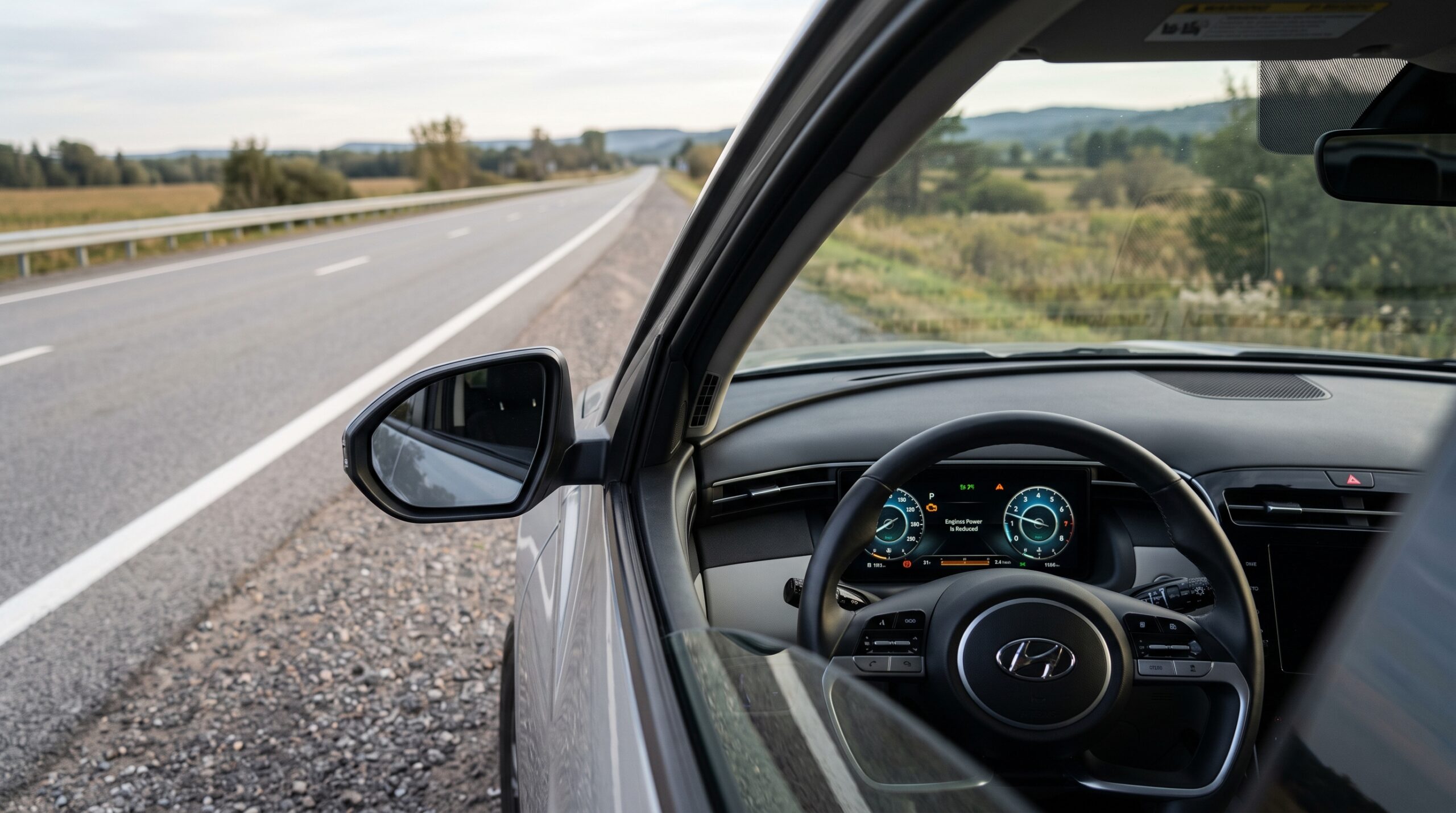
The check engine light is one of the most common warning lights in a car. It can turn on because of a loose gas cap, a faulty sensor, an ignition problem, or an issue with the engine’s emissions system. Sometimes the problem is minor. In other cases, it needs urgent attention.
So, is it ok to drive with check engine light on? The answer depends on whether the light is steady or flashing and how your car behaves.
If the check engine light stays on steadily and the car runs normally, you may be able to drive a short distance to a repair shop. However, you should arrange a diagnostic check as soon as possible. If the light flashes, the engine shakes, the car loses power, or you notice overheating, smoke, or a burning smell, stop in a safe place and seek professional help.
Ignoring a warning can turn a small fault into a more expensive repair. It can also affect fuel economy, engine performance, and vehicle emissions.
This guide explains the common causes, warning signs, repair options, and practical steps you can take to protect your vehicle.
Is It OK to Drive With the Check Engine Light On?
Whether it is safe to keep driving depends on the type of warning and the symptoms you notice. The light alone cannot tell you exactly what is wrong with the car.Is It OK to Drive With Check Engine Light On
There are two main situations to understand.
Driving With a Steady Check Engine Light
A steady check engine light usually means the engine control system has detected a fault that needs attention. The problem may involve fuel delivery, emissions, ignition, or a sensor.
If your car starts normally, runs smoothly, maintains normal power, and shows no other warning signs, a short drive to a nearby repair shop may be reasonable.
However, a steady light does not mean the problem is harmless. Some faults can increase fuel consumption or damage other parts if you continue driving for too long.
For example, a faulty oxygen sensor may cause the engine to use fuel less efficiently. A small emissions-system leak may not affect how the car feels, but it can still require repair.
If you are wondering, is it ok to drive with check engine light on when the car feels normal, remember that normal performance does not guarantee that every system is working correctly.
Take these precautions:
-
Avoid unnecessary trips.
-
Do not tow heavy loads.
-
Avoid hard acceleration and high engine speeds.
-
Check the owner’s manual for model-specific advice.
-
Arrange a diagnostic scan promptly.
If the car begins to shake, lose power, overheat, or make unusual noises, stop driving and reassess the situation.
Driving With a Flashing Check Engine Light
A flashing check engine light is generally more urgent than a steady light. It can indicate an active engine misfire, which means one or more cylinders are not burning fuel correctly.
An engine misfire can cause rough running, vibration, poor acceleration, and increased emissions. Unburned fuel may enter the exhaust system and overheat the catalytic converter.
Catalytic converter damage can be expensive to repair. Continuing to drive with a severe misfire may also make the original problem worse.
If the check engine light flashes while driving:Is It OK to Drive With Check Engine Light On:Is It OK to Drive With Check Engine Light On
-
Ease off the accelerator.
-
Avoid hard acceleration and heavy loads.
-
Move to a safe place as soon as you can.
-
Turn off the engine once safely parked.
-
Arrange roadside assistance or professional inspection.
Do not keep driving simply because the car still moves.
A flashing warning deserves particular attention even if the vehicle seems to recover after a few seconds. The problem may be intermittent, but it still needs diagnosis.
Can You Drive Long Distances With the Check Engine Light On?
Driving a long distance before finding the cause is risky. A vehicle that seems fine during a short trip may develop problems after running for hours under load.
The risk depends on the underlying fault. A loose gas cap may have little effect on normal driving, while an ignition fault, fuel-system problem, or overheating issue can become serious.
Before a long journey, check for:
-
A flashing warning light.
-
Rough engine operation or unusual vibration.Is It OK to Drive With Check Engine Light On
-
Reduced acceleration or engine power.
-
Is It OK to Drive With Check Engine Light On? Rising engine temperature.
-
New smoke, strange noises, or unusual smells.Is It OK to Drive With Check Engine Light On
-
Other dashboard warning lights.
If any serious symptoms appear, do not begin the trip until the car has been checked.
Even if the light is steady and there are no obvious symptoms, arrange a diagnostic scan before a long journey whenever possible. Finding the cause early is safer than discovering a major problem far from home.
What Does the Check Engine Light Mean?
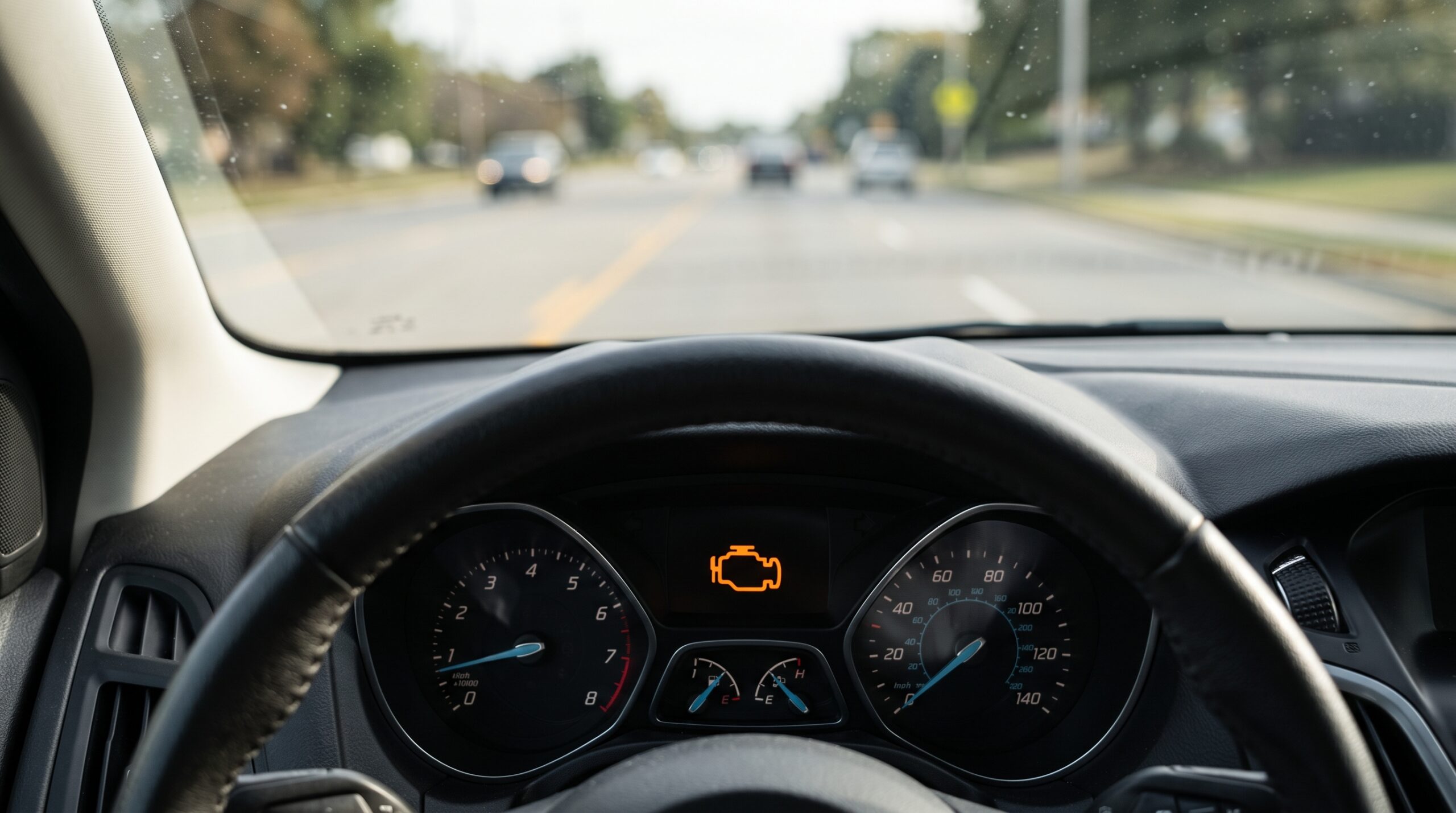
The check engine light is part of your car’s onboard diagnostic system. It is often shown as an engine-shaped symbol or the words “Check Engine.”
The engine control unit (ECU) monitors signals from sensors and other systems. When it detects a problem that meets certain fault conditions, it may store a diagnostic trouble code and turn on the warning light.
The light does not identify the exact failed part. A diagnostic scan and further testing are often needed to find the real cause.Is It OK to Drive With Check Engine Light On
Here are five common reasons the warning may appear.
Loose or Faulty Gas Cap
A loose, damaged, or missing gas cap is one possible cause of a check engine warning. Many modern cars have an evaporative emissions system that helps prevent fuel vapors from escaping into the air.
If the gas cap does not seal properly, the system may detect a leak and store a fault code.
Common signs include:
-
The check engine light turns on after refueling.
-
The gas cap feels loose.
-
The cap’s rubber seal looks worn or damaged.
-
The car otherwise seems to run normally.
To check the cap, park safely, switch off the engine, and inspect it. Tighten it according to the vehicle manufacturer’s instructions. Replace it if it is damaged or missing.
The warning may not disappear immediately. The car’s system may need time and suitable driving conditions to check the emissions system again.
If the light stays on, have the system tested rather than assuming the gas cap was the only problem.
Faulty Oxygen Sensor
An oxygen sensor measures the amount of oxygen in the exhaust. The engine control system uses this information to help adjust the air-fuel mixture.
A faulty sensor can cause incorrect fuel adjustments and increase emissions. Depending on the fault, you may also notice reduced fuel economy or rough engine performance.Is It OK to Drive With Check Engine Light On
Possible signs include:
-
Higher fuel use than usual.
-
A check engine warning.
-
Unusual engine behavior.
-
An emissions test failure.
An oxygen sensor can fail because of age, contamination, wiring damage, or other problems. Sometimes an exhaust leak or another engine fault can produce similar symptoms.
A trouble code related to an oxygen sensor does not always mean the sensor itself needs replacing. A mechanic should check the wiring, exhaust system, and sensor readings before recommending repairs.
Bad Spark Plugs or Ignition Coils
Spark plugs help ignite the air-fuel mixture inside a gasoline engine. Ignition coils provide the electrical energy needed to create the spark.
When either part fails, the engine may misfire. A misfire can affect power, fuel economy, smoothness, and emissions.Is It OK to Drive With Check Engine Light On
Common symptoms include:
-
Shaking or rough idling.
-
Hesitation during acceleration.
-
Difficulty starting the engine.
-
Reduced engine power.
-
A flashing check engine light.
For example, if a spark plug stops working properly, one cylinder may not burn its fuel mixture as expected. The engine may then vibrate and run unevenly.
If the check engine light flashes alongside these symptoms, stop driving when it is safe to do so. An active misfire can damage the catalytic converter.
A mechanic can use diagnostic codes and tests to determine whether the problem involves a spark plug, ignition coil, fuel injector, or another component.
Catalytic Converter Problems
The catalytic converter is part of the exhaust system. It helps reduce harmful pollutants produced by the engine.
A damaged or inefficient converter can trigger the check engine light. However, the warning may also appear because another engine problem is affecting the converter.Is It OK to Drive With Check Engine Light On
Possible symptoms include:
-
Reduced engine power.
-
Poor fuel economy.
-
Unusual exhaust odors.
-
A failed emissions test.
-
A check engine warning that remains on.
Some converter z at first. Others can restrict exhaust flow and affect performance.
Early diagnosis matters because replacing a catalytic converter can be costly. If an engine misfire or fuel-system problem caused the damage, that underlying fault must also be corrected.
Do not replace the converter based on a trouble code alone. Proper testing helps confirm whether it has actually failed.
Mass Airflow Sensor Problems
The mass airflow (MAF) sensor measures the amount of air entering the engine. The engine control system uses this information to calculate the right amount of fuel.
If the sensor sends incorrect readings, the engine may not run as expected.Is It OK to Drive With Check Engine Light On
Possible symptoms include:
-
Rough idling.
-
Hesitation during acceleration.
-
Poor fuel economy.
-
Difficulty starting.
-
Reduced engine performance.
A dirty or faulty sensor can cause these symptoms, but damaged wiring, air leaks, and other issues may do the same.
If you are asking, “is it ok to drive with check engine light on when the MAF sensor may be faulty?” the safest answer depends on the symptoms. A steady light with normal performance may allow a short trip for diagnosis, but severe hesitation or power loss means you should stop driving.
Avoid replacing parts without testing. The right diagnosis can save money and prevent repeat repairs.
Signs You Should Stop Driving Immediately
Some warning signs mean that continuing to drive could put you at risk or cause serious vehicle damage. If you notice any of the following, find a safe place to stop.
The Check Engine Light Is Flashing
A flashing check engine light can signal a severe engine misfire. Reduce speed gently, avoid sudden acceleration, and pull over safely.
Turn off the engine and arrange professional assistance. Do not continue a long trip to see whether the light stops flashing.Is It OK to Drive With Check Engine Light On
The Engine Is Shaking or Misfiring
Strong vibration, repeated jerking, or rough running may indicate an ignition, fuel, or mechanical problem.
If the car shakes badly or the engine runs unevenly, stop when safe. Continuing to drive with a severe misfire may damage the exhaust system.
The Car Is Losing Power
A sudden loss of acceleration can make it difficult to merge into traffic, climb hills, or move away from other vehicles.
If the car cannot maintain a safe speed, use your hazard lights when appropriate and move out of traffic safely. Do not attempt to continue a journey if the vehicle cannot respond reliably.
The Engine Is Overheating
An overheating engine can suffer serious damage.
If the temperature gauge enters the danger zone or an engine temperature warning appears, pull over safely and switch off the engine. Let it cool before any inspection.
Never open a hot radiator cap. Pressurized coolant can cause serious burns. If coolant is leaking or the engine continues to overheat, arrange professional assistance.
An overheating warning requires action even if the check engine light is steady or is not illuminated.
You Notice Smoke, Unusual Noises, or Burning Smells
Smoke, a strong burning smell, loud knocking, or sudden mechanical noises can indicate a serious fault.Is It OK to Drive With Check Engine Light On
Pull over somewhere safe, switch off the engine, and move away from the vehicle if you suspect a fire. Contact emergency services if there is a fire or immediate danger.
Do not restart the engine just to check whether the noise or smell has disappeared.
The key rule is simple: if the vehicle feels unsafe, stop driving. The question “is it ok to drive with check engine light on” should never take priority over clear signs of a serious mechanical problem.
What Happens If You Ignore the Check Engine Light?
The result depends on the underlying fault. Some problems remain minor for a time, while others can damage expensive components or affect safe vehicle operation.
Increased Fuel Consumption
Problems with oxygen sensors, airflow sensors, ignition components, or fuel delivery can cause the engine to use fuel less efficiently.
You may notice that you need to refuel more often or that the engine no longer performs as smoothly.
Fixing the underlying fault may improve fuel economy, although the result depends on the vehicle’s condition and the cause of the problem.Is It OK to Drive With Check Engine Light On
More Expensive Engine Repairs
A minor issue can sometimes lead to further damage when ignored.
For example, an ignition problem may cause a misfire. If the engine continues running with that fault, the catalytic converter may also be damaged.
Early diagnosis does not guarantee a cheap repair, but it can help prevent avoidable damage and unnecessary parts replacement.
Damage to the Catalytic Converter
An active misfire can send unburned fuel into the exhaust. That fuel may burn inside the catalytic converter and cause it to overheat.
Catalytic converter replacement can be expensive, depending on the vehicle and parts required.
If the light flashes, especially when the engine shakes or loses power, stop driving when safe and seek professional help.
Failed Emissions Testing
A check engine warning may indicate that an emissions-related system is not working correctly.
Depending on the inspection rules in your area, an illuminated warning or certain stored diagnostic codes may cause the vehicle to fail an emissions inspection.
Ignoring the warning may also leave a fault unresolved even if the car appears to run normally.
What to Do When Your Check Engine Light Comes On
If the warning appears while driving, remain calm and assess the situation. The following steps can help you decide what to do next.Is It OK to Drive With Check Engine Light On
Check Whether the Light Is Steady or Flashing
Look at the warning when it is safe to do so.
-
Steady light: Check for other symptoms and arrange prompt diagnosis.
-
Flashing light: Reduce engine load, stop safely, and seek professional assistance.
-
Light with another serious warning: Follow the instructions for that warning and stop if necessary.
Do not look away from the road to study the dashboard while driving. Pull over safely if you need to check the warning.
Look for Other Warning Signs
Pay attention to how the vehicle feels and sounds.
Check whether it starts normally, idles smoothly, accelerates as expected, and maintains a normal engine temperature.
Notice any unusual smoke, odors, noises, or additional dashboard warnings.
If the car has poor performance or shows signs of overheating, do not continue driving just because the check engine light is steady.
Check the Gas Cap
If you recently refueled, a loose gas cap is one possible explanation.
Park safely, switch off the engine, and make sure the cap is fitted correctly. Check for visible damage and replace it if needed.
This is a simple first check, but it does not rule out other faults. If the warning remains, have the vehicle scanned.Is It OK to Drive With Check Engine Light On
Read the Diagnostic Trouble Codes
Most modern cars sold in markets using the OBD-II standard have an onboard diagnostic port. A compatible scanner can retrieve diagnostic trouble codes from the vehicle’s computer.
These codes often begin with a letter followed by numbers. For example, a code in the P0300 series relates to engine misfires, while some P0420-related faults concern catalytic converter efficiency.
The exact meaning depends on the code and vehicle.
A code is a starting point for diagnosis, not automatic proof that a particular part has failed. A P0420 code, for example, does not by itself prove that the catalytic converter must be replaced.
A mechanic may need to examine live sensor data, wiring, fuel trims, ignition performance, or exhaust readings.
Visit a Qualified Mechanic
A qualified mechanic can interpret the codes, test the suspected systems, and recommend repairs based on evidence.
Before approving work, ask:
-
What fault codes were found?
-
What tests confirmed the cause?
-
Which parts or systems need repair?
-
Is it safe to drive the vehicle before the repair?
-
What is included in the estimate?
If you are unsure whether it is ok to drive with check engine light on, a professional diagnosis is the best way to understand the actual risk.
Do not disconnect the battery or erase codes just to hide the warning before diagnosis. Doing so may remove useful information and reset emissions readiness monitors.
Can You Pass an Inspection With the Check Engine Light On?
Whether your vehicle can pass an inspection depends on local regulations, the type of inspection, and the condition of the vehicle.
Some inspections focus on roadworthiness and safety. Others include emissions testing and electronic diagnostic checks.
How the Warning Light Affects Emissions Testing
In areas that use OBD-based emissions inspections, an illuminated check engine light may lead to a failed test. The vehicle may also fail because of certain stored fault codes or incomplete readiness monitors.
A car can sometimes pass one type of inspection with a warning light but fail another. Always check the rules that apply to your location.Is It OK to Drive With Check Engine Light On
Why Clearing the Code May Not Solve the Problem
Clearing a diagnostic trouble code does not repair the underlying fault.
The light may return after the computer detects the problem again. Clearing codes can also reset emissions readiness monitors, which may prevent the vehicle from being tested immediately.
Instead of trying to hide the warning, find and repair the cause.
How to Prepare Your Vehicle for Inspection
Follow these steps before an inspection:
-
Have the vehicle scanned for diagnostic trouble codes.
-
Repair confirmed faults.
-
Ask whether any emissions readiness monitors need time to complete.
-
Check local inspection requirements.
-
Complete any required follow-up tests.
Proper diagnosis and repair give you a better chance of passing than simply resetting the warning light.
How Much Does It Cost to Fix a Check Engine Light?
There is no single price for fixing a check engine warning. The cost depends on the actual fault, the vehicle model, parts availability, labor rates, and your location.
The warning light itself does not tell you how expensive the repair will be.
Diagnostic Scan Costs
A basic diagnostic scan may be available at a relatively low cost, while a full diagnostic service may cost more because it includes additional testing and labor.
A basic scanner can retrieve codes, but it may not identify the root cause. Professional diagnosis can include testing electrical circuits, sensors, ignition components, fuel delivery, and exhaust systems.
Ask whether the quoted price covers only reading the codes or includes a complete diagnostic assessment.Is It OK to Drive With Check Engine Light On
Common Low-Cost Repairs
Some causes of a check engine light are relatively simple to address.
Examples include:
-
Tightening a loose gas cap.
-
Replacing a damaged gas cap.
-
Repairing a minor wiring issue.
-
Replacing a confirmed faulty sensor, depending on the part.
-
Replacing worn spark plugs when they are due.
The final price varies. A simple repair on one vehicle may require more labor or different parts on another.

More Expensive Engine and Emissions Repairs
More costly repairs may involve:
-
Catalytic converter replacement.
-
Fuel injector repairs.
-
Ignition system repairs.
-
Complex electrical faults.
-
Internal engine problems.
For example, a catalytic converter replacement may cost substantially more than replacing a gas cap. However, replacing an expensive part without confirming the fault can waste money.
Get a written estimate that separates diagnostic fees, parts, labor, and any additional work. If the repair is expensive, you may want a second opinion.
The best way to control costs is to diagnose the problem before replacing parts.
How to Prevent Check Engine Light Problems
You cannot prevent every engine fault, but regular maintenance can reduce the chance of many common problems.
Follow the Recommended Maintenance Schedule
Follow the maintenance schedule in your owner’s manual. It should explain when to service the engine, replace filters, inspect ignition components, and check other key systems.
Routine servicing may identify worn parts or developing problems before they become more serious.
Replace Worn Spark Plugs When Needed
Spark plugs wear over time. Old or damaged plugs can cause misfires, poor performance, and increased fuel use.
Replace them according to the manufacturer’s recommended interval and use the correct type for your vehicle.
Do not assume that every check engine warning means the spark plugs are faulty. Testing is still important.
Use the Correct Fuel and Engine Oil
Use the fuel grade and engine oil specifications recommended by the vehicle manufacturer.
Incorrect fluids or unsuitable fuel may affect engine performance or cause problems in certain vehicles. Check your owner’s manual if you are unsure about the correct products.
Also, check the engine oil level as directed by the manufacturer.
Remember that an oil pressure warning is different from the check engine light. If the oil pressure warning appears, stop the engine as soon as it is safe and follow the manual’s instructions.
Fix Small Problems Early
Do not ignore repeated rough idling, unusual fuel use, hesitation, or new warning lights.
A quick inspection may reveal a problem before it causes further damage.
If the check engine light appears, arrange a diagnostic check rather than waiting for the vehicle to perform poorly.
Keep Up With Regular Vehicle Inspections
Check your tires, lights, fluid levels, belts, hoses, and other service items at the intervals recommended for your car.
Routine inspections do not guarantee that a warning light will never appear, but they can help you spot developing faults and maintain reliable performance.Is It OK to Drive With Check Engine Light On
FAQ
Is It OK to Drive With the Check Engine Light On for a Few Days?
It depends on the cause and the vehicle’s symptoms. A steady light with normal engine performance may allow limited driving while you arrange a prompt diagnostic check.
However, driving for several days without knowing the cause is not ideal. A flashing light, severe shaking, power loss, overheating, smoke, or a burning smell means you should stop driving when safe and seek professional help.
Do not assume that a steady light will remain harmless.
How Far Can You Drive With the Check Engine Light On?
There is no universal safe distance. The answer depends on the underlying fault, engine condition, and other warning signs.
A short trip to a nearby repair shop may be reasonable when the light is steady and the vehicle runs normally. A flashing light or serious symptoms can make continued driving unsafe.
Do not use a fixed mileage estimate to decide whether to keep driving. Get the problem diagnosed as soon as possible.
Does a Steady Check Engine Light Mean an Emergency?
Not always. A steady light often indicates a fault that needs attention, but it does not automatically mean the car must stop immediately.
Check for other symptoms and consult the owner’s manual. If the vehicle runs normally, a short trip for diagnosis may be reasonable.
If the engine shakes, loses power, overheats, or shows other serious warning signs, stop driving when safe.
Can Low Oil Cause the Check Engine Light to Come On?
Low engine oil can contribute to engine problems, but it is not the same as an oil pressure warning.
The check engine light may appear if an oil-related issue affects an engine-controlled system or causes a related fault. However, low oil does not automatically explain every check engine warning.
Check the oil level according to your owner’s manual. If the oil pressure warning appears, stop the engine as soon as it is safe. Do not continue driving with an oil pressure warning.
Will the Check Engine Light Turn Off by Itself?
Sometimes. If the underlying problem was temporary and the system no longer detects it, the light may turn off after suitable driving conditions or diagnostic checks.
However, a light that disappears does not always mean the issue is fully resolved. The computer may retain a stored or pending trouble code.
If the warning returns, or you noticed unusual symptoms, arrange a diagnostic scan.
Should I Disconnect the Battery to Reset the Check Engine Light?
It is generally better not to disconnect the battery just to turn off the warning.
Doing so may erase useful diagnostic information, reset certain vehicle settings, and clear emissions readiness monitors. It also does not repair the underlying fault.
Have the codes read first. After the problem has been repaired, a mechanic or suitable diagnostic tool can clear the codes when appropriate.
Can a Check Engine Light Come On for No Reason?
The light may appear because of an intermittent fault, a temporary condition, a sensor problem, or an issue in the emissions system. Sometimes the warning may turn off after the problem stops occurring.
However, it is not wise to assume the light came on for no reason. The vehicle’s diagnostic system has detected a condition that deserves attention.
Read the trouble codes and investigate the cause rather than ignoring the warning.
Final Thoughts
So, is it ok to drive with check engine light on? Sometimes, but it depends on the warning and the vehicle’s condition.
A steady check engine light with normal performance may allow a short drive to a repair shop. You should still arrange a diagnostic check promptly because the underlying fault could become more serious.
A flashing check engine light, severe engine shaking, power loss, overheating, smoke, or a burning smell requires more urgent action. Stop in a safe place, switch off the engine when appropriate, and seek professional assistance.
Do not ignore the warning, replace parts based on guesswork, or clear the code without finding the cause.
The safest approach is to check the warning, watch for other symptoms, and have the vehicle diagnosed as soon as possible. A timely repair can help protect your engine, reduce avoidable costs, and keep your car reliable.