Our Blogs
What Is a Suspension System on a Car? Easy Guide

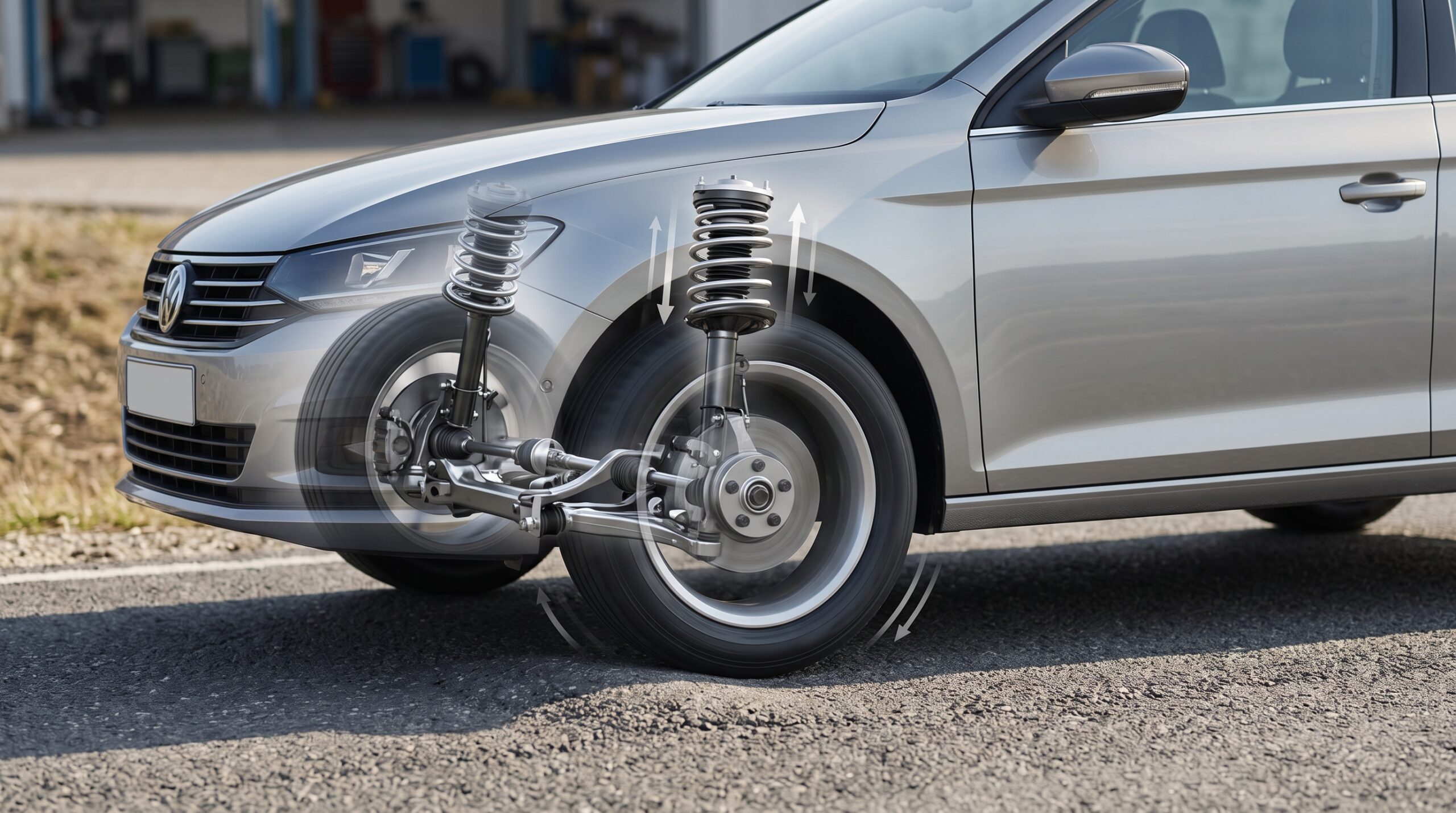
If you have ever driven over a pothole, speed bump, or rough road and felt the car move smoothly afterward, you have experienced the work of the suspension system.
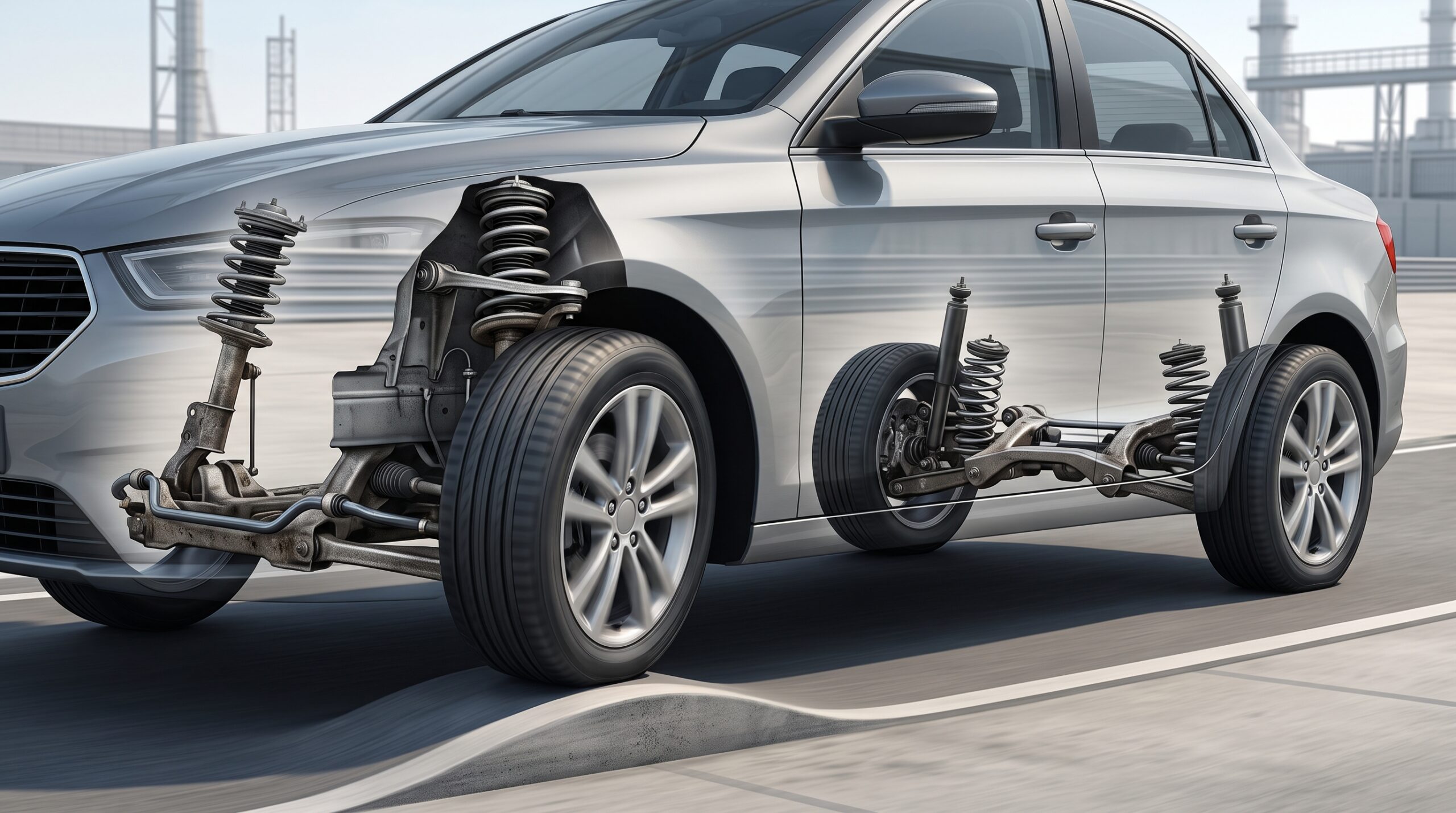
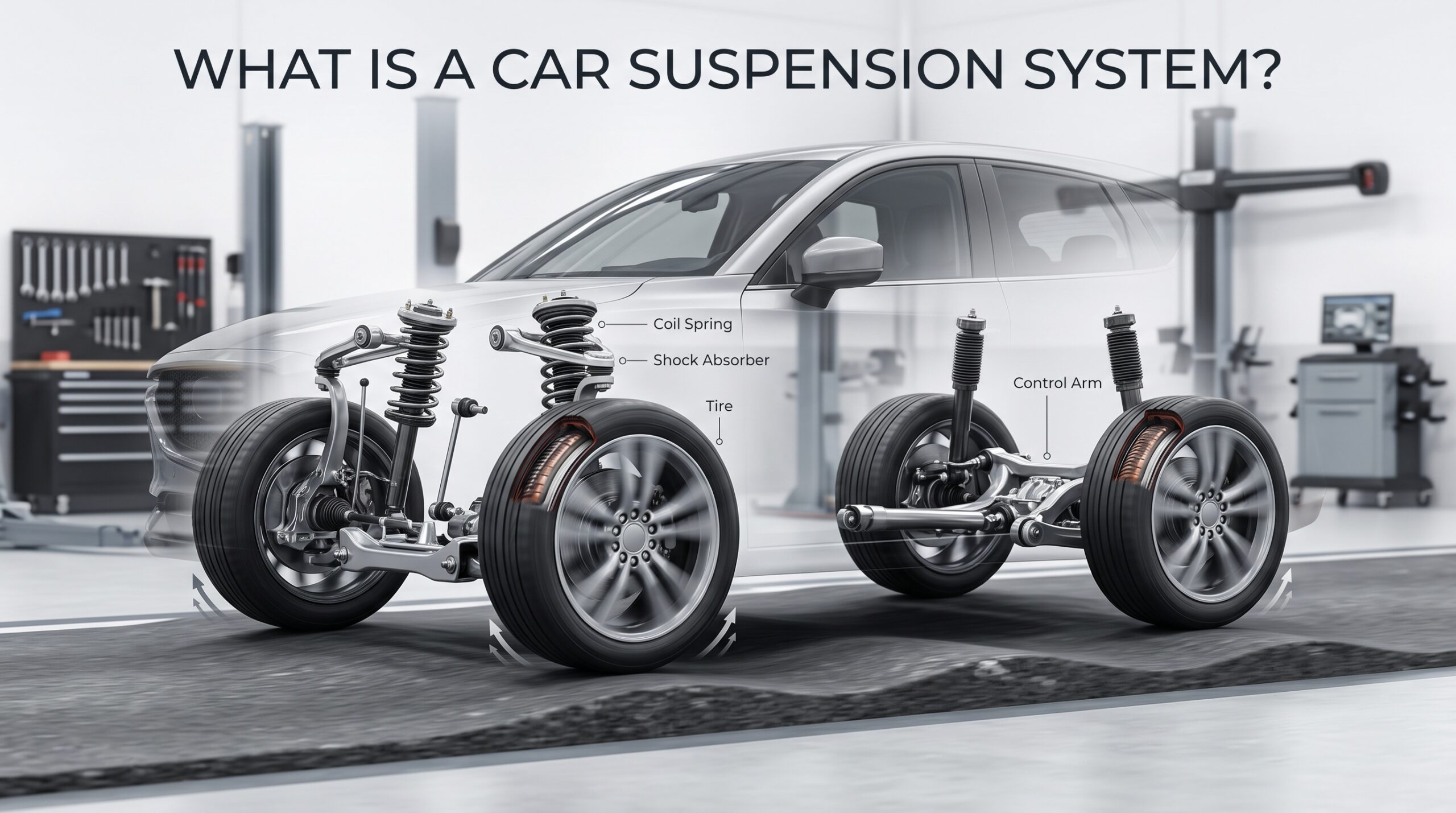
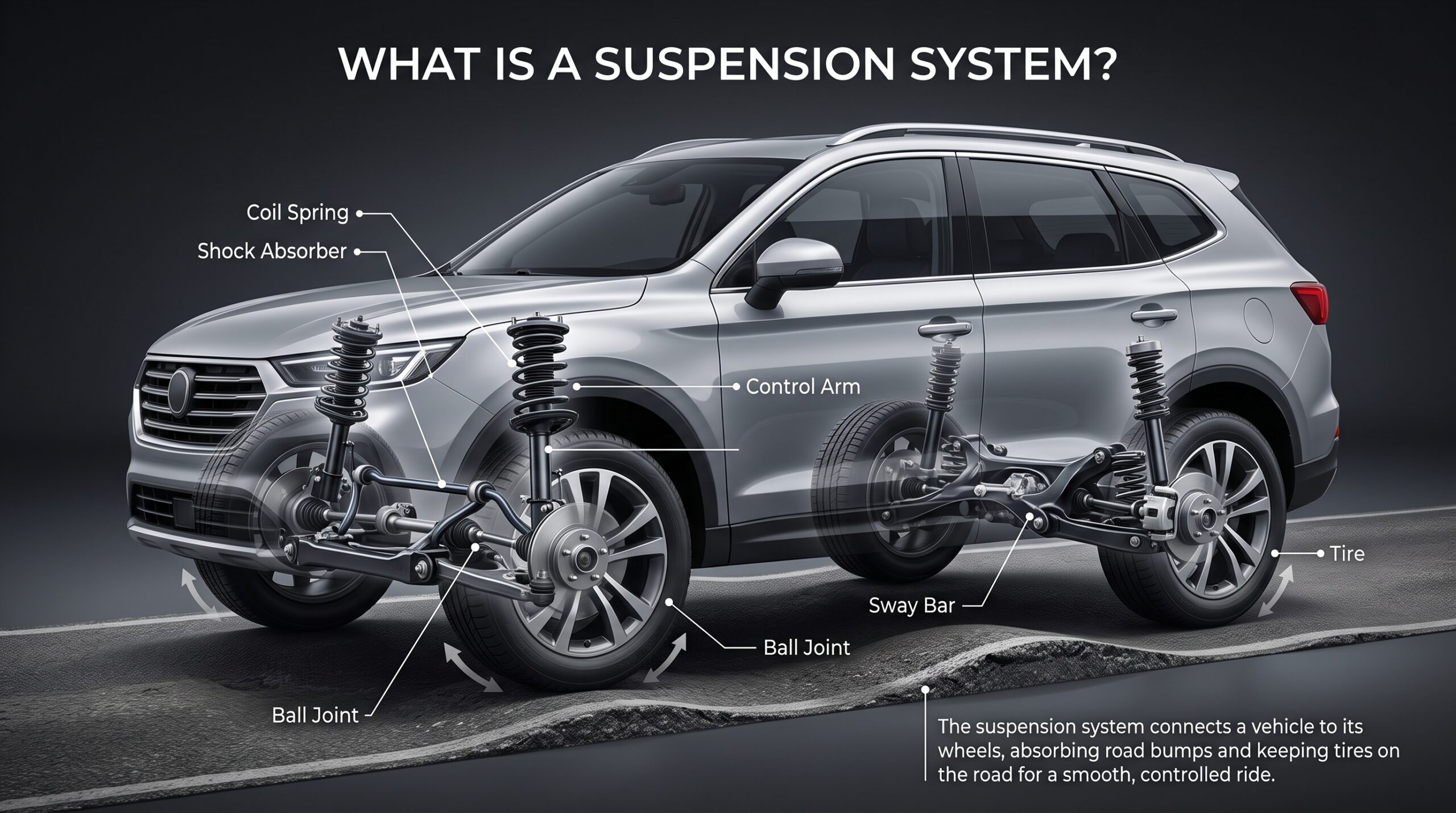
But what is a suspension system on a car? In simple terms, it is the group of parts that connects the wheels to the vehicle and helps the tires stay in contact with the road. It includes components such as springs, shock absorbers, struts, control arms, ball joints, bushings, and sway bars.
The suspension system has several important jobs. It helps absorb bumps, supports the vehicle’s weight, improves ride comfort, and helps the driver maintain control. It also helps keep the tires connected to the road during braking, acceleration, and cornering.
A healthy suspension does not simply make a car feel comfortable. It also plays an important role in handling and stability.
This guide explains what is a suspension system on a car, how it works, its major components, different suspension designs, warning signs of problems, repair costs, and maintenance tips.
What Is a Suspension System on a Car?
A car suspension system is a collection of mechanical components that connects the vehicle body or chassis to the wheels. Its main purpose is to control wheel movement while supporting the vehicle.
When you drive, the road is rarely perfectly flat. There may be bumps, cracks, potholes, dips, and uneven surfaces. Without suspension, much of that movement would be transferred directly into the vehicle.
So, what is a suspension system on a car in practical terms? Think of it as a controlled connection between the vehicle and its wheels. It allows the wheels to move up and down while helping the main body of the car remain more stable.
The suspension also helps maintain tire contact with the road.
This is important because tires provide the grip needed for steering, braking, and acceleration. If a tire loses contact with the road, the vehicle may not respond as expected.
Suspension and the Chassis Are Not the Same
The chassis is the main structural framework of a vehicle. It supports major systems and provides the basic structure of the car.
The suspension is different. It is a system of moving components attached between the wheels and the vehicle structure.
In simple terms:
- Chassis: Provides the main structure.
- Suspension: Controls wheel movement and supports the vehicle.
- Tires: Provide the actual contact with the road.
Together, these systems help the vehicle move safely and predictably.
What Does a Car Suspension System Do?
Understanding what is a suspension system on a car also means understanding what it does while you drive.
A suspension system performs several jobs at the same time.
Absorbs Road Impacts
One of the most obvious jobs of suspension is absorbing road impacts.
When a tire moves over a bump, the wheel needs to move upward without forcing the entire vehicle body to move the same amount. Springs allow this movement.
Shock absorbers and struts then control the movement of the spring.
Without proper damping, the vehicle could continue bouncing after hitting a bump.
Keeps the Tires on the Road
A suspension system helps the tires maintain contact with the road.
This matters because steering and braking depend on tire grip.
For example, imagine driving over an uneven road while turning. If the suspension cannot control the wheel movement properly, the tire may not maintain consistent contact with the road.
Good suspension helps keep wheel movement controlled.
Improves Ride Comfort
Suspension also helps make driving more comfortable.
Road surfaces can create vibration and movement. Springs absorb some of this energy, while dampers reduce unwanted bouncing.
This allows passengers to experience less movement inside the cabin.
Ride comfort depends on many factors, including tires, seats, suspension design, and vehicle weight. However, suspension is a major part of the overall ride experience.
Supports Handling and Stability
The suspension also affects how a vehicle behaves when steering and cornering.
When a car turns, its body naturally wants to lean toward the outside of the corner. This is known as body roll.
Suspension components help control this movement.
The system also works with steering, tires, brakes, and alignment to help the vehicle respond to driver inputs.
What Are the Main Parts of a Car Suspension?
The answer to what is a suspension system on a car becomes much clearer when you understand its individual parts.
Different vehicles use different suspension designs, but many systems contain similar basic components.
Springs
Springs support the vehicle’s weight and allow the wheels to move over uneven roads.
Common types include coil springs, leaf springs, air springs, and torsion bars.
Coil Springs
Coil springs are made from specially designed steel and are common on passenger vehicles.
They compress when the wheel moves upward and expand as the wheel moves back down.
Leaf Springs
Leaf springs are long, curved strips of spring steel.
They are commonly found on some trucks, vans, and older vehicle designs.
Leaf springs can support heavy loads and can also help locate the axle.
Air Springs
Air suspension uses compressed air instead of a traditional metal spring in some applications.
Air springs can allow changes in ride height and ride characteristics, depending on the vehicle design.
Torsion Bars
A torsion bar uses twisting force to provide spring action.
Some vehicles use torsion bars as part of their suspension system.
Shock Absorbers and Struts
Shock absorbers and struts control suspension movement.
A shock absorber does not normally support the vehicle’s weight in the same way a spring does. Its main job is to control the movement created by the spring.
This prevents excessive bouncing.
A strut combines several functions in one assembly. Depending on the design, it can include the spring, damper, mounting components, and steering-related functions.
Control Arms
Control arms connect the wheel assembly to the vehicle structure.
They allow controlled movement as the wheel travels up and down.
Control arms often use bushings and ball joints to allow the required movement.
Ball Joints
Ball joints are flexible joints that allow controlled movement between suspension components.
They can allow the wheel assembly to move in several directions while remaining connected to the vehicle.
Because they are important to wheel movement and steering geometry, worn ball joints should be inspected and repaired when necessary.
Bushings
Bushings are flexible components used to isolate vibration and allow controlled movement between parts.
Many are made from rubber or similar materials.
Over time, bushings can crack, become worn, or lose their ability to control movement.
Sway Bar
A sway bar, also called an anti-roll bar or stabilizer bar, helps reduce excessive body roll during cornering.
It connects suspension components on opposite sides of the vehicle and transfers some forces from one side to the other.
The exact design varies between vehicles.
How Does a Car Suspension System Work?
To understand what is a suspension system on a car, it helps to look at what happens when a vehicle drives over a bump.
Imagine the front tire reaches a raised section of road.
Step 1: The Wheel Moves Up
The tire contacts the bump, causing the wheel to move upward.
The suspension allows the wheel to move without forcing the entire vehicle body to follow the same movement.
Step 2: The Spring Compresses
As the wheel moves upward, the suspension spring compresses.
The spring stores some of the energy from the road impact.
Step 3: The Spring Rebounds
After passing the bump, the spring wants to return to its original position.
This causes the wheel and suspension to move back.
Step 4: The Damper Controls Movement
The shock absorber or strut controls how quickly the spring compresses and rebounds.
This is important because a spring by itself can continue moving up and down.
The damper slows that movement and helps the vehicle settle.
Step 5: Suspension Geometry Controls Wheel Movement
Suspension geometry determines how the wheel moves as the suspension travels.
Designers carefully choose the locations and angles of suspension components.
This affects wheel alignment, handling, tire wear, and steering behavior.
In other words, what is a suspension system on a car is more than just a collection of springs. It is a carefully designed system that controls wheel movement and vehicle body movement together.
What Are the Different Types of Car Suspension?
Different vehicles use different suspension designs.
There is no single suspension layout that is best for every vehicle.
Independent Suspension
With independent suspension, the movement of one wheel is not directly tied to the movement of the opposite wheel through a solid axle.
For example, if the left front wheel goes over a bump, the right front wheel can generally move more independently.
Independent suspension is common on modern passenger vehicles.
Dependent Suspension
A dependent suspension connects the movement of the wheels more directly, often through a solid axle.
When one wheel moves, the axle can influence the position of the opposite wheel.
This design is still used in certain trucks and other vehicles because of its strength and load-handling characteristics.
Semi-Independent Suspension
Semi-independent systems sit between fully independent and dependent designs.
A common example is a torsion beam rear suspension.
The wheels have some ability to move relative to each other, but the beam connects their movements to some degree.
MacPherson Strut Suspension
MacPherson strut suspension is a common design, especially on the front of many passenger cars.
It uses a strut assembly as a major structural part of the suspension.
The design can save space and reduce the number of components compared with some other layouts.
Double-Wishbone Suspension
Double-wishbone suspension uses two control arms to help locate the wheel.
The arms are often shaped somewhat like wishbones.
One advantage is that engineers can have considerable control over wheel movement and suspension geometry.
However, the design can use more components and space than simpler systems.
Multi-Link Suspension
Multi-link suspension uses several separate links to control wheel movement.
Each link can perform a specific job in controlling the position of the wheel.
This design gives engineers many options for balancing handling, ride comfort, and wheel control.
What Is the Difference Between Shocks and Struts?
Many people use the terms “shock” and “strut” as if they mean the same thing.
They are related, but they are not always interchangeable.
A shock absorber’s main purpose is to control suspension movement.
A strut can also control suspension movement, but it forms a more important structural part of the suspension assembly.
A vehicle may use shocks at one end and struts at the other.
For example, some cars use front struts with rear shock absorbers.
Can Shocks and Struts Be Used Interchangeably?
Usually, no.
A shock absorber is designed for a particular suspension layout. A strut is designed as part of a structural suspension assembly.
They should be replaced with components designed for the specific vehicle.
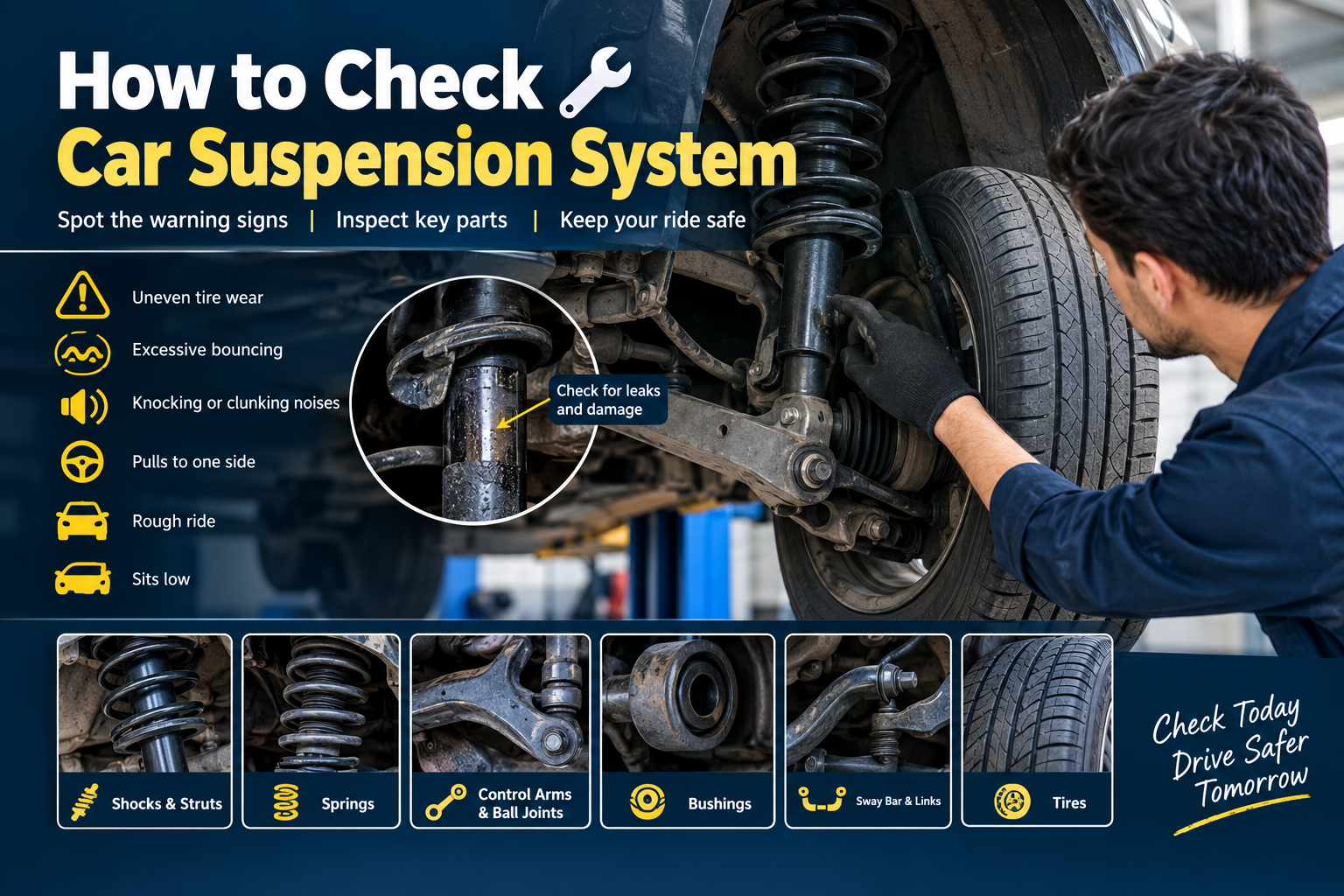
Signs They May Need Attention
Possible warning signs include:
- Excessive bouncing
- Nose diving during braking
- Excessive body movement
- Uneven tire wear
- Fluid leaking from a damper
- Poor control over rough roads
A professional inspection can determine whether the problem is actually a shock or strut.
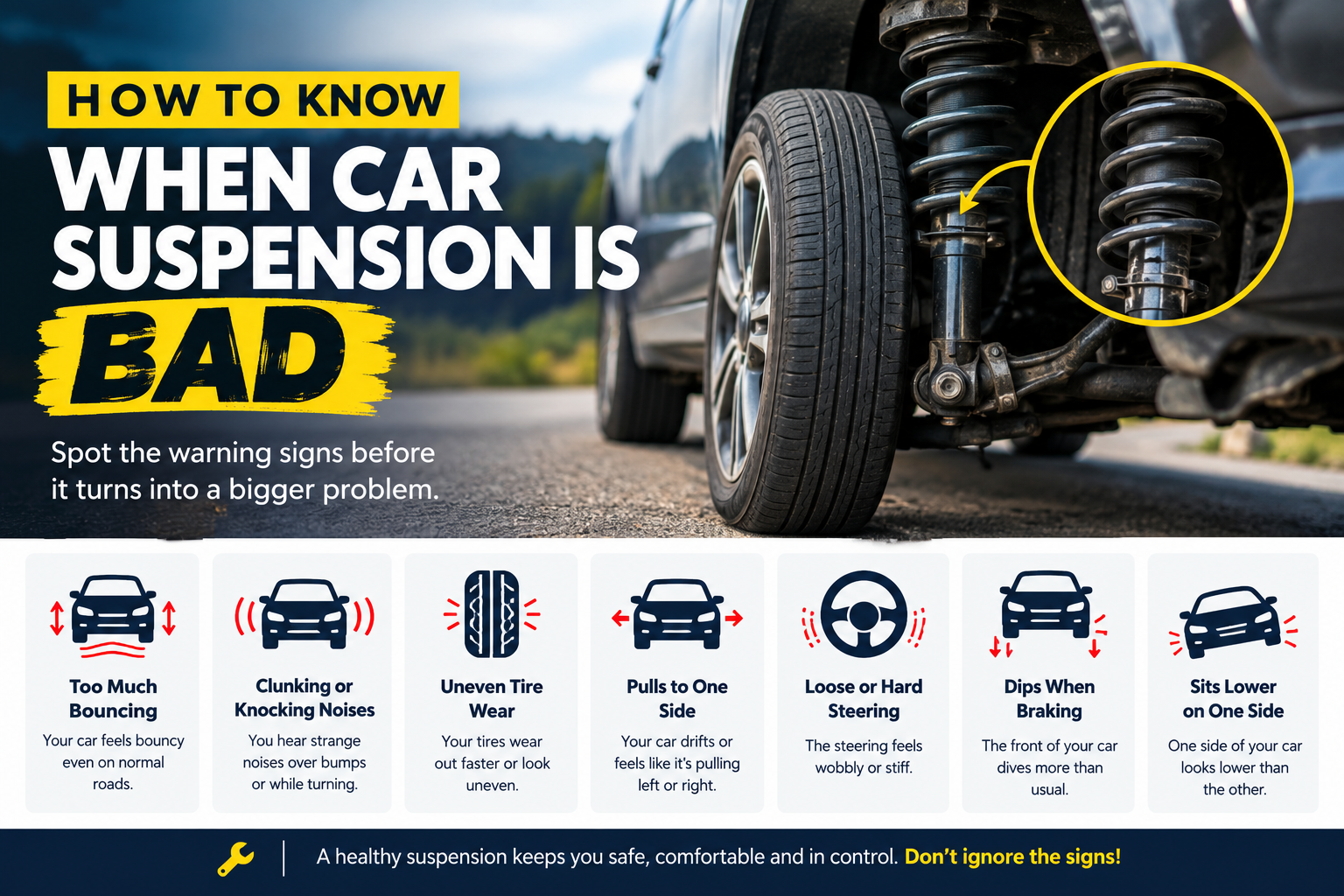
What Are the Signs of a Bad Suspension System?
Knowing what is a suspension system on a car is useful, but knowing its warning signs is even more practical.
A suspension problem can develop slowly or appear after a major impact.
Excessive Bouncing
If the car continues to bounce several times after going over a bump, the dampers may not be controlling suspension movement properly.
This does not automatically mean the shocks are bad, but it is a reason to have the suspension inspected.
Uneven Tire Wear
Suspension problems can contribute to unusual tire wear.
You may notice that one area of the tire wears faster than another.
However, incorrect tire pressure, alignment problems, worn steering parts, and other issues can also cause uneven wear.
Vehicle Pulling to One Side
If the vehicle consistently pulls left or right, several causes are possible.
These include:
- Wheel alignment problems
- Tire pressure differences
- Tire issues
- Brake problems
- Suspension problems
Do not assume the suspension is always the cause.
Excessive Body Roll
Some body movement during cornering is normal.
However, excessive leaning can indicate a problem with suspension components or other related systems.
Knocking or Clunking Noises
A clunking sound over bumps may indicate a worn or damaged suspension component.
Possible causes include worn bushings, ball joints, sway bar links, mounts, or other parts.
A noise should be diagnosed rather than guessing which part needs replacement.
Rough or Uncomfortable Ride
A vehicle that suddenly feels much harsher than normal may have a suspension or tire-related problem.
Changes in ride quality are worth investigating.
Vehicle Sitting Lower Than Normal
If one corner of the vehicle sits lower than the others, a damaged spring or another suspension issue may be responsible.
A vehicle that is noticeably lower than its normal ride height should be inspected.
What Causes Suspension Problems?
There are many possible causes of suspension problems.
Normal Wear and Tear
Suspension components experience repeated movement and load.
Over many miles, springs, bushings, ball joints, mounts, dampers, and other parts can wear.
Potholes and Rough Roads
A hard impact from a pothole can damage suspension components or change wheel alignment.
Driving carefully on rough roads can reduce unnecessary impacts.
Overloading the Vehicle
Carrying more weight than the vehicle is designed to handle puts additional stress on the suspension.
Always follow the vehicle manufacturer’s load limits.
Corrosion and Weather
Metal suspension components can corrode, especially where vehicles are exposed to moisture and road salt.
Rubber components can also deteriorate with age and environmental exposure.
Damaged Suspension Components
A collision, curb impact, or severe pothole can damage a control arm, spring, wheel, or other component.
Damage may not always be obvious without an inspection.
Poor Wheel Alignment
Incorrect alignment can cause handling issues and uneven tire wear.
Alignment problems can sometimes result from suspension damage, but alignment itself does not mean the suspension is damaged.
How Long Does a Car Suspension System Last?
There is no single mileage figure that applies to every suspension system.
The answer to what is a suspension system on a car includes many different parts, and each part can have a different service life.
For example, shock absorbers and struts can wear at different rates depending on vehicle type, road conditions, load, and driving habits.
Bushings may also age due to repeated movement and environmental exposure.
Springs can last for many years, but they can break or weaken under certain conditions.
Vehicles driven frequently on smooth roads may experience different wear from vehicles regularly driven over rough roads.
When Should Suspension Be Inspected?
A suspension inspection is useful when:
- The vehicle handles differently than before.
- You hear new suspension noises.
- Tires develop unusual wear.
- The car bounces excessively.
- The vehicle sits unevenly.
- You experience a strong pothole or curb impact.
- You are replacing tires and notice possible suspension issues.
The vehicle manufacturer’s maintenance schedule should also be followed.
How Much Does Suspension Repair Cost?
Suspension repair costs vary widely.
There is no universal price because the total cost depends on the vehicle, the damaged component, the replacement parts, labor rates, and the amount of work required.
A simple bushing replacement may cost much less than replacing multiple suspension components.
Replacing a complete strut assembly can also have a different price from replacing only a related component.
Parts and Labor
The total repair bill generally includes:
- Replacement parts
- Labor
- Alignment, when required
- Additional damaged components
- Inspection or diagnostic work
Some suspension repairs require a wheel alignment afterward.
Why Costs Vary by Vehicle
A basic economy car may have simpler and less expensive components than a luxury vehicle with advanced suspension technology.
Some vehicles also use electronic or air suspension systems, which can have more complex components.
If you receive a repair estimate, ask the repair shop which parts are damaged and why replacement is recommended.
Getting a clear diagnosis helps prevent unnecessary repairs.
How Can You Maintain Your Car Suspension?
Proper maintenance can help you identify problems early.
Understanding what is a suspension system on a car makes these maintenance steps easier to understand.
Check Tire Pressure
Correct tire pressure is important for handling, ride quality, and tire wear.
Check pressure regularly and follow the vehicle manufacturer’s recommended pressure.
The recommended number is usually found on the driver’s door label or in the owner’s manual.
Inspect Tires Regularly
Look for:
- Uneven tread wear
- Damage
- Bulges
- Low tread
- Objects stuck in the tire
Tire problems can sometimes feel similar to suspension problems.
Avoid Potholes When Possible
If it is safe to do so, avoid large potholes and road hazards.
If you cannot avoid one, reduce speed safely before reaching it.
Do Not Overload the Vehicle
Do not exceed the vehicle’s recommended weight limits.
Heavy loads place additional stress on suspension components, tires, brakes, and other systems.
Get Wheel Alignment Checks
Wheel alignment should be checked when recommended or when symptoms suggest a problem.
An alignment check can be especially useful after a significant pothole or curb impact.
Inspect Suspension Components
During routine vehicle service, ask for suspension components to be checked if there are unusual noises, handling changes, or tire wear.
Early detection can help prevent a small problem from becoming a larger repair.
Can You Drive With a Bad Suspension System?
Whether you can continue driving depends on the specific problem.
A minor worn component may allow limited driving to a repair facility, while a severely damaged suspension component can make the vehicle unsafe to operate.
The main concern is that suspension problems can affect steering, handling, braking behavior, and tire contact with the road.
If a suspension part is broken, severely damaged, or causing the wheel to sit incorrectly, it is safer to stop driving and arrange an appropriate inspection or recovery service.
Do not ignore strong clunking, sudden changes in ride height, severe pulling, or major handling changes.
A vehicle that feels unstable should be checked before normal driving continues.
Frequently Asked Questions
What is a suspension system on a car?
What is a suspension system on a car? It is the collection of springs, dampers, links, joints, bushings, and related components that connects the wheels to the vehicle and controls wheel movement.
The system supports the vehicle, absorbs road impacts, helps maintain tire contact, and contributes to ride comfort and handling.
What Are the 4 Main Parts of a Suspension System?
There is no universal list of exactly four parts because suspension designs vary.
However, four major categories are:
- Springs — support the vehicle and allow wheel movement.
- Dampers — control spring movement and reduce bouncing.
- Control or locating components — position the wheel and control its path.
- Bushings and joints — allow controlled movement while reducing unwanted vibration.
Other important components, such as sway bars, mounts, and bearings, may also be part of the system.
How Do I Know If My Car Suspension Is Bad?
Common warning signs include excessive bouncing, unusual noises, uneven tire wear, excessive body roll, changes in ride height, and changes in handling.
However, these symptoms can have several possible causes.
For example, uneven tire wear can result from alignment or tire pressure problems as well as suspension issues.
A proper inspection is the best way to identify the cause.
What Happens If a Suspension System Fails?
A failed suspension component can affect ride comfort, wheel control, steering behavior, tire wear, and vehicle stability.
The exact result depends on which component has failed.
A damaged spring, for example, creates a different problem from a worn bushing or leaking damper.
Severe suspension damage can make the vehicle unsafe to drive.
How Often Should Car Suspension Be Checked?
There is no single inspection interval that applies to every vehicle.
Follow the manufacturer’s maintenance schedule and have the suspension inspected when you notice warning signs.
It is also sensible to have the system checked after a significant pothole, collision, curb impact, or other event that may have damaged the wheels or suspension.
Are Shocks and Struts the Same Thing?
No.
Both shocks and struts can control suspension movement, but they have different roles in a vehicle’s suspension design.
A shock absorber is mainly a damping component.
A strut is a structural part of the suspension assembly and can perform additional functions.
They should not be treated as interchangeable unless the vehicle was specifically designed for that type of component.
Understanding Suspension Problems Through a Simple Example
Imagine two cars driving over the same speed bump.
The first car has a healthy suspension. Its springs absorb the movement, while its dampers control the rebound. The tires remain properly positioned, and the car settles quickly after the bump.
The second car has worn suspension components. It may bounce more, make unusual noises, or feel less controlled.
This example shows why what is a suspension system on a car is not only a question about comfort.
The suspension controls how the vehicle reacts to the road.
It also works together with the tires, steering, brakes, and alignment.
Why Suspension Geometry Matters
Suspension geometry describes the positions and angles of the components that control wheel movement.
Engineers design suspension geometry to achieve specific goals.
These goals can include:
- Stable handling
- Controlled wheel movement
- Good tire contact
- Predictable steering
- Reduced tire wear
- Ride comfort
When a suspension component becomes bent or badly worn, the intended geometry may change.
That can affect alignment and tire wear.
This is one reason suspension repairs should use the correct parts and installation procedures for the specific vehicle.
Suspension and Wheel Alignment
Suspension and wheel alignment are closely related, but they are not the same thing.
Wheel alignment refers to the angles of the wheels relative to the vehicle and road.
Suspension components help hold the wheels in their intended positions.
If a suspension component bends or wears significantly, alignment can change.
Likewise, incorrect alignment can cause tire wear and handling problems without necessarily meaning that a suspension component has failed.
If your vehicle has uneven tire wear or pulls to one side, both alignment and suspension condition may need to be considered.
Suspension, Tires, and Brakes Work Together
A useful way to understand what is a suspension system on a car is to see how it interacts with other vehicle systems.
Suspension and Tires
The suspension controls wheel movement, while the tires provide the road contact.
Both affect grip, comfort, and handling.
Suspension and Brakes
When braking, the vehicle’s weight shifts forward.
The suspension helps control the vehicle’s movement during this weight transfer.
The brakes provide the stopping force, while the suspension helps keep the vehicle controlled.
Suspension and Steering
The steering system changes the direction of the wheels.
The suspension helps maintain the wheel’s position and movement as the vehicle turns.
These systems must work together for predictable handling.
Why Suspension Inspection Matters
A suspension problem is not always easy to identify from outside the vehicle.
Some worn components may look normal until they are inspected closely.
A qualified technician can check for signs such as excessive play, damaged components, leaks, broken springs, worn bushings, or alignment-related issues.
If you notice a new noise or handling change, do not automatically replace parts based only on the symptom.
A proper diagnosis can identify the actual cause.
This is especially important because several different vehicle problems can produce similar symptoms.
Common Misunderstandings About Car Suspension
There are several common misconceptions about suspension systems.
“Suspension Only Affects Comfort”
This is incorrect.
Suspension affects more than ride comfort. It also helps control wheel movement, tire contact, body motion, and handling.
“All Bouncing Means Bad Shocks”
Not necessarily.
Excessive bouncing can be related to dampers, but other suspension problems may create similar symptoms.
A proper inspection is needed.
“Every Pulling Problem Is Suspension”
A vehicle pulling to one side can result from tire pressure, tire condition, alignment, brakes, steering, or suspension.
The symptom alone does not identify the cause.
“Suspension Parts Last Forever”
Suspension components experience repeated loads and movement.
They can wear over time, especially when a vehicle regularly travels on rough roads or carries heavy loads.
How Suspension Design Affects Different Vehicles
Passenger cars often prioritize a balance between comfort, handling, space, cost, and efficiency.
Trucks may place greater emphasis on load capacity and durability.
Performance vehicles may use suspension designs that provide more precise wheel control and handling characteristics.
Luxury vehicles may use advanced systems designed to provide a smoother ride.
There is no universal answer to which suspension design is best.
The correct design depends on the vehicle’s intended use.
What Is a Suspension System on a Car in Simple Terms?
If you want the shortest explanation of what is a suspension system on a car, think of it this way:
The suspension is the system between the vehicle body and wheels that supports the vehicle, controls wheel movement, absorbs road impacts, and helps keep the tires connected to the road.
It includes many different components, and those components work together.
The springs support the vehicle.
The shocks or struts control movement.
The control arms and links guide the wheels.
Ball joints and bushings allow controlled movement.
The sway bar helps control body roll.
All of these parts contribute to how the vehicle behaves on the road.
When Should You Have Your Suspension Checked?
You should consider a suspension inspection when you notice a significant change in the way your vehicle drives.
Important warning signs include:
- New knocking or clunking sounds
- Excessive bouncing
- Uneven tire wear
- Vehicle pulling
- Excessive body roll
- A corner of the vehicle sitting low
- Steering that feels different
- A rough ride that is unusual for the vehicle
- Damage after a major pothole or impact
If the vehicle suddenly becomes difficult to control, stop driving when it is safe to do so and seek professional assistance.
Conclusion
So, what is a suspension system on a car? It is a group of components that connects the wheels to the vehicle and controls how the wheels and vehicle body move.
The suspension includes springs, shocks or struts, control arms, ball joints, bushings, sway bars, and other components depending on the vehicle.
Its main jobs are to absorb road impacts, support the vehicle, help maintain tire contact, reduce unwanted body movement, and improve handling and ride comfort.
A healthy suspension helps your car behave in a controlled and predictable way.
If you notice excessive bouncing, unusual noises, uneven tire wear, pulling, excessive body roll, or a change in ride height, have the vehicle inspected.
Understanding what is a suspension system on a car can help you recognize problems earlier and make better decisions about vehicle maintenance.
Most importantly, suspension problems should not be ignored when they affect steering, handling, tire contact, or vehicle stability. Regular inspections, correct tire pressure, proper alignment, and careful driving can all help keep the suspension working properly.