



Our Blogs
Who Makes Mariner Outboard Engines?

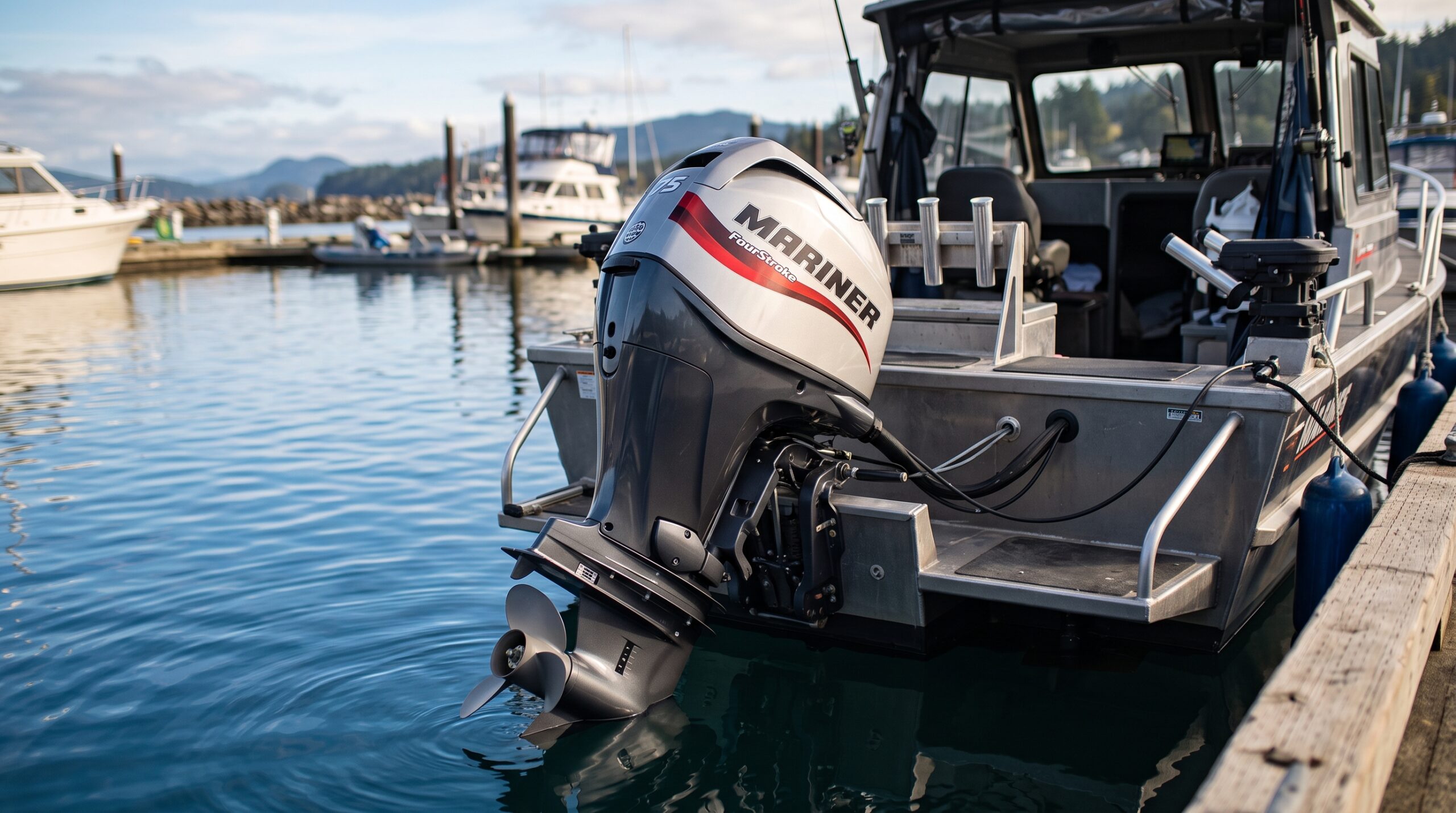
Mariner outboard engines are associated with Mercury Marine, a well-known manufacturer of marine engines. Mariner was a separate brand name used for outboard motors sold in several markets. Many Mariner models share engineering, designs, or parts with Mercury outboards, although the exact relationship depends on the model and year.
If you own a Mariner motor or plan to buy one, you may want to know who built it, where it was manufactured, and whether replacement parts are still available. These details matter when choosing an engine, arranging repairs, or deciding whether a used motor is worth the cost.
The short answer to the question who makes mariner outboard engines is that Mariner outboards were closely connected to Mercury Marine. However, some models also had links to Japanese manufacturing, including Yamaha. The manufacturing history is not the same for every engine.
This guide explains the history of the Mariner brand, its relationship with Mercury, its manufacturing origins, and the steps you can take to identify and maintain an older motor.
Who Makes Mariner Outboard Engines?
The Manufacturer Behind Mariner Outboards
Mercury Marine is the company most closely associated with Mariner outboard engines. Mercury Marine is a marine propulsion manufacturer known for producing outboard motors, sterndrives, and related marine products.
The Mariner name was used on outboard engines sold in various markets. It helped distinguish a product line in places where Mercury and other brands competed for boat owners.
Many Mariner motors are closely related to Mercury models. Depending on the engine, they may share major components, mechanical designs, or service procedures.
However, it is important not to assume that every Mariner motor is identical to a Mercury engine. Model year, horsepower, engine family, and production location can affect the details.
How Mercury Marine Is Connected to Mariner
Mercury Marine developed and sold many engines under both the Mercury and Mariner names. This connection is why Mercury parts catalogs, service information, and dealer knowledge can be useful when working on a Mariner motor.
For example, a boat owner with an older Mariner 40-horsepower engine may find that some components have equivalents in a Mercury model from the same period.
That does not mean every component will fit. The engine’s serial number and exact model information should always be checked before ordering parts.
Mercury Marine is part of Brunswick Corporation, a company with a long history in the marine industry. Its products have been sold around the world through marine dealers and service networks.
Is Mariner a Separate Engine Manufacturer?
Mariner is best understood as a brand name rather than a single, independent engine manufacturer.
The name appeared on engines produced through different manufacturing arrangements over time. Some models were closely related to Mercury engines, while certain models had connections to Japanese manufacturers.
This is why the answer to who makes mariner outboard engines requires more than simply reading the name on the engine cover.
The Mariner badge identifies the brand. It does not always reveal the factory, the original engineering source, or the exact parts shared with another manufacturer’s model.
If you need to identify a particular engine, use its model designation and serial number rather than relying on its exterior badge alone.
The History of Mariner Outboard Engines
When Did Mariner Outboards First Appear?
The Mariner brand emerged during the 1970s, when outboard manufacturers were competing to serve boat owners in different regions.
During this period, manufacturers used partnerships, shared designs, and different brand names to reach more customers. Mariner became part of this changing market.
Its history includes both Mercury-related engines and models associated with Japanese production. This mixed background helps explain why Mariner outboards do not all have the same design or manufacturing history.
Older Mariner motors are still found on fishing boats, small recreational boats, tenders, and other vessels. Their condition today depends heavily on maintenance, storage, operating conditions, and access to suitable replacement parts.
Why Was the Mariner Brand Introduced?
The Mariner name helped establish a distinct product identity in markets where Mercury wanted to expand its reach.
Different brand names can help manufacturers address different customers, sales channels, and regional preferences. They can also make it easier to organize product ranges when companies cooperate or compete across several countries.
Mariner became especially relevant in markets outside the United States. Its presence gave boat owners another name to consider when shopping for an outboard engine.
The brand’s history should not be reduced to one simple manufacturing arrangement. The details changed as products, markets, and business relationships developed.
How the Brand Developed Over Time
Over the years, Mariner outboards appeared in different horsepower ranges and engine configurations. Buyers could find small motors for light boats as well as larger engines designed for more demanding applications.
Some models closely resembled Mercury outboards. Others had different design origins or manufacturing arrangements.
As the marine industry changed, Mercury’s primary brand became more prominent in many markets. New Mariner-branded engines became less common, while older motors continued to operate.
Today, the Mariner name is most often encountered when researching older outboards, buying used engines, locating service information, or searching for replacement components.
The history matters because two engines carrying the Mariner name may need different parts or maintenance procedures.
Are Mariner Outboard Engines Made by Mercury?
The Relationship Between Mariner and Mercury Marine
Many Mariner outboard engines were produced as part of Mercury Marine’s broader outboard business. The two names are closely connected, but the exact relationship varies by model and production period.
Mercury’s involvement means that some Mariner motors share important design features with Mercury outboards. In some cases, the engines may have closely related powerheads, lower units, ignition systems, or fuel systems.
However, you should confirm these similarities before ordering parts or using a Mercury service manual for a Mariner engine.
A manual for a similar-looking engine may not cover every technical detail of your motor. Even small differences in carburetors, electrical systems, cooling arrangements, or internal components can affect repairs.
Practical tip: Record the serial number before contacting a marine mechanic or parts supplier. This gives them a better chance of identifying the correct engine family.
Similarities Between Mariner and Mercury Outboards
Mariner and Mercury engines from related model families may share several features.
- Engine design: Some models have similar layouts and mechanical systems.
- Maintenance procedures: Routine service steps may be similar when the engines share the same design.
- Replacement parts: Certain parts may be interchangeable when their part numbers match.
- Technical support: Mercury-related service resources may help identify and maintain compatible Mariner models.
- Operating characteristics: Closely related engines may have similar power delivery and performance.
For example, two engines with the same horsepower rating may appear nearly identical under their cowling. Yet one may use a different ignition component or carburetor setup.
Visual similarity is useful as a starting point, but it is not proof of compatibility.
Differences in Branding, Models, and Markets
The most obvious difference is the name printed on the engine. Other differences depend on the individual model.
Some Mariner engines were developed or manufactured under arrangements different from those used for comparable Mercury models. Their specifications, available equipment, and parts can therefore differ.
Regional sales arrangements also influenced which models buyers could find. An engine sold in one country might not have had an exact equivalent in another market.
For used-engine buyers, these differences are important. Do not select an engine based only on its brand or horsepower. Check its model information, production year, condition, and suitability for your boat.
Where Were Mariner Outboard Engines Made?
Manufacturing Locations Over the Years
Mariner outboards were not all produced in one factory. Their manufacturing origins varied by model, production period, and the arrangements used to supply different markets.
Mercury Marine has historically manufactured outboards in the United States and has had production operations in other countries. Some Mariner models were associated with Mercury manufacturing, while others had different production backgrounds.
This means that two Mariner engines with similar horsepower ratings may not necessarily have been built in the same country.
The country of manufacture can matter when researching a motor’s original specifications, identifying its engine family, or locating the right technical documentation.
However, the country alone does not determine whether an engine is reliable. Design, maintenance, operating conditions, and the availability of qualified service are often more important when evaluating an older motor.
The Role of Japanese Manufacturers in Certain Models
Japan played an important role in the history of Mariner outboards. Certain models were associated with Yamaha and Japanese manufacturing arrangements.
Yamaha is a major marine engine manufacturer, and some Mariner outboards have connections to Yamaha-produced designs or components.
This does not mean that every Mariner engine was made by Yamaha. Nor does it mean that all Yamaha outboard parts will fit a Mariner motor.
The relationship depends on the specific model and year. Some engines may have shared origins or components, while others may be entirely different in important mechanical respects.
If you own a Japanese-built Mariner, identifying its exact model can help you find suitable technical information. A knowledgeable marine parts dealer may be able to check whether a corresponding Yamaha model exists and whether particular components are interchangeable.
How to Identify the Origin of Your Mariner Engine
You can begin by inspecting the engine’s identification label or serial number plate.
Depending on the model, identification information may be located on the transom bracket, mounting assembly, or another designated area of the engine.
Follow these steps:
- Turn the engine off and make sure the boat is safely secured.
- Locate the identification plate or label.
- Record the complete serial number and model designation.
- Photograph the label if the text is difficult to read.
- Check the information with Mercury Marine support, a qualified dealer, or a reputable marine parts supplier.
- Ask for confirmation of the engine family, production details, and correct service information.
Do not assume that the paint color, cowling design, or country listed in an old sales advertisement proves where your motor was manufactured.
For an older engine, the original identification plate is generally a better starting point than an online listing.
Are Mariner Outboard Engines Reliable?
Common Strengths of Mariner Outboards
A well-maintained Mariner outboard can remain useful for many years. Many older examples are still in service because owners have maintained them, repaired worn components, and stored them properly.
Their practical advantages may include:
- Familiar mechanical designs on many older models.
- Access to some Mercury-related service knowledge.
- Availability of certain replacement parts through marine suppliers.
- A range of horsepower options for different boat sizes.
- The potential to purchase a used motor at a lower initial price than a comparable new engine.
For example, an older Mariner outboard used on a small fishing boat may provide good service if its cooling system works correctly, its compression is healthy, and its fuel system is clean.
However, age alone does not prove that an engine is either good or bad. Two motors of the same age can be in very different condition because of their maintenance history and previous use.
Common Problems in Older Mariner Engines
Older Mariner engines can develop problems similar to those found in other outboards of the same age and design.
Common issues include:
Fuel system problems: Old fuel can leave deposits in carburetors and fuel passages. Cracked fuel lines, blocked filters, or a weak fuel pump may also cause poor running.
Ignition faults: Worn spark plugs, damaged wiring, failing ignition components, or poor electrical connections can lead to hard starting or misfiring.
Cooling system trouble: Blocked water passages, worn impellers, or damaged cooling components may cause overheating. The cooling system should be checked if the engine’s telltale water flow is weak or absent.
Corrosion: Saltwater use and poor rinsing can damage metal parts, electrical connections, and fasteners.
Gearcase wear: Worn gears, damaged seals, or contaminated gear lubricant may indicate a need for repairs.
Starting difficulties: A weak battery, poor connections, low compression, or a fuel delivery problem can make an engine difficult to start.
A single symptom may have several possible causes. For example, hard starting does not automatically mean that the engine needs a new carburetor.
If you notice overheating, unusual mechanical noise, or a warning signal, stop using the engine and have it checked before further operation.
Factors That Affect Engine Reliability
Several factors determine how dependable a Mariner outboard will be.
| Factor | Why it matters |
|---|---|
| Maintenance history | Regular servicing helps prevent avoidable wear. |
| Storage conditions | Poor storage can damage fuel systems and electrical components. |
| Saltwater exposure | Salt can accelerate corrosion. |
| Cooling system | Proper cooling protects the engine from overheating. |
| Fuel quality | Stale or contaminated fuel can cause running problems. |
| Previous repairs | Incorrect parts or poor repairs may create further faults. |
| Parts availability | Access to correct components affects repair options. |
A motor with clear maintenance records is often easier to assess than one with an unknown history.
Before buying, ask the owner how the engine was stored, how often it was serviced, and whether any major repairs have been completed. Where possible, have a qualified marine mechanic inspect it.
Are Mariner Outboard Engines Still Made Today?
Is the Mariner Brand Still Active?
The Mariner name is now primarily associated with older outboard engines rather than a widely marketed, current product range.
The brand’s availability has changed over time and has differed between markets. For that reason, a statement about a particular country’s sales situation should be checked against current manufacturer information.
If you see a Mariner-branded engine advertised as new, establish whether it is genuinely unused stock, an older engine that has never been installed, or a used motor described as refurbished.
These descriptions mean different things. An unused older engine can still have aged seals, hoses, electrical parts, or other components that need attention before service.
Can You Buy New Mariner Outboard Engines?
Finding a newly manufactured Mariner outboard may be difficult because the brand is not widely represented in today’s new-engine market.
Most buyers researching Mariner motors will encounter used engines, older stock, or rebuilt units.
If you want a new outboard, compare currently available models from established manufacturers, including Mercury Marine and Yamaha. Choose based on the boat’s requirements, local service support, warranty, fuel needs, and budget.
Do not assume that a newly advertised Mariner engine is supported in the same way as a current model sold directly through an authorized dealer.
Before making a payment, ask for the serial number, proof of condition, warranty terms, and details of any refurbishment.
Availability of Used and Refurbished Models
Used Mariner engines can be found through marine dealers, boat owners, repair shops, and online marketplaces.
Availability depends on the horsepower range, age, location, and condition of the motor.
A used engine may be sold as:
- Used: Previously operated, with condition varying from excellent to poor.
- Serviced: Inspected or maintained, although the extent of the work can differ.
- Refurbished: Repaired or restored to some degree, according to the seller’s stated scope.
- Rebuilt: Subjected to specified mechanical work, which should be documented.
Ask exactly what work was performed. A fresh coat of paint and a clean cowling do not prove that an engine has been mechanically rebuilt.
For a better purchase decision, request maintenance records, a demonstration where safe, and an independent inspection.
Mariner vs. Mercury Outboard Engines
Key Differences Between the Two Brands
Mariner and Mercury outboards have a close historical relationship, but they are not automatically identical.
Mercury is the better-known current brand in many markets. Mariner is more commonly encountered when researching older engines or shopping for used outboards.
The key differences depend on the models being compared.
| Feature | Mariner outboards | Mercury outboards |
|---|---|---|
| Brand history | Historically sold in selected markets | Long-established marine engine brand |
| Current market presence | Primarily encountered as older models | Broad range of current products |
| Engine designs | Vary by model and manufacturing period | Vary by model and manufacturing period |
| Replacement parts | Availability depends on engine family and age | Availability depends on engine family and age |
| Service information | May include Mercury-related resources | Available through Mercury resources and dealers |
| Buying options | Mainly used engines and older stock | New and used engines |
This comparison is a general guide, not a claim that every engine in one column differs from every engine in the other.
A well-maintained Mariner may be a better purchase than a neglected Mercury of similar age. Condition, price, service history, and parts availability matter more than the name alone.
Parts Compatibility and Maintenance
Some Mariner outboards share parts with corresponding Mercury engines. This can make repairs easier when the correct components remain available.
Potentially shared components may include certain ignition parts, fuel system components, seals, filters, and other service items. However, compatibility must be confirmed for each part.
Before ordering anything, provide the supplier with:
- The full engine serial number.
- The model designation.
- The horsepower rating.
- The approximate or confirmed production year.
- The name or part number of the component you need.
If a seller says that a part fits all Mercury and Mariner engines, ask for a catalog reference or another reliable confirmation.
Using an incorrect part can cause poor operation, additional wear, or safety problems. This is particularly important for fuel system components, electrical parts, and gearcase assemblies.
Regular maintenance is also essential. Follow the correct service schedule for your particular engine rather than relying on a schedule from a similar-looking model.
Which Option Is Better for Boat Owners?
The best choice depends on your budget, boat, and intended use.
A used Mariner may be suitable if you want an affordable engine and can find one in good mechanical condition. It may also make sense if you already own a Mariner and have access to a mechanic who understands the model.
A new Mercury outboard may be preferable if you want a current product, a manufacturer-backed warranty, and access to a modern dealer network. Confirm the warranty and service arrangements available in your country before purchasing.
Consider these questions:
- Does the engine provide the horsepower recommended for your boat?
- Are replacement parts available locally?
- Can a qualified mechanic service the engine?
- Is the asking price reasonable for its condition?
- Does the engine have a clear service history?
- Are you prepared for possible repairs on an older motor?
If you answer these questions carefully, you can make a better decision than you would by comparing brand names alone.
How to Identify a Mariner Outboard Engine
Finding the Model and Serial Number
The identification plate is one of the most useful sources of information about your engine.
On many outboards, the serial number appears on a plate attached to the transom bracket or mounting assembly. The exact location can vary with the model and age.
Look for a label containing information such as the serial number, model designation, and manufacturer details.
If the label is dirty, clean it gently without scraping away the printed information. Photograph it in good light so that you can read every character.
The serial number helps a dealer or parts supplier identify the engine’s production details and compatible components. It is also useful when looking for service manuals or troubleshooting information.
Do not rely on a registration document or an old advertisement alone. Those records can contain errors, particularly when an engine has changed owners several times.
If the plate is missing or unreadable, ask a qualified marine technician whether the engine can be identified from other markings.
Understanding Engine Specifications and Horsepower
Horsepower describes the engine’s rated power output. It is an important part of choosing an outboard, but it does not tell you everything about the motor.
Mariner outboards have been sold in different horsepower ratings, with designs and specifications varying by model.
Other useful specifications include:
- Engine type: For example, a two-stroke or four-stroke design.
- Displacement: The volume displaced by the engine’s cylinders.
- Shaft length: The dimension that helps determine whether the motor fits the boat’s transom.
- Fuel system: The system used to deliver fuel to the engine.
- Starting system: Whether the model uses manual or electric starting.
- Weight: Important for the boat’s balance and transom limits.
- Recommended operating range: The specified engine speed range under the relevant operating conditions.
For example, two 40-horsepower outboards may have different weights, fuel systems, and shaft lengths. They are not necessarily suitable substitutes for one another.
Always follow the boat manufacturer’s maximum horsepower and transom requirements. An engine that produces more power than the boat is designed to handle may create serious control and stability risks.
Checking the Manufacturing Year
Finding the year of a Mariner outboard can require more research than reading its exterior badge.
Serial number systems and model designations differ across engine families and production periods. Some older models also have limited or inconsistent online records.
To establish the year:
- Record the complete serial number.
- Write down the model designation and horsepower.
- Consult an appropriate manufacturer reference or authorized dealer.
- Check a reliable parts catalog or model-specific service manual.
- Compare the information with any original purchase or service documents.
Be careful with online year charts. A chart for one model range may not apply to another.
The year matters because engines produced in different periods may use different ignition systems, carburetors, seals, and other parts.
When asking a parts supplier for help, provide the complete identification details rather than simply saying that you have an older Mariner motor.
Are Parts Available for Mariner Outboard Engines?
Finding Replacement Parts
Replacement parts are available for many Mariner models, but availability varies with the engine’s age and design.
Common maintenance items may be easier to find than rare or discontinued internal components. For example, spark plugs, fuel filters, impellers, and some seals may be available through marine suppliers, depending on the exact engine.
Older electronic components, specialized castings, and certain gearcase parts can be harder to locate.
Good places to begin include Mercury-related parts dealers, independent marine repair shops, specialist outboard parts suppliers, and reputable used-parts businesses.
When searching online, use the model and serial number along with the part name. A search such as “Mariner 40 hp water pump impeller” is a useful starting point, but the result must still be checked against the correct engine family.
Before buying, confirm the part number, condition, return policy, and compatibility.
Choosing Compatible Mercury or Other Parts
Mercury parts may fit certain Mariner engines because of their shared design history. Some Mariner models may also have connections to Yamaha production.
However, a related brand name does not guarantee that a part will fit.
Use the following process:
Step 1: Identify the engine. Record its serial number, model, and horsepower.
Step 2: Identify the part. If possible, record the original part number from a reliable catalog.
Step 3: Check compatibility. Ask a supplier to verify the replacement against your exact engine.
Step 4: Confirm the specification. Check dimensions, electrical ratings, materials, and any other details that matter for the part.
Step 5: Keep the documentation. Save the invoice and part number for future maintenance.
For example, two water pump impellers may look almost identical but differ in dimensions or construction. A poor fit can reduce cooling performance and lead to overheating.
Never assume that a part from a similar horsepower engine will work without verification.
Tips for Maintaining Older Mariner Motors
A sensible maintenance routine can help an older outboard remain dependable.
Follow the service manual for the exact engine, and use suitable parts and lubricants.
Important maintenance tasks include:
- Inspecting the fuel lines and connections.
- Checking spark plugs and electrical wiring.
- Servicing the cooling system at the recommended intervals.
- Inspecting the propeller and checking for fishing line around the shaft.
- Checking gearcase lubricant for signs of water contamination or unusual debris.
- Rinsing the engine appropriately after saltwater use.
- Storing the motor according to the manufacturer’s instructions.
- Addressing leaks, warning signals, and unusual noises promptly.
Fuel handling also deserves care. Use the correct fuel and oil requirements for the engine. Some two-stroke models require oil mixed with fuel, while others use a separate oil injection system. Four-stroke engines have different lubrication requirements.
Never assume that all Mariner outboards use the same fuel mixture.
If you are unfamiliar with an older engine, ask a qualified marine mechanic to establish a baseline service condition before regular use.
Should You Buy a Used Mariner Outboard Engine?
Benefits of Buying a Used Mariner Motor
A used Mariner outboard can be a practical option for boat owners who want to control their spending.
Because many Mariner models are older, their purchase prices may be lower than those of comparable new outboards. However, prices vary by location, horsepower, condition, and demand.
Here are some potential benefits:
- Lower purchase price: An older motor may cost less than a new engine.
- Established designs: Some models have relatively familiar mechanical systems.
- Existing service knowledge: Marine mechanics may already know how to maintain particular Mariner models.
- Parts compatibility: Some models share components with Mercury engines.
- Suitable for smaller boats: Depending on its specifications, a Mariner may work well for fishing, leisure, or other boating needs.
For example, a boat owner who uses a small fishing boat occasionally may find a suitable used Mariner more economical than buying a new outboard.
However, the initial price is only one part of the cost. Repairs, transportation, installation, and future maintenance can increase the total amount you spend.
What to Inspect Before Buying
Never purchase an older outboard based only on its appearance or a seller’s claim that it runs well.
Use this checklist when inspecting a used Mariner engine.
A compression test can help reveal differences between cylinders or other potential engine problems, but the correct procedure and acceptable readings depend on the engine.
A mechanic may also recommend a leak-down test or other diagnostic checks where appropriate.
Ask to see the engine operating under suitable conditions. Do not run an outboard without the correct cooling-water supply, and never rely on a brief demonstration alone to establish its overall condition.
If the seller refuses reasonable inspection or cannot provide clear identification details, consider walking away.
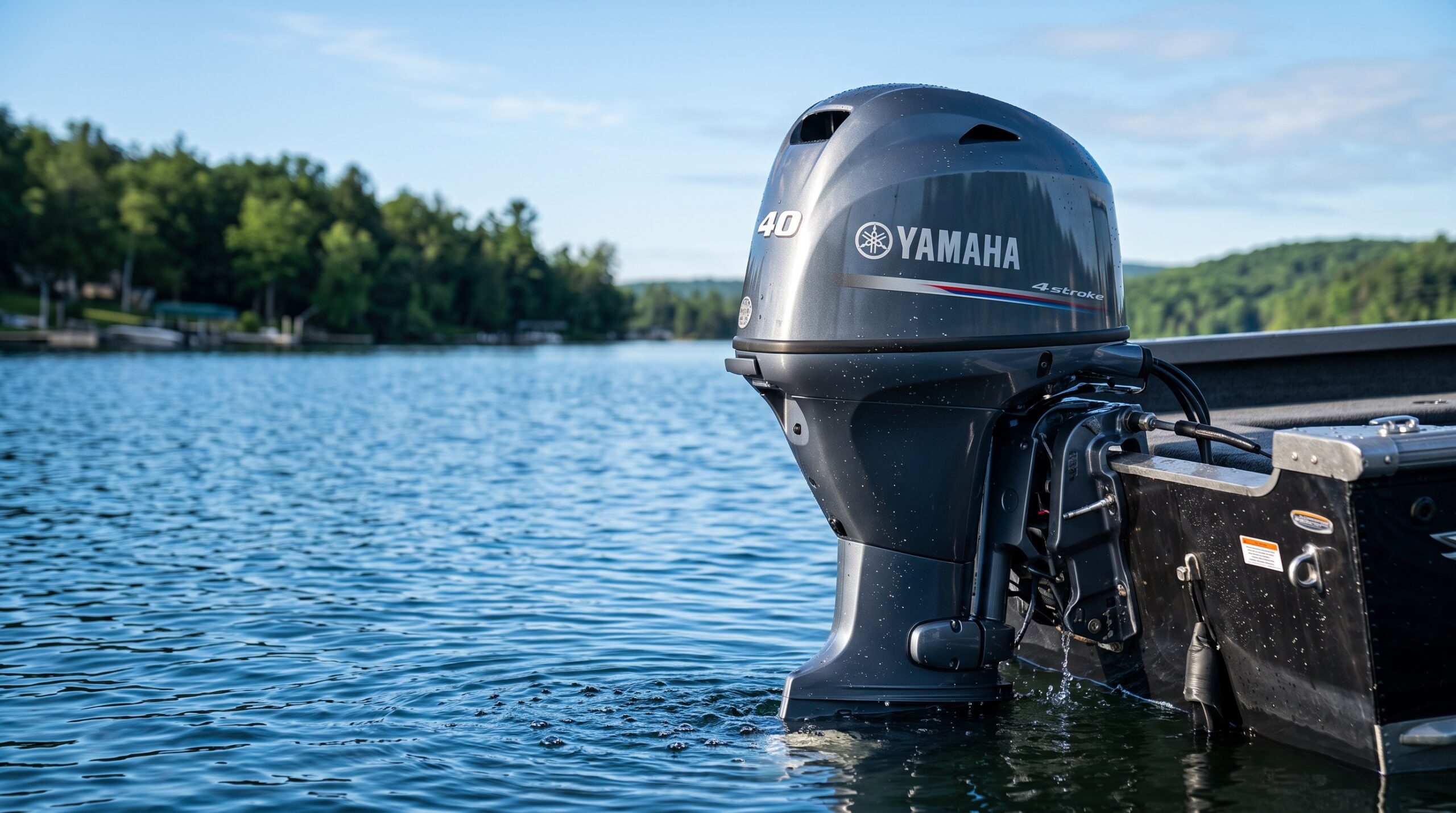
How to Estimate Maintenance and Repair Costs
Repair costs depend on the engine’s condition, the price of replacement parts, and the labor rate in your area.
A motor that needs routine service may be relatively inexpensive to prepare for use. An engine with internal damage, serious corrosion, or a failed gearcase can require much more money.
Before buying, separate possible expenses into three groups.
| Expense | Examples |
|---|---|
| Routine service | Spark plugs, filters, lubricants, impeller service |
| Repairs | Fuel system work, ignition faults, damaged seals |
| Major work | Internal engine repairs, gearcase rebuilding, extensive corrosion repair |
Ask a mechanic to estimate the likely costs before you agree on a price. If the engine needs several repairs, compare the total cost with that of another used motor in better condition.
Also check whether the parts needed for the repair are still available. A low purchase price is less attractive if a critical component is discontinued and difficult to source.
The best used Mariner outboard is not necessarily the cheapest one. It is the engine that suits your boat, has a condition you can verify, and can be maintained within your budget.
FAQ
Who makes Mariner outboard engines?
Mariner outboard engines are closely associated with Mercury Marine. Many models were produced as part of Mercury’s broader outboard business, while certain models had different manufacturing origins, including Japanese connections. The exact manufacturer and production history depend on the engine’s model and year.
Are Mariner outboards made by Mercury Marine?
Many Mariner outboards were made through Mercury Marine’s manufacturing and product arrangements. Some share important components or designs with Mercury engines. However, not every Mariner model has the same production history, so check the serial number and model details to identify a particular motor.
Are Mariner and Mercury outboards the same?
No, not necessarily. Some Mariner and Mercury outboards are closely related and may share parts, designs, or service procedures. Others differ in important ways. Always verify the exact model and part numbers before assuming that a Mercury component will fit a Mariner engine.
Where were Mariner outboard engines manufactured?
Mariner outboards came from different manufacturing arrangements over the years. Many were closely connected to Mercury production, while certain models had Japanese manufacturing connections, including Yamaha. The country of origin varies by model and production period.
Are Mariner outboard engines still available?
Used Mariner outboards remain available through marine dealers, private sellers, repair shops, and online marketplaces. Newly manufactured Mariner-branded engines are not widely marketed today. Buyers should distinguish between used, refurbished, rebuilt, and unused older stock.
Are Mariner outboard engines reliable?
A properly maintained Mariner outboard can provide useful service for many years. Reliability depends on the model, maintenance history, storage, corrosion, and current mechanical condition. Before buying an older engine, have it inspected and check whether essential replacement parts are available.
Can you use Mercury parts on a Mariner outboard?
Some Mercury parts are compatible with certain Mariner engines because of their shared design history. However, compatibility is not universal. Check the engine’s serial number and use a reliable parts catalog or qualified supplier to confirm that the replacement part is correct.
How do I find the year of my Mariner outboard engine?
Locate the identification plate and record the complete serial number and model designation. Use these details to consult an appropriate manufacturer reference, dealer, or model-specific parts catalog. Online year charts can be helpful, but they may not apply to every engine family.
Final Thoughts on Who Makes Mariner Outboard Engines
So, who makes Mariner outboard engines? The main answer is Mercury Marine, which has a close historical connection to the Mariner brand. Many Mariner models share important features with Mercury outboards, although some engines have different manufacturing origins, including connections to Japanese manufacturers.
Mariner’s history spans several decades, so there is no single manufacturing location or specification that applies to every model. The engine’s age, model, and production history all matter.
If you own a Mariner motor or plan to buy one, start by checking its model designation and serial number. Use those details to confirm the manufacturing history, find suitable replacement parts, and obtain the correct maintenance information.
With a careful inspection and proper maintenance, a suitable older Mariner outboard may continue to serve your boating needs. The key is to judge the individual engine by its condition, specifications, service history, and parts availability rather than by its brand name alone.












