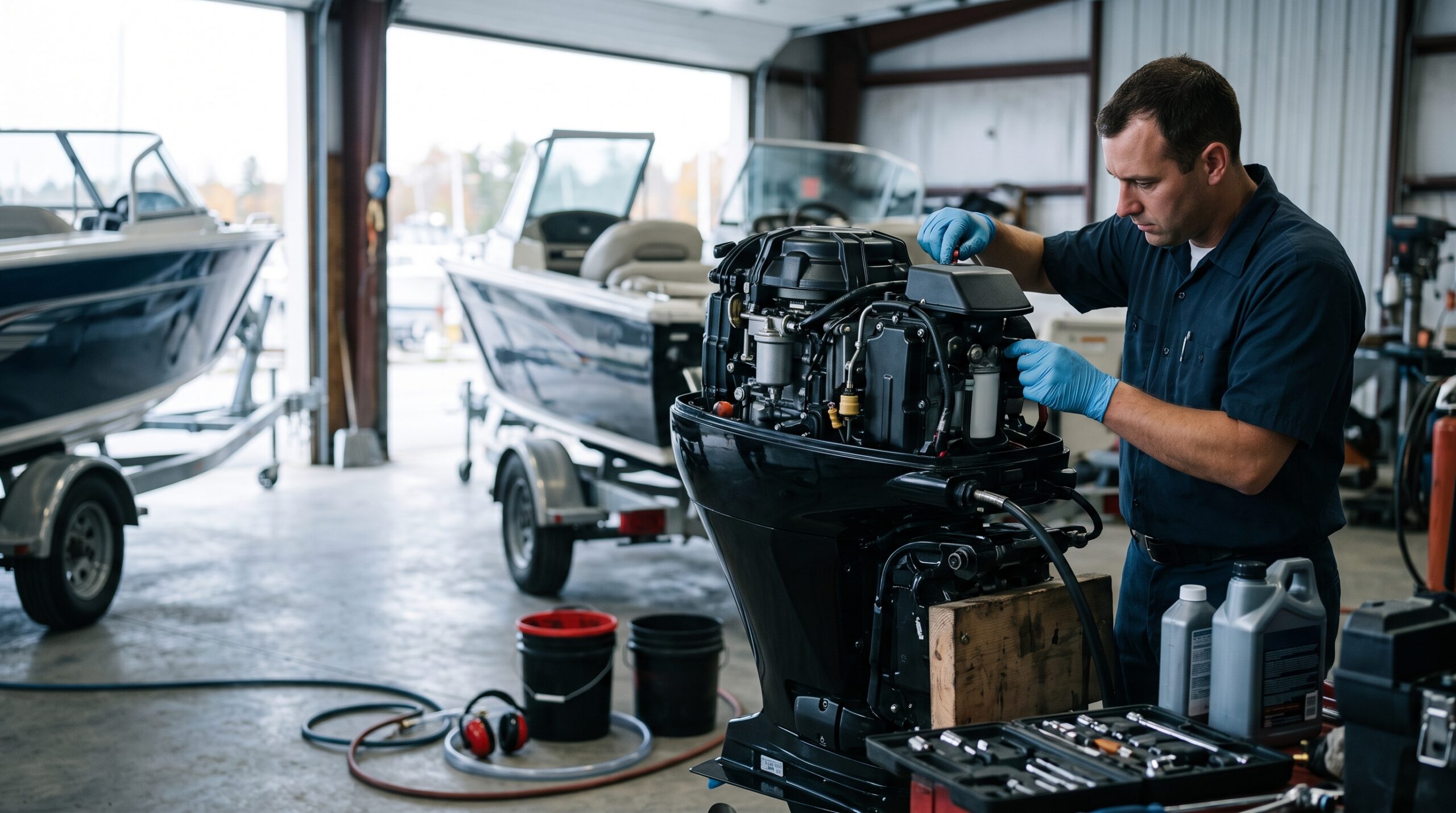
Marine Outboard Engines

How to Winterize an Outboard Boat Engine: Easy Guide

# How to Winterize a Outboard Boat Engine: Easy Guide ## Introduction Knowing how to winterize a outboard boat engine is essential for protecting your boat motor during periods of cold weather and long-term storage. An outboard engine contains several important components that require proper maintenance before the boat is taken out of regular use. Fuel systems, internal engine parts, cooling passages, electrical connections, and gearcase components can all be affected by moisture, corrosion, old fuel, and freezing temperatures. Preparing the engine before storage helps reduce the risk of expensive repairs and makes it easier to return the boat to service when the next boating season begins. Winterization is not limited to boats used in regions with heavy snowfall. Even in areas where temperatures remain relatively mild, an outboard motor can experience problems when it sits unused for weeks or months. Humidity, saltwater residue, condensation, and fuel deterioration can gradually affect engine performance. Proper seasonal maintenance helps prevent these issues while preserving the reliability of the motor. The exact winterization procedure depends on the engine manufacturer, model, fuel system, lubrication design, and storage conditions. Two-stroke and four-stroke outboard engines may require different maintenance procedures, and modern fuel-injected motors can have specific requirements that should not be ignored. The safest approach is to follow the owner's manual and use products approved for the particular engine. With the correct preparation, boat owners can protect their investment and reduce the likelihood of unexpected maintenance problems. ## Why Is It Important to Winterize an Outboard Boat Engine? Winterizing an outboard boat engine helps protect its internal and external components from damage during extended storage. Engines are designed to operate under specific conditions, and leaving them unused without proper preparation can create several maintenance challenges. Moisture may accumulate, fuel can deteriorate, and exposed metal surfaces can develop corrosion. In cold climates, water trapped in certain engine passages can freeze and expand, potentially damaging components. One of the most important reasons to winterize an outboard motor is to prevent freeze-related damage. Water can remain inside parts of the cooling system even after the engine has been switched off. If temperatures fall below freezing, trapped water may expand and damage engine components or housings. Following the manufacturer's draining and storage instructions helps reduce this risk. The engine must be positioned correctly so that water can drain as designed. Fuel protection is another major part of winter maintenance. Gasoline can lose quality during storage, particularly when it is exposed to air, heat, moisture, or unsuitable storage conditions. Deteriorated fuel may contribute to starting difficulties, rough running, clogged fuel-system components, and reduced engine performance. Fuel stabilizers approved for marine use can help maintain fuel quality when used according to their instructions. Corrosion prevention is equally important, especially for engines regularly operated in saltwater. Salt deposits can remain on external surfaces and inside areas exposed to seawater. Over time, these deposits can contribute to corrosion and damage protective finishes. Proper freshwater flushing, cleaning, inspection, and manufacturer-approved corrosion protection help maintain the condition of the motor. Winterization also creates an opportunity to identify maintenance problems before they become more serious. Inspecting the propeller, fuel lines, electrical connections, gearcase lubricant, and visible engine components can reveal damage that needs attention. Addressing these issues before storage helps reduce the chance of encountering unexpected problems when the boat is needed again. ## Tools and Supplies Needed to Winterize an Outboard Engine Preparing the necessary supplies before beginning winterization makes the process more organized and helps prevent important maintenance steps from being overlooked. The exact equipment depends on the engine type and the manufacturer's recommendations. Boat owners should consult the service manual to identify the correct lubricants, filters, flushing equipment, and protective products for their particular motor. Basic supplies may include the specified engine oil, a replacement oil filter where applicable, approved gearcase lubricant, a suitable lubricant pump, fuel stabilizer, cleaning materials, and appropriate hand tools. Some engines may also require manufacturer-approved corrosion protection products or an internal preservation treatment. Products should always match the engine's specifications because incorrect lubricants or chemicals may damage seals, coatings, or internal components. Freshwater flushing equipment is useful for removing salt and other deposits from the cooling system. Depending on the engine design, the manufacturer may specify an appropriate flushing attachment or built-in flushing connection. The correct method should be used instead of assuming that every outboard motor can be flushed in the same way. Protective gloves, safety glasses, absorbent materials, and suitable containers can help make maintenance safer and cleaner. Used engine oil and gearcase lubricant should be collected carefully and disposed of through an appropriate recycling or waste-management facility. Fuel and fuel-system work should be performed in a well-ventilated area away from flames, sparks, cigarettes, and other ignition sources. ## How to Winterize a Outboard Boat Engine Step by Step ### 1. Check the Owner's Manual The first step in learning how to winterize a outboard boat engine is to review the owner's manual for the exact motor. Manufacturers may recommend different procedures depending on engine design, fuel delivery system, lubrication method, and intended storage conditions. Following the correct instructions helps prevent mistakes that could damage the engine or affect its warranty. The manual should identify the recommended oil specifications, gearcase lubricant, fuel treatment requirements, flushing procedure, and storage position. It may also explain whether the engine requires internal preservation treatment and how the battery should be disconnected or maintained. These instructions are particularly important for modern outboard motors with electronic fuel injection, advanced engine management systems, or specialized cooling arrangements. Before beginning maintenance, inspect the engine for existing leaks, damaged hoses, loose connections, or unusual corrosion. Recording any problems makes it easier to arrange repairs before the next boating season. Winterization should not replace necessary mechanical repairs, and a damaged engine should be assessed by a qualified marine technician when appropriate. ### 2. Prepare the Fuel System Fuel-system preparation is an essential part of outboard engine winterization. Gasoline left in storage can deteriorate over time, and unsuitable storage conditions may increase the likelihood of moisture-related problems. Fuel quality can affect starting performance, combustion, and the operation of sensitive fuel-system components. The correct storage procedure depends on the engine manufacturer's guidance and the type of fuel system installed. Some manufacturers recommend adding a compatible marine fuel stabilizer to fuel that will remain in the tank during storage. The product must be suitable for the fuel type and used according to its label, including the specified dosage and mixing requirements. After adding a stabilizer, some engines require operation for a specified period so that treated fuel reaches the appropriate parts of the fuel system. Other engines may have different preservation procedures. Follow the manufacturer's instructions rather than assuming that every fuel-injected or carbureted engine should be treated identically. Fuel storage also requires attention to the boat's fuel tank and ventilation arrangements. A portable tank and a permanently installed tank may have different storage requirements. Do not fill or drain a tank based on a general rule without considering the manufacturer's instructions, local safety requirements, fuel-system design, and the expected storage environment. Inspect fuel hoses, connectors, primer bulbs where fitted, and visible fittings for cracking, deterioration, or leaks. Damaged components should be replaced before the boat returns to service. If fuel has become contaminated or has an unusual appearance or odor, seek appropriate professional guidance rather than attempting to solve the problem simply by adding more stabilizer. ### 3. Flush the Outboard Engine With Freshwater Flushing helps remove salt, sediment, and other deposits from the engine's cooling passages. It is particularly important for outboard motors that operate in saltwater or brackish environments, where mineral and salt deposits can accumulate and contribute to corrosion. Use the flushing procedure approved for the specific engine. Some motors have dedicated flushing ports, while others require an appropriate flushing attachment. The owner's manual explains whether the engine should be running during flushing and identifies any restrictions on the procedure. Never run an outboard motor without the required water supply when the manufacturer's procedure requires water circulation. Operating the engine without adequate cooling water can damage the water pump and other components. Equally, do not assume that a flushing port should be used in the same way as a traditional water-intake flushing attachment. After flushing, allow the engine to drain according to the manufacturer's instructions. If the motor has been operated in saltwater, carefully cleaning accessible external surfaces can help remove remaining deposits. Avoid directing high-pressure water at electrical connections, seals, air intakes, or other sensitive areas. Proper flushing supports cooling-system performance and reduces the accumulation of corrosive material during storage. However, flushing alone does not replace the need for inspections, lubrication, fuel-system preparation, and other winterization tasks. ### 4. Change the Engine Oil and Filter Engine oil protects moving parts by reducing friction, supporting lubrication, and helping carry contaminants away from critical surfaces. In applicable four-stroke outboard engines, changing the oil before extended storage may be recommended because used oil can contain contaminants and combustion-related by-products. Follow the manufacturer's oil-change schedule and use an oil that meets the specified viscosity and performance requirements. The engine manual should also identify the correct oil capacity, checking procedure, and replacement filter requirements. Using the wrong oil can affect lubrication and may reduce the engine's long-term reliability. The oil-change process should be carried out using the recommended method, with the engine positioned as specified. Collect the used oil in an appropriate container and avoid allowing it to enter the ground, waterways, or drainage systems. Replace the filter where required and inspect the surrounding area for leaks after the service. Two-stroke outboard engines generally use a different lubrication arrangement from conventional four-stroke engines. Some rely on oil mixed with fuel, while others use a dedicated oil-injection system. Therefore, a standard four-stroke crankcase oil-change procedure does not apply to every outboard motor. If the oil appears milky, contains unexpected water, or shows other signs of contamination, the engine may need further inspection. Changing the oil without investigating the cause of contamination may not resolve the underlying issue. ### 5. Protect Internal Engine Components Internal corrosion protection may be recommended for certain outboard engines during long-term storage. The appropriate treatment depends on the engine design and manufacturer instructions. Some motors require a specific fogging procedure, while others use an alternative preservation method or do not require the same treatment. The purpose of internal preservation is to protect appropriate metal surfaces from corrosion while the engine remains unused. Moisture can enter engine systems through normal operating conditions and environmental exposure. A suitable manufacturer-approved treatment may help reduce corrosion risks when applied correctly. Do not spray preservation products into an engine without confirming that the product and procedure are approved for the particular model. Modern fuel-injected engines, engines equipped with catalytic components, and other specialized designs may have restrictions on certain treatments. Incorrect application can interfere with sensors, combustion systems, or other components. The owner's manual should specify where the product may be applied, how the engine should be operated during treatment, and whether any additional preparation is required. If the instructions are unclear, a marine technician can identify the appropriate procedure. Internal preservation is only one part of winterization. It does not replace fuel stabilization, freshwater flushing, proper drainage, lubrication, or the inspection of external components. ### 6. Inspect the Gearcase and Change the Lubricant When Required The gearcase contains important mechanical components that transfer power from the engine to the propeller. Its lubricant helps protect gears, bearings, and other moving parts from friction and wear. Before storage, inspect the gearcase and follow the manufacturer's recommended lubricant service interval. The correct gearcase lubricant depends on the engine model and operating requirements. Use only a product that meets the manufacturer's specifications. The procedure for checking or replacing lubricant should also follow the recommended service instructions, including the correct engine position and filling method. Inspect the drained lubricant, when changing it, for unusual discoloration, excessive metallic particles, or signs of water contamination. Some variation in appearance may depend on the lubricant and operating conditions, so suspicious findings should be assessed using the manufacturer's guidance. Water contamination can indicate a damaged seal or another problem that requires repair. Inspect the propeller shaft area for fishing line, damaged seals, or other debris. Fishing line wrapped around the shaft can damage seals and allow water to enter the gearcase. Remove the propeller only if you can do so safely and follow the service instructions, paying attention to the condition of the hardware and the correct reinstallation procedure. Addressing gearcase concerns before winter storage can help prevent further damage and reduce the risk of mechanical failure during the next boating season. ### 7. Lubricate Moving Parts Appropriate lubrication helps protect designated moving parts against friction, wear, and corrosion. Outboard motors may have specific lubrication points around steering systems, linkages, pivot areas, and other mechanical components. The location and type of lubrication required depend on the engine design. Use marine-grade grease or another lubricant that meets the manufacturer's requirements. Applying the wrong product can damage certain materials or interfere with the operation of mechanical components. Avoid applying excessive grease, which may attract dirt or interfere with nearby parts. Inspect accessible steering and control components for stiffness, unusual movement, rust, or physical damage. Smooth and predictable movement is important for safe boat operation. If steering or throttle components appear damaged or do not move correctly, have them inspected before using the boat again. Not every part should be lubricated. Some components are designed to operate without additional grease, and others require specialized service procedures. Refer to the maintenance schedule to identify the correct lubrication points. Regular inspection and appropriate lubrication can help preserve mechanical function throughout the storage period and make the engine easier to prepare for spring. ### 8. Disconnect and Maintain the Battery If the outboard motor uses a starting battery or other onboard electrical battery, proper storage preparation is important. Batteries can gradually lose charge while unused, and a discharged battery may suffer damage depending on its chemistry and storage conditions. Cold temperatures can also affect battery performance. Before disconnecting a battery, follow the boat and battery manufacturer's safety instructions. Turn off electrical equipment, avoid creating sparks, and use the recommended disconnection procedure. Some modern boats contain electronic systems that require particular shutdown procedures, so the battery should not be disconnected without checking the relevant instructions. Inspect battery terminals for corrosion and check that cables and connections are secure. Clean terminals using an appropriate method and wear protective equipment when working around batteries. Never place tools across battery terminals, as this can create a dangerous short circuit. Store the battery in a suitable location that meets the manufacturer's temperature, ventilation, and charging requirements. Use a compatible charger or maintainer if recommended. Lithium, AGM, and conventional flooded lead-acid batteries may have different charging and storage requirements, so the battery type must be considered. Before the next boating season, inspect the battery, check its charge and condition, and reconnect it according to the approved procedure. Replace a damaged or unreliable battery rather than depending on it for safe engine starting. ### 9. Drain Water From the Engine Water drainage is one of the most important steps when preparing an outboard motor for freezing conditions. Water trapped in the engine's cooling passages or other designated areas may freeze and expand, potentially causing serious damage. Follow the manufacturer's instructions for positioning the motor so that water can drain correctly. Many outboard engines are designed to drain when tilted into a specified position, but the exact procedure varies. Leaving the motor tilted incorrectly may allow water to remain trapped in areas that should be drained before storage. Do not assume that a brief freshwater flush guarantees that every part of the engine is free of water. The flushing procedure and the drainage procedure serve different purposes. The owner's manual should explain how to allow the cooling system to drain after operation and whether additional steps are required. In freezing climates, confirm that the engine is stored in the recommended position throughout the cold season. If the boat has additional water-containing systems, such as onboard plumbing or washdown equipment, those systems may need separate winterization procedures. When temperatures regularly fall below freezing, professional advice may be useful if the engine has unusual cooling arrangements or if there is uncertainty about its drainage requirements. Correct preparation can prevent expensive damage and help maintain engine reliability. ### 10. Prepare the Engine for Storage Once the main winterization tasks are complete, prepare the motor for the expected storage conditions. The engine should be kept in the position recommended by its manufacturer, with attention to drainage, ventilation, weather exposure, and access for inspection. Clean external surfaces and remove dirt, salt deposits, and other contaminants. Allow appropriate areas to dry before covering the engine. Apply approved corrosion protection to designated external surfaces when recommended, taking care to avoid belts, electrical connectors, air intakes, and other areas that should remain free of protective products. Use a suitable engine cover that protects against rain, dust, and debris while allowing appropriate ventilation. A cover that traps excessive moisture can encourage corrosion, mildew, or deterioration of nearby materials. Follow the cover manufacturer's recommendations and ensure that the cover is properly secured against wind and weather. Choose a storage location that provides suitable protection from environmental exposure and unauthorized access. Indoor storage may reduce exposure to rain, sunlight, and airborne contaminants, while outdoor storage requires particular attention to weather protection and moisture control. During the storage period, inspect the motor periodically if practical. Look for signs of leakage, corrosion, cover damage, animal activity, or other changes that could affect the engine. Addressing problems early can prevent additional deterioration before the boating season returns. ## How to Winterize Different Types of Outboard Engines ### Winterizing a Two-Stroke Outboard Engine Two-stroke outboard engines use a lubrication system that differs from the conventional crankcase oil arrangement found in four-stroke motors. Depending on the model, lubrication may be supplied through premixed fuel or a dedicated oil-injection system. This difference affects the appropriate maintenance procedure before storage. Fuel preparation, freshwater flushing, external cleaning, corrosion prevention, and proper storage positioning remain important. However, owners should not apply four-stroke crankcase oil-change instructions to a two-stroke engine unless the manufacturer specifies a separate applicable procedure. Some two-stroke motors may require internal preservation treatment, while others have model-specific requirements for fuel and lubrication systems. Follow the exact instructions for the engine rather than relying on a generic winterization checklist. ### Winterizing a Four-Stroke Outboard Engine Four-stroke outboard engines have engine oil circulating through a dedicated lubrication system. Their winterization procedures commonly include checking or changing engine oil and the oil filter according to the manufacturer's schedule. Correct oil specifications and filling procedures are essential to avoid overfilling or insufficient lubrication. Fuel-system protection, cooling-system flushing, gearcase maintenance, battery care, and proper storage remain important. Some four-stroke models may also require specialized internal preservation or other maintenance tasks. The manufacturer's manual should determine which services are required before extended storage. Engine size alone does not determine every maintenance requirement because designs, service intervals, and fuel systems can differ. ### Winterizing Fuel-Injected Outboard Engines Fuel-injected outboard motors use components that control the delivery of fuel to the engine. These systems may be sensitive to contaminated fuel, deposits, and unsuitable maintenance products. Fuel stabilization and storage preparation must therefore follow the manufacturer's instructions. Do not assume that a procedure suitable for a carbureted engine will be appropriate for a fuel-injected model. Certain preservation methods may be restricted or require a specific sequence. Use only approved products and avoid disassembling fuel-system components unless you have the necessary knowledge and equipment. ### Winterizing Saltwater Outboard Engines Saltwater operation exposes outboard engines to corrosive deposits that can affect external surfaces, cooling passages, fasteners, and other components. Thorough freshwater flushing is particularly important for these motors. Inspect exposed metal surfaces and accessible fittings for corrosion. Clean the motor using approved methods and apply recommended corrosion protection where appropriate. Pay attention to the propeller area, mounting hardware, electrical connections, and other locations exposed to seawater. Even when a boat is stored in a relatively warm climate, saltwater residue and humidity can cause damage during long periods of inactivity. Proper cleaning and inspection should therefore remain part of routine seasonal maintenance. ## Common Outboard Engine Winterization Mistakes One common mistake is assuming that every outboard engine follows the same winterization procedure. Two-stroke, four-stroke, carbureted, and fuel-injected engines can have different maintenance requirements. Ignoring these differences may lead to incorrect lubrication, unsuitable preservation treatments, or improper fuel-system preparation. Another mistake is forgetting to drain water from the engine correctly. Freshwater flushing helps remove contaminants, but the engine must also be positioned and drained according to the manufacturer's instructions. Water left in areas vulnerable to freezing can cause serious damage. Neglecting the fuel system can also create problems. Old fuel may deteriorate during storage, while moisture or contamination can affect engine performance. Use approved fuel-treatment products when recommended and follow the specified storage procedure. Battery neglect is another avoidable issue. A battery left discharged for an extended period may lose capacity or become unusable. Proper disconnection, storage, and charging practices help maintain battery condition. Some boat owners overlook gearcase lubricant, propeller-shaft inspection, or external corrosion protection. These components may not be immediately visible during normal operation, but problems can become more serious if left untreated. Inspecting them before storage provides an opportunity to identify maintenance needs. Finally, unsuitable storage can undermine otherwise careful winterization. A cover that traps moisture, incorrect engine positioning, or exposure to severe weather may create additional risks. The engine should be stored according to its manufacturer's recommendations and checked periodically throughout the storage period. ## Can You Winterize an Outboard Boat Engine Yourself? Many boat owners can complete routine winterization tasks if they have the appropriate tools, maintenance knowledge, and manufacturer instructions. Basic activities may include cleaning the engine, flushing the cooling system, inspecting external components, maintaining the battery, and preparing the storage area. However, the complexity of the procedure depends on the engine model and the owner's experience. Modern fuel-injected motors, electronic systems, specialized lubrication arrangements, and certain preservation procedures may require additional technical knowledge. A mistake involving fuel, electrical components, or engine lubrication can create safety risks or lead to expensive repairs. Professional marine servicing may be appropriate when the engine shows signs of leakage, unusual noises, overheating, lubricant contamination, damaged fuel lines, or persistent starting problems. A qualified technician can inspect components that may be difficult to assess without specialized equipment. Boat owners should also consider the value of keeping maintenance records. Documenting the services performed, the products used, and any repairs identified helps maintain a consistent maintenance schedule. These records can also be useful when arranging professional servicing or preparing the engine for the next season. ## How Much Does It Cost to Winterize an Outboard Boat Engine? The cost of winterizing an outboard engine depends on its size, design, condition, service requirements, and storage environment. Owners who perform routine maintenance themselves generally pay for the necessary fluids, filters, fuel-treatment products, and other supplies. Additional expenses may arise if the engine requires replacement parts or repairs before storage. Professional winterization usually costs more because the service may include labor, inspection, fluid replacement, fuel-system preparation, corrosion protection, and other maintenance tasks. The actual service package varies between marine repair shops, so it is important to confirm what is included before approving the work. Larger or more complex engines may require additional labor and more specialized products. Engines that have been used heavily, operated in saltwater, or neglected during previous maintenance periods may also require extra attention. To estimate the cost accurately, consult the engine manufacturer's service schedule and request a quote from a qualified marine technician. Comparing service details is more useful than choosing a provider based only on the lowest advertised price. Proper winterization can help reduce the likelihood of avoidable repairs, but it cannot guarantee that an engine will never develop a mechanical problem. Regular maintenance and timely repairs remain important throughout the year. ## How to Store an Outboard Boat Engine During Winter Correct storage helps preserve the benefits of winterization. The engine should remain in the position specified by the manufacturer, particularly when drainage depends on its angle. If the motor is stored on a boat, make sure the boat is secured appropriately and that the engine is supported as recommended. Indoor storage can reduce exposure to rain, direct sunlight, and some environmental contaminants. However, indoor storage areas still require suitable ventilation and moisture control. Outdoor storage can also be suitable when the engine is prepared correctly and protected with an appropriate cover. Avoid sealing the engine in a way that traps condensation. Moisture accumulation can contribute to corrosion and deterioration of exposed components. Use a cover designed for the engine or boat, and follow the product's guidance regarding ventilation and weather protection. Protect the storage area from pests where practical. Animals may damage wiring, hoses, insulation, or other components if they enter the engine compartment or surrounding storage space. Inspect the area periodically and address any signs of animal activity. If the boat is stored in a region with freezing temperatures, pay particular attention to drainage and storage position. Never assume that a protective cover alone will prevent freeze-related damage. The engine's cooling system must be prepared according to the manufacturer's requirements. ## How to Prepare an Outboard Engine for Spring When the storage period ends, inspect the outboard engine before attempting to start it. Check for visible corrosion, leaks, damaged hoses, loose connections, and signs of animal activity. Remove the storage cover carefully and make sure that no foreign objects obstruct ventilation or moving components. Check the engine oil and gearcase lubricant where applicable. Confirm that fluid levels are correct and investigate unusual discoloration or signs of contamination. If the battery was disconnected, inspect its condition and reconnect it using the approved procedure. Inspect the propeller for damage and make sure that its hardware is correctly installed. Check steering movement and control operation, and confirm that the fuel system has no visible leaks. Replace deteriorated fuel or service the system as recommended by the manufacturer. Before starting the motor, confirm that the cooling-water supply and startup procedure meet the manufacturer's requirements. Never run an outboard engine in an unsafe or inadequately ventilated environment. If the motor requires an external water supply for operation, provide it using the approved method. Follow the manufacturer's startup and maintenance instructions, including any requirements for inspection, lubrication, or servicing after extended storage. Pay attention to warning indicators, unusual noises, abnormal vibration, or signs of overheating. Stop the engine and seek professional assistance if a serious problem appears. Preparing the engine carefully for spring helps confirm that the winterization process has been effective and that the boat is ready for safe operation. ## Frequently Asked Questions ### Do All Outboard Boat Engines Need Winterizing? All outboard engines benefit from appropriate preparation before extended periods of storage, but the specific procedures vary. Engines stored in freezing climates require particular attention to drainage, while motors used in warm or humid environments still need protection against fuel deterioration, moisture, and corrosion. The manufacturer's instructions should determine the required tasks. ### Can an Outboard Engine Freeze If It Is Stored Outside? Yes. An outboard engine can suffer freeze-related damage if water remains trapped in vulnerable areas and temperatures fall below freezing. Outdoor storage does not automatically cause damage, but correct drainage, engine positioning, and adherence to the manufacturer's winterization procedure are essential. ### Should You Change the Oil Before Winter Storage? For many four-stroke outboard engines, changing the engine oil before extended storage is recommended when specified by the maintenance schedule. Used oil can contain contaminants, and replacing it may help protect internal components. Always follow the service interval and oil specifications for the particular engine. Two-stroke motors generally have different lubrication requirements. ### Do You Need Fuel Stabilizer for an Outboard Motor? Fuel stabilizer may be recommended when gasoline will remain in the fuel system during storage. Use a product approved for the engine and fuel type, and follow the label instructions. Some manufacturers specify alternative fuel-storage procedures, so stabilizer should not be treated as a universal solution for every motor. ### Should an Outboard Engine Be Stored Vertically or Horizontally? The correct storage position depends on the engine model and the manufacturer's instructions. Many outboard motors should be stored in a specified vertical or fully lowered position so that water drains properly. Smaller portable engines may have different storage requirements. Never lay an engine on its side unless the manual identifies an approved position. ### How Long Does It Take to Winterize an Outboard Boat Engine? The time required depends on engine size, the maintenance tasks involved, the condition of the motor, and the owner's experience. Basic preparation may take a few hours, while a full service involving fluid changes, inspection, repairs, and specialized procedures can take longer. The manufacturer's service requirements should guide the process. ### Can You Winterize an Outboard Engine Without a Mechanic? Yes, many routine winterization tasks can be completed by a knowledgeable boat owner who has the right tools and follows the owner's manual. However, complex fuel-system procedures, significant mechanical problems, and specialized service requirements may need a qualified marine technician. ### Is Flushing Enough to Winterize an Outboard Engine? No. Flushing removes contaminants from the cooling system, but it does not address every winterization requirement. Fuel preparation, drainage, lubrication, battery maintenance, corrosion protection, and storage preparation may also be necessary. The exact checklist depends on the engine model and storage conditions. ### Can You Leave Fuel in an Outboard Engine During Winter? Whether fuel should remain in the engine or tank depends on the fuel system, storage conditions, and manufacturer recommendations. Some systems are designed to be stored with properly treated fuel, while others require a different procedure. Follow the specified instructions and avoid leaving fuel untreated when the manufacturer requires stabilization or another preservation method. ### What Happens If You Do Not Winterize an Outboard Motor? An engine that is not properly prepared for extended storage may develop fuel-system problems, corrosion, battery deterioration, or freeze-related damage. The severity depends on environmental conditions and the engine's design. Proper winterization reduces these risks and helps maintain reliability. ## Conclusion Learning how to winterize a outboard boat engine is an important part of responsible boat ownership. Proper preparation protects the fuel system, reduces corrosion, supports effective lubrication, and helps prevent damage caused by freezing water. Cleaning, flushing, inspection, battery maintenance, and suitable storage practices all contribute to preserving the engine during extended periods of inactivity. The most reliable winterization procedure is the one designed for your specific outboard motor. Two-stroke and four-stroke engines, as well as carbureted and fuel-injected models, may require different maintenance steps. Always consult the owner's manual and use approved products to avoid damaging sensitive components. By completing the required maintenance before storage and inspecting the engine again before spring startup, boat owners can reduce avoidable problems and prepare for a more dependable boating season. Consistent maintenance throughout the year is the best way to protect an outboard engine and help it deliver reliable performance for years to come.

Knowing how to winterize a outboard boat engine is essential for protecting your boat motor during periods of cold weather and long-term storage. An outboard engine contains several important components that require proper maintenance before the boat is taken out of regular use. Fuel systems, internal engine parts, cooling passages, electrical connections, and gearcase components can all be affected by moisture, corrosion, old fuel, and freezing temperatures. Preparing the engine before storage helps reduce the risk of expensive repairs and makes it easier to return the boat to service when the next boating season begins.

Winterization is not limited to boats used in regions with heavy snowfall. Even in areas where temperatures remain relatively mild, an outboard motor can experience problems when it sits unused for weeks or months. Humidity, saltwater residue, condensation, and fuel deterioration can gradually affect engine performance. Proper seasonal maintenance helps prevent these issues while preserving the reliability of the motor.

The exact winterization procedure depends on the engine manufacturer, model, fuel system, lubrication design, and storage conditions. Two-stroke and four-stroke outboard engines may require different maintenance procedures, and modern fuel-injected motors can have specific requirements that should not be ignored. The safest approach is to follow the owner’s manual and use products approved for the particular engine. With the correct preparation, boat owners can protect their investment and reduce the likelihood of unexpected maintenance problems.

Table of Contents

Why Is It Important to Winterize an Outboard Boat Engine?

Winterizing an outboard boat engine helps protect its internal and external components from damage during extended storage. Engines are designed to operate under specific conditions, and leaving them unused without proper preparation can create several maintenance challenges. Moisture may accumulate, fuel can deteriorate, and exposed metal surfaces can develop corrosion. In cold climates, water trapped in certain engine passages can freeze and expand, potentially damaging components.

One of the most important reasons to winterize an outboard motor is to prevent freeze-related damage. Water can remain inside parts of the cooling system even after the engine has been switched off. If temperatures fall below freezing, trapped water may expand and damage engine components or housings. Following the manufacturer’s draining and storage instructions helps reduce this risk. The engine must be positioned correctly so that water can drain as designed.

Fuel protection is another major part of winter maintenance. Gasoline can lose quality during storage, particularly when it is exposed to air, heat, moisture, or unsuitable storage conditions. Deteriorated fuel may contribute to starting difficulties, rough running, clogged fuel-system components, and reduced engine performance. Fuel stabilizers approved for marine use can help maintain fuel quality when used according to their instructions.

Corrosion prevention is equally important, especially for engines regularly operated in saltwater. Salt deposits can remain on external surfaces and inside areas exposed to seawater. Over time, these deposits can contribute to corrosion and damage protective finishes. Proper freshwater flushing, cleaning, inspection, and manufacturer-approved corrosion protection help maintain the condition of the motor.

Winterization also creates an opportunity to identify maintenance problems before they become more serious. Inspecting the propeller, fuel lines, electrical connections, gearcase lubricant, and visible engine components can reveal damage that needs attention. Addressing these issues before storage helps reduce the chance of encountering unexpected problems when the boat is needed again.

Tools and Supplies Needed to Winterize an Outboard Engine

Preparing the necessary supplies before beginning winterization makes the process more organized and helps prevent important maintenance steps from being overlooked. The exact equipment depends on the engine type and the manufacturer’s recommendations. Boat owners should consult the service manual to identify the correct lubricants, filters, flushing equipment, and protective products for their particular motor.

Basic supplies may include the specified engine oil, a replacement oil filter where applicable, approved gearcase lubricant, a suitable lubricant pump, fuel stabilizer, cleaning materials, and appropriate hand tools. Some engines may also require manufacturer-approved corrosion protection products or an internal preservation treatment. Products should always match the engine’s specifications because incorrect lubricants or chemicals may damage seals, coatings, or internal components.

Freshwater flushing equipment is useful for removing salt and other deposits from the cooling system. Depending on the engine design, the manufacturer may specify an appropriate flushing attachment or built-in flushing connection. The correct method should be used instead of assuming that every outboard motor can be flushed in the same way.

Protective gloves, safety glasses, absorbent materials, and suitable containers can help make maintenance safer and cleaner. Used engine oil and gearcase lubricant should be collected carefully and disposed of through an appropriate recycling or waste-management facility. Fuel and fuel-system work should be performed in a well-ventilated area away from flames, sparks, cigarettes, and other ignition sources.

How to Winterize a Outboard Boat Engine Step by Step

1. Check the Owner’s Manual

The first step in learning how to winterize a outboard boat engine is to review the owner’s manual for the exact motor. Manufacturers may recommend different procedures depending on engine design, fuel delivery system, lubrication method, and intended storage conditions. Following the correct instructions helps prevent mistakes that could damage the engine or affect its warranty.

The manual should identify the recommended oil specifications, gearcase lubricant, fuel treatment requirements, flushing procedure, and storage position. It may also explain whether the engine requires internal preservation treatment and how the battery should be disconnected or maintained. These instructions are particularly important for modern outboard motors with electronic fuel injection, advanced engine management systems, or specialized cooling arrangements.

Before beginning maintenance, inspect the engine for existing leaks, damaged hoses, loose connections, or unusual corrosion. Recording any problems makes it easier to arrange repairs before the next boating season. Winterization should not replace necessary mechanical repairs, and a damaged engine should be assessed by a qualified marine technician when appropriate.

2. Prepare the Fuel System

Fuel-system preparation is an essential part of outboard engine winterization. Gasoline left in storage can deteriorate over time, and unsuitable storage conditions may increase the likelihood of moisture-related problems. Fuel quality can affect starting performance, combustion, and the operation of sensitive fuel-system components.

The correct storage procedure depends on the engine manufacturer’s guidance and the type of fuel system installed. Some manufacturers recommend adding a compatible marine fuel stabilizer to fuel that will remain in the tank during storage. The product must be suitable for the fuel type and used according to its label, including the specified dosage and mixing requirements.

After adding a stabilizer, some engines require operation for a specified period so that treated fuel reaches the appropriate parts of the fuel system. Other engines may have different preservation procedures. Follow the manufacturer’s instructions rather than assuming that every fuel-injected or carbureted engine should be treated identically.

Fuel storage also requires attention to the boat’s fuel tank and ventilation arrangements. A portable tank and a permanently installed tank may have different storage requirements. Do not fill or drain a tank based on a general rule without considering the manufacturer’s instructions, local safety requirements, fuel-system design, and the expected storage environment.

Inspect fuel hoses, connectors, primer bulbs where fitted, and visible fittings for cracking, deterioration, or leaks. Damaged components should be replaced before the boat returns to service. If fuel has become contaminated or has an unusual appearance or odor, seek appropriate professional guidance rather than attempting to solve the problem simply by adding more stabilizer.

3. Flush the Outboard Engine With Freshwater

Flushing helps remove salt, sediment, and other deposits from the engine’s cooling passages. It is particularly important for outboard motors that operate in saltwater or brackish environments, where mineral and salt deposits can accumulate and contribute to corrosion.

Use the flushing procedure approved for the specific engine. Some motors have dedicated flushing ports, while others require an appropriate flushing attachment. The owner’s manual explains whether the engine should be running during flushing and identifies any restrictions on the procedure.

Never run an outboard motor without the required water supply when the manufacturer’s procedure requires water circulation. Operating the engine without adequate cooling water can damage the water pump and other components. Equally, do not assume that a flushing port should be used in the same way as a traditional water-intake flushing attachment.

After flushing, allow the engine to drain according to the manufacturer’s instructions. If the motor has been operated in saltwater, carefully cleaning accessible external surfaces can help remove remaining deposits. Avoid directing high-pressure water at electrical connections, seals, air intakes, or other sensitive areas.

Proper flushing supports cooling-system performance and reduces corrosive material buildup during storage. However, flushing alone does not replace the need for inspections, lubrication, fuel-system preparation, and other winterization tasks.

4. Change the Engine Oil and Filter

Engine oil protects moving parts by reducing friction, supporting lubrication, and helping carry contaminants away from critical surfaces. In applicable four-stroke outboard engines, changing the oil before extended storage may be recommended because used oil can contain contaminants and combustion-related by-products.

Follow the manufacturer’s oil-change schedule and use an oil that meets the specified viscosity and performance requirements. The engine manual should also identify the correct oil capacity, checking procedure, and replacement filter requirements. Using the wrong oil can affect lubrication and may reduce the engine’s long-term reliability.

The oil-change process should be carried out using the recommended method, with the engine positioned as specified. Collect the used oil in an appropriate container and avoid allowing it to enter the ground, waterways, or drainage systems. Replace the filter where required and inspect the surrounding area for leaks after the service.

Two-stroke outboard engines generally use a different lubrication arrangement from conventional four-stroke engines. Some rely on oil mixed with fuel, while others use a dedicated oil-injection system. Therefore, a standard four-stroke crankcase oil-change procedure does not apply to every outboard motor.

If the oil appears milky, contains unexpected water, or shows other signs of contamination, the engine may need further inspection. Changing the oil without investigating the cause of contamination may not resolve the underlying issue.

5. Protect Internal Engine Components

Internal corrosion protection may be recommended for certain outboard engines during long-term storage. The appropriate treatment depends on the engine design and manufacturer instructions. Some motors require a specific fogging procedure, while others use an alternative preservation method or do not require the same treatment.

The purpose of internal preservation is to protect appropriate metal surfaces from corrosion while the engine remains unused. Moisture can enter engine systems through normal operating conditions and environmental exposure. A suitable manufacturer-approved treatment may help reduce corrosion risks when applied correctly.

Do not spray preservation products into an engine without confirming that the product and procedure are approved for the particular model. Modern fuel-injected engines, engines equipped with catalytic components, and other specialized designs may have restrictions on certain treatments. Incorrect application can interfere with sensors, combustion systems, or other components.

The owner’s manual should specify where the product may be applied, how the engine should be operated during treatment, and whether any additional preparation is required. If the instructions are unclear, a marine technician can identify the appropriate procedure.

Internal preservation is only one part of winterization. It does not replace fuel stabilization, freshwater flushing, proper drainage, lubrication, or the inspection of external components.

6. Inspect the Gearcase and Change the Lubricant When Required

The gearcase contains important mechanical components that transfer power from the engine to the propeller. Its lubricant helps protect gears, bearings, and other moving parts from friction and wear. Before storage, inspect the gearcase and follow the manufacturer’s recommended lubricant service interval.

The correct gearcase lubricant depends on the engine model and operating requirements. Use only a product that meets the manufacturer’s specifications. The procedure for checking or replacing lubricant should also follow the recommended service instructions, including the correct engine position and filling method.

Inspect the drained lubricant, when changing it, for unusual discoloration, excessive metallic particles, or signs of water contamination. Some variation in appearance may depend on the lubricant and operating conditions, so suspicious findings should be assessed using the manufacturer’s guidance. Water contamination can indicate a damaged seal or another problem that requires repair.

Inspect the propeller shaft area for fishing line, damaged seals, or other debris. Fishing line wrapped around the shaft can damage seals and allow water to enter the gearcase. Remove the propeller only if you can do so safely and follow the service instructions, paying attention to the condition of the hardware and the correct reinstallation procedure.

Addressing gearcase concerns before winter storage can help prevent further damage and reduce the risk of mechanical failure during the next boating season.

7. Lubricate Moving Parts

Appropriate lubrication helps protect designated moving parts against friction, wear, and corrosion. Outboard motors may have specific lubrication points around steering systems, linkages, pivot areas, and other mechanical components. The location and type of lubrication required depend on the engine design.

Use marine-grade grease or another lubricant that meets the manufacturer’s requirements. Applying the wrong product can damage certain materials or interfere with the operation of mechanical components. Avoid applying excessive grease, which may attract dirt or interfere with nearby parts.

Inspect accessible steering and control components for stiffness, unusual movement, rust, or physical damage. Smooth and predictable movement is important for safe boat operation. If steering or throttle components appear damaged or do not move correctly, have them inspected before using the boat again.

Not every part should be lubricated. Some components are designed to operate without additional grease, and others require specialized service procedures. Refer to the maintenance schedule to identify the correct lubrication points.

Regular inspection and appropriate lubrication can help preserve mechanical function throughout the storage period and make the engine easier to prepare for spring.

8. Disconnect and Maintain the Battery

If the outboard motor uses a starting battery or other onboard electrical battery, proper storage preparation is important. Batteries can gradually lose charge while unused, and a discharged battery may suffer damage depending on its chemistry and storage conditions. Cold temperatures can also affect battery performance.

Before disconnecting a battery, follow the boat and battery manufacturer’s safety instructions. Turn off electrical equipment, avoid creating sparks, and use the recommended disconnection procedure. Some modern boats contain electronic systems that require particular shutdown procedures, so the battery should not be disconnected without checking the relevant instructions.

Inspect battery terminals for corrosion and check that cables and connections are secure. Clean terminals using an appropriate method and wear protective equipment when working around batteries. Never place tools across battery terminals, as this can create a dangerous short circuit.

Store the battery in a suitable location that meets the manufacturer’s temperature, ventilation, and charging requirements. Use a compatible charger or maintainer if recommended. Lithium, AGM, and conventional flooded lead-acid batteries may have different charging and storage requirements, so the battery type must be considered.

Before the next boating season, inspect the battery, check its charge and condition, and reconnect it according to the approved procedure. Replace a damaged or unreliable battery rather than depending on it for safe engine starting.

9. Drain Water From the Engine

Water drainage is one of the most important steps when preparing an outboard motor for freezing conditions. Water trapped in the engine’s cooling passages or other designated areas may freeze and expand, potentially causing serious damage.

Follow the manufacturer’s instructions for positioning the motor so that water can drain correctly. Many outboard engines are designed to drain when tilted into a specified position, but the exact procedure varies. Leaving the motor tilted incorrectly may allow water to remain trapped in areas that should be drained before storage.

Do not assume that a brief freshwater flush guarantees that every part of the engine is free of water. The flushing procedure and the drainage procedure serve different purposes. The owner’s manual should explain how to allow the cooling system to drain after operation and whether additional steps are required.

In freezing climates, confirm that the engine is stored in the recommended position throughout the cold season. If the boat has additional water-containing systems, such as onboard plumbing or washdown equipment, those systems may need separate winterization procedures.

When temperatures regularly fall below freezing, professional advice may be useful if the engine has unusual cooling arrangements or if there is uncertainty about its drainage requirements. Correct preparation can prevent expensive damage and help maintain engine reliability.

10. Prepare the Engine for Storage

Once the main winterization tasks are complete, prepare the motor for the expected storage conditions. The engine should be kept in the position recommended by its manufacturer, with attention to drainage, ventilation, weather exposure, and access for inspection.

Clean external surfaces and remove dirt, salt deposits, and other contaminants. Allow appropriate areas to dry before covering the engine. Apply approved corrosion protection to designated external surfaces when recommended, taking care to avoid belts, electrical connectors, air intakes, and other areas that should remain free of protective products.

Use a suitable engine cover that protects against rain, dust, and debris while allowing appropriate ventilation. A cover that traps excessive moisture can encourage corrosion, mildew, or deterioration of nearby materials. Follow the cover manufacturer’s recommendations and ensure that the cover is properly secured against wind and weather.

Choose a storage location that provides suitable protection from environmental exposure and unauthorized access. Indoor storage may reduce exposure to rain, sunlight, and airborne contaminants, while outdoor storage requires particular attention to weather protection and moisture control.

During the storage period, inspect the motor periodically if practical. Look for signs of leakage, corrosion, cover damage, animal activity, or other changes that could affect the engine. Addressing problems early can prevent additional deterioration before the boating season returns.

How to Winterize Different Types of Outboard Engines

Winterizing a Two-Stroke Outboard Engine

Two-stroke outboard engines use a lubrication system that differs from the conventional crankcase oil arrangement found in four-stroke motors. Depending on the model, lubrication may be supplied through premixed fuel or a dedicated oil-injection system. This difference affects the appropriate maintenance procedure before storage.

Fuel preparation, freshwater flushing, external cleaning, corrosion prevention, and proper storage positioning remain important. However, owners should not apply four-stroke crankcase oil-change instructions to a two-stroke engine unless the manufacturer specifies a separate applicable procedure.

Some two-stroke motors may require internal preservation treatment, while others have model-specific requirements for fuel and lubrication systems. Follow the exact instructions for the engine rather than relying on a generic winterization checklist.

Winterizing a Four-Stroke Outboard Engine

Four-stroke outboard engines have engine oil circulating through a dedicated lubrication system. Their winterization procedures commonly include checking or changing engine oil and the oil filter according to the manufacturer’s schedule. Correct oil specifications and filling procedures are essential to avoid overfilling or insufficient lubrication.

Fuel-system protection, cooling-system flushing, gearcase maintenance, battery care, and proper storage remain important. Some four-stroke models may also require specialized internal preservation or other maintenance tasks.

The manufacturer’s manual should determine which services are required before extended storage. Engine size alone does not determine every maintenance requirement because designs, service intervals, and fuel systems can differ.

Winterizing Fuel-Injected Outboard Engines

Fuel-injected outboard motors use components that control the delivery of fuel to the engine. These systems may be sensitive to contaminated fuel, deposits, and unsuitable maintenance products. Fuel stabilization and storage preparation must therefore follow the manufacturer’s instructions.

Do not assume that a procedure suitable for a carbureted engine will be appropriate for a fuel-injected model. Certain preservation methods may be restricted or require a specific sequence. Use only approved products and avoid disassembling fuel-system components unless you have the necessary knowledge and equipment.

Winterizing Saltwater Outboard Engines

Saltwater operation exposes outboard engines to corrosive deposits that can affect external surfaces, cooling passages, fasteners, and other components. Thorough freshwater flushing is particularly important for these motors.

Inspect exposed metal surfaces and accessible fittings for corrosion. Clean the motor using approved methods and apply recommended corrosion protection where appropriate. Pay attention to the propeller area, mounting hardware, electrical connections, and other locations exposed to seawater.

Even when a boat is stored in a relatively warm climate, saltwater residue and humidity can cause damage during long periods of inactivity. Proper cleaning and inspection should therefore remain part of routine seasonal maintenance.

Common Outboard Engine Winterization Mistakes

One common mistake is assuming that every outboard engine follows the same winterization procedure. Two-stroke, four-stroke, carbureted, and fuel-injected engines can have different maintenance requirements. Ignoring these differences may lead to incorrect lubrication, unsuitable preservation treatments, or improper fuel-system preparation.

Another mistake is forgetting to drain water from the engine correctly. Freshwater flushing helps remove contaminants, but the engine must also be positioned and drained according to the manufacturer’s instructions. Water left in areas vulnerable to freezing can cause serious damage.

Neglecting the fuel system can also create problems. Old fuel may deteriorate during storage, while moisture or contamination can affect engine performance. Use approved fuel-treatment products when recommended and follow the specified storage procedure.

Battery neglect is another avoidable issue. A battery left discharged for an extended period may lose capacity or become unusable. Proper disconnection, storage, and charging practices help maintain battery condition.

Some boat owners overlook gearcase lubricant, propeller-shaft inspection, or external corrosion protection. These components may not be immediately visible during normal operation, but problems can become more serious if left untreated. Inspecting them before storage provides an opportunity to identify maintenance needs.

Finally, unsuitable storage can undermine otherwise careful winterization. A cover that traps moisture, incorrect engine positioning, or exposure to severe weather may create additional risks. The engine should be stored according to its manufacturer’s recommendations and checked periodically throughout the storage period.

Can You Winterize an Outboard Boat Engine Yourself?

Many boat owners can complete routine winterization tasks if they have the appropriate tools, maintenance knowledge, and manufacturer instructions. Basic activities may include cleaning the engine, flushing the cooling system, inspecting external components, maintaining the battery, and preparing the storage area.

However, the complexity of the procedure depends on the engine model and the owner’s experience. Modern fuel-injected motors, electronic systems, specialized lubrication arrangements, and certain preservation procedures may require additional technical knowledge. A mistake involving fuel, electrical components, or engine lubrication can create safety risks or lead to expensive repairs.

Professional marine servicing may be appropriate when the engine shows signs of leakage, unusual noises, overheating, lubricant contamination, damaged fuel lines, or persistent starting problems. A qualified technician can inspect components that may be difficult to assess without specialized equipment.

Boat owners should also consider the value of keeping maintenance records. Documenting the services performed, the products used, and any repairs identified helps maintain a consistent maintenance schedule. These records can also be useful when arranging professional servicing or preparing the engine for the next season.

How Much Does It Cost to Winterize an Outboard Boat Engine?

The cost of winterizing an outboard engine depends on its size, design, condition, service requirements, and storage environment. Owners who perform routine maintenance themselves generally pay for the necessary fluids, filters, fuel-treatment products, and other supplies. Additional expenses may arise if the engine requires replacement parts or repairs before storage.

Professional winterization usually costs more because the service may include labor, inspection, fluid replacement, fuel-system preparation, corrosion protection, and other maintenance tasks. The actual service package varies between marine repair shops, so it is important to confirm what is included before approving the work.

Larger or more complex engines may require additional labor and more specialized products. Engines that have been used heavily, operated in saltwater, or neglected during previous maintenance periods may also require extra attention.

To estimate the cost accurately, consult the engine manufacturer’s service schedule and request a quote from a qualified marine technician. Comparing service details is more useful than choosing a provider based only on the lowest advertised price.

Proper winterization can help reduce the likelihood of avoidable repairs, but it cannot guarantee that an engine will never develop a mechanical problem. Regular maintenance and timely repairs remain important throughout the year.

How to Store an Outboard Boat Engine During Winter

Correct storage helps preserve the benefits of winterization. The engine should remain in the position specified by the manufacturer, particularly when drainage depends on its angle. If the motor is stored on a boat, make sure the boat is secured appropriately and that the engine is supported as recommended.

Indoor storage can reduce exposure to rain, direct sunlight, and some environmental contaminants. However, indoor storage areas still require suitable ventilation and moisture control. Outdoor storage can also be suitable when the engine is prepared correctly and protected with an appropriate cover.

Avoid sealing the engine in a way that traps condensation. Moisture accumulation can contribute to corrosion and deterioration of exposed components. Use a cover designed for the engine or boat, and follow the product’s guidance regarding ventilation and weather protection.

Protect the storage area from pests where practical. Animals may damage wiring, hoses, insulation, or other components if they enter the engine compartment or surrounding storage space. Inspect the area periodically and address any signs of animal activity.

If the boat is stored in a region with freezing temperatures, pay particular attention to drainage and storage position. Never assume that a protective cover alone will prevent freeze-related damage. The engine’s cooling system must be prepared according to the manufacturer’s requirements.

How to Prepare an Outboard Engine for Spring

When the storage period ends, inspect the outboard engine before attempting to start it. Check for visible corrosion, leaks, damaged hoses, loose connections, and signs of animal activity. Remove the storage cover carefully and make sure that no foreign objects obstruct ventilation or moving components.

Check the engine oil and gearcase lubricant where applicable. Confirm that fluid levels are correct and investigate unusual discoloration or signs of contamination. If the battery was disconnected, inspect its condition and reconnect it using the approved procedure.

Inspect the propeller for damage and make sure that its hardware is correctly installed. Check steering movement and control operation, and confirm that the fuel system has no visible leaks. Replace deteriorated fuel or service the system as recommended by the manufacturer.

Before starting the motor, confirm that the cooling-water supply and startup procedure meet the manufacturer’s requirements. Never run an outboard engine in an unsafe or inadequately ventilated environment. If the motor requires an external water supply for operation, provide it using the approved method.

Follow the manufacturer’s startup and maintenance instructions, including any requirements for inspection, lubrication, or servicing after extended storage. Pay attention to warning indicators, unusual noises, abnormal vibration, or signs of overheating. Stop the engine and seek professional assistance if a serious problem appears.

Preparing the engine carefully for spring helps confirm that the winterization process has been effective and that the boat is ready for safe operation.

FAQ

Do All Outboard Boat Engines Need Winterizing?

All outboard engines benefit from appropriate preparation before extended periods of storage, but the specific procedures vary. Engines stored in freezing climates require particular attention to drainage, while motors used in warm or humid environments still need protection against fuel deterioration, moisture, and corrosion. The manufacturer’s instructions should determine the required tasks.

Can an Outboard Engine Freeze If It Is Stored Outside?

Yes. An outboard engine can suffer freeze-related damage if water remains trapped in vulnerable areas and temperatures fall below freezing. Outdoor storage does not automatically cause damage, but correct drainage, engine positioning, and adherence to the manufacturer’s winterization procedure are essential.

Should You Change the Oil Before Winter Storage?

For many four-stroke outboard engines, changing the engine oil before extended storage is recommended when specified by the maintenance schedule. Used oil can contain contaminants, and replacing it may help protect internal components. Always follow the service interval and oil specifications for the particular engine. Two-stroke motors generally have different lubrication requirements.

Do You Need Fuel Stabilizer for an Outboard Motor?

Fuel stabilizer may be recommended when gasoline will remain in the fuel system during storage. Use a product approved for the engine and fuel type, and follow the label instructions. Some manufacturers specify alternative fuel-storage procedures, so stabilizer should not be treated as a universal solution for every motor.

Should an Outboard Engine Be Stored Vertically or Horizontally?

The correct storage position depends on the engine model and the manufacturer’s instructions. Many outboard motors should be stored in a specified vertical or fully lowered position so that water drains properly. Smaller portable engines may have different storage requirements. Never lay an engine on its side unless the manual identifies an approved position.

How Long Does It Take to Winterize an Outboard Boat Engine?

The time required depends on engine size, the maintenance tasks involved, the condition of the motor, and the owner’s experience. Basic preparation may take a few hours, while a full service involving fluid changes, inspection, repairs, and specialized procedures can take longer. The manufacturer’s service requirements should guide the process.

Can You Winterize an Outboard Engine Without a Mechanic?

Yes, many routine winterization tasks can be completed by a knowledgeable boat owner who has the right tools and follows the owner’s manual. However, complex fuel-system procedures, significant mechanical problems, and specialized service requirements may need a qualified marine technician.

Is Flushing Enough to Winterize an Outboard Engine?

No. Flushing removes contaminants from the cooling system, but it does not address every winterization requirement. Fuel preparation, drainage, lubrication, battery maintenance, corrosion protection, and storage preparation may also be necessary. The exact checklist depends on the engine model and storage conditions.

Can You Leave Fuel in an Outboard Engine During Winter?

Whether fuel should remain in the engine or tank depends on the fuel system, storage conditions, and manufacturer recommendations. Some systems are designed to be stored with properly treated fuel, while others require a different procedure. Follow the specified instructions and avoid leaving fuel untreated when the manufacturer requires stabilization or another preservation method.

What Happens If You Do Not Winterize an Outboard Motor?

An engine that is not properly prepared for extended storage may develop fuel-system problems, corrosion, battery deterioration, or freeze-related damage. The severity depends on environmental conditions and the engine’s design. Proper winterization reduces these risks and helps maintain reliability.

Conclusion

Learning how to winterize a outboard boat engine is an important part of responsible boat ownership. Proper preparation protects the fuel system, reduces corrosion, supports effective lubrication, and helps prevent damage caused by freezing water. Cleaning, flushing, inspection, battery maintenance, and suitable storage practices all contribute to preserving the engine during extended periods of inactivity.

The most reliable winterization procedure is the one designed for your specific outboard motor. Two-stroke and four-stroke engines, as well as carbureted and fuel-injected models, may require different maintenance steps. Always consult the owner’s manual and use approved products to avoid damaging sensitive components.

By completing the required maintenance before storage and inspecting the engine again before spring startup, boat owners can reduce avoidable problems and prepare for a more dependable boating season. Consistent maintenance throughout the year is the best way to protect an outboard engine and help it deliver reliable performance for years to come.

2 thoughts on “How to Winterize an Outboard Boat Engine: Easy Guide”

Leave a Reply

Your email address will not be published. Required fields are marked *