



Our Blogs
Do You Have to Winterize an Outboard Motor? Guide

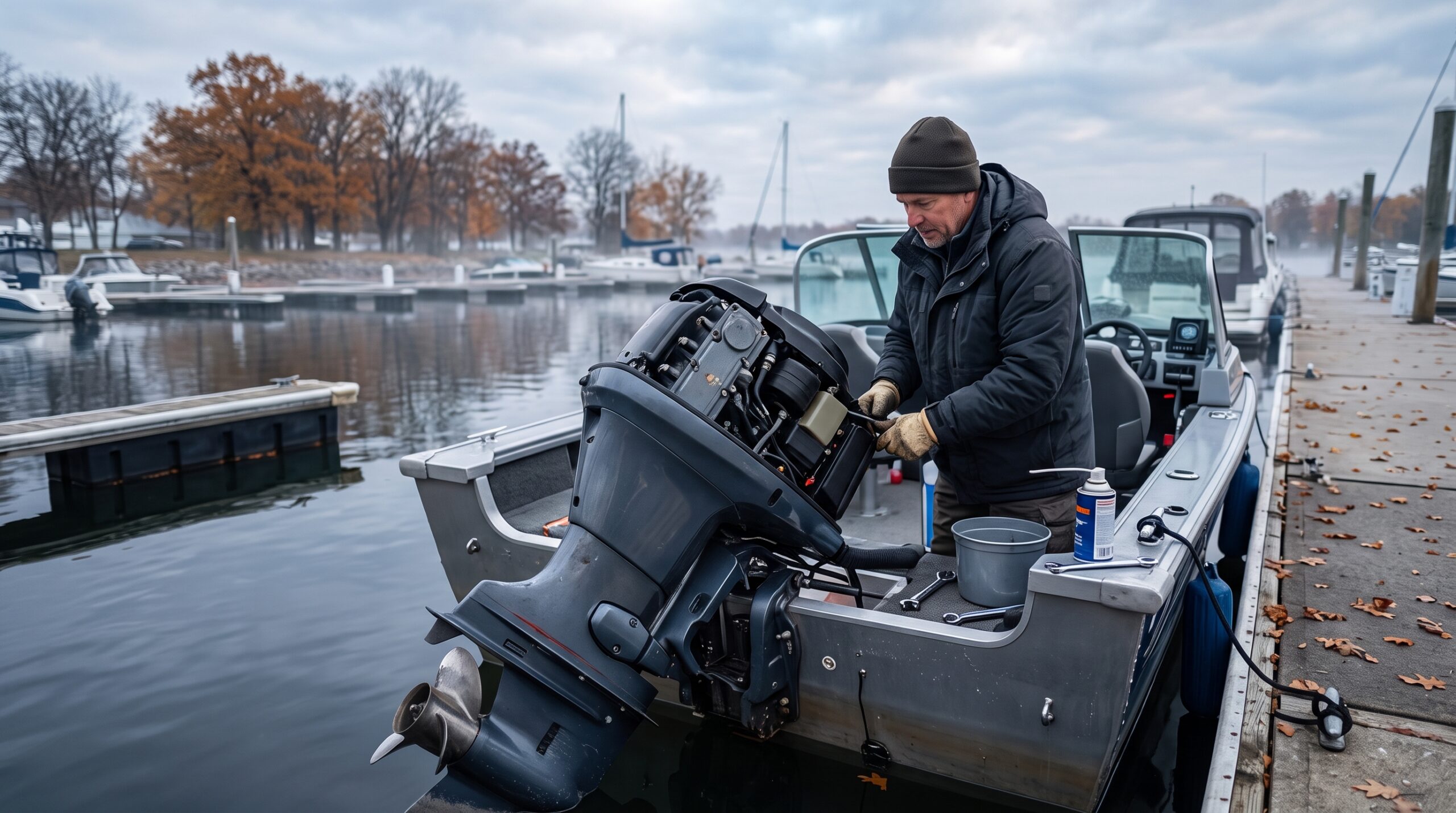
If you own a boat, you may wonder, do you have to winterize an outboard motor before storing it for winter? In most cases, yes. Winterization is especially important when temperatures may fall below freezing. It helps protect the engine from trapped water, fuel problems, corrosion, and other storage-related damage.
However, the answer depends on your climate, engine type, storage conditions, and how long you plan to leave the boat unused. A boat stored outside in a cold region has different needs from one kept in a warm garage or a tropical coastal area.
Understanding do you have to winterize an outboard motor also means knowing the difference between cold-weather protection and regular storage maintenance. Even if freezing temperatures are unlikely, fuel can deteriorate, batteries can lose charge, and moisture can damage metal parts.
This guide explains how to prepare your outboard motor, when to winterize it, what happens if you skip maintenance, and how to get the engine ready for spring. You will also learn about costs, common mistakes, and the storage needs of different outboard engines.
Do You Have to Winterize an Outboard Motor?
The short answer is yes when your engine requires cold-weather protection or will be stored for an extended period under conditions that could cause damage. However, not every outboard needs the same procedure.
When considering do you have to winterize an outboard motor, start with three important factors: climate, storage conditions, and engine design.
How Climate Affects Winterization
Cold weather creates one of the biggest risks for an outboard motor. Water may remain inside cooling passages and other parts after the engine has been used. If that water freezes, it expands and may damage engine components.
Owners in regions with freezing winters should prepare their motors before the first hard freeze. Do not wait until the temperature has already dropped below freezing.
In warmer areas, freeze protection may not be necessary throughout the year. However, general storage maintenance can still protect the engine from fuel deterioration and corrosion.
How Storage Conditions Affect Your Engine
Storage conditions matter as much as the weather.
An engine stored in a dry, protected garage may face less rain and salt exposure than one left outdoors near the coast. However, an unheated garage can still become cold enough for water to freeze.
Outdoor storage exposes the motor to moisture, wind, debris, and changing temperatures. A suitable cover helps, but it cannot replace the manufacturer’s storage procedure.
Why Engine Type Matters
Two-stroke, four-stroke, and modern fuel-injected outboards can have different maintenance requirements.
For example, a four-stroke engine may need an engine oil and filter change before extended storage. Some two-stroke engines have different lubrication arrangements. Fuel-injected engines may also require specific fuel-system procedures.
Always check the owner’s manual before starting maintenance.
The best answer to do you have to winterize an outboard motor comes from matching the recommended procedure to your particular engine and storage environment.
What Happens If You Don’t Winterize an Outboard Motor?
Skipping required winterization can cause several problems. Some may lead to difficult starting, while others may require professional repairs.
Freezing Water Can Damage Engine Parts
An outboard motor uses water to help control engine temperature. Depending on its design, some water may remain inside the cooling system after use.
When trapped water freezes, it expands. This can crack components or damage cooling passages and other parts.
Possible consequences include:
- Cracked engine components
- Damaged cooling passages
- Expensive repair work
- Delays when returning to the water
Some outboards are designed to drain when placed in the correct position. However, you should never assume that every part drains completely.
If you are asking do you have to winterize an outboard motor in a region with freezing temperatures, follow the manufacturer’s drainage and storage instructions carefully.
Fuel Can Degrade During Storage
Gasoline does not remain in ideal condition forever. Its stability depends on the fuel blend, temperature, exposure to air, and storage conditions.
Old fuel may contribute to hard starting, rough running, poor acceleration, and deposits in the fuel system.
Ethanol-blended gasoline can also develop moisture-related problems under certain conditions. If enough water accumulates, fuel separation may occur.
To reduce these risks:
- Check the owner’s manual for fuel-storage instructions.
- Use a compatible fuel stabilizer when recommended.
- Follow the product label for dosage and application.
- Avoid storing fuel in unsuitable containers.
- Have contaminated fuel assessed before running the engine.
A fuel stabilizer cannot restore fuel that has already deteriorated.
Understanding do you have to winterize an outboard motor includes knowing that fuel care may be important even when freezing temperatures are not expected.
Corrosion Can Develop Inside the Engine
Corrosion is another concern during storage. Saltwater can leave deposits on metal surfaces, while moisture and condensation may affect engine components and electrical connections.
This is especially important for boats used in saltwater or brackish water.
Flush the cooling system with freshwater using the approved method. Follow the manufacturer’s recommendations for draining the engine and applying corrosion-protection products.
Avoid unapproved chemicals and do not apply lubricants to parts that should remain untreated.
Battery and Electrical Problems May Occur
A battery can lose charge while a boat sits unused. Some batteries may suffer lasting damage if they remain deeply discharged for too long.
Moisture, corrosion, and loose connections can also create electrical problems.
Before storage, inspect the battery, check its terminals, and follow the battery manufacturer’s charging and storage instructions. A compatible maintenance charger may be useful when installed correctly.
If you are deciding do you have to winterize an outboard motor before several months of inactivity, remember that battery care is an important part of the process.
When Should You Winterize an Outboard Motor?
The best time depends on the local climate and how long the boat will remain unused.
Winterizing in Cold Climates
In colder regions, complete the required preparation before freezing temperatures arrive.
A practical plan is to review the owner’s manual in early autumn, gather the correct supplies, and schedule the maintenance before the first hard freeze.
Do not wait until the last boating trip of the season has passed if freezing weather is already approaching.
When considering do you have to winterize an outboard motor before winter, remember that preparation must be completed in time to protect the engine.
Winterizing in Warm Climates
Warm regions may not require traditional cold-weather winterization every year. However, extended storage can still create fuel, battery, and corrosion problems.
If the boat will remain unused for several weeks or months, check the manufacturer’s recommendations for fuel treatment, battery care, and corrosion protection.
Warm temperatures do not prevent gasoline from deteriorating or moisture from affecting electrical connections.
How Long Can an Outboard Motor Sit Without Use?
There is no single safe storage period for every outboard motor. The answer depends on the engine, fuel, storage environment, and manufacturer’s instructions.
Use these general guidelines when planning maintenance:
- A few days: Normal shutdown and routine care may be sufficient.
- Several weeks: Check the battery, fuel system, and engine condition.
- Several months: Follow the recommended extended-storage procedure.
- A full winter: Complete all required cold-weather protection steps when freezing is possible.
These are general guidelines rather than fixed service intervals.
If you are unsure do you have to winterize an outboard motor before leaving it unused for a particular length of time, consult the manual for your exact model.
Do You Need to Winterize an Outboard Motor in a Warm Climate?
Yes, some storage preparation may still be necessary in warm climates. The difference is that protection against freezing may not be required when freezing temperatures are not possible.
Fuel Care in Warm Weather
Gasoline can deteriorate during storage, even in warm weather. The rate depends on the fuel blend, temperature, and storage conditions.
Follow the manufacturer’s instructions for fuel stabilization or draining. Some modern fuel systems require special procedures, so do not drain or fill components without checking the manual.
Corrosion Protection in Coastal Areas
Warm coastal regions can expose boats to humid air and saltwater. These conditions may encourage corrosion on metal surfaces and electrical connections.
Flush the cooling system after use as directed. Inspect the motor for salt deposits and apply approved corrosion protection where recommended.
Cold-Weather Winterization Versus General Storage
These procedures share some tasks but have different goals.
| Maintenance task | Cold-weather storage | Warm-climate storage |
|---|---|---|
| Freeze protection | Essential when freezing is possible | Usually unnecessary if freezing cannot occur |
| Fuel preparation | Follow manufacturer instructions | Follow manufacturer instructions |
| Cooling-system flushing | Important after saltwater use | Important after saltwater use |
| Battery maintenance | Recommended | Recommended for extended storage |
| Gearcase inspection | Recommended | Recommended |
| Moisture protection | Important | Important, especially in humid areas |
The exact requirements depend on your engine. Therefore, do you have to winterize an outboard motor in a warm climate? You may not need full freeze protection, but you should still follow the recommended storage procedure.
How to Winterize an Outboard Motor Step by Step
The following steps explain common storage tasks. Your engine may require a different order or additional procedures, so always follow the manufacturer’s instructions.
1. Check the Owner’s Manual
Start by identifying your engine’s make, model, year, and engine type.
Find the section covering seasonal storage or extended storage. It should explain the required fuel treatment, flushing method, lubrication points, oil service, and storage position.
Make a list of the supplies you need. These may include compatible engine oil, a fuel stabilizer, gear lubricant, corrosion-protection products, and battery maintenance equipment.
Do not buy products simply because they are advertised for winterization. Confirm that they meet your engine manufacturer’s specifications.
If a procedure is unclear, ask a qualified marine technician rather than guessing.
2. Flush the Cooling System
Flushing helps remove salt, sand, and other deposits from the cooling system. It is especially important after operating in saltwater.
Use the flushing method approved for your model. Some engines have a dedicated freshwater flushing connection, while others require different equipment.
A typical procedure involves connecting the approved equipment, supplying clean freshwater, and allowing the system to flush as directed.
Never run an outboard motor without the required cooling-water supply. Doing so can damage the water pump and other components.
Also, do not assume that every outboard must be running during flushing. Some flushing connections are designed to be used with the engine switched off.
After flushing, allow the engine to drain according to the manual.
If you are learning do you have to winterize an outboard motor for the first time, make sure you understand the correct flushing procedure before starting.
3. Prepare the Fuel System
Fuel preparation is an important part of extended storage.
Check whether the manufacturer recommends treated fuel, draining certain components, or another storage method.
If a stabilizer is recommended, choose one that is compatible with your fuel and engine. Follow the product label for the correct amount and application method.
Some engines require treated fuel to circulate through the system before storage. Do not run the engine for this purpose unless the manual provides that procedure and the required cooling-water supply can be maintained safely.
Keep fuel away from flames, sparks, and hot surfaces. Work in a well-ventilated area and follow local fuel-storage and disposal rules.
Never pour old gasoline onto the ground or into a drain.
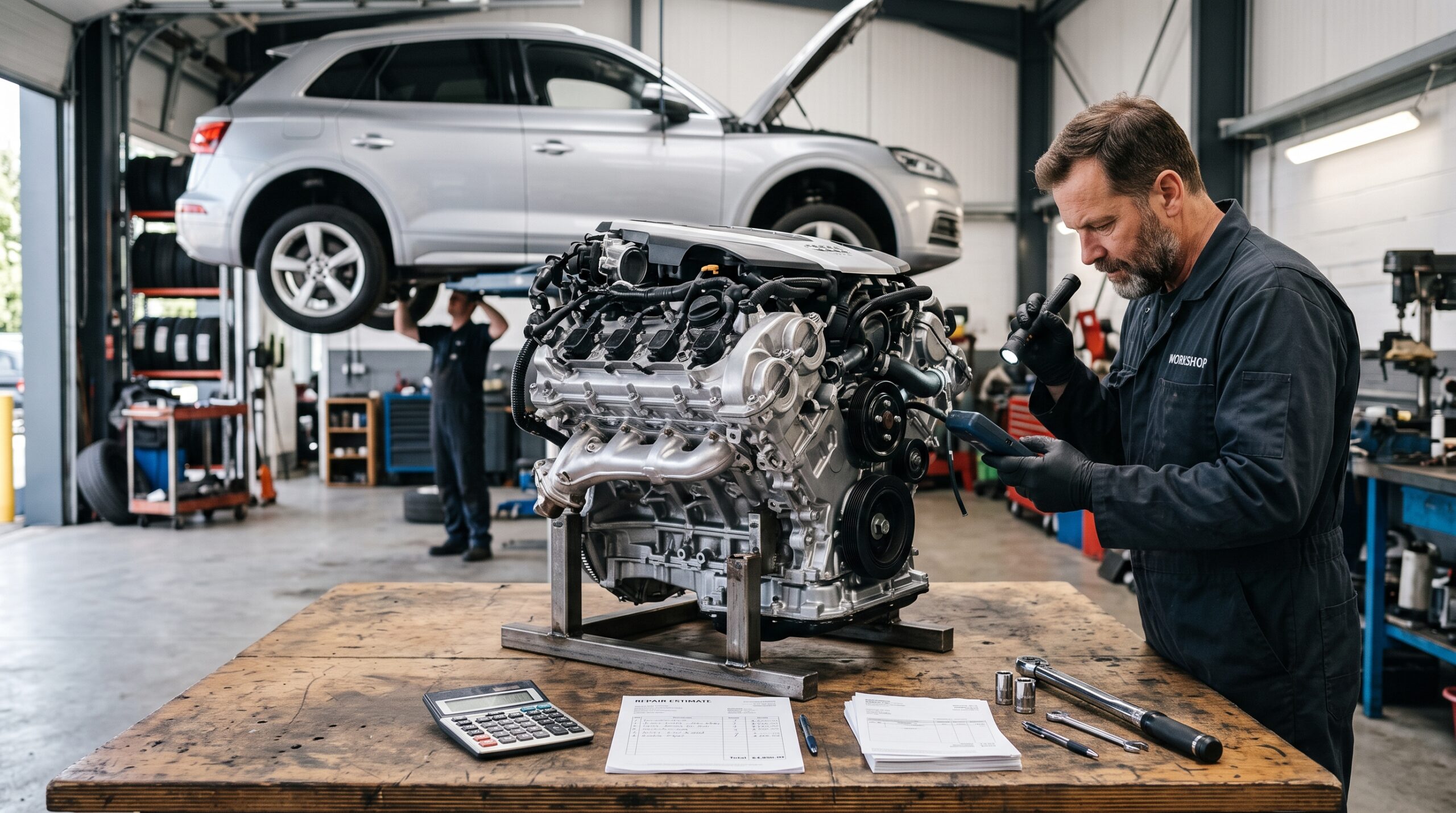
4. Protect Internal Engine Components
Some outboard motors require internal corrosion protection during extended storage. This may involve fogging oil or another approved product.
However, not every engine uses the same procedure. Modern four-stroke and direct-injection engines may have specific requirements.
Before using fogging oil, confirm that the manufacturer recommends it, the product is suitable, and you understand the approved application method.
Do not spray products into an intake or another opening based on a generic tutorial. If the instructions are unclear, ask a qualified technician.
Correct internal protection can help prepare suitable engines for storage, but an incorrect procedure may cause problems.
5. Inspect the Gearcase and Propeller
Inspect the gearcase and propeller before storing the engine.
Look for damaged propeller blades, loose hardware, fishing line around the propeller shaft, and signs of oil leakage.
Remove the propeller only if you can follow the manufacturer’s procedure safely. Fishing line around the shaft can damage seals and allow water to enter the gearcase.
Check the gear lubricant according to the service instructions. Milky lubricant, unusual metal particles, or signs of water contamination may indicate a problem that requires professional inspection.
If the manufacturer recommends changing the gear lubricant before storage, use the correct lubricant and seals.
Do not ignore a suspected leak simply because the boat will remain unused.
6. Maintain the Battery
Battery care helps ensure the engine is ready when boating season returns.
Check the battery type and follow its manufacturer’s storage instructions.
General precautions include:
- Inspect the battery case for damage.
- Check the terminals and connections for corrosion.
- Charge the battery with compatible equipment.
- Disconnect it if the engine or battery instructions recommend doing so.
- Store it in a suitable location.
A maintenance charger may help maintain the charge when it is compatible with the battery and installed correctly.
Do not charge a damaged battery or use a charger unsuitable for its chemistry. Keep batteries away from flames and sparks, and follow the correct handling precautions.
7. Store the Motor Correctly
The storage position matters because the engine may need to drain water from its cooling passages.
Follow the manufacturer’s instructions for the motor’s tilt and storage position. Do not assume that leaving the engine fully tilted up or fully down is correct for every model.
If the boat is stored outdoors, use a suitable marine cover. It should protect against rain and debris while allowing appropriate ventilation.
Avoid airtight coverings unless the manufacturer specifically permits them. Poor ventilation can encourage condensation.
Keep the engine secure and protect exposed connections as directed.
By following these steps, you can better understand do you have to winterize an outboard motor and prepare the engine according to its actual needs.
Do All Outboard Motors Need the Same Winterization Process?
No. Outboard motors differ in their lubrication systems, fuel delivery, cooling systems, and electronic controls.
Two-Stroke Outboard Motors
Two-stroke engines generally use a different lubrication system from four-stroke engines. Depending on the model, oil may be mixed with gasoline or supplied through a separate oil-injection system.
This affects the recommended fuel and storage procedures.
Some two-stroke engines require a specific fogging procedure, while others have different instructions based on their design.
Follow the manual for fuel treatment, lubrication, and internal protection. Do not assume that a procedure designed for an older carbureted engine will work for a newer model.
Four-Stroke Outboard Motors
Four-stroke engines use a separate engine-oil lubrication system. Some manufacturers recommend changing the engine oil and filter before extended storage.
Used oil may contain contaminants, so the timing of an oil change can matter. However, the correct service interval depends on the model.
Check the manual for instructions covering engine oil, filters, gear lubricant, fuel treatment, cooling-system flushing, and corrosion protection.
Use the specified oil grade and lubricant.
Modern Fuel-Injected Outboard Motors
Fuel-injected outboards often have more complex fuel systems and electronic controls than older carbureted models.
The correct storage procedure may depend on the injection system, fuel-pump arrangement, and other components.
Some models require treated fuel to remain in particular parts of the system. Others have specific requirements for draining or internal protection.
Do not apply a generic carburetor procedure without confirming that it is approved for your engine.
When in doubt, contact an authorized dealer or qualified marine technician.
Can You Leave an Outboard Motor Outside During Winter?
Yes, an outboard can often be stored outside if the boat and engine are prepared correctly. However, outdoor storage requires attention to freezing temperatures, drainage, moisture, and weather protection.
Use the Correct Storage Position
Follow the manufacturer’s instructions for the motor’s storage position. In freezing weather, proper drainage is especially important.
If the motor is positioned incorrectly, water may remain trapped in places where it can freeze and cause damage.
A cover cannot protect the engine from water that freezes inside its components.
Choose a Suitable Cover
A purpose-made marine cover can help keep rain, dust, leaves, and debris away from the engine.
Choose a cover that fits properly and allows suitable ventilation. A loose cover may collect water, while a non-breathable covering may trap moisture.
Inspect the cover after storms and periods of heavy rain.
Protect Against Corrosion
Outdoor storage can expose metal surfaces and electrical connections to moisture. Boats kept near the coast may face additional salt exposure.
Clean the engine as directed and apply approved corrosion protection where recommended.
Inspect the engine periodically during long storage periods. Address damaged covers, visible corrosion, and signs of leakage.
Does a Cover Replace Winterization?
No. A cover provides physical protection, but it does not prepare the fuel system, maintain the battery, or prevent damage from trapped water.
When considering do you have to winterize an outboard motor that stays outdoors, remember that a cover is an extra layer of protection rather than a substitute for required maintenance.
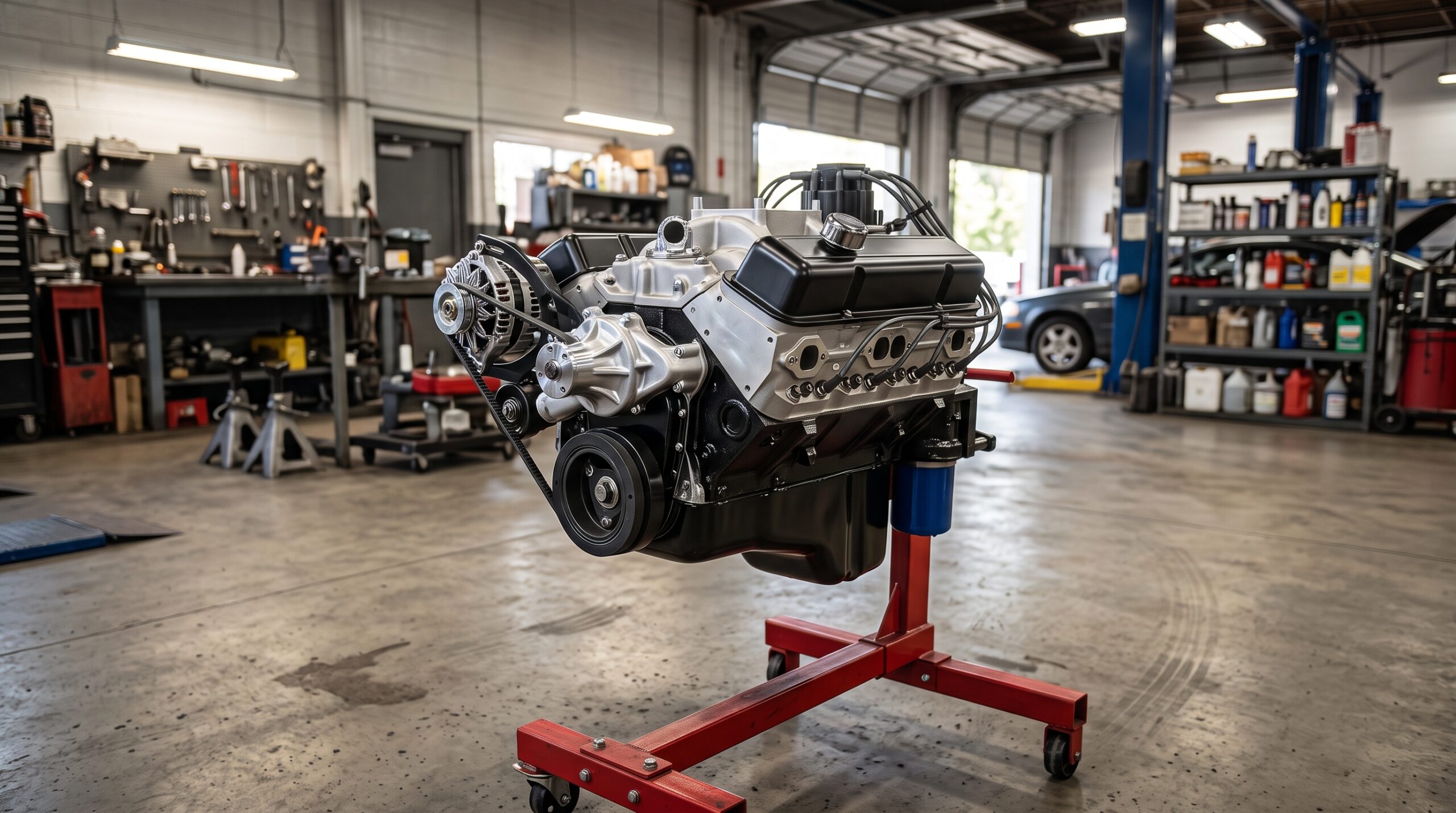
How Much Does It Cost to Winterize an Outboard Motor?
The cost depends on engine size, engine condition, required maintenance, and local labor rates. A simple storage preparation may cost much less than a complete service involving oil changes, fuel-system work, and detailed inspection.
The figures below are illustrative US-dollar estimates, not current service quotes.
DIY Winterization Costs
Doing the work yourself may reduce labor costs if you already have the necessary tools.
| Supply | Estimated cost |
|---|---|
| Compatible fuel stabilizer | $10–$25 |
| Engine oil and filter, if required | $25–$80 |
| Gear lubricant and seals, if required | $15–$40 |
| Corrosion-protection product | $10–$25 |
| Flushing supplies, if needed | $10–$40 |
These estimates are for planning. You may not need every item, and specialized products can cost more.do you have to winterize an outboard motor
If you need to purchase tools, a flushing attachment, or a battery charger, your initial cost may be higher.
Check the owner’s manual before buying supplies.
Professional Winterization Costs
For planning purposes, a straightforward professional service might cost roughly $100–$300, while more extensive work may cost $300–$600 or more. Actual prices vary by region, engine, and service requirements.
Factors that may affect the price include:
- Engine horsepower and design
- Two-stroke or four-stroke configuration
- Fuel-injection requirements
- Engine oil and filter service
- Gearcase inspection and lubricant changes
- Existing fuel or corrosion problems
- Local labor rates
- Boat transportation requirements
Ask the service provider for an itemized estimate before approving the work.
Is Professional Winterization Worth It?
Professional service can be useful if you own a newer engine, have an unfamiliar fuel system, or lack experience with marine maintenance.
A technician may also identify leaks, damaged seals, worn parts, or other issues before storage.do you have to winterize an outboard motor
DIY maintenance may be suitable when the manufacturer provides clear instructions and you have the right equipment. However, an incorrect procedure can cost more than professional service.
How to Prepare an Outboard Motor for Spring
After several months of storage, inspect the engine before returning to the water.
Inspect the Engine
Look for corrosion, damaged wiring, loose connections, fluid leaks, and signs of animal activity.
Inspect the propeller and gearcase for visible damage. If you find evidence of leakage or suspected water contamination, have the engine checked before operating it.
Check the Battery
Inspect the battery and connections. Recharge it using compatible equipment if necessary.
If the battery is damaged or will not hold a charge, address the problem before attempting to start the engine.
Check Fuel and Fluids
Inspect the fuel for contamination or deterioration. If it looks contaminated or has been stored beyond the recommended period, seek advice before using it.
Check engine oil and gear lubricant according to the manufacturer’s instructions.
Remove Storage Protection as Directed
Some engines may have plugs, covers, or other components that need to be returned to their normal operating condition.
Follow the manual to remove storage equipment and complete the required pre-start checks.
Follow the Correct Startup Procedure
Start the engine only in an approved setup with the required cooling-water supply.
Never operate an outboard in an enclosed space because engine exhaust can cause carbon monoxide poisoning.do you have to winterize an outboard motor
Check for the expected cooling-water flow and warning indicators. Stop the engine if it overheats, displays an abnormal warning, leaks fuel, or shows another serious problem.
A careful spring inspection can help identify storage-related issues before your first trip.
Common Outboard Motor Winterization Mistakes
Avoid these common mistakes when preparing your engine for storage.
Ignoring the Owner’s Manual
Generic instructions may not match your engine. Confirm the recommended storage position, fuel procedure, lubrication requirements, and internal protection method.
Leaving Fuel Untreated When Preparation Is Required
Old fuel may cause starting and performance problems. Follow the manufacturer’s instructions for stabilizing, draining, or otherwise preparing the fuel system.
Adding stabilizer does not repair fuel that has already deteriorated.
Failing to Address Trapped Water
In freezing conditions, trapped water can expand and damage engine components. Follow the correct drainage and storage-position instructions before temperatures drop.
Using Incorrect Oils or Maintenance Products
Outboard motors may require specific engine oils, gear lubricants, and corrosion-protection products. Use products that meet the manufacturer’s specifications.
Storing the Motor in an Unapproved Position
The storage position may affect drainage and other engine components. Use the position specified in the manual, especially when freezing weather is possible.
Forgetting Battery and Corrosion Protection
A neglected battery may lose its ability to hold a charge. Moisture and salt can also damage electrical connections and metal surfaces.do you have to winterize an outboard motor
Inspect the battery and protect the engine as recommended.
Assuming Every Outboard Needs the Same Procedure
An older carbureted engine and a modern fuel-injected engine may require different steps. Check the requirements for your exact model before starting maintenance.
FAQ
Do you have to winterize an outboard motor if you use it year-round?
Not necessarily in the traditional cold-weather sense. If you use your boat throughout the year in a region where freezing is not a concern, you may not need a full cold-weather procedure.
However, routine maintenance remains important. Flush the engine when required, care for the fuel system, inspect for corrosion, and follow the manufacturer’s service schedule. If the boat will sit unused for an extended period, use the recommended storage procedure.
What happens if you don’t winterize your outboard motor?
If winterization is required and you skip it, trapped water may freeze and damage engine components. Fuel can deteriorate, corrosion may develop, and the battery may lose charge.
The outcome depends on the engine, weather, fuel condition, and storage environment.
Can you winterize an outboard motor yourself?
Yes. Many owners can perform basic storage maintenance if they follow the manufacturer’s instructions and have the correct equipment.do you have to winterize an outboard motor
Common tasks include flushing, fuel preparation, battery care, and visual inspections. Complex fuel-system procedures or unfamiliar internal protection steps may require a qualified technician.
Do you need to winterize an outboard motor in Florida?
Florida’s generally warm climate means many boat owners do not need the same freeze-protection measures used in colder states. However, occasional cold snaps can occur, so local weather and storage conditions still matter.
Long-term storage preparation may also be needed to protect against fuel deterioration, humidity, and corrosion. Follow your engine manufacturer’s guidance, particularly when freezing temperatures are forecast.
Should you start an outboard motor during winter storage?
Do not start the engine simply to keep it running unless the manufacturer specifically recommends a procedure for your model.
Starting without the correct cooling-water supply can damage the engine. Short, unnecessary runs may also fail to bring the engine to the correct operating temperature.
Follow the manufacturer’s storage instructions instead of using occasional starts as a substitute for maintenance.
Do you need to change the oil before storing an outboard motor?
Some four-stroke outboards require an engine oil and filter change before extended storage, particularly when scheduled maintenance is due. Other engines may have different requirements.
Check the manual for the correct service interval and storage procedure. Use the specified oil grade and filter, and dispose of used oil properly.do you have to winterize an outboard motor
How long does it take to winterize an outboard motor?
The time depends on the engine, its size, and the tasks required. A basic procedure may take around one to two hours, while a more extensive service or a first-time DIY job may take several hours.
Allow extra time for oil changes, gearcase inspections, fuel preparation, and any repairs that may be needed.
Do you have to winterize an outboard motor if it is stored in a garage?
A garage may protect the engine from rain and wind, but it does not automatically protect it from freezing temperatures. An unheated garage can become cold enough for water to freeze.
If freezing is possible, follow the manufacturer’s cold-weather storage procedure. Prepare the fuel system, battery, and other components as required.
Can you leave gas in an outboard motor over winter?
That depends on the engine and fuel-system design. Some manufacturers recommend treating the fuel and leaving it in the system, while others specify different storage procedures.
Follow the manual and use compatible fuel treatments. Do not assume that draining every component is safer, because some fuel systems have specific requirements.
Final Thoughts: Is Winterizing an Outboard Motor Necessary?
So, do you have to winterize an outboard motor? In most cases, yes, when the engine will be stored through freezing weather or when the manufacturer’s storage instructions require it.
Winterization helps protect the engine from freeze damage, fuel problems, corrosion, and battery issues. In warmer climates, you may not need every cold-weather step, but extended storage still requires proper care.
Before storing your boat, review the owner’s manual, prepare the fuel system as directed, flush the cooling system when required, inspect the gearcase, and maintain the battery. Store the engine in the recommended position and protect it from moisture.
If you are unfamiliar with your engine’s requirements, consult a qualified marine technician.
The bottom line is simple: Do you have to winterize an outboard motor? Yes, when your climate, storage period, or manufacturer’s instructions call for it. Proper preparation can help prevent avoidable damage and make your next boating season easier.













One thought on “Do You Have to Winterize an Outboard Motor? Guide”