



Our Blogs
Yamaha Four Stroke Outboard Engine: Powerful & Reliable Guide


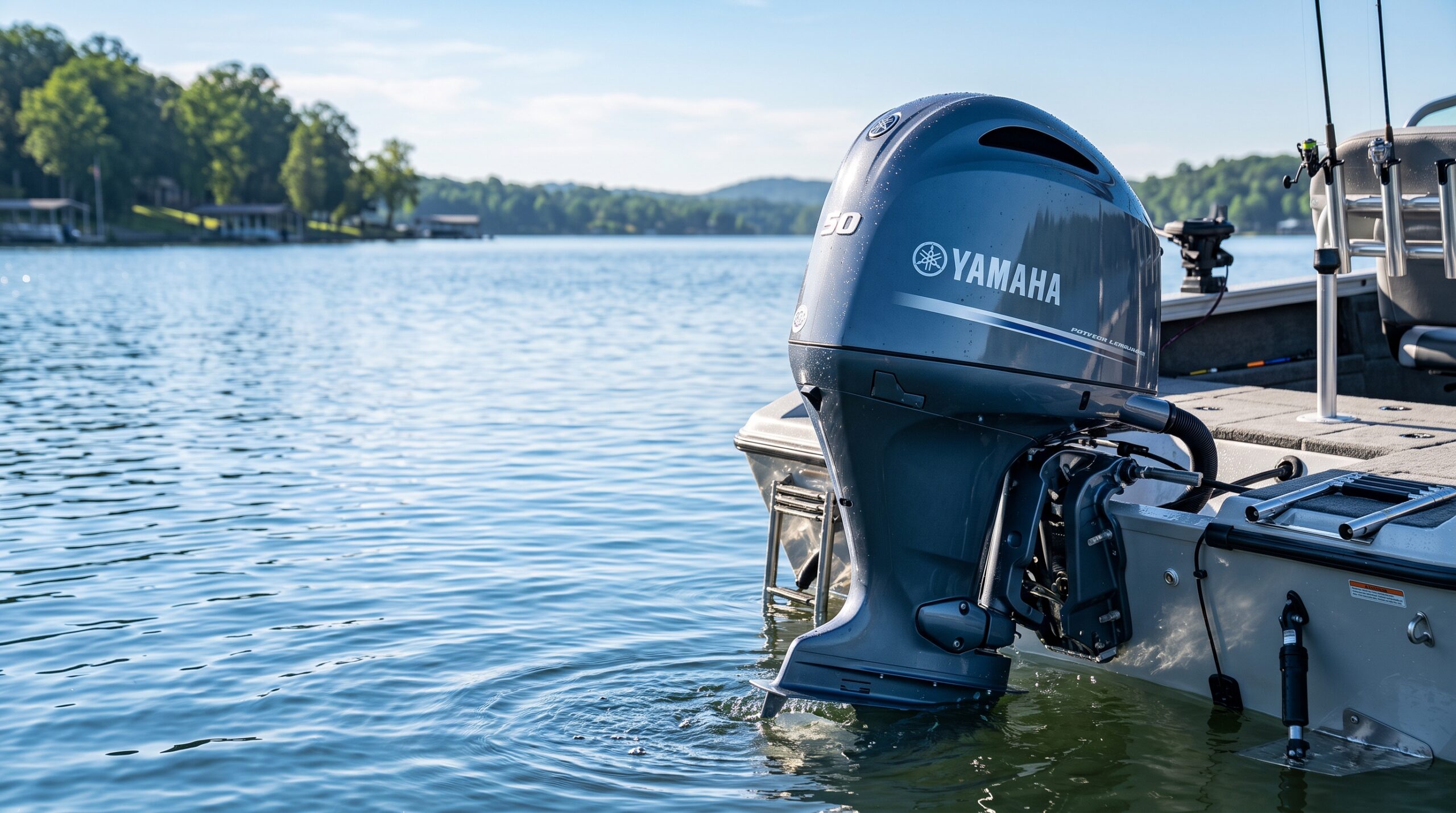
A Yamaha four stroke outboard engine is a popular choice for boat owners who want reliable performance, smooth operation, and efficient fuel consumption. Outboard engines play an essential role in recreational boating, fishing, commercial marine activities, and many other water-based applications. Choosing the right engine can significantly affect a boat’s performance, operating expenses, handling, and long-term reliability. Yamaha has established a strong reputation in the marine industry by developing outboard motors designed to meet the needs of different boat owners.
The Yamaha four stroke outboard engine range includes multiple horsepower options, allowing boaters to select an engine according to their boat size, intended use, and performance requirements. These engines are designed with modern engineering features that support consistent power delivery, dependable operation, and convenient maintenance. However, the right model depends on more than brand reputation alone. Boat compatibility, engine weight, shaft length, service availability, and ownership costs should all be considered before making a purchase.
Understanding the features and maintenance requirements of Yamaha four-stroke outboards can help buyers make informed decisions. Whether someone is replacing an older motor or purchasing an engine for a new boat, learning about fuel efficiency, performance characteristics, and maintenance practices is an important first step.
What Is a Yamaha Four Stroke Outboard Engine?
A Yamaha four stroke outboard engine is a marine propulsion system that operates through four main stages: intake, compression, power, and exhaust. These stages occur during two complete rotations of the crankshaft in a conventional four-stroke engine. The system draws air into the cylinder, compresses the air-fuel mixture, produces power through combustion, and removes exhaust gases. This process repeats continuously while the engine runs.
Unlike a traditional two-stroke engine, a four-stroke engine has a separate lubrication system that circulates engine oil to protect internal moving components. This design helps reduce the need to mix lubricating oil directly with gasoline during normal operation. The specific lubrication arrangement and service requirements depend on the engine model, so owners should always follow the relevant Yamaha owner’s manual.
Yamaha four-stroke outboards are available in different configurations and power ratings. Smaller engines are designed for portable applications and lightweight boats, while larger models provide the output required by heavier vessels. Depending on the model, features may include electronic fuel injection, advanced engine monitoring, power trim and tilt, digital controls, and other technologies that support convenient operation.
The outboard design combines the engine, transmission components, and propeller system into a unit mounted at the stern of a boat. This arrangement makes installation and servicing convenient compared with many inboard propulsion systems. It can also provide useful flexibility when a boat needs an engine replacement or an upgrade.
Key Features of Yamaha Four Stroke Outboard Engines
One important feature of a Yamaha four stroke outboard engine is its focus on balanced performance. The engine must generate sufficient power while maintaining smooth operation under changing marine conditions. Yamaha develops different engine families for different applications, which means the available technologies and equipment can vary considerably between portable, midrange, and high-horsepower models.
Fuel delivery technology is another important consideration. Depending on the model, Yamaha outboards may use electronic fuel injection or other fuel system designs. Electronic fuel injection can help control fuel delivery according to engine operating conditions, supporting dependable starting and efficient combustion. Actual fuel economy still depends on engine size, propeller selection, boat loading, throttle position, water conditions, and maintenance.
Many four-stroke models are designed to operate with comparatively low noise and vibration. The overall boating experience is influenced by engine mounting, hull construction, propeller condition, and operating speed, but smooth engine operation can make long journeys more comfortable. These characteristics are particularly important for fishing, family boating, and other activities where consistent performance matters.
Corrosion resistance is also essential because outboard engines operate in environments where moisture and salt can damage metal components. Yamaha uses protective measures that vary by engine model to help withstand marine exposure. Owners should not assume that corrosion protection eliminates maintenance needs. Regular freshwater flushing when appropriate, visual inspections, and correct storage remain important parts of engine care.
Yamaha Four Stroke Outboard Engine Horsepower Options
Selecting the appropriate horsepower is one of the most important decisions when buying an outboard motor. Yamaha offers four-stroke engines across a broad power range, although the models available depend on the market and current product lineup. The right engine should match the boat manufacturer’s rated horsepower limits, transom specifications, weight capacity, and intended operating conditions.
Portable outboards are generally designed for smaller boats that require manageable engine weight and straightforward operation. They can be suitable for dinghies, small fishing boats, tenders, and other lightweight vessels when the specifications are compatible. Buyers should examine the engine’s weight, starting system, fuel arrangement, and carrying requirements before selecting a portable model.
Midrange engines provide additional power for many recreational and fishing boats. Their suitability depends on hull design, passenger load, equipment, and expected cruising speed. These engines may include more advanced controls and additional convenience features, depending on the model and configuration.
High-horsepower outboards are intended for boats that require substantially greater propulsion capacity. These engines can support demanding marine applications when properly matched to the hull and installed according to the manufacturer’s specifications. Their purchase price, fuel requirements, installation needs, and maintenance expenses are generally different from those of smaller portable motors.
Horsepower should never be selected solely because a larger number appears more powerful. An oversized engine can exceed the boat’s approved limits and create serious safety risks. An undersized engine may struggle to achieve the expected performance when the boat is heavily loaded. Always consult the boat manufacturer’s capacity plate and technical documentation before making a final decision.
Benefits of Choosing a Yamaha Four Stroke Outboard Engine
Fuel economy is a major reason many boat owners consider four-stroke outboards. Their combustion and lubrication systems differ from traditional two-stroke designs, and many models can deliver useful fuel efficiency under suitable operating conditions. However, there is no single fuel-consumption figure that applies to every Yamaha four-stroke engine. Consumption changes with horsepower, engine condition, throttle setting, propeller selection, hull resistance, and total boat weight.
Another benefit is smooth power delivery. A well-maintained engine that is correctly matched to its boat can provide dependable acceleration and stable operation throughout normal use. The quality of the installation and the condition of the propeller are also important. Even a capable engine may perform poorly if the propeller is damaged, the mounting height is unsuitable, or the boat is carrying excessive weight.
Four-stroke engines use a dedicated engine lubrication system, which is an important distinction from traditional oil-mixed two-stroke designs. This arrangement supports controlled lubrication of internal engine components. It also means that owners must monitor engine oil condition and level and complete oil changes according to the prescribed service schedule.
Long-term reliability depends on proper ownership practices rather than the brand name alone. Correct installation, suitable fuel, regular servicing, corrosion prevention, and appropriate storage all contribute to engine longevity. Owners who maintain detailed service records can also find it easier to identify developing issues and demonstrate maintenance history when selling a used engine.
Yamaha Four Stroke Outboard Engine Fuel Efficiency
Fuel efficiency is an important factor when estimating the total cost of boat ownership. The amount of fuel a Yamaha four stroke outboard engine consumes depends on how the engine is operated and the conditions in which the boat travels. Engine horsepower is only one part of the calculation. Hull shape, water resistance, weather, passenger weight, cargo, propeller pitch, and cruising speed can all influence fuel consumption.
Operating the engine at an appropriate cruising speed can help control fuel expenses. Running continuously at wide-open throttle generally increases fuel use and may not be necessary for ordinary boating. Owners should consult their engine documentation for recommended operating ranges and avoid assuming that the lowest possible engine speed will always deliver the best overall efficiency.
Propeller selection has a direct effect on engine performance. An unsuitable propeller can prevent the engine from reaching the recommended operating range or cause it to operate under excessive load. The correct propeller should be selected according to Yamaha’s guidance and the boat’s requirements. Propeller damage, incorrect pitch, and improper installation can also affect performance.
Routine maintenance supports consistent fuel delivery and combustion. Dirty fuel filters, degraded fuel, damaged propeller blades, and engine faults can reduce performance or increase fuel consumption. Keeping the fuel system clean, checking for warning indicators, and addressing unusual engine behavior promptly can help prevent unnecessary operating expenses.
Boat loading should also be managed carefully. Carrying unnecessary equipment increases the weight that the engine must move through the water. Distributing passengers and cargo according to the boat manufacturer’s guidance supports stability and handling while reducing avoidable resistance. Fuel planning should always include a reserve for changing weather, unexpected delays, and additional maneuvering.
Yamaha Four Stroke Outboard Engine Maintenance
Regular maintenance is essential for keeping a Yamaha four stroke outboard engine in good operating condition. Every engine has specific service intervals and procedures, so the owner’s manual should be treated as the primary reference. Maintenance requirements can vary by model, engine hours, operating environment, and whether the engine is used in freshwater or saltwater.
Engine oil and the oil filter should be inspected and replaced according to the manufacturer’s recommended schedule. Engine oil helps lubricate moving components, manage heat, and reduce internal wear. Using the correct oil specification and quantity is important because unsuitable oil or an incorrect oil level can affect engine operation. Owners should follow the prescribed procedure for checking the oil level and avoid overfilling.
The cooling system requires regular attention because marine engines depend on water circulation to control operating temperature. Inspecting cooling water flow, monitoring temperature warnings, and following the recommended water-pump service schedule can help reduce the risk of overheating. If an engine shows signs of overheating or the cooling water indicator behaves abnormally, stop the engine when safe and investigate the cause according to the manual.
Fuel system maintenance is another important responsibility. Fuel can deteriorate during extended storage, while water or contamination can affect engine performance. Use fuel that meets the engine’s requirements, inspect fuel lines and connections, and replace filters at the specified intervals. Any suspected fuel leak should be addressed immediately, with attention to fire prevention and ventilation.
Spark plugs should be checked and replaced as recommended for the specific engine. Worn or fouled plugs may contribute to difficult starting, rough idling, or reduced performance. Owners should use the correct plug type and installation procedure rather than relying on a universal replacement specification.
The lower unit and gearcase also need routine care. Gear lubricant should be inspected and replaced according to the service schedule, and the propeller should be checked for fishing line, impact damage, corrosion, and other visible problems. Fishing line wrapped around the propeller shaft can damage seals and allow water to enter the gearcase. If lubricant appears milky or shows signs of water contamination, professional inspection may be necessary.
After operation in saltwater, flushing the engine according to Yamaha’s instructions can help reduce salt deposits in the cooling passages. Owners should also inspect external surfaces, fasteners, electrical connections, and sacrificial anodes as appropriate. Corrosion prevention is particularly important for boats that remain in coastal environments for long periods.
Common Yamaha Four Stroke Outboard Engine Problems
Even a well-maintained Yamaha four stroke outboard engine can experience problems over time. Understanding common warning signs helps owners respond appropriately before a minor issue develops into a costly repair. Troubleshooting should always begin with the model-specific manual, and repairs involving fuel, electrical, or internal engine systems may require a qualified marine technician.
Starting difficulties can result from a weak battery, poor electrical connections, stale fuel, a clogged fuel filter, or an issue with the ignition or starting system. Portable models with manual starting systems may have different diagnostic requirements from electronically controlled engines. Before attempting repairs, check the basic items identified in the owner’s manual and ensure that the boat is secured safely.
Overheating can be associated with restricted cooling-water intake, water-pump problems, debris, or other cooling-system faults. Temperature warnings should never be ignored. Continuing to operate an overheating engine can cause serious damage. Stop the engine when safe, follow the manufacturer’s troubleshooting guidance, and obtain professional service if the cause is not immediately clear.
Rough idling or reduced acceleration can be associated with fuel contamination, air leaks, ignition faults, incorrect propeller selection, or maintenance issues. Modern electronically controlled engines may also record diagnostic information that helps technicians identify a fault. Repeatedly restarting an engine that runs abnormally is not a substitute for diagnosing the problem.
Unusual vibration or noise may indicate propeller damage, loose mounting hardware, impact damage, or a mechanical fault. Stop operating the engine if vibration suddenly becomes severe or is accompanied by grinding sounds, smoke, fluid leaks, or warning indicators. A qualified technician can determine whether the problem involves the propeller, gearcase, mounting arrangement, or internal components.
How to Choose the Right Yamaha Four Stroke Outboard Engine
Choosing the right Yamaha four stroke outboard engine begins with the boat itself. The engine must be compatible with the boat’s maximum rated horsepower, transom height, mounting arrangement, and weight capacity. The boat manufacturer’s recommendations should take priority over general purchasing advice because the hull and transom are designed to support specific operating limits.
Horsepower should reflect the boat’s intended use and typical loading. A lightweight boat used for short trips may have different requirements from a vessel designed for offshore fishing or regular passenger transport. Buyers should consider normal passenger numbers, fuel and equipment weight, expected cruising conditions, and the performance characteristics required for safe operation.
Shaft length is another important specification. An engine with an unsuitable shaft length may not position the propeller correctly in the water, affecting performance and cooling-water intake. The required length depends on the boat’s transom dimensions and design. Measure carefully and confirm compatibility with an authorized dealer or qualified marine installer.
Buyers should also consider available controls and convenience features. Depending on the model, the engine may offer manual or electric starting, tiller steering, remote controls, power trim and tilt, or other equipment. The right configuration depends on the boat layout, operator preferences, and intended application.
Service support is worth investigating before purchasing. Confirm that genuine parts, qualified technicians, and appropriate diagnostic services are available in the area where the engine will be used. This consideration is particularly important for boat owners who travel frequently or depend on their vessel for work.
Yamaha Four Stroke Outboard Engine Price Factors
The price of a Yamaha four stroke outboard engine depends on several factors, including horsepower, model year, technology, equipment, local taxes, shipping, and dealer pricing. Smaller portable models generally occupy a different price category from large, high-output engines. Because prices and availability change, buyers should request a current quotation from an authorized dealer in their market.
The total purchase cost may include more than the engine itself. Installation, steering and control components, gauges, wiring, batteries, fuel-system components, propellers, and other required equipment can affect the final expense. Buyers should ask for a detailed quotation that separates the engine price from installation and additional accessories.
Used outboards may have a lower initial purchase price, but their condition and maintenance history are critical. Before purchasing a used engine, review service records, inspect the external condition, and arrange an appropriate mechanical assessment. A qualified technician may recommend additional diagnostic checks depending on the model and its age. Buyers should also verify ownership documents, serial numbers, and warranty eligibility where applicable.
Ownership costs include fuel, scheduled servicing, replacement parts, storage, and occasional repairs. These expenses should be considered alongside the purchase price when comparing engines. A model with a suitable power rating, accessible service support, and manageable maintenance requirements may provide better overall value than an engine selected solely for its initial cost.
Yamaha Four Stroke Outboard Engine vs. Two Stroke Engines
Four-stroke and two-stroke outboards use different operating cycles and lubrication arrangements. Traditional two-stroke engines complete a power cycle with each crankshaft revolution, while conventional four-stroke engines complete the cycle over two revolutions. These differences influence engine design, fuel and lubrication systems, performance characteristics, and maintenance requirements.
Four-stroke outboards commonly appeal to boat owners seeking smooth operation, controlled lubrication, and good fuel economy across suitable operating conditions. Their separate engine oil system means that owners must carry out regular oil checks and changes. Engine weight and maintenance requirements vary across the market, so a four-stroke model should not automatically be assumed to be lighter or less expensive to maintain than every two-stroke alternative.
Two-stroke technology covers several generations of engines, including older carbureted designs and more modern direct-injection systems. Consequently, broad comparisons can be misleading. Some older two-stroke models may have different fuel-consumption and emissions characteristics from modern four-stroke engines, while modern designs can offer performance benefits of their own.
The most appropriate choice depends on the boat, local regulations, intended use, fuel availability, service support, and the characteristics of the specific models being compared. Buyers should evaluate actual manufacturer specifications rather than making a decision based on the two-stroke or four-stroke label alone.
Tips to Extend Your Outboard Engine’s Lifespan
Proper maintenance and responsible operation can help extend the useful life of a Yamaha four stroke outboard engine. Following the recommended service schedule is one of the most important habits an owner can develop. Regular inspections allow worn parts, leaks, corrosion, and other developing problems to be identified before they cause more extensive damage.
Using the recommended oil and suitable fuel helps protect internal components and maintain reliable operation. Owners should avoid ignoring warning alarms, unusual vibration, starting difficulties, or unexpected changes in engine performance. Addressing these signs early can reduce the risk of further damage and unplanned downtime.
Correct storage is especially important when the boat will remain unused for an extended period. Follow Yamaha’s model-specific storage and fuel-stabilization instructions, protect the engine from unnecessary moisture, and ensure that the battery is maintained appropriately. Seasonal storage requirements depend on local temperatures, humidity, and the engine’s operating environment.
Saltwater users should pay particular attention to flushing, corrosion inspections, and sacrificial anodes. The appropriate inspection and replacement procedures depend on the engine model and the surrounding water conditions. Regular cleaning alone cannot replace proper inspection of electrical connections, cooling passages, and metal components.
Owners should also maintain accurate service records. Documenting oil changes, filter replacements, repairs, and inspections helps track maintenance requirements and can support resale value. Professional servicing is advisable whenever a repair requires specialized tools, diagnostic equipment, or technical knowledge beyond the owner’s capabilities.
FAQ
Is a Yamaha four stroke outboard engine reliable?
A Yamaha four stroke outboard engine can provide dependable service when it is correctly installed, operated within its specifications, and maintained according to the manufacturer’s instructions. Reliability also depends on the particular model, operating environment, fuel quality, service history, and availability of suitable replacement parts. Regular inspections and prompt attention to warning signs can help prevent avoidable problems.
How fuel-efficient is a Yamaha four-stroke outboard?
Fuel efficiency varies by horsepower, engine technology, boat design, propeller selection, load, and operating speed. Many four-stroke outboards are designed to provide efficient performance, but actual consumption should be evaluated using model-specific specifications and operating data. Correct maintenance and a suitable propeller can help the engine perform as intended.
What horsepower options are available?
Yamaha produces four-stroke outboards across a wide range of horsepower categories. Availability depends on the market and current product lineup. The correct option should be selected according to the boat’s approved horsepower rating, transom requirements, total load, and intended use.
How often should the engine oil be changed?
The required oil-change interval depends on the specific engine model, operating hours, and maintenance schedule. Owners should consult the applicable Yamaha owner’s manual for the correct interval, oil specification, filter requirements, and service procedure. Severe operating conditions may require additional attention according to manufacturer guidance.
Can a Yamaha four-stroke outboard engine be used in saltwater?
Many Yamaha four-stroke outboards are designed for marine use in both freshwater and saltwater, subject to model specifications and proper maintenance. Saltwater operation requires attention to flushing, corrosion prevention, sacrificial anodes, and regular inspections. Following the manufacturer’s instructions is essential for protecting the engine.
How long can a Yamaha four-stroke outboard engine last?
Engine lifespan varies considerably according to model, operating hours, workload, maintenance quality, storage, and environmental exposure. There is no single service-life figure that applies to every engine. Proper maintenance, correct operation, and timely repairs can help maximize useful service life.
Is a Yamaha four-stroke engine better than a two-stroke engine?
The better choice depends on the specific models and the owner’s priorities. Four-stroke engines offer a separate lubrication system and may provide advantages in fuel efficiency and operating refinement under suitable conditions. Two-stroke engines have different performance and maintenance characteristics, and modern designs vary substantially from older models. Comparing specifications, operating costs, and service availability is the best way to make an informed decision.
Conclusion
A Yamaha four stroke outboard engine can be a practical choice for boat owners who value dependable marine performance, smooth operation, and a broad selection of power options. Choosing the right model requires careful consideration of horsepower, engine weight, shaft length, boat compatibility, fuel consumption, and available service support. These factors are just as important as the manufacturer’s reputation when determining whether an engine meets a boat owner’s needs.
Regular maintenance is essential for protecting the engine and supporting consistent performance. Oil changes, fuel-system inspections, cooling-system checks, gearcase servicing, propeller inspections, and corrosion prevention should all be performed according to the relevant maintenance schedule. Owners should also respond promptly to warning alarms and unusual operating behavior rather than continuing to run an engine that may be damaged.
Before purchasing a new or used outboard, review official specifications, confirm compatibility with the boat, and obtain a detailed quotation that includes necessary installation equipment. With the right selection, correct installation, and responsible maintenance, a Yamaha four-stroke outboard can support many seasons of boating while helping owners manage performance and ownership costs effectively.












2 thoughts on “Yamaha Four Stroke Outboard Engine: Powerful & Reliable Guide”