



Our Blogs
Yamaha Outboard Engine 15HP: Best Features & Buying Guide

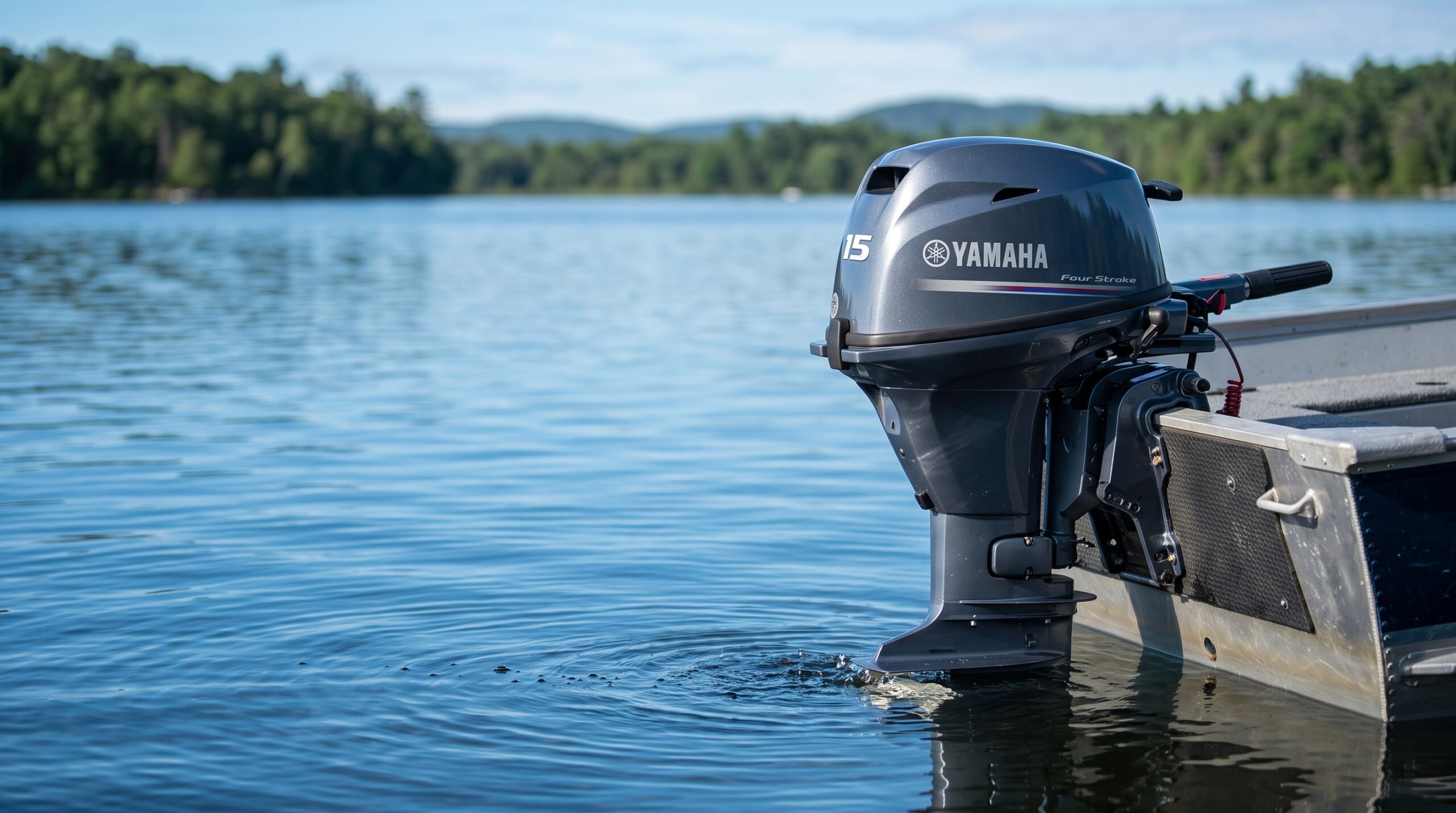
The Yamaha outboard engine 15HP is a popular choice for boat owners who need a balance of power, portability, fuel efficiency, and dependable performance. A 15-horsepower outboard motor can be suitable for fishing boats, small recreational boats, utility boats, and certain lightweight watercraft. Its practical power output makes it an attractive option for people who need a reliable engine without moving to a larger and heavier outboard motor. However, the right engine depends on the boat’s design, total load, operating environment, and the manufacturer’s recommended horsepower range.
Yamaha is a well-known marine engine manufacturer with a broad range of outboard motors designed for different boating requirements. Its 15HP outboard models are available in different configurations depending on the model year and market. Features such as engine displacement, starting system, shaft length, steering arrangement, and overall weight can vary between versions. Understanding these differences is important before making a purchase.
Choosing an outboard engine involves more than comparing horsepower ratings. Buyers should consider fuel consumption, maintenance requirements, durability, ease of operation, spare parts availability, and the total cost of ownership. This guide explains the important features of the Yamaha outboard engine 15HP, its performance characteristics, maintenance requirements, and the factors buyers should evaluate before choosing a suitable model.
What Is the Yamaha Outboard Engine 15HP?
The Yamaha outboard engine 15HP is a marine propulsion system designed to provide up to 15 horsepower for compatible boats. An outboard motor combines the engine, gearbox, propeller, steering mechanism, and mounting assembly into a single unit attached to the rear of a boat. This design allows the engine to be installed, serviced, and removed without placing the entire propulsion system inside the hull.
A 15HP outboard motor is generally positioned between smaller portable engines and more powerful motors intended for larger boats. It can provide useful thrust for lightweight boats while remaining manageable for owners who need to transport or remove their engine. Its suitability depends on the boat’s hull shape, weight, intended speed, and operating conditions.
Yamaha 15HP outboard engines may use different engine technologies depending on the specific model. Many commonly encountered models use four-stroke technology, while specifications and configurations vary across product generations and markets. Buyers should confirm the exact model designation before relying on information about fuel delivery, lubrication, starting systems, or maintenance intervals.
The engine’s primary purpose is to deliver consistent propulsion for everyday boating activities. Fishing, short-distance transportation, recreational cruising, and general utility work are potential applications when the boat and operating conditions are appropriate. The engine is not automatically suitable for every boat simply because its horsepower rating appears adequate. Compatibility with the boat manufacturer’s requirements should always come first.
Key Features of the Yamaha Outboard Engine 15HP
Engine Design and Construction
The design of an outboard motor affects its performance, serviceability, durability, and overall ownership experience. Yamaha outboard engines are engineered for marine environments, where moisture, vibration, changing temperatures, and exposure to water can place additional demands on mechanical components. Materials, protective finishes, and corrosion-management features help support long-term use, although proper maintenance remains essential.
The specific construction of a Yamaha 15HP engine depends on its model and production year. Important components include the engine block, crankshaft, fuel system, ignition system, cooling system, lower unit, and propeller assembly. Each component plays a role in delivering power efficiently and maintaining reliable operation.
A well-maintained engine can provide dependable service over many seasons, but durability should not be judged by brand reputation alone. Service history, storage conditions, operating hours, previous repairs, and the availability of appropriate replacement parts can all influence the condition of an individual motor. Buyers considering a used Yamaha 15HP should inspect the engine carefully rather than assuming that every unit will perform equally well.
Starting System and Controls
Starting convenience is another important factor when choosing an outboard motor. Depending on the exact model, a Yamaha 15HP outboard may feature a manual recoil starting system, an electric starting option, or a configuration that differs by market and model year. The starting arrangement influences convenience, installation requirements, and the need for electrical components.
Manual starting systems are often valued for their simplicity and reduced electrical complexity. Electric starting can make operation more convenient, especially for users who prefer not to pull a starter cord. However, an electric-start configuration may require a suitable battery and compatible electrical connections.
Control arrangements also vary. Many portable outboards use tiller steering, allowing the operator to steer directly from the engine handle. The throttle and gear controls depend on the model’s design. Before purchasing, buyers should confirm that the control layout is appropriate for their boat and their preferred operating position.
Regardless of the starting system, regular inspection of the starter mechanism, fuel supply, ignition components, and safety equipment is important. The engine should be operated according to the owner’s manual, and the emergency stop system should be maintained and used as directed.
Cooling System and Reliability
Marine engines must control operating temperatures while working in an environment where cooling water and salt exposure can affect components. Many Yamaha outboard models use water-cooling systems that circulate water through designated passages to help regulate engine temperature. The exact cooling arrangement should be verified for the model being considered.
Cooling system maintenance is particularly important because restricted water passages, damaged components, or an obstructed water intake can lead to overheating. Operators should follow the manufacturer’s instructions for checking cooling-water flow and inspecting the relevant components. Any warning signs of overheating should be addressed promptly rather than ignored.
Reliability also depends on using suitable fuel and lubricants, following service intervals, and storing the engine correctly. A motor that receives regular attention is generally better positioned for consistent performance than one that is neglected between boating trips. Yamaha’s reputation may be an important consideration, but actual engine condition and maintenance history remain central to a purchase decision.
Portability and Ease of Operation
One of the main attractions of a 15HP outboard engine is its potential suitability for portable boating applications. Compared with many higher-horsepower motors, an engine in this class may be easier to transport and handle, although actual weight varies substantially by configuration. Buyers should check the manufacturer’s published weight and consider whether they can safely lift, carry, mount, and remove the engine.
Portability can be especially valuable for owners who store their boats on trailers, use removable engines, or need to protect their equipment from weather and theft. The engine’s weight also affects the boat’s transom loading and overall balance. An outboard that is difficult to lift or too heavy for the intended mounting arrangement may not be the most practical choice.
Ease of operation involves more than weight. Accessible controls, clear maintenance instructions, suitable mounting hardware, and local servicing support all contribute to a better ownership experience. Before purchasing, confirm that the engine can be installed correctly and that its controls match the boat’s configuration.
Yamaha Outboard Engine 15HP Performance
The Yamaha outboard engine 15HP is designed to provide propulsion for compatible boats that require a moderate level of power. Its real-world performance depends on the relationship between engine output and the boat’s total operating weight. Hull design, passenger numbers, cargo, fuel load, propeller selection, water conditions, and engine setup all influence how the boat accelerates and travels.
A lightweight hull may respond differently from a heavier displacement-style boat. Some hull designs can achieve higher speeds with the appropriate power and load, while others are intended primarily for stable, slower travel. For this reason, horsepower alone cannot provide a reliable prediction of top speed or acceleration.
Correct installation is essential for achieving the engine’s intended performance. The mounting height, shaft length, propeller condition, and trim arrangement can affect handling and propulsion efficiency. An unsuitable propeller may prevent the engine from reaching the recommended operating range or reduce its ability to move the boat effectively. Propeller selection should follow the manufacturer’s guidance and account for the boat’s design and intended load.
Weather and water conditions also matter. Strong currents, waves, wind, and rough water can reduce speed and increase the power needed to maintain control. Operators should never assume that a 15HP engine will provide sufficient performance in every condition. Safe operation requires appropriate loading, awareness of changing conditions, and compliance with the boat manufacturer’s recommendations.
Fuel Efficiency of the Yamaha Outboard Engine 15HP
Fuel efficiency is an important consideration for boat owners who operate their engines regularly. The fuel consumption of a Yamaha 15HP outboard depends on the specific model, engine condition, operating speed, propeller, boat design, and total load. There is no single fuel-consumption figure that accurately describes every Yamaha 15HP model under all operating conditions.
Operating at an appropriate speed can help manage fuel use. Running an engine continuously at maximum throttle generally places different demands on the fuel system than operating at a moderate cruising speed. The most efficient operating point depends on the engine and boat combination, so owners should consult the manual and use reliable fuel-consumption information for their specific setup.
Boat loading can also have a considerable effect. Excessive weight increases the effort required to move the boat, while poor weight distribution may affect handling and propulsion efficiency. Keeping unnecessary equipment out of the boat and distributing the remaining load according to the manufacturer’s guidance can help maintain more efficient operation.
Routine maintenance supports consistent fuel economy. Worn spark plugs, restricted fuel filters, poor fuel quality, damaged propellers, and neglected engine components may affect performance. Using the correct fuel and following the recommended service schedule helps the engine operate as intended.
Fuel planning should always include a safety margin. Boat owners should carry enough fuel for the planned journey while accounting for changing weather, currents, delays, and unexpected detours. A reliable estimate should be based on the actual engine model and operating conditions rather than an assumed universal consumption rate.
Yamaha 15HP Outboard Engine Specifications
Understanding the technical specifications of a Yamaha 15HP outboard is essential before purchasing or installing the engine. Although horsepower is an important starting point, other specifications determine whether a particular motor will fit the boat and meet the owner’s needs.
Horsepower and Engine Displacement
The engine’s horsepower rating describes its power class, but displacement and engine design also influence how that power is produced. Yamaha 15HP models may differ in displacement, cylinder arrangement, fuel delivery, and internal design depending on the model generation. Buyers should consult the official specifications for the exact engine rather than relying on information from a different version.
Engine displacement is particularly useful when comparing technical specifications within a manufacturer’s product range. However, displacement should not be used alone to judge performance, fuel economy, or durability. The complete engine design and its compatibility with the boat are more important than any single specification.
Shaft Length
Shaft length determines how the outboard fits relative to the boat’s transom. Common outboard shaft categories include short-shaft and long-shaft configurations, although the actual measurements and availability depend on the model. Selecting the wrong shaft length can affect propeller immersion, cooling-water supply, handling, and overall performance.
The correct shaft length should be determined by the boat manufacturer’s transom specifications and the engine manufacturer’s installation instructions. Buyers should measure the transom carefully and verify the required configuration before ordering an engine. Shaft length should never be selected based solely on price or availability.
Weight and Mounting Requirements
Engine weight affects portability, transom loading, and boat balance. A 15HP outboard’s actual weight can vary according to the engine configuration, starting system, shaft length, and included equipment. The manufacturer’s published weight is therefore the most reliable reference for a specific model.
The transom must be structurally suitable for the engine, and the boat must remain within its permitted engine and loading limits. Correct mounting hardware and installation procedures are essential for safe operation. If there is any uncertainty about transom strength or engine compatibility, a qualified marine technician should inspect the installation.
Fuel, Oil, and Operating Requirements
Fuel requirements, lubricant specifications, and operating limits differ by model. Four-stroke engines generally have a separate engine lubrication system, while two-stroke engines may use a different lubrication arrangement. Owners must follow the instructions for their exact engine and avoid assuming that all outboards use the same fuel or oil procedures.
The manual also provides important information about recommended operating RPM, service intervals, cooling-water checks, storage procedures, and approved accessories. Keeping the manual available can help prevent maintenance errors and support long-term engine performance.
How Much Does a Yamaha Outboard Engine 15HP Cost?
The price of a Yamaha outboard engine 15HP varies by country, model year, configuration, condition, and seller. New engines typically cost more than used units, while additional features or particular shaft and starting configurations may affect the final price. Local taxes, shipping charges, installation expenses, and warranty coverage can also influence the total amount a buyer pays.
The new-engine market should be evaluated by comparing the exact model and its included equipment. Two engines advertised with the same horsepower rating may differ in configuration, production year, warranty terms, and available accessories. Buyers should request a complete quotation that identifies the model and lists any additional charges.
Used engines require a different approach. A lower purchase price may be attractive, but the engine’s service history and mechanical condition can have a significant effect on future costs. Evidence of regular maintenance, inspection results, and the availability of replacement parts should be considered alongside the asking price.
Potential additional expenses include fuel tanks, fuel lines, steering or control components, mounting hardware, propellers, servicing, and safety equipment. Not every purchase requires all these items, so buyers should confirm what is included before comparing offers. Choosing an engine solely because it has the lowest advertised price may lead to higher ownership costs later.
For buyers in Bangladesh, local availability, authorized dealer support, import arrangements, and spare parts access may also influence the purchasing decision. It is sensible to compare quotations from reputable sellers and verify the engine’s authenticity, warranty conditions, and service support before making payment.
Yamaha Outboard Engine 15HP Maintenance Tips
Regular maintenance helps protect an outboard engine from preventable damage and supports dependable operation. The maintenance schedule for a Yamaha 15HP motor depends on its specific model and usage, so the owner’s manual should always take priority over general advice.
Inspect the Engine Before Use
A pre-operation inspection can identify visible problems before they affect a trip. Owners should check the engine mounting, propeller, fuel connections, control mechanisms, and visible signs of leakage or damage. The cooling-water intake should be free from obstructions, and safety equipment should be ready for use.
The engine should be securely attached to the boat, with the mounting hardware checked according to the manufacturer’s recommendations. Loose components, damaged fuel lines, unusual noises, or visible leaks should be investigated before operating the motor. If a problem could affect safe operation, the engine should not be used until it has been addressed.
Follow the Recommended Oil Service Schedule
Correct lubrication is essential for protecting internal engine components. Four-stroke Yamaha outboards require the specified engine oil and regular oil maintenance according to the manufacturer’s schedule. Gearcase lubricant also needs inspection and replacement at the prescribed intervals.
The required oil grade and service procedure depend on the engine model. Owners should use products that meet the manufacturer’s specifications and avoid mixing maintenance instructions from different engines. If the oil appears contaminated or shows signs of water intrusion, professional inspection may be necessary.
Maintain the Fuel System
Fuel quality and fuel-system condition have a direct effect on engine operation. Owners should use the recommended fuel, keep fuel containers clean, and inspect fuel lines and connections for deterioration or leakage. Fuel filters and other serviceable components should be maintained according to the manual.
Fuel left in storage under unsuitable conditions can deteriorate and contribute to starting or running problems. Storage procedures vary according to the fuel system and engine design, so owners should follow the manufacturer’s guidance on fuel stabilization, draining, and long-term storage.
Inspect the Propeller and Lower Unit
The propeller transfers engine power into movement through the water. Damage, corrosion, or fishing line wrapped around the propeller shaft can interfere with performance and potentially damage components. The propeller should be inspected regularly, with the engine switched off and appropriate safety precautions followed.
The lower unit also requires periodic attention. Gearcase lubricant, seals, and other components should be checked according to the service schedule. Any signs of significant propeller damage, unusual vibration, or suspected gearcase leakage should be investigated by a qualified technician.
Prepare the Engine for Storage
Correct storage is especially important when the engine will remain unused for an extended period. Depending on the model, preparation may involve cleaning, corrosion protection, fuel-system care, lubrication, and other procedures specified by Yamaha. The engine should be stored in the position recommended by the manufacturer.
Saltwater use requires particular attention to corrosion prevention. Following the approved freshwater flushing procedure and cleaning the engine as directed can help remove salt deposits. Owners should avoid using improper flushing methods or operating the engine without the required cooling-water supply.
Pros and Cons of the Yamaha Outboard Engine 15HP
One potential advantage of a Yamaha 15HP outboard is its useful balance of power and portability for appropriately sized boats. It can offer more propulsion capability than smaller portable engines while remaining less demanding to transport than many larger outboards. This balance makes the horsepower class worth considering for owners who value flexibility.
Another potential benefit is the availability of Yamaha marine products and service information across many markets. Depending on the location, buyers may be able to access authorized servicing, compatible accessories, and replacement components. However, support varies by region, so availability should be verified before purchase.
There are also limitations to consider. A 15HP engine may not provide sufficient power for a heavy boat, a heavily loaded vessel, or an application requiring sustained high speeds. It is not a substitute for selecting the appropriate engine according to the boat’s rated capacity and intended operating conditions.
The engine’s actual weight, fuel system, starting arrangement, and purchase price can also affect its suitability. Some buyers may prefer a smaller engine for easier handling, while others may need a higher-horsepower model for their vessel. The best choice is the one that meets the boat’s requirements without exceeding its permitted engine rating or creating unnecessary operating costs.
Yamaha 15HP vs. Other Outboard Engines
Comparing the Yamaha 15HP with other horsepower categories can help buyers identify an appropriate balance between power, weight, and cost. A 9.9HP outboard may be sufficient for smaller boats and lighter loads, particularly where portability and basic propulsion are priorities. A 15HP engine provides a higher rated power output, but the practical difference depends on the hull design and total operating weight.
A 20HP outboard offers a higher horsepower rating than a 15HP model and may suit boats that require additional propulsion. However, it may also involve greater weight, different mounting requirements, and higher purchase or operating costs. These differences are not identical across manufacturers or model generations, so buyers should compare actual specifications rather than assume that every 20HP engine is substantially heavier or less efficient.
The decision should begin with the boat’s maximum permitted horsepower and transom requirements. Buyers should then consider typical passenger and cargo loads, expected operating conditions, engine portability, and total ownership costs. An engine that offers more power than the boat requires may add unnecessary expense, while an undersized engine may struggle to perform its intended role.
Brand comparisons should also consider local servicing, parts availability, warranty terms, and the condition of the specific unit. A properly maintained engine with reliable support may provide a better ownership experience than a cheaper alternative with uncertain history or limited service access.
How to Choose the Right Yamaha 15HP Outboard Engine
Choosing the right Yamaha 15HP outboard starts with confirming that the engine is appropriate for the boat. The boat’s identification plate and manufacturer’s documentation should specify the permitted horsepower and loading limits. The engine should never exceed the boat’s maximum rated horsepower, and the total operating load must remain within the recommended limits.
The next step is to confirm shaft length, engine weight, and mounting compatibility. An engine with the wrong shaft configuration may not perform correctly, while excessive transom loading can compromise safety. Installation should follow the engine and boat manufacturers’ requirements.
Buyers should also identify the features they actually need. Starting arrangements, tiller controls, remote-control compatibility, and included accessories can vary by model. Comparing these features before purchase helps prevent unexpected installation costs and ensures the engine suits the owner’s operating preferences.
When buying a new engine, check the model designation, manufacturing details, warranty coverage, seller reputation, and service availability. Keep the purchase documents and warranty information in a safe place. Buyers should confirm that the engine is appropriate for their intended operating environment and that recommended maintenance can be carried out locally.
When purchasing a used motor, a mechanical inspection is particularly valuable. The buyer should check the condition of the propeller, lower unit, fuel system, mounting bracket, cooling system, and visible engine components. Where possible, a qualified marine technician should evaluate the engine’s operation and service history before the sale is finalized.
Finally, consider the total cost of ownership rather than the purchase price alone. Fuel, lubricants, maintenance, storage, spare parts, and repairs all contribute to the long-term expense. A carefully selected engine that fits the boat and receives proper maintenance is more likely to deliver satisfactory performance over time.
FAQ
Is the Yamaha Outboard Engine 15HP Good for Fishing?
The Yamaha outboard engine 15HP can be a suitable choice for fishing boats that fall within its recommended power and weight range. Its suitability depends on the boat’s design, passenger load, fishing equipment, and operating conditions. Buyers should verify the boat’s maximum horsepower rating and consider whether the engine can provide sufficient propulsion for their typical trips.
How Much Fuel Does a Yamaha 15HP Outboard Engine Use?
Fuel consumption varies according to the exact model, engine condition, operating speed, propeller, boat weight, and water conditions. A universal consumption figure would not accurately represent every Yamaha 15HP outboard. Owners should consult the model-specific documentation and plan trips with an adequate fuel reserve.
How Fast Can a Boat Go With a 15HP Yamaha Outboard?
There is no single top speed for every boat powered by a Yamaha 15HP outboard. Speed depends on hull design, total load, propeller selection, engine installation, and environmental conditions. The engine’s horsepower rating alone is not enough to predict a reliable speed.
Is the Yamaha 15HP Outboard Engine Suitable for Saltwater?
A suitable Yamaha 15HP model can be used in saltwater when operated and maintained according to the manufacturer’s instructions. Owners should pay close attention to corrosion prevention, approved flushing procedures, and regular inspection of exposed components. The engine’s specific saltwater-related features should be confirmed for the model being purchased.
How Often Should a Yamaha 15HP Outboard Engine Be Serviced?
The required service schedule depends on the model, operating hours, and storage conditions. Owners should follow the maintenance intervals in the official manual, including any initial service requirements and checks recommended after extended or demanding use. A qualified technician can help establish an appropriate maintenance routine.
What Is the Weight of a Yamaha 15HP Outboard Engine?
The weight depends on the specific model, shaft length, starting system, and configuration. Buyers should check Yamaha’s published specifications for the exact model designation rather than relying on a general weight estimate. The engine’s weight should also be considered when checking the boat’s transom capacity and handling requirements.
Is a Yamaha 15HP Outboard Engine Suitable for Beginners?
A 15HP outboard may be manageable for beginners when installed on a compatible boat and operated within safe limits. New operators should learn the engine’s controls, emergency stop procedure, pre-operation checks, and maintenance requirements before use. Safe boating practices, suitable flotation equipment, and awareness of local regulations are essential regardless of engine size.
What Should I Check Before Buying a Used Yamaha 15HP Outboard?
Buyers should review the engine’s service history, verify its model and serial information, inspect the propeller and lower unit, and look for fuel leaks, corrosion, or signs of damage. A professional mechanical inspection and appropriate operational testing can help identify potential problems. The availability of replacement parts and local service support should also be considered.
Conclusion
The Yamaha outboard engine 15HP is worth considering for boat owners who need a practical combination of power, portability, and everyday marine performance. It can be suitable for compatible fishing boats, recreational watercraft, and utility applications, provided the engine matches the boat’s design, rated capacity, and operating requirements.
Before buying, it is important to compare the exact model specifications, shaft length, weight, starting arrangement, fuel requirements, and maintenance needs. Buyers should also evaluate warranty coverage, spare parts availability, servicing options, and the total cost of ownership. These factors are particularly important when comparing new and used engines.
Proper installation and routine maintenance play a major role in long-term performance. Following the manufacturer’s recommendations for fuel, lubrication, cooling-system care, propeller inspection, and storage can help protect the engine and reduce avoidable problems.
Ultimately, the right Yamaha 15HP outboard is not simply the model with the lowest price or the most attractive advertised features. It is the engine that fits the boat correctly, meets the owner’s boating needs, and can be maintained reliably over time. Careful research and a thorough inspection before purchase can help buyers make a more informed decision.












