



Our Blogs
How Much Is a 350 Crate Engine? Price and Cost Guide

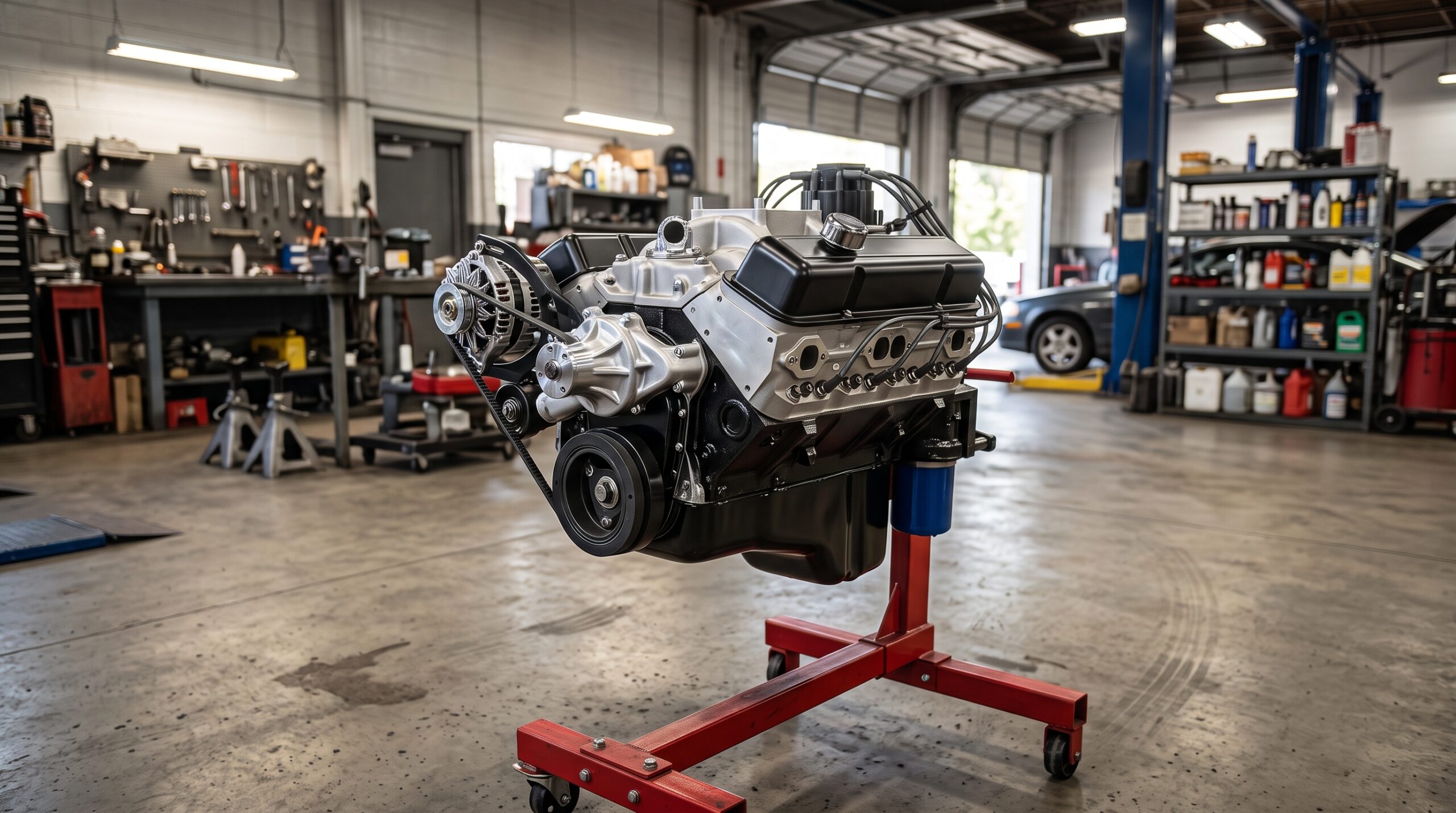
If you are planning to replace an old engine or build a classic car, you may wonder, how much is a 350 crate engine? The answer depends on the engine’s condition, performance level, included parts, and manufacturer.
A basic remanufactured 350 Chevy engine may cost a few thousand dollars, while a new or high-performance engine can cost considerably more. Some performance-focused models can reach $6,000 to $10,000 or beyond. These are general planning estimates, not live quotes, and actual prices vary by supplier and specifications.
You should also consider installation labor, shipping, engine accessories, and possible vehicle modifications. The price of the engine itself is only one part of the total cost.
The 350 Chevy small-block V8 is popular for classic cars, trucks, hot rods, and restoration projects. Its long history, wide parts availability, and flexible performance options make it a practical choice for many builds.
This guide explains engine prices, installation costs, buying options, compatibility, and ways to save money. By the end, you will have a clearer idea of which engine fits your vehicle and budget.
How Much Is a 350 Crate Engine?
The cost of a 350 crate engine varies based on whether you choose a new engine, a remanufactured unit, or a performance model.
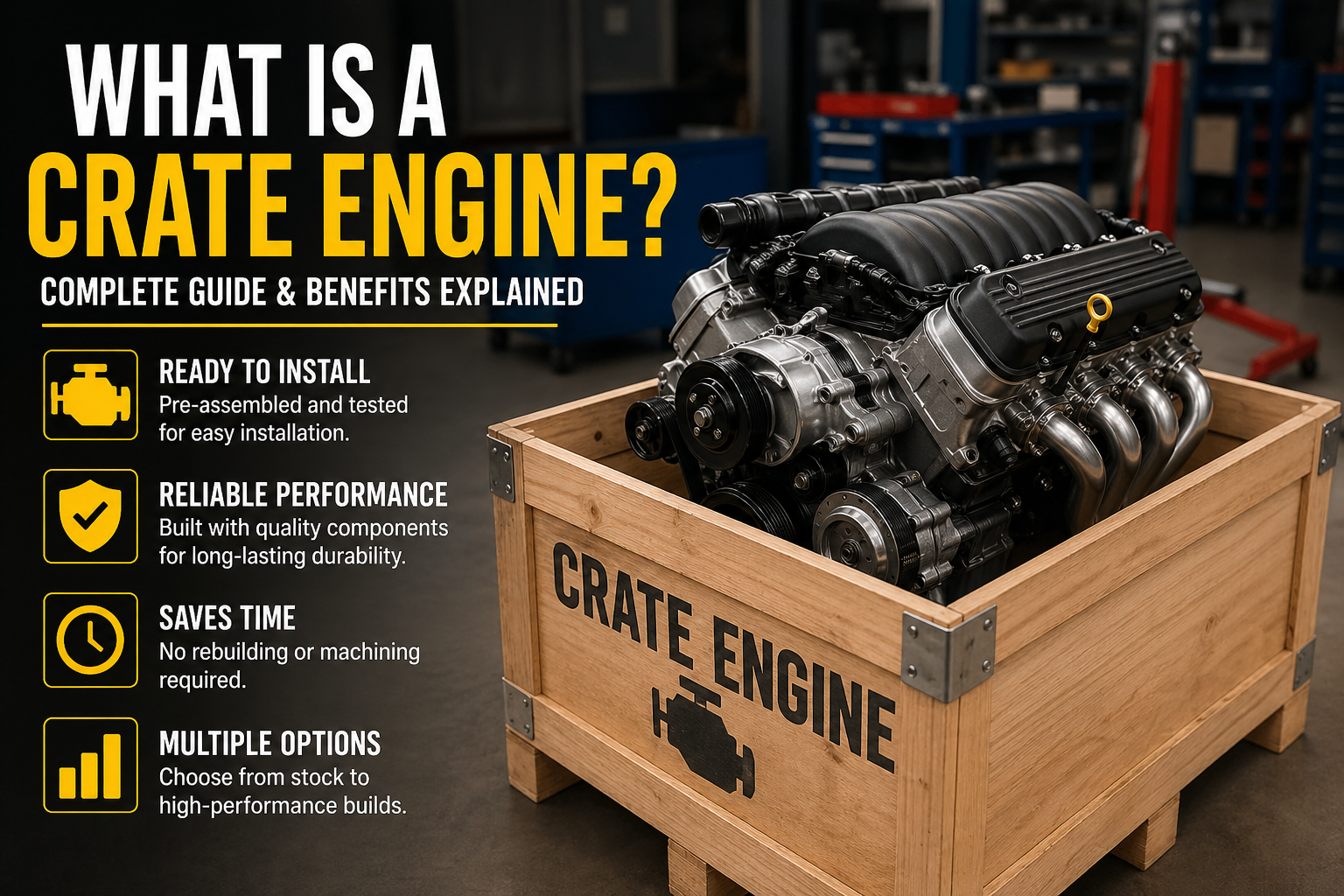
A crate engine is an engine sold as a complete assembly or a specified package. It is usually shipped separately from the vehicle and installed later. However, the term does not always mean that every part needed for installation is included.
Here is a general price guide in US dollars.
| Engine type | Estimated engine-only price |
|---|---|
| Used 350 Chevy engine | $500–$2,000 |
| Remanufactured 350 engine | $2,000–$4,000 |
| New or replacement 350 crate engine | $3,000–$6,000 |
| High-performance 350 crate engine | $4,000–$10,000+ |
These ranges are broad budgeting estimates, not verified current listings. Exact prices depend on the engine specification, supplier, included equipment, and warranty. Installation, shipping, taxes, and accessories may cost extra.
For example, someone restoring a classic pickup may choose a standard replacement engine. A driver building a weekend hot rod may prefer a performance engine with upgraded internal parts.
When asking how much is a 350 crate engine, make sure you compare engines with similar specifications. A low-priced short block is not directly comparable to a fully assembled engine with cylinder heads, a camshaft, and a warranty.
Average Price of a New 350 Crate Engine
A new 350 crate engine may cost around $3,000 to $6,000 for many standard replacement or moderately upgraded options. Some specialty engines fall outside this range.
The exact price depends on what the manufacturer supplies.
A basic engine package may include the engine assembly but leave out the carburetor, intake manifold, distributor, alternator, starter, and other accessories.
A more complete package may include several of these parts, which can reduce the number of items you need to purchase separately.
Before buying, check these details:
-
Is the engine new, remanufactured, or assembled from new and previously used parts?
-
Are the cylinder heads included?
-
Does it come with an oil pan and timing cover?
-
Are the intake manifold and carburetor included?
-
Is a warranty provided?
-
Is the engine suitable for your intended fuel system and vehicle?
A new engine can be a good option if you want a replacement with clearly documented specifications. Still, a higher price does not automatically mean better performance or a longer service life.
Cost of a Remanufactured 350 Chevy Engine
A remanufactured 350 Chevy engine often costs less than a comparable new engine. A general budget is around $2,000 to $4,000 for the engine, although some packages cost more.
Remanufacturing usually involves taking an existing engine core apart, inspecting its parts, machining components as needed, and replacing worn or unsuitable parts. The exact process depends on the remanufacturer.
A quality remanufactured engine can provide good value for an older car or truck. However, the quality of the machining, replacement components, assembly, and testing matters.
Ask the seller for details about:
-
Which internal parts are replaced.
-
Whether the block and cylinder heads are inspected.
-
Whether the crankshaft and cylinder bores are measured.
-
Whether the engine is tested before shipping.
-
What the warranty covers.
-
Whether a usable core must be returned.
A remanufactured engine is not necessarily the same as a lightly rebuilt engine. The terms can vary between sellers, so review the written description rather than relying on the product label.
Price of a High-Performance 350 Crate Engine
A high-performance 350 crate engine may cost $4,000 to $10,000 or more. Race-oriented or custom-built combinations can exceed that range.
These engines may use upgraded cylinder heads, performance camshafts, stronger internal components, and carefully selected compression ratios.
Some are designed for street driving, while others are intended for racing or specialized applications.
The horsepower rating is an important factor, but it should not be the only one. A high-output engine may require better cooling, a suitable transmission, stronger fuel delivery, and changes to the exhaust system.
For example, a street-driven classic car may work well with a moderate-performance engine that provides useful torque at normal driving speeds. A race car may need a different combination that delivers more power at higher engine speeds.
Before paying extra for horsepower, decide how you will use the vehicle. The right engine is the one that meets your needs without creating unnecessary installation and maintenance costs.
What Factors Affect the Price of a 350 Crate Engine?
Several factors determine the final price of a 350 Chevy crate engine. Two engines with the same displacement can have very different prices because their internal parts, assembly methods, and intended uses are different.
The most important factors include engine condition, horsepower, included components, brand reputation, and warranty coverage.
Engine Size, Horsepower, and Performance
The 350 designation refers to an engine displacement of approximately 350 cubic inches, or 5.7 liters. However, it does not tell you how much horsepower the engine produces.
Horsepower depends on many things, including:
-
Cylinder head design and airflow.
-
Camshaft specifications.
-
Compression ratio.
-
Intake and exhaust systems.
-
Fuel delivery and ignition tuning.
-
The intended engine speed and application.
A standard replacement engine may focus on smooth operation, reasonable fuel use, and dependable everyday performance. A performance engine may use upgraded parts to produce more power.
Torque also matters. Torque helps a vehicle move from a stop and pull a load. For a classic truck, useful low-speed torque may be more important than a high peak horsepower figure.
When comparing engine prices, look for both horsepower and torque ratings. Also check whether the manufacturer measured those figures at the crankshaft or the wheels. Crankshaft horsepower is higher because some power is lost through the transmission and drivetrain.
Long Block vs. Short Block Engine Costs
One of the biggest reasons engine prices differ is the type of assembly being sold.

Short block
A short block usually includes the engine block, crankshaft, connecting rods, and pistons. Exact contents vary. It generally does not include a complete set of cylinder heads or the full valve train.
It can cost less initially, but assembly and additional parts increase the total expense.

Long block
A long block usually includes the short-block assembly plus cylinder heads and major valve-train components. The precise configuration depends on the supplier.
It generally requires fewer internal assembly steps than a short block, although external accessories and installation parts may still be needed.

Turnkey or dressed engine
A more complete package may include the intake manifold, ignition components, fuel system parts, and other accessories.
It often costs more upfront but may save time when the included parts match the vehicle.
Always check the manufacturer’s parts list. The labels short block, long block, and turnkey are useful, but they do not guarantee identical contents across brands.
Parts Included With a Crate Engine
A low advertised price can be misleading if the engine arrives without important components.
Depending on the package, you may need to purchase:
-
Carburetor or compatible fuel-injection equipment.
-
Intake manifold.
-
Distributor and ignition components.
-
Alternator and starter.
-
Water pump and pulleys.
-
Exhaust manifolds or headers.
-
Oil pan and pickup.
-
Engine mounts.
-
Flywheel or flexplate.
-
Belts, hoses, and other installation supplies.
Some parts from your old engine may be reusable, but only if they are compatible and in good condition.
Ask for an itemized parts list before ordering. This makes it easier to compare the real cost of different engines.
Brand Reputation and Warranty Coverage
A reputable manufacturer may charge more because of its machining standards, quality control, testing, and customer support.
Warranty coverage can also affect the price. One seller may offer a limited warranty for a specific period, while another may provide different coverage for parts and labor.
Read the warranty carefully. Check whether it covers only defective engine components or also pays for removal and reinstallation. Many engine warranties exclude labor, towing, overheating damage, incorrect installation, or improper break-in.
You should also confirm whether the warranty requires installation by a professional shop.
A lower-priced engine is not necessarily a bad choice. However, a small saving may not be worthwhile if the seller cannot explain the engine’s specifications or warranty terms.
How Much Does It Cost to Install a 350 Crate Engine?
The engine purchase is only one part of the budget. Installation can add hundreds or thousands of dollars, depending on the vehicle and the amount of work required.
For planning purposes, a straightforward engine replacement may involve roughly $1,000 to $3,000 in labor. Complex restorations, custom builds, or major modifications can cost substantially more.
These are broad estimates rather than local shop quotes. Labor rates vary by region, and an older vehicle may require additional work once the original engine is removed.
Labor Costs for Engine Installation
A professional mechanic typically removes the old engine, prepares the engine bay, installs the replacement, connects the necessary systems, and checks the engine before returning the vehicle.
The process may involve:
-
Disconnecting the battery and draining required fluids.
-
Removing the old engine and separating connected components.
-
Inspecting engine mounts and related parts.
-
Transferring compatible accessories.
-
Installing the replacement engine.
-
Connecting fuel, cooling, exhaust, electrical, and drivetrain systems.
-
Filling fluids and completing the required startup checks.
A straightforward swap can take much less time than a custom installation. Rusted bolts, damaged wiring, worn mounts, and incompatible parts can add labor hours.
Ask the shop whether its estimate includes engine removal, installation, fluids, troubleshooting, and post-installation checks. A written estimate helps prevent misunderstandings.
Additional Parts and Accessories
The extra parts required depend on the vehicle and the engine package.
| Expense | General planning estimate |
|---|---|
| Fluids, filters, and small supplies | $100–$300 |
| Hoses, belts, and basic service parts | $100–$400 |
| Mounts and fitment hardware | $100–$400 |
| Fuel, ignition, or cooling upgrades | $200–$1,000+ |
| Exhaust changes | $200–$1,000+ |
These categories are illustrative estimates. They may overlap, and some vehicles will need fewer parts while others require much more extensive work.
You may not need every item in this table. For example, a compatible replacement engine may reuse a good radiator, exhaust system, and several accessories.
However, an older vehicle that has been modified over the years may need new hoses, wiring repairs, cooling upgrades, or exhaust changes.
Do not buy all the parts before checking fitment. Confirm the engine configuration and vehicle requirements first.
Total Engine Replacement Cost
Suppose you choose a remanufactured 350 engine priced at $3,000. Your total budget might look like this:
| Item | Example cost |
|---|---|
| Remanufactured engine | $3,000 |
| Installation labor | $1,500 |
| Parts and fluids | $500 |
| Shipping | $250 |
| Estimated total | $5,250 |
This example excludes taxes, unexpected repairs, and any core deposit that may apply. It is not a quotation for a particular vehicle.
A new or high-performance engine may push the total well above this amount. A DIY installation may reduce labor expenses, but you will still need suitable tools, equipment, and compatible parts.
The best way to estimate the complete cost is to obtain an engine quote and a separate installation estimate before placing your order.
Where Can You Buy a 350 Crate Engine?
You can buy a 350 crate engine from established engine manufacturers, authorized parts dealers, online engine retailers, and local engine specialists.
Each option offers different advantages. Your best choice depends on price, warranty support, shipping arrangements, and the type of engine you need.
Buying From an Authorized Dealer
An authorized Chevrolet or GM parts dealer can help you identify the correct engine family and check available replacement options.
This can be useful when originality, documented specifications, or compatibility is important.
However, do not assume every 350 engine is a direct replacement for every older Chevrolet vehicle. Different generations and configurations can have different mounting, accessory, fuel-system, and emissions requirements.
Ask the dealer to confirm the exact part number, package contents, warranty, and intended application.
You can also compare the dealer’s quote with independent engine manufacturers. The lowest price is not always the best value if it comes with less support or a more limited warranty.
Buying a 350 Crate Engine Online
Online sellers make it easier to compare specifications and prices from different suppliers.
When researching online, review:
-
The complete product specification.
-
Whether the engine is new or remanufactured.
-
Included and excluded components.
-
Warranty duration and exclusions.
-
Shipping arrangements and delivery time.
-
Core-return requirements.
-
Seller contact details and reputation.
Be careful with listings that use vague phrases such as “performance engine” without providing compression ratio, horsepower, torque, or component details.
Request a written quote if any important information is missing.
Also, confirm the return policy before ordering. Returning a heavy engine can be expensive, especially if the wrong configuration was shipped because compatibility was not checked.
New vs. Used 350 Engines
A used engine may offer the lowest initial price, but its history can be uncertain. A new engine usually offers clearer specifications, while a remanufactured engine may balance cost and condition.
| Option | Main advantage | Main concern |
|---|---|---|
| Used engine | Lower purchase price | Unknown wear or history |
| Remanufactured engine | Reconditioned components | Quality varies by builder |
| New crate engine | Documented configuration | Higher initial cost |
| Performance engine | Upgraded power potential | More supporting upgrades may be needed |
If you consider a used engine, ask to see service records and available test results. A compression test or leak-down test can help assess engine condition, although neither guarantees future reliability.
A professional inspection is especially valuable when the seller cannot provide a reliable history.
For many buyers, the right choice is not simply the cheapest engine. It is the option that offers a reasonable combination of purchase price, expected condition, warranty, and total installation cost.
Is a 350 Chevy Crate Engine Worth the Money?
For many classic-car owners and restoration enthusiasts, a 350 Chevy crate engine can be a worthwhile investment. It offers a familiar small-block V8 design, a wide range of replacement parts, and several performance options.
Whether it is worth the money depends on your vehicle, driving goals, budget, and the condition of the engine you are replacing.
Benefits of Buying a New Crate Engine
A new crate engine offers several advantages.
Clear specifications: A reputable manufacturer should provide details about the engine’s displacement, power rating, recommended fuel, and intended use.
Convenient purchasing: You can buy an engine assembly without sourcing every internal component separately.
Warranty options: Many manufacturers offer limited warranties, subject to their terms and conditions.
Performance choices: Depending on availability, you may select a standard replacement engine or a more powerful configuration.
Less uncertainty about previous use: A genuinely new engine has no previous service history in a vehicle, although its components and manufacturing details still deserve review.
These advantages can make a new engine attractive for a long-term restoration. However, you still need to confirm compatibility and follow the manufacturer’s installation and break-in instructions.
Pros and Cons of a Remanufactured Engine
A remanufactured 350 Chevy engine can be a practical choice if you want to manage costs.
Advantages include:
-
Often lower cost than a comparable new engine.
-
Reuse of suitable original engine components.
-
Availability of replacement options for older vehicles.
-
Potential warranty coverage through the remanufacturer.
There are also drawbacks.
The quality depends on the builder’s inspection, machining, replacement parts, and assembly process. Warranty terms can differ, and some engines require a core deposit or return of the old engine.
Before buying, ask what work was completed and what measurements or tests were performed.
A well-documented remanufactured engine can offer good value. An engine with unclear specifications and weak warranty support may not be worth the savings.
When Should You Choose a Performance Engine?
A performance engine makes sense when your project needs more power than a standard replacement can provide.
You might choose one for a weekend hot rod, a classic muscle car, or a specialized vehicle build.
However, higher horsepower can create extra requirements. Your transmission, cooling system, fuel delivery, brakes, and drivetrain must suit the vehicle’s intended power and use.
For example, fitting a more powerful engine into an older pickup may require additional cooling capacity and exhaust changes. These upgrades can raise the final cost significantly.
A high-performance engine is not automatically the best choice for everyday driving. If you mainly want reliable transportation or a stock-style restoration, a standard replacement may be more suitable.
What Vehicles Can Use a 350 Crate Engine?
The Chevrolet 350 small-block V8 has been used in many classic cars, trucks, and custom builds. Its popularity means that parts and swap information are widely available.
However, that does not mean every 350 crate engine will fit every vehicle without changes.
You need to check the engine configuration, engine mounts, transmission, oil pan clearance, exhaust routing, and other vehicle-specific details.
Chevrolet Small-Block Engine Compatibility
The traditional Chevrolet 350 belongs to the small-block Chevy engine family. It has been used in various Chevrolet and other GM vehicles, and compatible versions are common in restoration projects.
Potential applications include:
-
Classic Chevrolet Camaro and Nova projects.
-
Older Chevrolet Chevelle and similar cars.
-
Classic Chevrolet C10 pickups.
-
Compatible hot rods and custom builds.
-
Some older GM vehicles and engine-swap projects.
These are examples, not a guarantee of direct fitment.
Different model years may use different accessory layouts, emissions equipment, transmissions, and electrical systems. Some vehicles have also been modified by previous owners.
An engine that physically fits may still require changes to wiring, fuel delivery, cooling, exhaust, or drivetrain components.
Checking Vehicle Fitment Before Buying
Before you order an engine, collect the vehicle’s year, make, model, and existing engine information.
Then check the following items with the supplier or installer.
Engine mounts: Confirm that the block and mounts fit the vehicle or identify the required conversion parts.
Transmission compatibility: Check the bellhousing pattern, crankshaft flange, flywheel or flexplate, starter position, and transmission type.
Oil pan clearance: The oil pan must clear the front suspension, crossmember, and steering components.
Cooling system: Confirm that the radiator, water pump, hoses, and fan arrangement are suitable.
Fuel and ignition: Determine whether the engine uses a carburetor or electronic fuel injection and what supporting components are required.
Emissions requirements: Check local rules for engine swaps, emissions equipment, and vehicle registration.
Accessory clearance: Make sure the alternator, power steering pump, air-conditioning compressor, and other components fit the engine bay.
For an older car, an experienced mechanic or engine-swap specialist can help prevent expensive mistakes.
The best time to check compatibility is before purchasing, not after the engine arrives.
How to Save Money on a 350 Crate Engine
You do not have to buy the most expensive engine to get a suitable replacement. Careful research and planning can help you control the total cost.
Focus on the full purchase and installation budget instead of comparing the engine price alone.
Compare Engine Prices and Warranties
Request quotes from several reputable sellers. Compare engines with similar specifications, included parts, and warranty terms.
Use a checklist like this:
-
Engine condition and displacement.
-
Horsepower and torque ratings.
-
Short-block or long-block configuration.
-
Included accessories.
-
Warranty coverage.
-
Shipping cost.
-
Core deposit and return requirements.
-
Estimated installation labor.
For example, Seller A might offer an engine for $2,800, while Seller B asks $3,100 for a similar package.
Seller A may initially look cheaper. But if its shipping is more expensive or its package excludes parts included with Seller B’s engine, the difference may disappear.
Ask each seller for a written quote so you can compare the complete package.
Check Shipping and Core Charges
Engine shipping can add a noticeable amount to the final bill. Costs depend on the seller’s location, delivery method, engine weight, and whether a liftgate or special delivery arrangement is needed.
Some remanufactured engines also require a refundable core deposit. This is money held until the old engine is returned and accepted under the seller’s conditions.
Before ordering, ask:
-
Is shipping included in the advertised price?
-
Will the delivery carrier unload the engine?
-
Does the old engine need to be returned?
-
Who pays for core return shipping?
-
What conditions must the old engine meet?
-
When will a refundable deposit be returned?
A damaged or incomplete core may not qualify for a full refund. Read the conditions before agreeing to the purchase.
Avoid Common Engine-Buying Mistakes
A few simple checks can prevent costly problems.
Do not choose by price alone. A very cheap engine with unknown condition may need repairs soon after installation.
Do not assume all 350 engines are identical. Different versions can have different compression ratios, cylinder heads, camshafts, and accessory arrangements.
Do not ignore the warranty. Confirm whether the warranty covers parts, labor, and installation-related requirements.
Do not overlook supporting parts. A low-cost engine may need a new fuel system, exhaust, cooling components, or other hardware.
Do not assume horsepower claims are directly comparable. Check how power was measured and under what conditions.
Do not skip professional fitment advice. A quick compatibility check can save money on returns and modifications.
Do not forget the complete budget. Keep some money available for unexpected work, especially when restoring an older vehicle.
The smartest purchase is one that fits your needs, your vehicle, and your total budget.
Frequently Asked Questions
How much is a brand-new 350 crate engine?
A brand-new 350 crate engine may cost approximately $3,000 to $6,000 for many standard replacement options. High-performance models can cost $10,000 or more. The final price depends on the engine specification, included parts, manufacturer, and warranty. Installation and shipping are usually separate expenses, so request a complete quote before buying.
How much horsepower does a 350 crate engine produce?
A 350 Chevy crate engine can produce different amounts of horsepower depending on its design and components. A standard replacement engine may produce around 200–300 horsepower, while performance versions can exceed 350 or 400 horsepower. These figures are illustrative, not specifications for every engine. Always check the manufacturer’s published rating and whether it refers to crankshaft or wheel horsepower.
How long does a 350 Chevy crate engine last?
A properly built, correctly installed, and well-maintained 350 Chevy engine can last for many years. Its service life depends on build quality, maintenance, operating temperature, lubrication, driving conditions, and engine tuning.
Regular oil changes, a healthy cooling system, and prompt repairs can help extend engine life. Heavy loads, frequent high-RPM operation, overheating, or poor maintenance may shorten it. No specific mileage or lifespan can be guaranteed.
Is a 350 crate engine better than a rebuilt engine?
Neither option is always better. A crate engine offers a convenient package with specified components and may include a manufacturer warranty. A rebuilt engine can be less expensive, especially when a qualified mechanic can reuse suitable parts from your existing engine.
The best choice depends on the quality of the build, documentation, warranty, and total installed cost. Compare the actual specifications instead of relying on the engine’s label alone.
Does a 350 crate engine come with everything needed for installation?
Not always. Some engines are sold as short blocks or long blocks, while others include more accessories. Even a complete-looking package may not include the starter, alternator, exhaust system, fuel system, wiring, or vehicle-specific mounting hardware.
Read the product description and request an itemized list of included parts. You should also confirm whether you can reuse compatible components from your old engine.
Can you install a 350 crate engine yourself?
Yes, an experienced home mechanic with the right tools and workspace may be able to install a compatible 350 crate engine. However, the job involves lifting heavy components, connecting several vehicle systems, and checking critical mechanical and electrical details.
You need a suitable engine hoist, engine stand, tools, service information, and a safe working area. If you lack the experience or equipment, hiring a qualified mechanic is the safer option. Follow the manufacturer’s installation, lubrication, and break-in instructions.
Final Thoughts
So, how much is a 350 crate engine? For budgeting purposes, expect approximately $3,000 to $6,000 for many new standard replacement options, $2,000 to $4,000 for many remanufactured engines, and $4,000 to $10,000 or more for high-performance models. Actual prices vary by supplier and engine specifications.
Remember that the purchase price is only part of the expense. Installation labor, shipping, accessories, and vehicle modifications can increase the total significantly.
Before buying, compare engine specifications, horsepower and torque ratings, warranty coverage, and included components. Confirm that the engine fits your vehicle and transmission, and get an installation estimate from a qualified mechanic.
The best 350 crate engine is not necessarily the cheapest or most powerful. It is the one that meets your driving needs, fits your vehicle, and offers the best overall value for your budget.

One thought on “How Much Is a 350 Crate Engine? Price and Cost Guide”