Our Blogs
Where to Get 5.0L Chevy V8 Engine for Sale

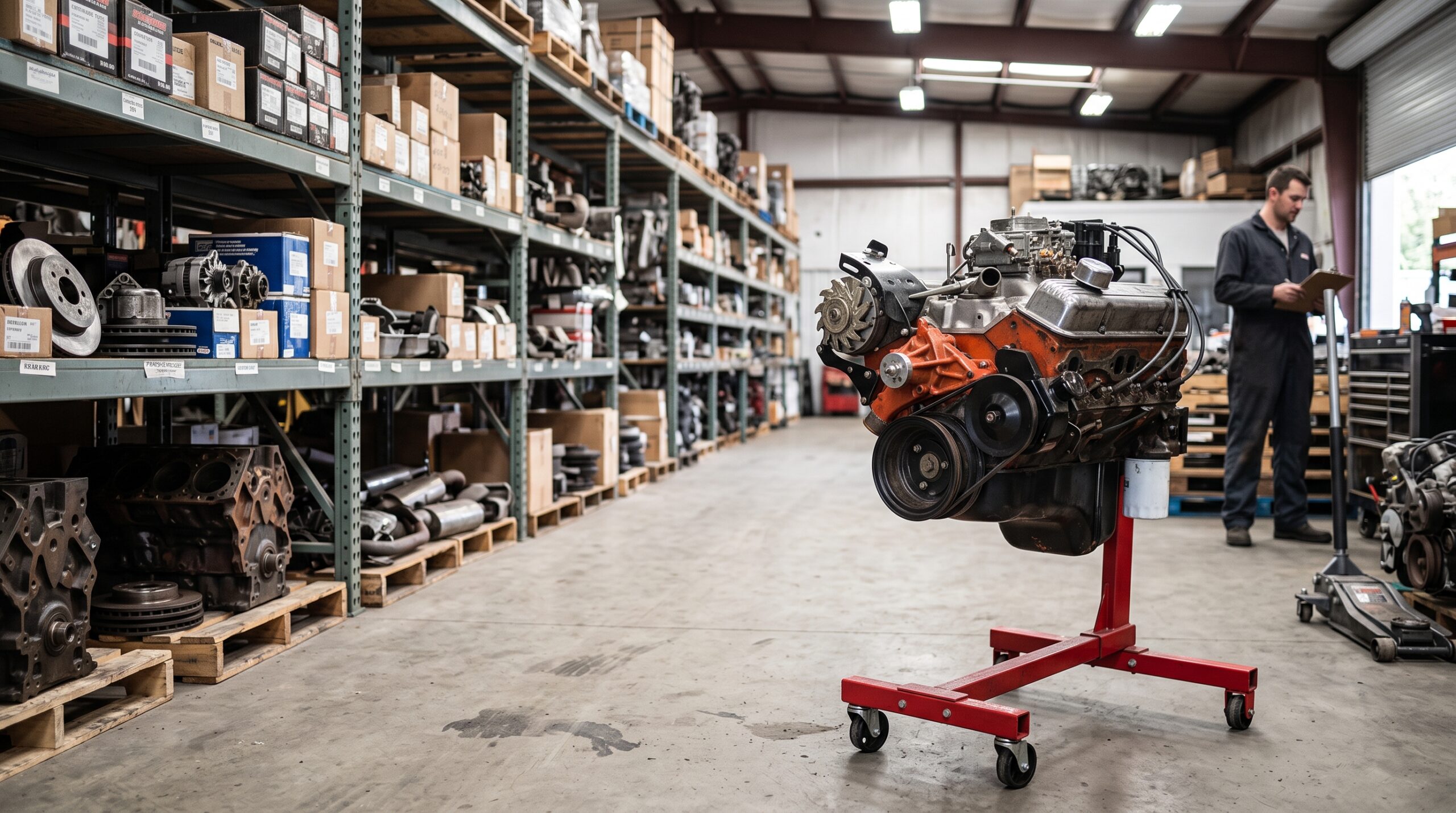
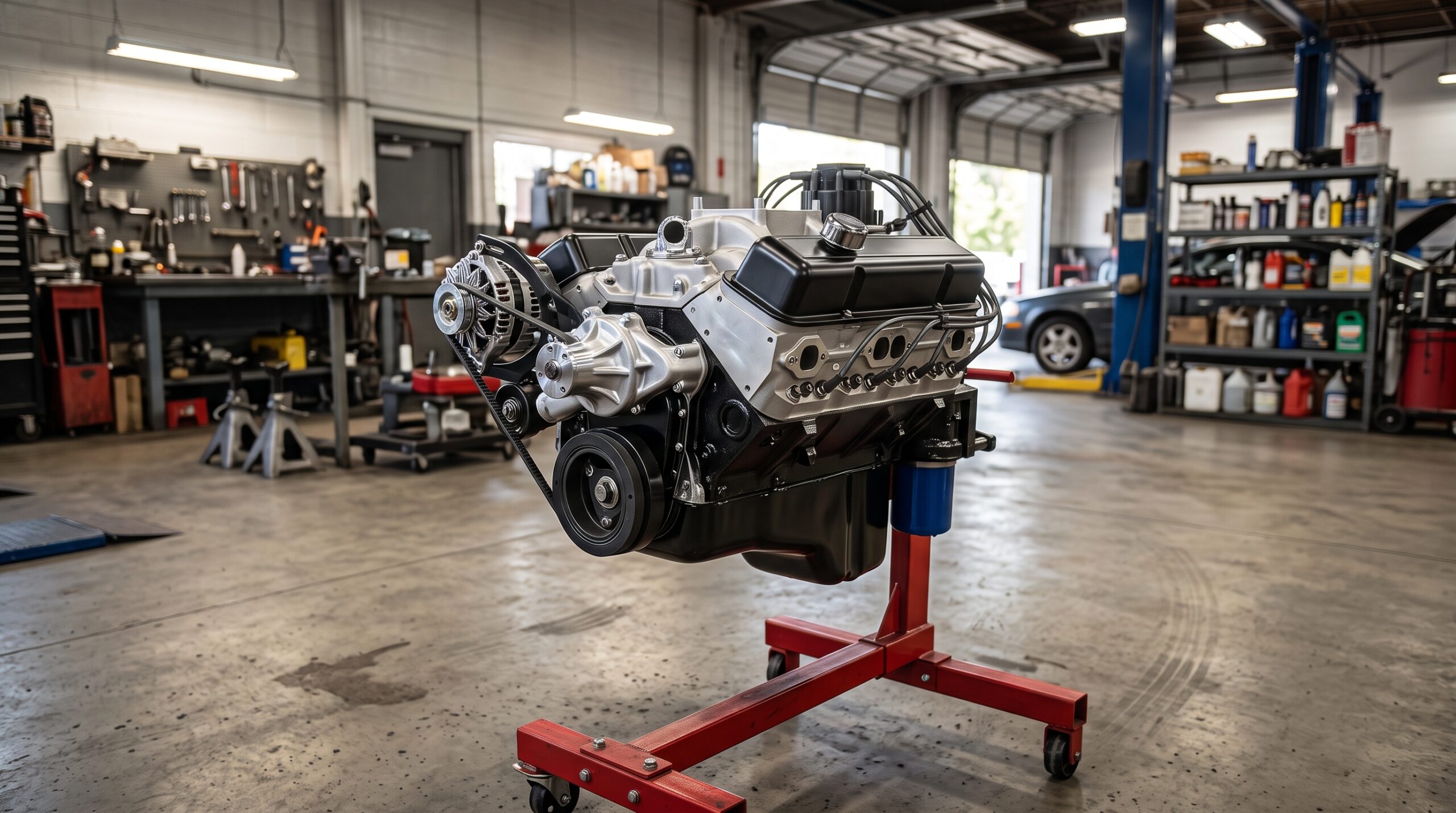
If you are wondering where to get a 5.0L Chevy V8, start with local auto salvage yards, online engine marketplaces, engine suppliers, and professional rebuilding shops. These sources can help you find an engine for a repair, classic car restoration, or custom engine swap. The best choice depends on your budget, the engine’s condition, and the vehicle you plan to use it in.
A Chevrolet V8 can be an attractive option for drivers and car enthusiasts who want to keep an older vehicle running. Some buyers need a replacement engine after a major mechanical failure. Others want to restore a project car or build a custom vehicle.
However, there is one important detail to understand before you start shopping. A 5.0-liter engine is not always the same as another 5.0-liter engine. Different engines may have different designs, mounting points, fuel systems, and electronic controls. Some Chevrolet engines advertised by displacement may also be listed by their cubic-inch size or engine family.
Before you spend money, identify the exact engine you need. Then compare several sellers, ask for proof of condition, and check the warranty and return terms.
This guide explains where to find a 5.0L Chevy V8, what it may cost, how to identify the correct engine, and how to avoid common buying mistakes.
where to get 5.0l chevy v8
There are several ways to find a replacement Chevrolet V8. Each option has different benefits, costs, and risks.
Buy From Local Auto Salvage Yards
Local auto salvage yards are a useful starting point when searching for a used Chevrolet engine. These businesses collect vehicles that have been damaged, retired, or taken off the road. They remove usable parts and sell them to repair shops, vehicle owners, and restoration projects.
A salvage yard may have an engine from an older Chevrolet car, pickup truck, or another GM vehicle. Availability depends on the vehicles in its inventory, so you may need to contact several yards.
How to search effectively
When contacting a salvage yard, provide as much information as possible:
- Your vehicle’s make, model, and year.
- The engine size and engine code, if known.
- The vehicle identification number (VIN), when appropriate.
- Whether you need a complete engine or a long block.
- Your preferred budget and pickup location.
If you do not know the engine code, ask a mechanic or parts specialist to identify it before purchasing.
How to check a used engine
Ask whether the engine was tested before removal. Find out whether the donor vehicle ran, whether the engine overheated, and whether the yard has a record of its mileage.
A compression test or leak-down test can provide useful information about the cylinders. If possible, ask a qualified mechanic to inspect the engine. Look for visible cracks, heavy corrosion, damaged mounting points, and signs of oil or coolant mixing.
A low price does not guarantee a good deal. An engine that needs extensive repairs may cost more in the long run than a better-tested unit.
Search Online Engine Marketplaces
Online marketplaces let you compare engines from sellers in different locations. They can be especially helpful if local salvage yards do not have the correct engine.
You can begin your search on eBay Motors, where sellers may list used engines, complete engine assemblies, and replacement parts. Other established auto-parts marketplaces and specialist engine suppliers may also carry Chevrolet V8 engines.
Search using specific terms rather than relying on a broad description. Include the engine family, displacement, model year, and relevant casting or identification numbers when you know them.
For example, a listing that simply says “Chevy 5.0 V8” does not provide enough information to confirm compatibility. Ask the seller for the engine code and donor vehicle details.
Compare these details before buying:
- Total price, including shipping.
- Seller feedback and business history.
- Engine mileage and test results.
- Included parts and accessories.
- Return conditions and warranty coverage.
- Shipping arrangements and delivery times.
Read the full listing rather than relying only on its title or photographs. Check whether the engine is complete, partially disassembled, or sold as a core for rebuilding.
Online shopping expands your choices, but it also makes careful verification more important. Never assume that an engine fits your vehicle simply because the listing mentions Chevrolet or GM.
Contact Chevy Dealers and Engine Suppliers
A Chevrolet dealer or an established engine supplier may help you locate a replacement engine. A dealer can check parts information and advise whether a suitable replacement is available through its parts network.
For an older engine, the original part may no longer be available as a new factory unit. In that case, the dealer or parts department may be able to suggest an alternative route, such as an approved replacement assembly or a specialist supplier.
Independent engine suppliers may offer used, rebuilt, or remanufactured engines. Some focus on older American vehicles, while others specialize in particular engine families.
When you contact a supplier, ask the following questions:
- Is the engine new, used, rebuilt, or remanufactured?
- Which exact engine code and casting numbers does it have?
- Has it been tested, and can you see the results?
- What parts are included in the price?
- Does the warranty cover parts, labor, or both?
- Are there any requirements for installation or maintenance?
Request the warranty in writing. A warranty may require installation by a qualified shop, use of specified fluids, or completion of certain procedures.
A supplier with clear documentation can make the buying process easier, even if its initial price is higher than that of a private seller.
Visit Engine Rebuilders and Machine Shops
Engine rebuilding shops are another option if you want an engine that has received more attention than a typical used unit.
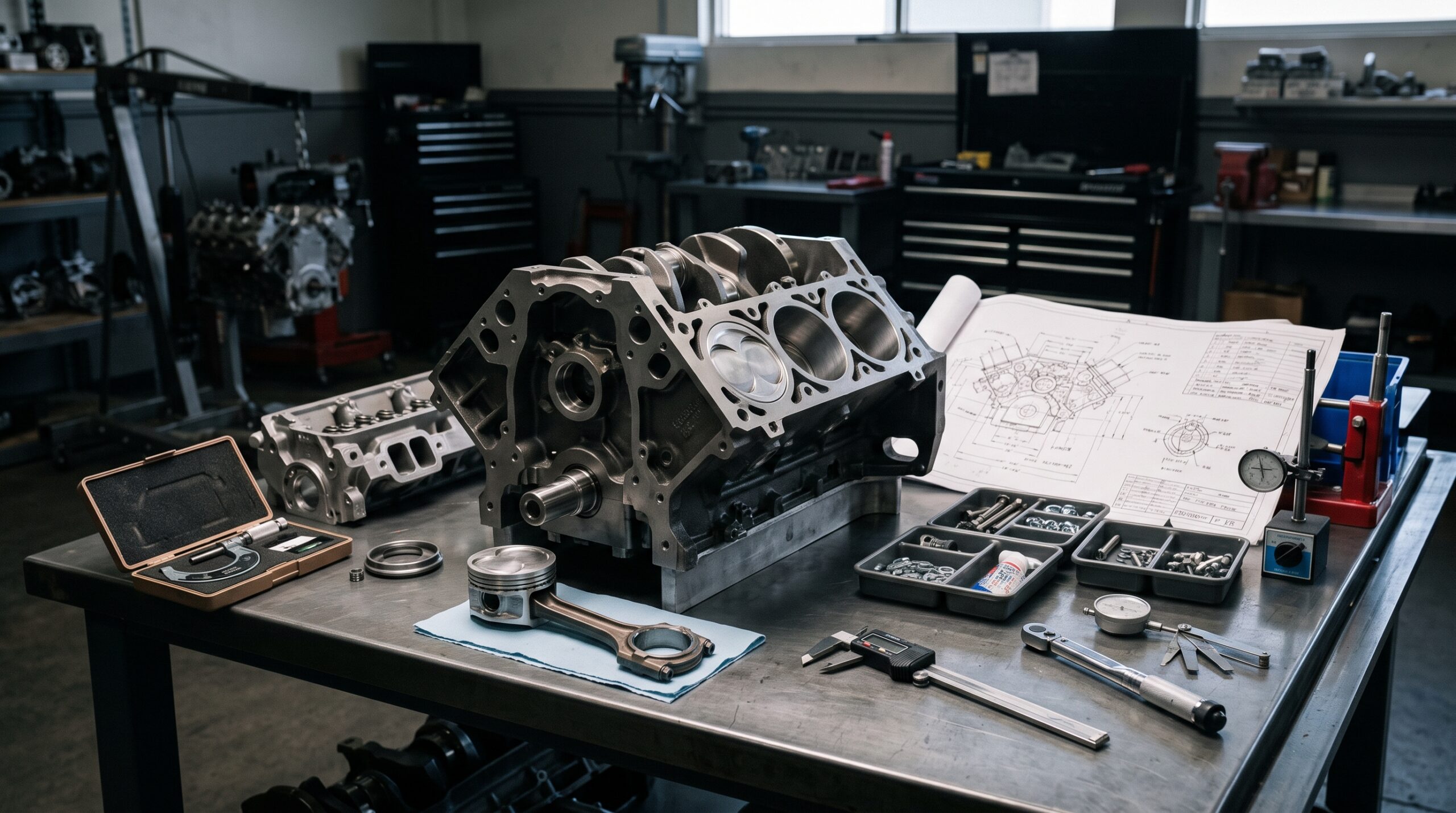
A rebuild usually involves inspecting an engine, measuring important components, replacing worn or damaged parts as needed, and assembling the engine to appropriate specifications. The exact work depends on the engine’s condition and the shop’s rebuilding plan.
A remanufactured engine generally goes through a more standardized process. It may involve extensive disassembly, cleaning, machining, replacement of selected components, and testing against specified standards. However, the exact process varies by supplier.
Ask the shop to explain what work has been completed. Do not assume that every engine advertised as rebuilt has received the same level of service.
Request a written list of replaced parts, machining work, inspection results, and warranty conditions. Ask whether the shop can supply an engine that matches your vehicle’s requirements.
A rebuilt or remanufactured engine may be a good choice when reliability and documentation matter more than finding the lowest purchase price.
Check Local Classifieds and Automotive Forums
Private sellers sometimes offer Chevrolet engines through classified websites, enthusiast communities, restoration groups, and automotive forums.
These sources can be useful when searching for older engines that are difficult to find through ordinary parts suppliers. An enthusiast may also know the engine’s history and be able to explain how it was stored or maintained.
However, private sales often provide less protection than purchases from established businesses. An engine may be sold without a warranty, and the seller may not have professional test results.
Before paying, ask for the donor vehicle information, engine identification numbers, mileage if known, and any available service records. Arrange an inspection when possible.
Meet in a safe location, verify the seller’s ownership or right to sell the engine, and obtain a written receipt that describes the engine and sale terms.
Avoid paying the full amount in advance when the seller cannot provide reasonable evidence that the engine exists and matches the listing.
What Is a 5.0L Chevy V8 Engine?
Understanding engine displacement and identification helps you find the right part.
Understanding the 5.0L Chevy V8
The term 5.0L refers to engine displacement, which is the combined volume swept by all the pistons as they move through their cylinders. One liter equals 1,000 cubic centimeters.
A V8 engine has eight cylinders arranged in two banks, typically forming a V shape. Chevrolet and other manufacturers have used V8 engines in passenger cars, trucks, performance vehicles, and other applications.
A 5.0-liter displacement is approximately 305 cubic inches. Chevrolet produced a well-known 305-cubic-inch small-block V8, often called the Chevy 305. However, the displacement alone is not enough to establish that a particular engine is the correct one for your vehicle.
Engine designs change over time. Two engines with similar displacement can differ in their cylinder heads, intake systems, fuel delivery, electronics, accessory drives, and mounting arrangements.
This matters when buying a replacement engine. The correct choice depends on more than the number shown in a listing.
Common Vehicles That May Use a 5.0L Chevy V8
Chevrolet’s 305-cubic-inch V8 appeared in various GM vehicles during certain model years. Depending on the exact engine version, examples may include selected Chevrolet Camaro and Monte Carlo models, Caprice models, and some Chevrolet and GMC trucks.
These are examples of historical applications, not a guarantee that every vehicle in those model lines used a 5.0L engine. Engine availability varied by year, trim, market, and factory configuration.
Some listings may also use “5.0L Chevy V8” loosely. A seller might be describing a different GM V8, a modified engine, or an engine that has been incorrectly identified.
To avoid ordering the wrong unit, verify the engine code, casting numbers, donor vehicle year, and relevant parts information. If you are replacing an existing engine, compare its identification details with the proposed replacement.
For a custom swap, ask a specialist to check the engine’s physical dimensions, electronics, transmission interface, and installation requirements before purchasing it.
How Much Does a 5.0L Chevy V8 Cost?
The cost depends on the engine’s age, condition, completeness, location, and seller. A used engine with limited testing may be much cheaper than a professionally remanufactured unit.
The following figures are broad planning estimates in US dollars, not live quotes for a confirmed engine. Actual prices can vary substantially, and a correctly identified 5.0L Chevy engine may be difficult to find in some markets.
Price of a Used 5.0L Chevy V8
A used engine from a salvage yard or private seller may cost roughly $300 to $1,500 or more. Some engines are priced below this range, while rare, complete, or well-documented examples may cost more.
The lowest-priced units may be sold as engine cores. A core is an engine intended for rebuilding or parts recovery, not necessarily one ready for installation.
When comparing prices, check whether the engine includes the intake manifold, fuel system components, ignition parts, alternator, starter, sensors, and accessories. Many used engines are sold without some of these items.
For example, an engine listed for $500 may need several hundred dollars in additional parts and testing. A $900 engine with better documentation and more included components might be the more practical purchase.
The right comparison is the total cost of getting a compatible, working engine installed—not just the advertised price.
Cost of a Rebuilt or Remanufactured Engine
A rebuilt or remanufactured engine generally costs more than an untested used engine because it may include replacement parts, machining, assembly, and testing.
As a broad estimate, a rebuilt older small-block V8 might cost around $1,500 to $4,000 or more. A professionally remanufactured engine can cost more depending on its specification, availability, and warranty.
These ranges are not guaranteed quotes for a specific 5.0L Chevy engine. Ask suppliers for current pricing and a clear description of the work performed.
Before comparing offers, confirm whether the quoted price includes a core charge. A core charge is an amount that may be refunded when you return an eligible old engine.
Also ask whether the price includes shipping, installation parts, and any required deposits.
Additional Costs for Shipping and Installation
Buying the engine is only one part of the total cost. You may also need to pay for transportation, labor, fluids, replacement parts, and repairs to related systems.
Common additional expenses include:
- Freight delivery or local transportation.
- Engine removal and installation labor.
- New filters, fluids, seals, and gaskets.
- Belts, hoses, and worn accessories.
- Cooling system repairs.
- Fuel system or wiring changes.
- Transmission or mounting modifications.
- Diagnostic checks and post-installation testing.
A custom engine swap may require extra fabrication and electrical work. These costs can exceed the difference between two engine purchase prices.
If you are importing an engine, also account for customs duties, taxes, port charges, and local transport where applicable. Check the rules in your country before ordering.
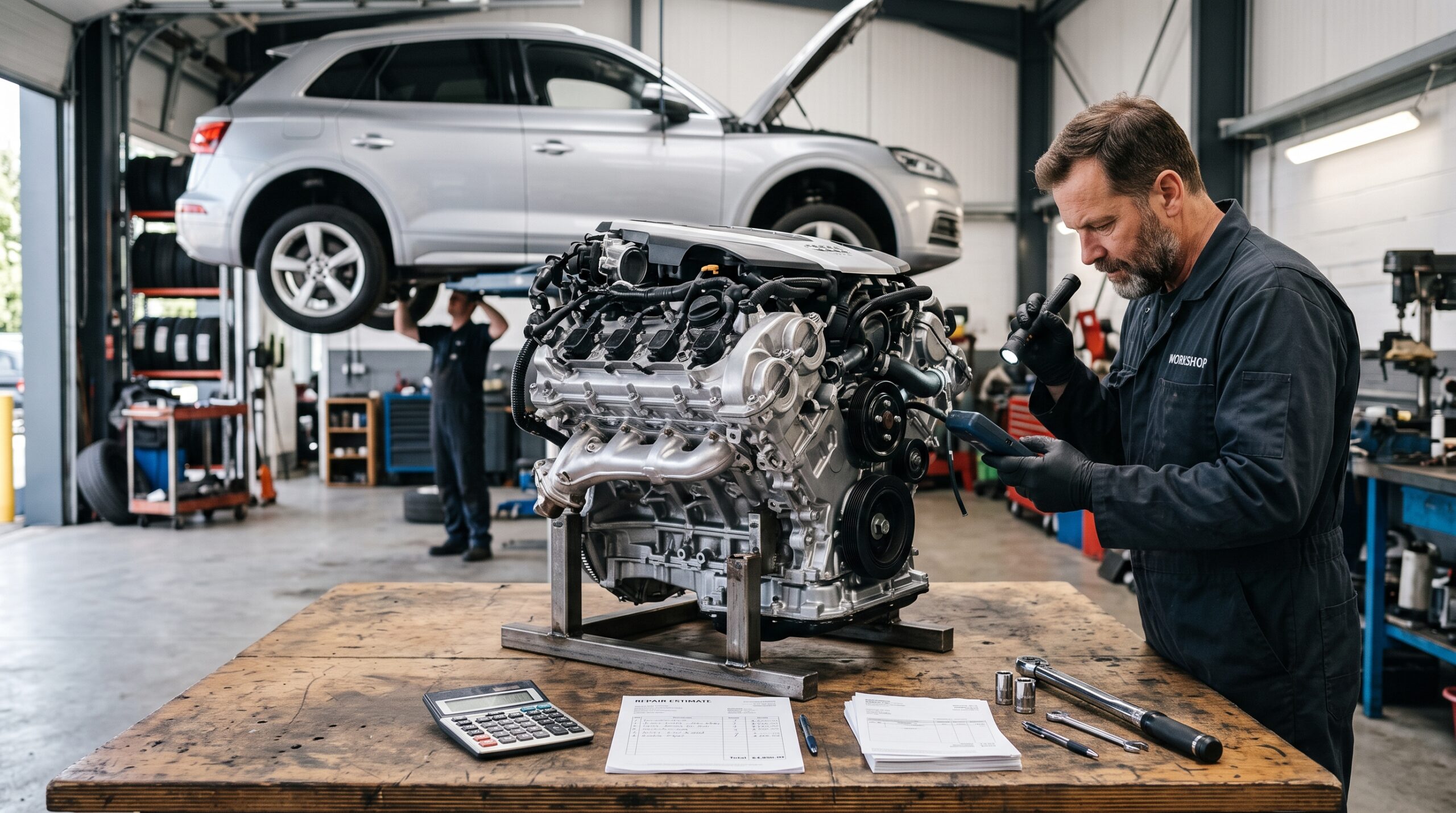
Get a written estimate from the installation shop before committing to the purchase. This will help you compare the total cost of a used engine with that of a rebuilt or remanufactured unit.
How to Choose the Right 5.0L Chevy V8
A good engine purchase starts with accurate identification and a careful review of the seller’s information.
Check the Engine Code and Casting Numbers
Engine identification numbers can help establish which engine you are considering. Depending on the engine family and production year, useful information may include block casting numbers, stamped identification codes, casting dates, and the donor vehicle’s VIN.
The location and format of these markings vary by engine design. Consult reliable service information for the specific engine family instead of relying on a generic chart.
Ask the seller for clear photographs of the identification markings. Check that the numbers are readable and consistent with the engine being advertised.
If the engine has been modified, some original identification information may no longer describe its current components. A mechanic familiar with Chevrolet small-block engines can help assess it.
Do not buy an engine based only on a handwritten label or the seller’s statement that it is a 305. Confirm the available evidence before paying.
Confirm Vehicle Compatibility
Compatibility is one of the most important parts of choosing a replacement engine.
For a direct replacement, compare the original engine’s identification details with the replacement’s specifications. Check the mounting points, transmission connection, oil pan clearance, accessory layout, intake system, exhaust arrangement, and electronics.
For an older vehicle with few electronic controls, the installation may be more straightforward than a swap into a newer vehicle. However, even older models can have important differences.
If you are planning a custom swap, have a qualified mechanic check the complete setup before buying the engine. The engine itself may fit the engine bay while its accessories, transmission, or exhaust system do not.
Confirm compatibility with your specific vehicle year, model, and trim rather than relying on general statements about Chevrolet V8 engines.
Inspect Mileage and Overall Condition
Mileage can help you understand an engine’s history, but it does not tell the whole story.
A well-maintained engine with higher mileage may be in better condition than a neglected engine with a lower reported figure. Storage, oil changes, overheating, and driving conditions all affect engine wear.
Ask whether the engine was running when removed and why the donor vehicle was scrapped. Find out whether the vehicle was involved in a collision, had mechanical problems, or suffered flood damage.
Where possible, request:
- A compression test or leak-down test.
- Oil pressure information from before removal, if available.
- A cold-start video for a running engine.
- Details of any unusual noise or smoke.
- Photos showing the block, heads, and identification numbers.
A mechanic should inspect the engine if its condition is uncertain. If the engine cannot be started, understand that its internal condition may remain unknown until further testing or disassembly.
Review Warranty and Return Policies
Warranty terms can make a major difference in the value of an engine.
A salvage yard may offer a short replacement warranty, while an engine supplier may provide longer coverage under specific conditions. Private sellers often sell engines without any warranty.
Read the terms before paying. Check the warranty period, what parts are covered, and whether labor costs are excluded.
Ask about the process for reporting a defect. Find out whether you must return the engine, who pays freight, and whether installation by a qualified shop is required.
Keep the invoice, engine identification information, test results, and all written messages with the seller.
A warranty is useful only when you understand its limits and can meet its conditions.
Used vs. Rebuilt vs. Remanufactured Chevy V8
There is no single best option for every buyer. The right choice depends on your budget, the vehicle’s purpose, and how much uncertainty you are willing to accept.
Advantages of Buying a Used Engine
A used engine is often the most affordable option. It may be suitable for a daily driver, older project car, or repair where the original engine has failed but the rest of the vehicle remains in good condition.
A used engine may also retain its original components, which can help when restoring a vehicle to a particular factory configuration.
However, its internal wear may be difficult to judge without testing. The engine could require seals, gaskets, or internal repairs after installation.
Choose a used engine when you can verify its identity, inspect its condition, and accept the level of risk involved. A written warranty can offer additional protection.
Benefits of a Rebuilt Engine
A rebuilt engine has been disassembled and repaired according to the work specified by the rebuilder. Worn components may be replaced, and important parts may be measured or machined.
The quality of the result depends on the shop, the parts used, and the work performed. The term “rebuilt” alone does not guarantee that every component is new or that the engine meets a particular factory standard.
Ask for an itemized description of the work. Find out which components were replaced, which were reused, and what tests were performed.
A rebuilt engine can be a good middle-ground option when you want more information about its internal condition without paying for a higher-priced remanufactured unit.
When to Consider a Remanufactured Engine
A remanufactured engine may be attractive when you want a documented rebuilding process and clearly stated warranty terms.
Depending on the supplier, the process may include extensive inspection, machining, replacement of selected components, and testing to defined specifications.
The added cost may be justified for a vehicle you plan to keep for a long time or when engine failure would create major inconvenience.
Still, compare the supplier’s actual process rather than relying on the label alone. Confirm that the engine matches your vehicle and that the warranty covers your intended use.
For older Chevrolet engines, availability may be limited. Ask specialist suppliers whether a suitable unit can be sourced or built to the required specification.
Tips for Buying a 5.0L Chevy V8 Online
Online shopping can help you find an engine that is not available nearby. However, it is important to verify the listing before sending money.
Research the Seller’s Reputation
Start by checking the seller’s business history, customer reviews, and return policies. Established engine suppliers may have a track record of selling replacement engines and handling warranty claims.
Look for detailed reviews that mention engine condition, shipping, customer service, and how the seller handled problems. A large number of positive ratings can be helpful, but it does not guarantee that every engine is reliable.
If you are buying through an online marketplace, review the seller’s account history and transaction feedback. Check whether the business provides a physical address, telephone number, and written sales terms.
Be cautious if a seller refuses to answer basic questions about the engine.
Before you purchase a 5.0L Chevy V8, confirm that the seller can provide the exact engine identification details and documentation described in the listing.
Request Photos, Videos, and Test Results
Good photographs help you compare the actual engine with the seller’s description.
Request clear images of the engine from several angles. You should also ask for close-up photos of the casting numbers, identification stamps, cylinder heads, and visible damage.
If the engine runs, ask for a video showing it starting and running. A video may reveal unusual noises or excessive smoke, although it cannot prove that every internal component is in good condition.
Ask whether the seller has compression readings, leak-down test results, or oil pressure records. The usefulness of these tests depends on the engine’s design and whether it can be operated safely.
For a non-running engine, request an explanation of why it cannot be started. Ask whether it was tested before removal and whether any known problems were found.
If the seller cannot provide adequate evidence, consider paying for an independent inspection or choosing another engine.
Avoid Suspiciously Cheap Listings
An unusually low price deserves careful investigation.
The engine may be incomplete, damaged, incorrectly identified, or sold only as a rebuildable core. Shipping may also be excluded from the advertised price.
Scammers sometimes use stolen photographs or copied listings to attract buyers. Be careful if a seller demands immediate payment, refuses an inspection, or pressures you to use an unusual payment method.
Compare the listing with several similar engines. If the price is far below the typical market range, ask why.
A low price is not automatically a problem. An engine may be discounted because it has high mileage, missing parts, or a known defect. The important point is to understand what you are buying.
Get Written Details Before Payment
Before sending payment, request a written invoice or purchase agreement.
It should include the engine’s description, identification numbers where available, price, included components, shipping charges, and any warranty or return terms.
Ask the seller to state whether the engine is used, rebuilt, remanufactured, or sold for parts. If a particular mileage or test result is advertised, ask that information to be included in the sales documentation.
For freight shipments, confirm how the engine will be secured and packaged. Ask who is responsible for damage during transportation and what evidence you must provide if a shipment arrives damaged.
Keep copies of the listing, invoice, payment confirmation, and seller communications.
These records can help resolve disagreements if the engine differs from what you were promised.
Is a 5.0L Chevy V8 Right for Your Engine Swap?
A Chevrolet V8 can be considered for a custom engine swap, but the engine’s displacement is only one part of the decision.
Before choosing a 5.0L Chevy V8, consider the vehicle’s structure, transmission, electrical system, fuel delivery, cooling requirements, and local vehicle regulations.
Check Engine Mounts and Transmission Compatibility
The engine must fit securely in the engine bay. Its mounting points, overall dimensions, oil pan, and accessory layout must work with the vehicle.
The transmission must also be compatible with the engine’s bellhousing pattern, crankshaft configuration, starter arrangement, and intended use.
Even when the engine and transmission can be connected, you may need different mounts, a modified driveshaft, or other supporting components.
Check available clearance around the steering system, suspension, hood, exhaust, and front crossmember.
A professional workshop can help determine whether the swap requires custom fabrication. Get this assessment before purchasing the engine, especially if you are working with a vehicle that was never designed for that engine family.
Consider Wiring, Fuel, and Cooling Requirements
An engine swap often involves more than installing the engine block.
Older carbureted engines and newer fuel-injected engines can have very different fuel and electrical requirements. The correct setup depends on the specific engine and the vehicle receiving it.
You may need to consider the following components:
- Fuel pump and fuel lines.
- Carburetor or fuel injection system.
- Engine wiring harness and control module, where applicable.
- Radiator, cooling fan, and coolant hoses.
- Exhaust manifolds or headers.
- Air intake and filtration.
- Sensors, ignition components, and charging system.
The cooling system must be suitable for the engine’s heat output and the vehicle’s available space. Fuel and electrical components must also be appropriate for the chosen setup.
Before starting the project, make a complete parts list. This helps prevent delays caused by discovering missing components after the engine has arrived.
Review Local Registration and Emissions Rules
An engine swap may affect how a vehicle is registered, inspected, insured, or tested for emissions.
Rules vary by country, state, and vehicle category. Some places restrict engine changes, require inspections, or impose emissions requirements based on the vehicle’s age and the replacement engine.
If you are importing an engine, check customs rules, taxes, and any restrictions on used automotive parts.
Before buying a 5.0L Chevy V8 for a custom project, contact the relevant transport or registration authority. Confirm which documents are required and whether the proposed modification is permitted.
Planning for these requirements early can save money and help you avoid problems when the vehicle is ready for the road.
Frequently Asked Questions
Where can I buy a 5.0L Chevy V8 engine?
You can look at local auto salvage yards, online marketplaces such as eBay Motors, independent engine suppliers, rebuilding shops, and automotive enthusiast forums.
Salvage yards may offer affordable used engines, while specialist suppliers may offer rebuilt or remanufactured units with more detailed documentation.
Compare several sellers and verify the engine’s identification numbers before purchasing. The best source depends on your location, budget, and the exact engine version you need.
How much does a 5.0L Chevy V8 cost?
A used older Chevrolet V8 may cost roughly $300 to $1,500 or more, while a rebuilt engine may cost around $1,500 to $4,000 or more. These are broad estimates, not confirmed prices for a specific engine.
The final cost depends on condition, included parts, availability, shipping, and warranty coverage.
Installation, fluids, replacement parts, and modifications can increase the total considerably. Request current quotes from suppliers and installation shops before making a decision.
Is a used Chevy V8 engine worth buying?
Yes, a used Chevrolet V8 can be a reasonable choice if it has been correctly identified and its condition is acceptable for your needs.
It may cost less than a rebuilt or remanufactured engine. However, an untested engine carries more uncertainty, and repairs after installation can be expensive.
Ask for mileage information, test results, donor vehicle details, and any available warranty. If possible, have a qualified mechanic inspect it before you pay.
How do I identify the correct 5.0L Chevy engine?
Start by checking the engine’s casting numbers, stamped identification codes, and donor vehicle information. Compare those details with reliable parts catalogs or service documentation for the relevant engine family.
Do not rely on displacement alone. A seller’s description may be incomplete or incorrect.
If you are replacing an existing engine, record its identification information and compare it with the proposed replacement. A Chevrolet specialist can help confirm the correct version when the markings are unclear.
Can I install a 5.0L Chevy V8 in another vehicle?
Yes, a Chevrolet V8 may be suitable for some custom engine swaps, but compatibility must be assessed for the specific vehicle.
You may need different engine mounts, transmission components, fuel system parts, cooling equipment, wiring, and exhaust components.
The vehicle’s weight, intended use, available space, and local registration rules also matter. Have a qualified mechanic evaluate the complete project before buying an engine.
Is a rebuilt Chevy V8 better than a used engine?
A rebuilt engine may offer more information about internal wear because it has been disassembled and repaired. However, the quality depends on the rebuilder, replacement parts, machining, and testing.
A well-maintained used engine can also be a good option, particularly when its history and test results are available.
Compare the price, repair records, warranty, and condition of each engine. A professionally rebuilt engine is not automatically better than every used engine, so evaluate the evidence rather than the label.
Conclusion
If you are looking for a 5.0L Chevy V8, start with local salvage yards, reputable online marketplaces, specialist engine suppliers, and professional rebuilding shops. Compare used, rebuilt, and remanufactured options to find the right balance between cost and reliability.
Before purchasing, verify the engine identification numbers, inspect its condition, confirm vehicle compatibility, and review the warranty. Remember to include shipping, installation, and any required modifications in your budget.
The best place to get a 5.0L Chevy V8 is a seller who can verify the engine’s identity, explain its condition, and provide clear written purchase terms. Compare several offers before committing to the engine that fits your project.